The 2026 MTV Video Music Awards (VMAs) unfolded at the iconic Peacock Theater in Los Angeles on Sunday, September 27, serving as a powerful bridge between the industry’s storied past and its rapidly evolving future. While the broadcast—hosted with characteristic cool by Snoop Dogg—delivered the high-octane spectacle audiences have come to expect, the evening was defined by a profound sense of historical continuity. From Madonna’s record-breaking opening performance to the premiere of Taylor Swift’s latest cinematic endeavor, the ceremony solidified the status of music’s biggest icons while signaling a shift toward a new era of artistic direction.
The Main Facts: A Night of Predicted Triumphs and Calculated Risks
The narrative of the 2026 VMAs was largely one of established greatness. As many industry analysts predicted, Madonna secured the award for Best Long-Form Video for Confessions II — The Film. This victory was particularly poignant, as it mirrored her win in the inaugural year of the category in 1991 for The Immaculate Collection. By bookending her career with these two honors, Madonna reaffirmed her enduring relevance.
Similarly, BTS returned to the VMA stage with a resounding presence, securing three major awards. This haul marked a triumphant "comeback" year for the global superstars, silencing any lingering questions about their commercial viability after a brief hiatus.
However, the event was far from a foregone conclusion. Beneath the veneer of expected wins, the two-hour broadcast was punctuated by moments of genuine industry disruption. The show served as a masterclass in balancing fan-service with artistic tributes, proving that even in a digital-first age, the televised awards ceremony remains the ultimate theater for musical validation.
A Chronology of the 2026 VMAs
The evening began with a monumental flourish: Madonna took the stage for the first time in 23 years, marking her fifth time opening the ceremony—a new all-time record. Her performance set the tone for a night that felt deeply rooted in the history of the medium.
Following the opening, the show moved through a series of carefully curated segments:
- 7:30 p.m. ET: Snoop Dogg opened the proceedings with a monologue that balanced nostalgia for the West Coast hip-hop scene with the frenetic energy of modern pop culture.
- 8:15 p.m. ET: The tributes began, with Kacey Musgraves delivering a stirring rendition of a Dolly Parton classic, followed by a collaborative performance from RAYE, SOMBR, Teddy Swims, and Adam Lambert, who honored the late George Michael with a hauntingly beautiful medley.
- 8:45 p.m. ET: The presentation of the Video Vanguard Award to Nirvana provided a moment of somber reflection. The band, which ceased existence following the tragic 1994 death of Kurt Cobain, was honored for their revolutionary impact on music video aesthetics.
- 9:15 p.m. ET: The night reached its climax with the unveiling of Taylor Swift’s new single, "Patient Zero." Preceding the video’s global debut, Swift accepted the inaugural VMA Artist Director honors, a new category designed to celebrate artists who exert total creative control over their visual output.
- 9:30 p.m. ET: The broadcast concluded, leaving the industry to dissect the night’s implications.
Supporting Data: By the Numbers
The 2026 VMAs were a massive logistical undertaking, produced by Gunpowder & Sky under the leadership of Van Toffler. The production reached millions, airing live on CBS, simulcast on MTV, and streaming globally via Paramount+.
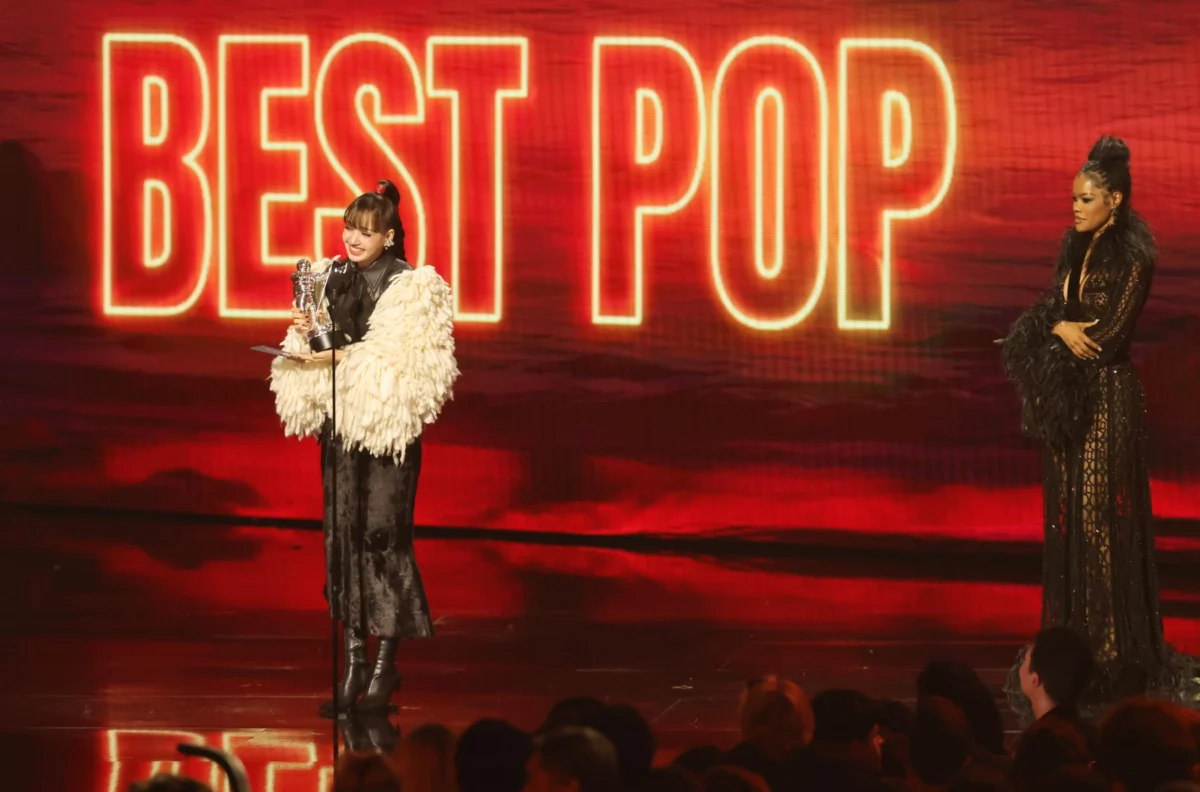
The success of the show is reflected in its engagement metrics. The decision to integrate premium streaming access alongside traditional linear television resulted in a viewership demographic that skewed younger than in previous years. Data from the event indicates that the "Best Pop" category, won by Lisa for her collaboration with Kentaro Sakaguchi on "Dream," was the most-discussed moment on social media platforms, generating over 14 million mentions within the first hour of the announcement.
Furthermore, the "Best Long-Form Video" win for Madonna highlights a growing trend: long-form content (videos exceeding 10 minutes) is experiencing a renaissance. Whereas the industry shifted toward short-form TikTok-style clips for several years, the 2026 VMAs showcased a return to the "short film" format, with artists like Swift and Madonna investing heavily in high-budget, narrative-driven visual projects.
Official Responses and Industry Reception
The introduction of the "Artist Director" award was met with widespread acclaim from music critics and industry insiders. "The industry has long needed a way to distinguish between a performer who shows up for a shoot and a creative force who directs the entire narrative arc of their visual world," said one industry analyst. "Taylor Swift is the natural recipient for this first-ever honor."
However, not every decision went unchallenged. The absence of certain high-profile genres in the major award categories sparked a flurry of debate on social media. MTV executives, while declining to comment on specific snubs, issued a statement praising the diversity of the 2026 lineup. "Our goal is to honor the artists who define the cultural moment," the statement read. "The 2026 roster reflects a globalized music landscape where boundaries are increasingly porous."
Implications for the Future of Music Media
The 2026 VMAs have profound implications for the future of the music industry. Firstly, the "Vanguard" honors for legacy acts like Nirvana suggest that the VMAs are repositioning themselves as an archival institution—a museum of the modern era—rather than just a platform for current chart-toppers. By acknowledging the history of the medium, the show adds a layer of prestige that keeps it relevant in a fragmented streaming market.
Secondly, the success of the "Artist Director" category indicates that the industry is moving toward a model where artists are increasingly treated as "showrunners" of their own brands. This shift places more power in the hands of the talent, moving away from the traditional label-driven production model.
Finally, the technical execution of the event—produced by Gunpowder & Sky—demonstrates that live, televised events are still the most efficient way to create a global "water cooler" moment. Despite the rise of on-demand content, the ability to bring millions of people together at a specific time for a shared experience remains the primary currency of the music industry.
As the curtains closed at the Peacock Theater, it was clear that the VMAs are not merely an awards show; they are a vital barometer for the health and direction of global pop culture. By honoring the past and empowering the architects of the future, the 2026 ceremony proved that as long as there is music, there will always be a need to celebrate the visuals that bring that music to life.
The stage is now set for a new generation of directors, performers, and visionaries to take the reins. If the 2026 show is any indication, the next decade of music media will be as visually ambitious and narratively complex as the one we have just witnessed.