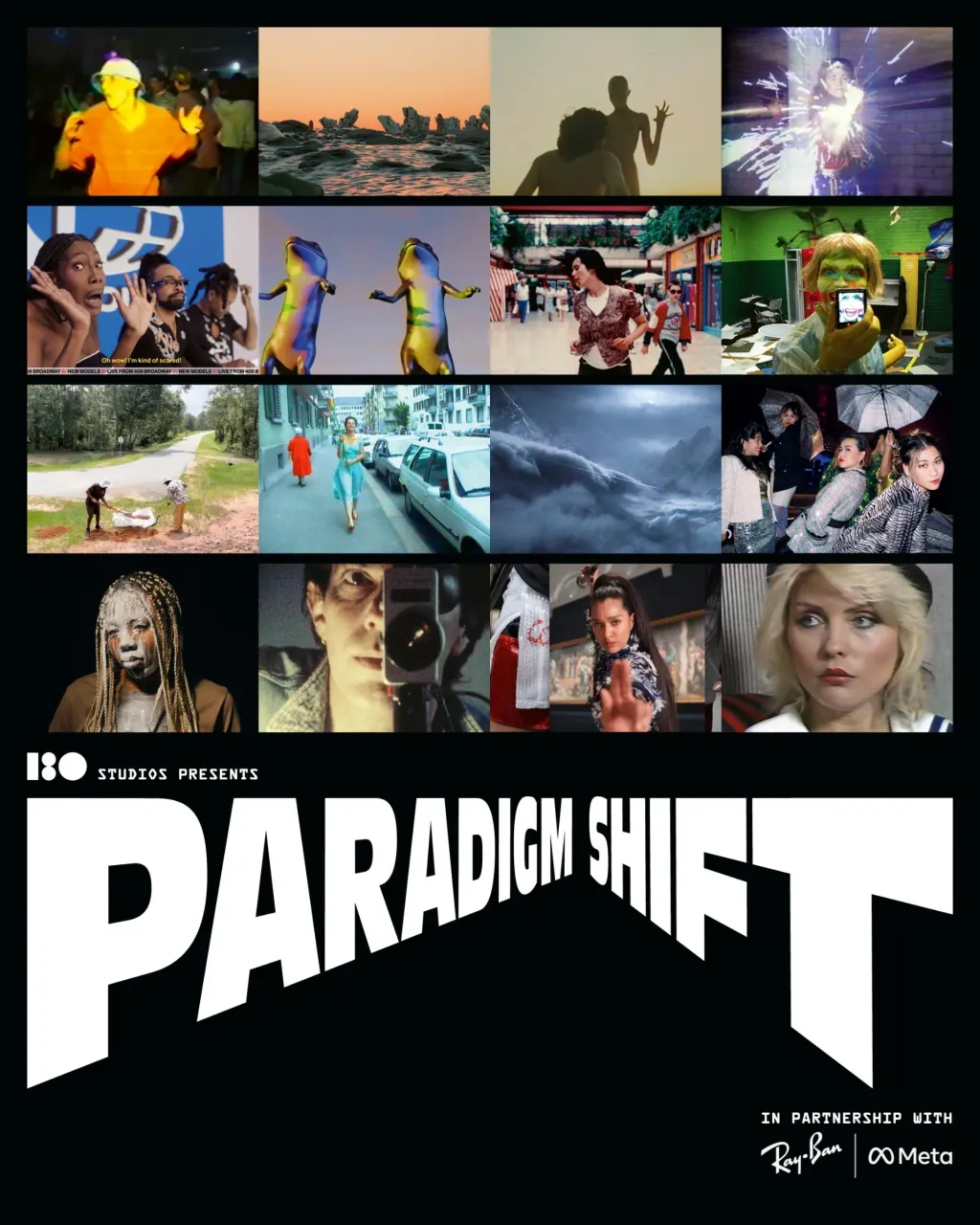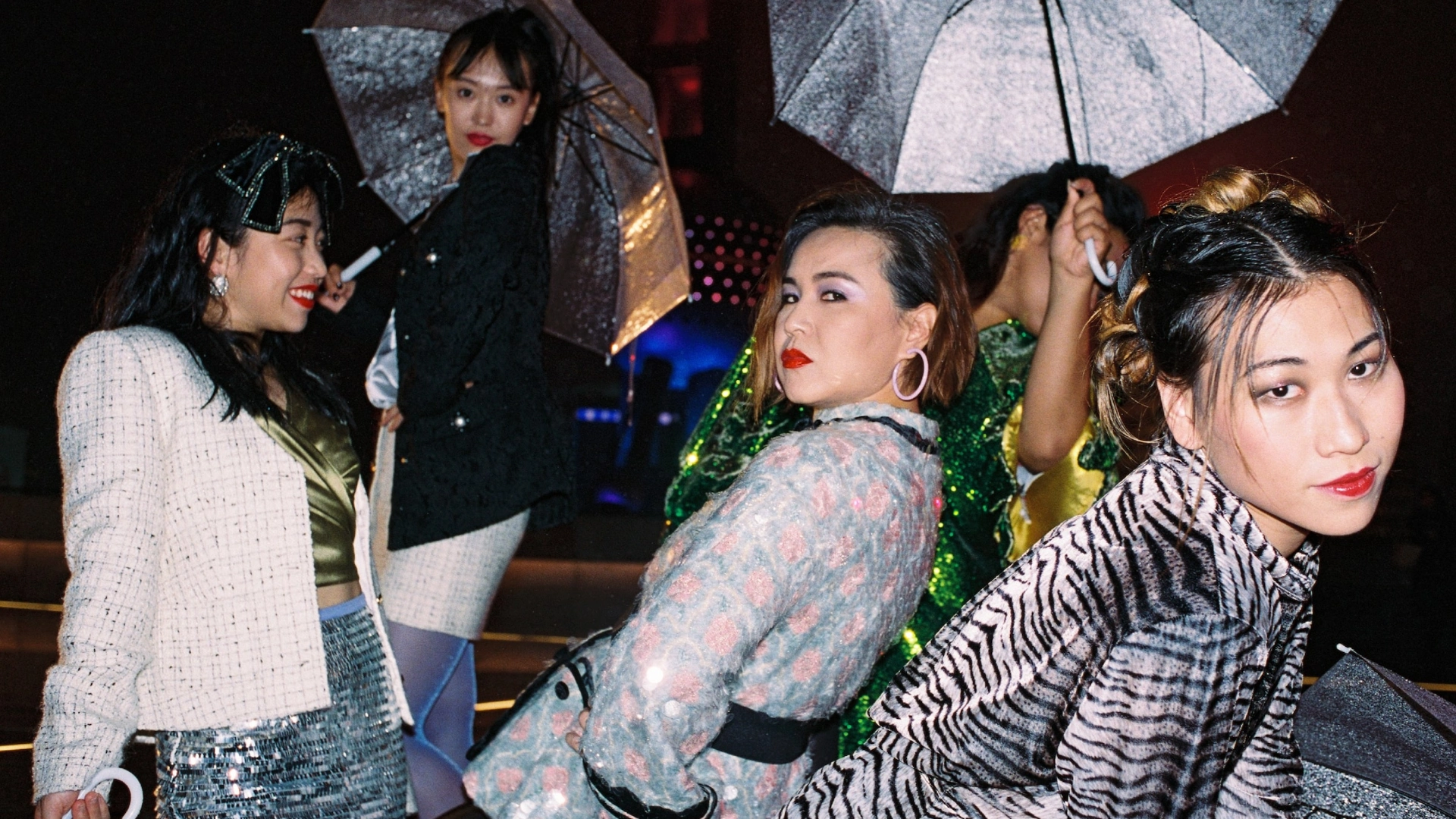
London’s 180 Studios is set to become the epicenter of the global art world this autumn with the unveiling of Paradigm Shift, a sweeping, ambitious exhibition that interrogates the history, present, and future of the moving image. Opening on October 15, 2025, the show transforms the subterranean, labyrinthine concrete spaces of 180 The Strand into a multi-sensory landscape, charting how artists have utilized evolving technologies to reshape human consciousness.
From the grainy, lo-fi aesthetics of 1970s experimental film to the high-definition, hyper-connected digital realities of the internet age, Paradigm Shift offers more than just a retrospective; it serves as a critical examination of how we see, perceive, and interact with the world through a screen.
The Core Narrative: A Century of Rebellion
At its heart, Paradigm Shift is a testament to the subversive power of the camera. The exhibition is curated by Mark Wadhwa and Jefferson Hack, the visionary co-founder and CEO of Dazed. Together, they have assembled an extraordinary roster of artists whose work has consistently challenged the status quo.
The exhibition features a prestigious lineup, including Sophia Al-Maria, Meriem Bennani, Dara Birnbaum, Foday Dumbuya, Cao Fei, Tremaine Emory, Nan Goldin, Arthur Jafa, Derek Jarman, Julianknxx, Andy Warhol, Josèfa Ntjam, Pipilotti Rist, Martine Syms, TELFAR, Ryan Trecartin, Gillian Wearing, and the seminal Mark Leckey.
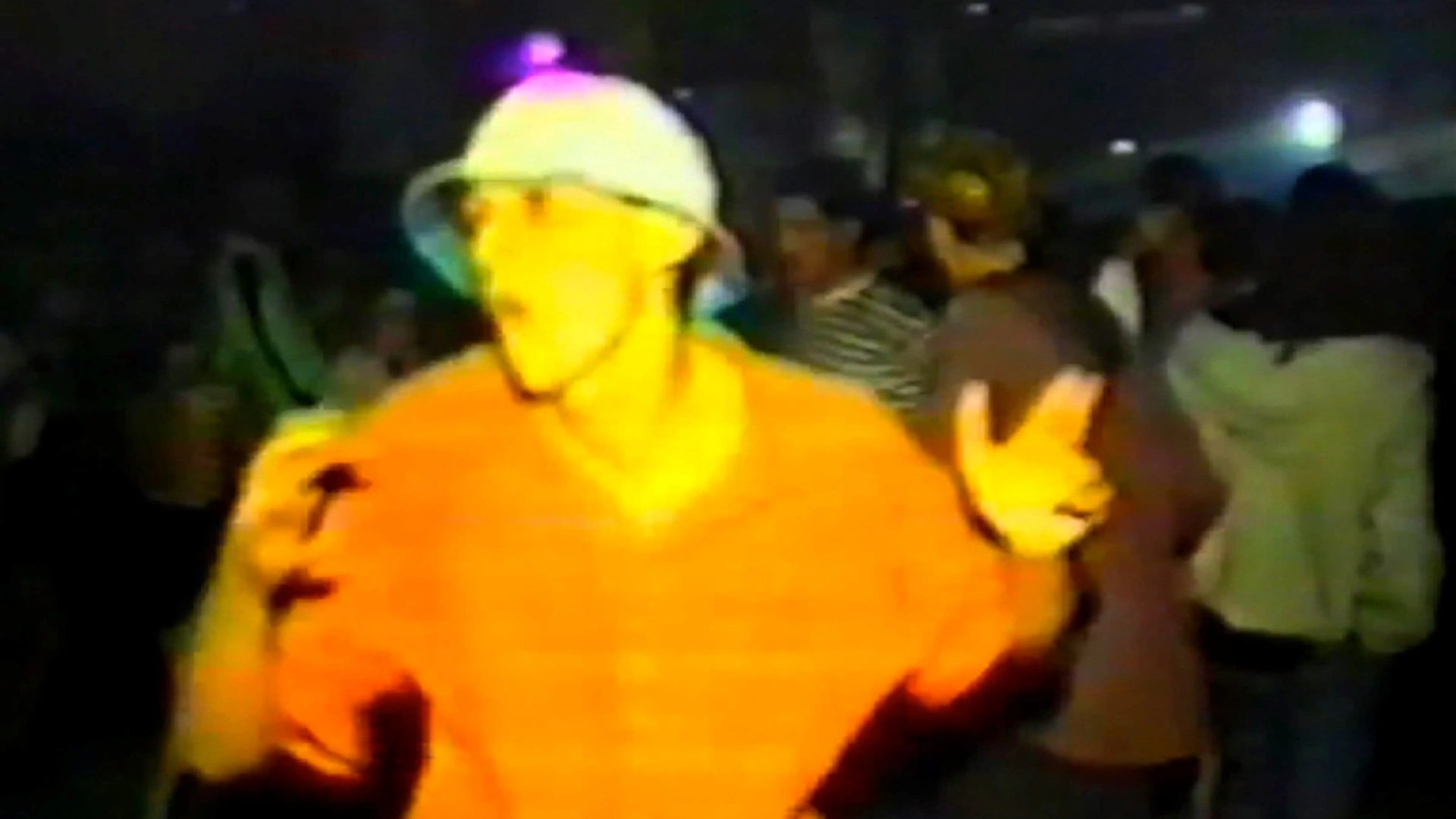
The inclusion of Mark Leckey’s 1999 masterpiece, Fiorucci Made Me Hardcore, acts as a foundational anchor for the show. A rhythmic, hypnotic montage of UK club culture, the work remains a vital touchstone for how moving image can capture the zeitgeist of a subculture. By placing historical icons like Warhol alongside contemporary innovators like Martine Syms and Ryan Trecartin, the curators draw a direct lineage between the early pioneers of video art and today’s digital natives.
A Chronology of Visual Revolution
To understand the significance of Paradigm Shift, one must view it as a timeline of technological democratization. The evolution of the moving image has always been tethered to the availability of tools.
The 1970s and 80s: The Analogue Uprising
The exhibition highlights the 1970s as a pivotal decade where the accessibility of Super 8 and early video equipment allowed artists to bypass traditional cinematic gatekeepers. This was an era of radical experimentation, where the personal became political. Warhol’s early forays into long-form, repetitive visual studies shattered the conventions of narrative, laying the groundwork for the avant-garde movements that followed.
The 1990s and 2000s: The Fragmentation of Media
The transition into the late 20th century saw the explosion of music videos, broadcast television, and the burgeoning internet. Artists like Mark Leckey and Gillian Wearing began to plunder the archives of pop culture, recontextualizing found footage to critique the influence of mass media. This period marks the birth of the "remix culture" that dominates our contemporary visual landscape.
The 2010s to Present: The Digital Hyper-Connectedness
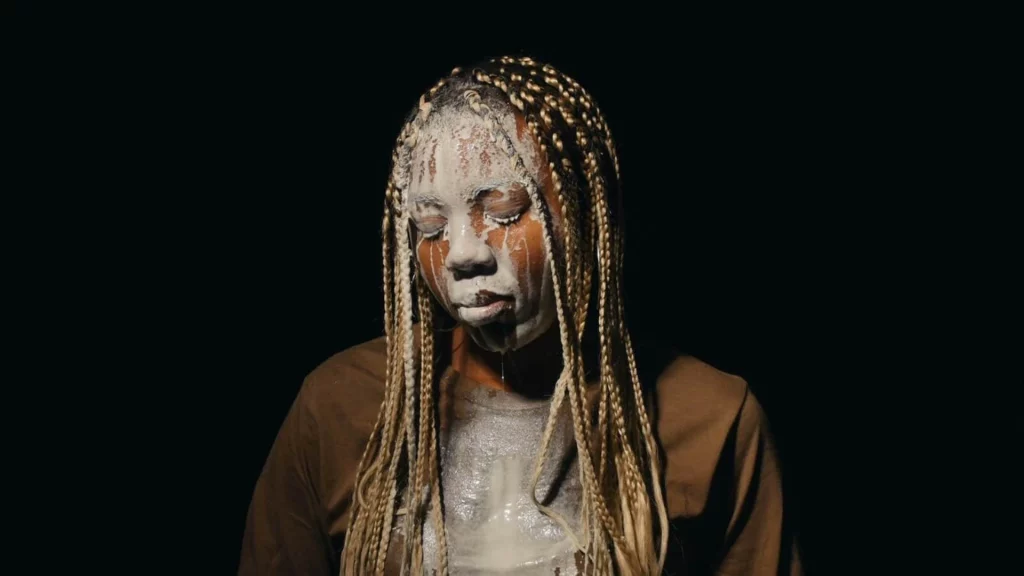
The contemporary section of the exhibition explores the "post-internet" condition. Works by artists such as Cao Fei and Ryan Trecartin utilize gaming aesthetics, virtual reality, and high-frequency editing to mirror the disjointed, immersive nature of modern life. These artists do not merely record reality; they construct new, often surreal, environments that reflect our current state of constant digital stimulation.
Supporting Data: The Convergence of Culture
Paradigm Shift is notable for its refusal to categorize art into "high" or "low" culture. By explicitly drawing from music videos, fashion, gaming, and internet culture, the exhibition acknowledges that the most potent visual storytelling often happens outside of the traditional gallery white cube.
- Interdisciplinary Scope: The exhibition bridges the gap between high-fashion entities like TELFAR and avant-garde filmmakers. This reflects a shift in the industry where branding, fashion, and cinema have become inextricably linked through digital distribution.
- Commissioned Works: Beyond its historical archives, the exhibition features several new commissions by 180 Studios. These works act as a bridge between the past and the future, utilizing cutting-edge, state-of-the-art display technologies provided in partnership with Ray-Ban Meta.
- The Subterranean Aesthetic: The location itself—the vast, industrial basement of 180 The Strand—is essential to the experience. The architecture forces a confrontation between the viewer and the screen, removing the domestic comfort of viewing media on a smartphone or television and replacing it with a monumental, immersive scale.
Official Perspectives: The Philosophy of the Screen
Jefferson Hack, who has been at the forefront of youth culture and media for decades, views this exhibition as a necessary intervention in an era of digital fatigue.
"From the Super 8 and VHS revolutions of the 1970s and 80s to the digital hyper-connectivity of our present moment, video art and moving image have always operated at a crossroads: high and low, visceral and conceptual, personal and political," Hack stated during the exhibition’s preview.
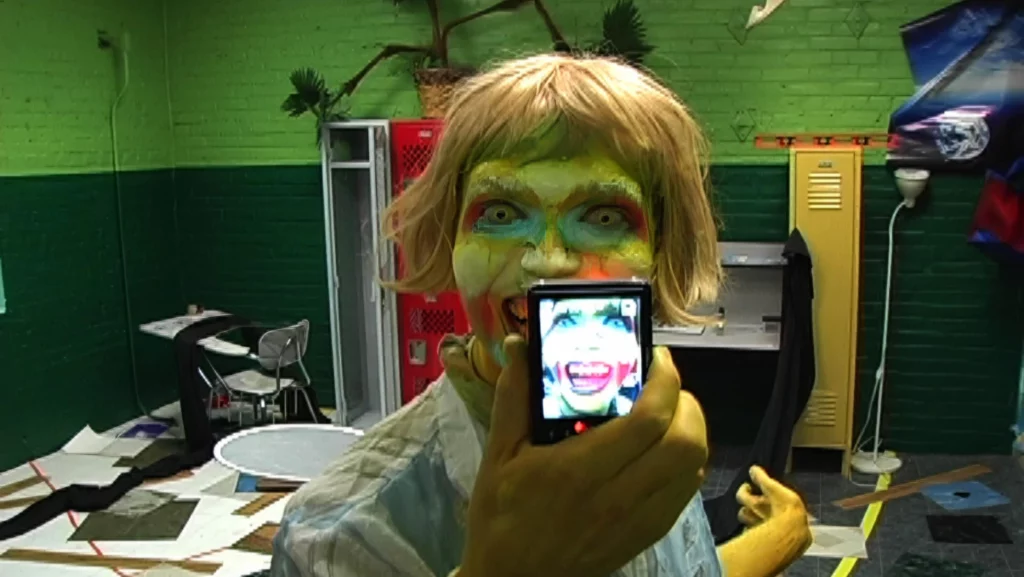
He posits that in a world dominated by endless scrolling, our ability to truly "see" is at risk. "In Paradigm Shift, we see how great artists inspire us to engage with storytelling through screens differently: for us to feel more, imagine more, and recover our senses."
This sentiment is echoed by the curatorial team, who argue that the "paradigm shift" referenced in the title is not a single event, but an ongoing process of rebellion. The artists represented here are those who looked at the dominant technologies of their day—whether a handheld camera or a generative AI algorithm—and found a way to use them to subvert, rather than serve, the status quo.
Implications: The Future of the Moving Image
The opening of Paradigm Shift at 180 Studios arrives at a critical junction in the history of media. As we navigate the proliferation of AI-generated content and the increasing dissolution of the boundary between the physical and the virtual, this exhibition provides the necessary historical context to understand our current trajectory.
The Democratization of the Lens
The central implication of the exhibition is the total democratization of the moving image. When the exhibition began its timeline in the 70s, video production was a specialized craft. Today, the tools of production are in every pocket. Paradigm Shift challenges the audience to consider: if everyone is a creator, what distinguishes art from mere content? The answer, the exhibition suggests, lies in intentionality, historical awareness, and the courage to rebel against the algorithms that define our feeds.
The Architectural Shift
Furthermore, the success of large-scale exhibitions like Paradigm Shift signals a shift in the role of the modern museum. The public is increasingly seeking experiences that cannot be replicated on a personal device. By transforming the physical space of 180 Studios into a curated, sensory environment, the organizers are redefining the "theatre" of the 21st century.
A Call to Action
As the exhibition prepares to run from October 15, 2025, through February 1, 2026, it invites the public to engage with the medium in a way that is active rather than passive. It is a space for debate, for critical reflection, and for the appreciation of the technical mastery required to capture the human condition in motion.
For those planning to attend, the experience at 180 The Strand is expected to be as intellectually rigorous as it is visually spectacular. Tickets are currently available through the 180 Studios website. As we stand on the precipice of new, unseen technological advancements, Paradigm Shift serves as the perfect guide to understanding where we have been—and perhaps, more importantly, where we are going.
Exhibition Details
- Paradigm Shift: New Dimensions in Moving Image
- Partnership: In partnership with Ray-Ban Meta
- Location: 180 Studios, 180 The Strand, London, WC2R 1EA
- Dates: 15 October 2025 – 1 February 2026
- Hours: 12pm–7pm, Wednesday – Sunday