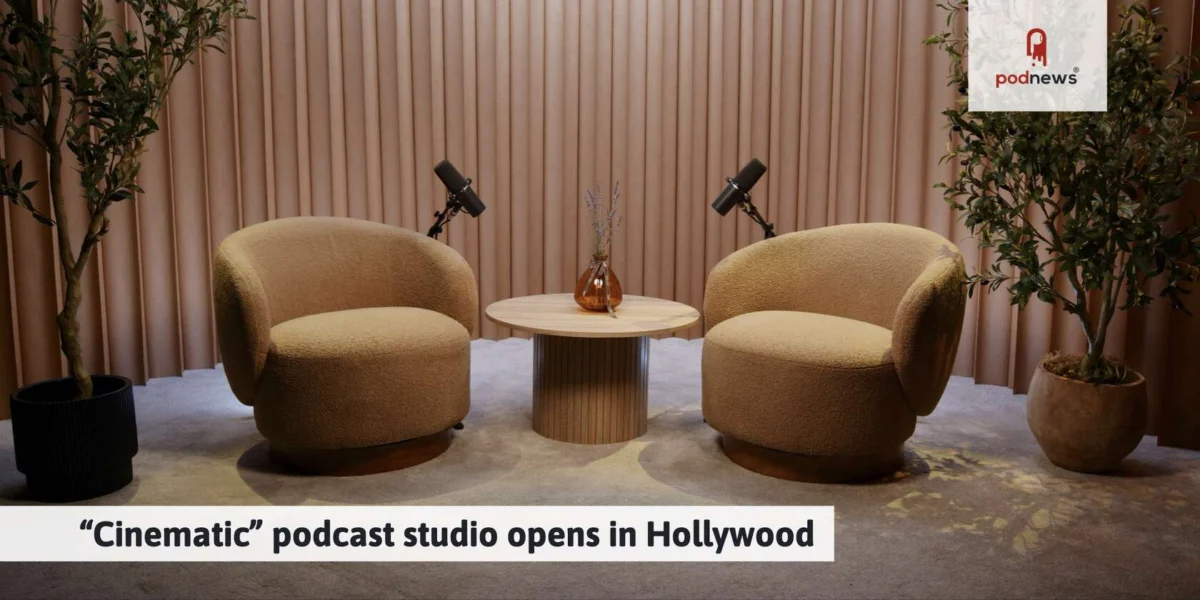
The landscape of professional audio production is undergoing a radical transformation. As the medium of podcasting matures from its scrappy, bedroom-recording roots into a multi-billion dollar entertainment juggernaut, the demand for high-fidelity, visually arresting production environments has reached a fever pitch. This week, the industry took a significant step forward with the grand opening of a state-of-the-art "cinematic" podcast studio in the heart of Hollywood—a development that signals a shift toward the "video-first" era of digital storytelling.
The Evolution of the Production Space
For years, the gold standard for podcasting was a quiet closet with a decent dynamic microphone and a pop filter. However, the rise of platforms like YouTube and TikTok has fundamentally altered audience expectations. Listeners are no longer just listening; they are watching. The new Hollywood studio aims to bridge the gap between traditional radio and high-end film production.

By incorporating cinematic lighting rigs, 4K multi-camera arrays, and sound-dampened sets that mimic high-production television talk shows, these facilities are designed to elevate the "vibe" of a podcast. This isn’t merely about aesthetics; it is about brand authority. For creators looking to compete in a saturated market, the visual polish of a cinematic studio acts as a significant differentiator, attracting premium sponsors and a more dedicated, visual-centric audience.
Chronology of Industry Shifts
To understand how we reached this point, one must look at the rapid acceleration of the podcasting medium over the past three years:

- 2024: The Video Pivot. Major platforms began aggressively integrating video feeds, forcing creators to reconsider their "studio" setups.
- Early 2025: The Rise of the "Live" Experience. As shows like We Don’t Have Time For This began selling out live tours across Australia, the industry realized that the "parasocial" bond between host and listener was stronger than ever. Creators needed spaces that could facilitate both recording and intimate live performances.
- Mid-2025: Professionalization of Infrastructure. Independent creators began pooling resources to rent high-end spaces, leading to a surge in demand for short-term, professional-grade studio rentals.
- September 2026: The Hollywood Standard. The opening of the new cinematic studio marks the first time that professional film-lot grade technology has been specifically engineered for the needs of the modern, independent podcaster.
The Content Landscape: A Snapshot of Current Trends
As the infrastructure improves, the quality and variety of content continue to expand. This week’s developments illustrate a diverse, vibrant ecosystem:
Philosophy for the Everyman
Philosophize This! continues to demystify complex ontological questions for a general audience. By breaking down the thinkers who forged the modern world in chronological order, the show avoids the gatekeeping often associated with academic philosophy. It remains a staple for those seeking intellectual stimulation without the barrier of graduate-level jargon.

Parenting and Community
We Don’t Have Time For This has officially signed with NOVA Podcasts. The show’s success—built on a foundation of raw, relatable parenting stories—has created a hyper-loyal community. According to Rachel Corbett, Network Director of NOVA Podcasts, the show’s success proves that listeners don’t just consume content; they want to be part of an ecosystem.
The Media Critique
A new entrant, Media Bubble, debuted this week. Hosted by industry veterans Irene Hulme, Ben Willee, and Peter Whitehead, the show promises to pull back the curtain on the Australian media landscape. By offering perspectives from different corners of the industry, the trio aims to decode what is truly happening behind the headlines.

Literature and Culture
Sara & Cariad’s Weirdos Book Club has returned for its sixth season, produced by Plosive. The show exemplifies the "niche-community" model of podcasting, where a specific shared interest—in this case, "weird" books—acts as a catalyst for a broader, star-studded conversation.
Investigative and Political Narratives
The landscape remains deeply political, as evidenced by Surviving Trump, which is now entering its third season. Host Bella Goode is tracking the 2026 midterms with a granular focus on the "Project 2025" threats to the electoral process. Similarly, Edible Empire has concluded its run, offering a deep, structural analysis of food imperialism and the hidden costs of global food systems.

Data-Driven Insights: Who is Winning?
Current performance metrics highlight the dichotomy between established giants and niche upstarts.
- The Giants: The Daily remains the anchor of the Apple Podcasts ecosystem in the United States, while The Joe Rogan Experience continues to dominate Spotify’s charts. Their dominance is fueled by massive legacy audiences and consistent daily output.
- The Rising Stars: Podcasts like Off Leash with Dr. Pete are showing massive growth in the "Pets & Animals" category, proving that hyper-specialized content is the most effective way to climb the charts in 2026.
- Global Trends: In the United Kingdom, We Need To Talk with Paul C. Brunson holds the top spot for "Society & Culture," reflecting a growing appetite for relationship and interpersonal advice-based media in the European market.
Implications for the Future
The opening of Hollywood’s latest studio is a microcosm of the industry’s larger trajectory. We are moving away from the "audio-only" era and into a period of "content convergence."

1. The Barrier to Entry is Rising
As studio quality increases, so does the pressure on creators to invest in their visual brand. While the democratization of podcasting remains a core value, the gap between "hobbyist" and "professional" is widening. Creators will increasingly rely on shared studio spaces to compete with the production values of established media companies.
2. The Live-Recording Hybrid
The success of shows like We Don’t Have Time For This suggests that the future of podcasting is hybrid. Studios must now be designed as "stages" rather than "booths." The ability to record a podcast while simultaneously hosting a small, live audience—or at least having the lighting and spatial layout to accommodate one—will become a key requirement for facility managers.

3. Data as the North Star
The reliance on granular data—tracking "Highest New Entry" or "Biggest Gain"—shows that creators are no longer operating in a vacuum. Every episode is a data point, and the most successful shows are those that iterate based on listener feedback and demographic shifts.
4. The Monetization of Community
The trend of signing successful independent shows to larger networks (like the NOVA deal) indicates that while creators can build massive, loyal audiences on their own, the path to sustainable, long-term monetization often requires the infrastructure, legal support, and sales teams that only a network can provide.

Conclusion
The podcasting industry in 2026 is no longer an experiment; it is the primary engine of modern digital entertainment. As new, cinematic-grade studios open their doors, they provide not just a place to record, but a symbol of the medium’s legitimacy. Whether through the philosophical musings of Philosophize This! or the urgent political reporting of Surviving Trump, the diversity of content being produced today is unprecedented.
As we look toward the remainder of the year and into 2027, the focus will undoubtedly remain on professionalization, the integration of video, and the deepening of the bond between creator and community. For those willing to invest in the craft—and the hardware—the potential for growth is limited only by the quality of the stories they choose to tell.