By Harry McKerrell
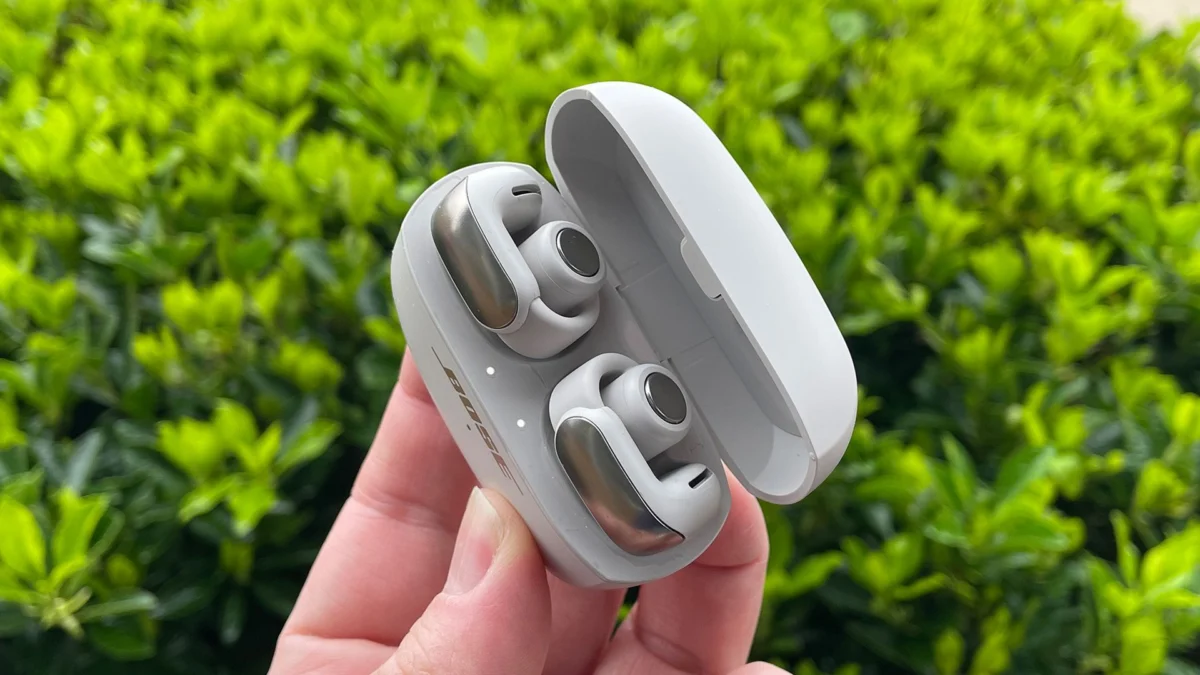
The portable audio landscape has undergone a seismic shift over the past few years, largely driven by a single form factor that once seemed like a niche experiment. When Bose launched the Ultra Open Earbuds in early 2024, they arrived with a hefty price tag and a divisive design. Yet, despite their imperfections, they proved to be some of the most influential wireless earbuds of their generation.
Now, Bose is preparing to release the sequel: the Bose Ultra Open Earbuds (2nd Gen). Promising to address the primary complaints leveled against the originals—most notably their steep pricing and sonic limitations—this second-generation release represents a pivotal moment for the open-ear market.
1. Main Facts: What We Know About the 2nd-Gen Launch
The primary headline surrounding the Bose Ultra Open Earbuds (2nd Gen) is a strategic repositioning by the audio giant. While the first-generation model launched at an intimidating £299 / $299 / AU$449, the incoming sequel is slated for a much more palatable entry point of £180 / $199 / AU$350.
Beyond the aggressive price correction, Bose has tackled the core hardware limitations of its predecessor. The company has officially teased targeted upgrades, including:
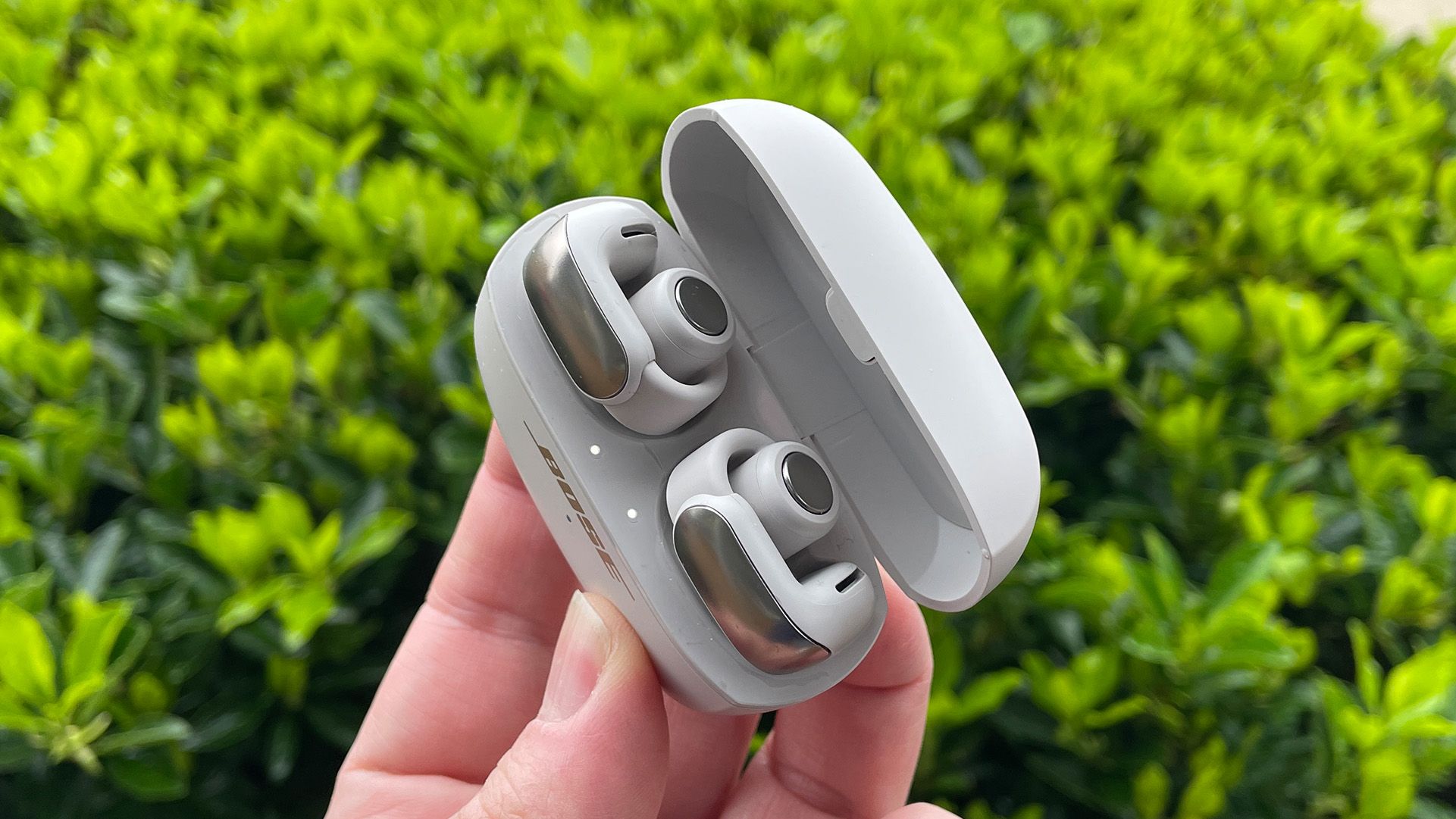
- Newly engineered acoustic drivers designed to push higher maximum volumes and combat the thinness of previous iterations.
- Deeper, richer bass response, directly targeting the hollow low-end frequencies that plagued the open-air architecture of the 2024 model.
- Enhanced call quality, utilizing improved microphone arrays and noise-filtering algorithms to handle windy or busy environments.
- Retained ergonomic "clip-on" design, ensuring the secure, pressure-free off-ear comfort that made the originals a favorite among runners and gymgoers.
2. Chronology: The Evolution of the Open-Ear Market
To understand the weight of the Bose Ultra Open Earbuds (2nd Gen), one must look back at how the open-wireless sector evolved from a novelty concept into a mainstream juggernaut.
- Pre-2024: Open-ear designs largely existed in the realm of bone-conduction headphones (such as early Shokz models) or basic, unsealed earbuds that leaked sound profusely and offered poor fidelity. They were viewed as secondary workout gear rather than primary everyday listening devices.
- Early 2024: Bose launches the original Ultra Open Earbuds. Eschewing the traditional silicone or foam tip that burrows into the ear canal, Bose introduces a cuff-like design that clips onto the side of the ear. This leaves the ear canal completely unobstructed.
- 2024–2025: Sensing a lucrative new category, major manufacturers—including Huawei, JBL, Sennheiser, and an influx of budget brands—rush to emulate the off-ear design. While many achieve varying degrees of success, none manage to match the build quality, cultural traction, or surprisingly satisfying sound profile of Bose’s trailblazers.
- Late 2025/2026 (Upcoming): Bose announces the Ultra Open Earbuds (2nd Gen), dropping the price barrier significantly while injecting necessary acoustic improvements.
3. Supporting Data & Comparative Analysis
The original Bose Ultra Open Earbuds were a triumph of comfort and environmental awareness, but consumer data and hands-on reviews exposed stark trade-offs.
The Ergonomic Advantage
For users who suffer from ear fatigue, pressure headaches, or skin irritation caused by the vacuum seal of traditional in-ear monitors (IEMS), the open-ear design was a revelation. Furthermore, for outdoor athletes—runners, cyclists, and urban commuters—traditional noise-canceling earbuds introduce a safety hazard by blocking out ambient environmental sound.
During typical testing regimens, runners wearing sealed ANC buds frequently miss critical audio cues, such as approaching vehicles or pedestrians. The open design inherently filters in natural street noise, dramatically reducing urban commuting risks.
The Sonic and Financial Trade-Offs
However, physics remains an unforgiving master. Without a sealed acoustic chamber inside the ear canal, lower frequencies naturally dissipate. Reviewers noted that the original Ultra Open Earbuds sounded a bit hollow in the bass department—akin to "a bucket being hit at the bottom of a well."
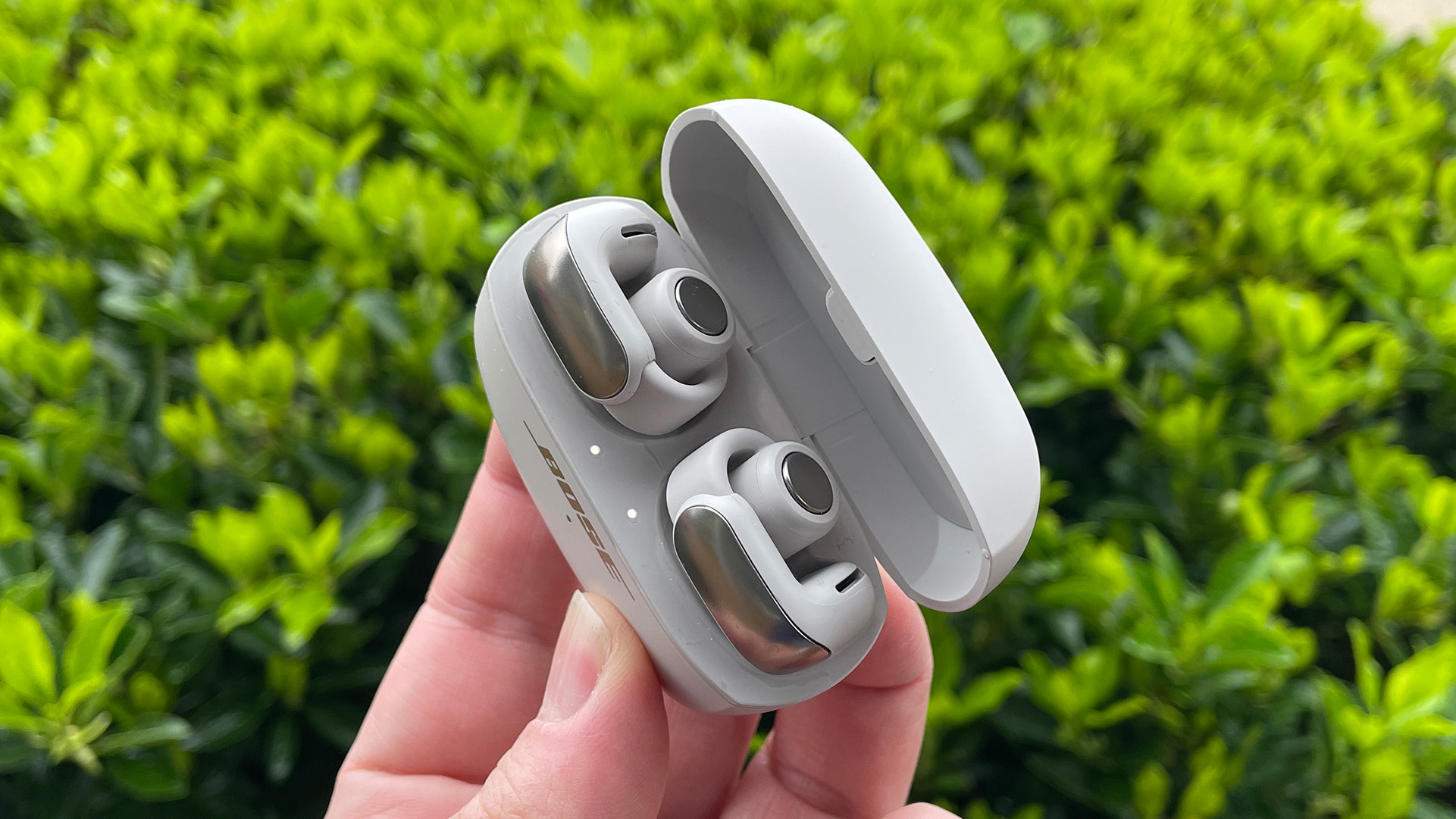
Compounding this sonic compromise was the pricing strategy. At launch, the first-gen Bose buds commanded £299 / $299 / AU$449. This positioned them directly against heavyweights boasting active noise cancellation (ANC) and reference-grade fidelity, such as:
- Bose QuietComfort Ultra Earbuds: £300 / $299 / AU$450
- Sony WF-1000XM5: £259 / $299 / AU$419
- Apple AirPods Pro 2: £249 / $249 / AU$399
Charging flagship prices for an unsealed product without ANC proved to be a difficult sell for casual buyers, making the incoming price drop to £180 / $199 / AU$350 a vital correction for market survival.
4. Official Responses and Industry Reactions
Bose’s engineering and product development teams have quietly monitored consumer feedback since the 2024 rollout. While early marketing material has historically leaned heavily on lifestyle and comfort, the official announcements surrounding the 2nd Gen indicate a listening ear in corporate headquarters.
Industry analysts have praised Bose for resisting the temptation to abandon the experiment. Many competing audio brands treated open earbuds as a passing fad or a cheap secondary tier. Bose, conversely, treated the form factor as a legitimate, premium category deserving of iteration and refinement.
Competitors have responded by diversifying their own lineups, but none have captured the specific balance of luxury styling and musicality that Bose achieved. By explicitly promising "deeper bass and higher volume" via redesigned drivers, Bose has signaled that it understands the technical criticisms leveled by audiophiles and reviewers alike.

5. Implications: What the 2nd Gen Means for the Audio Industry
The launch of the Bose Ultra Open Earbuds (2nd Gen) carries several broad implications for the broader personal audio ecosystem:
The Normalization of Hybrid Listening
As consumers grow increasingly fatigued by total acoustic isolation—whether due to workplace awareness, safety concerns during exercise, or physical discomfort—the demand for high-end open-ear devices is surging. By lowering the entry price to the $199 threshold, Bose is opening the door for mainstream adoption, transforming open-ear from a luxury niche into a legitimate alternative to traditional in-ears.
Pressure on Competitors
Rivals like Sony, Sennheiser, and Apple now face heightened pressure. While Apple dominates the traditional in-ear and over-ear spaces with the AirPods line, it has yet to field a credible, dedicated open-ear cuff design akin to Bose’s architecture. The success of the Bose 2nd Gen could force Cupertino and other audio giants to accelerate their own open-ear research and development pipelines.
The Quest for the "Holy Grail" of Open Audio
Can an open-earbud ever truly compete with a sealed in-ear monitor in terms of sonic clarity and deep sub-bass reproduction? Probably not entirely, due to the fundamental laws of acoustic physics. However, if Bose’s newly engineered drivers can successfully bridge the gap between spatial awareness and satisfying musical weight, the 2nd Gen might finally eliminate the compromise that held back its predecessor.
Ultimately, the Bose Ultra Open Earbuds (2nd Gen) represent more than just a routine hardware refresh. They stand as proof that competent innovation, when met with responsive pricing and targeted engineering fixes, can successfully carve out an entirely new pillar in modern consumer electronics. For sore ears and safety-conscious athletes alike, the future of sound has never looked—or sounded—more open.