
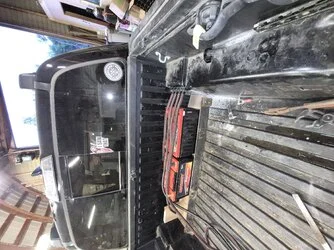
In the world of automotive aftermarket audio, the struggle between raw acoustic power and factory aesthetics is constant. For enthusiasts, the challenge is amplified when the vehicle in question is a modern truck, where interior space is at a premium and the electrical systems are tightly integrated. Recently, a project documented on the CarAudio.com community forums—dubbed "3rd Gen Tacoma Round 2"—has emerged as a masterclass in stealth engineering. The project, helmed by an enthusiast identified as Giles, outlines a comprehensive, high-output build that prioritizes retaining factory seating and a "stock-look" cabin, all while pushing the limits of the vehicle’s electrical and sound-staging capabilities.

The Objective: Balancing Power and OEM Integration
The project began with a simple realization: the owner’s existing setup—two Kicker L7T 12-inch subwoofers—no longer satisfied his requirements. Seeking an upgrade that would deliver more output while maintaining the structural integrity of the truck’s rear cabin, the owner embarked on a major overhaul.

The core constraint of the project is the mandate to keep the back seats fully functional and to hide all audio equipment from view. In a 3rd Gen Toyota Tacoma, which is notorious for having extremely limited under-seat and behind-seat clearance, this is an ambitious goal. To achieve this, the owner opted for a custom-fabricated amplifier rack designed specifically to fit the narrow confines under the rear bench. The design includes specialized octagon cutouts to accommodate four-inch cooling fans, ensuring the high-powered equipment remains within thermal operating limits despite being enclosed.

Chronology of the Build
Phase 1: Electrical Overhaul
The project’s first hurdle was not acoustic, but electrical. The initial testing of the new equipment resulted in melting power cables, a clear indication that the factory electrical system could not handle the increased amperage demand.

The owner addressed this by sourcing a massive 370-amp alternator—a unit originally designed for a Toyota Highlander—and retrofitting it into the Tacoma. This work was performed with the assistance of a Calgary-based specialist shop, "Lo Cost Electrical," which navigated the technical complexities of fitting a high-output unit into a different engine bay. This upgrade serves as the foundation for the entire build, providing the necessary current to sustain a high-wattage sound system without causing voltage drops that could damage the electronics.

Phase 2: Wiring and Battery Banks
Once the alternator was installed, the focus shifted to the distribution network. The owner spent the better part of a weekend installing high-gauge welding cable and OFC (oxygen-free copper) wiring to a secondary battery bank. This phase involved meticulous cable management and the installation of a custom rubber-coated wood tray for the battery and fuse block assembly, which was designed to sit securely under the truck’s rear seating.

Phase 3: The "Great Abyss" Incident
The project hit a temporary snag in early September 2026, when a 10-inch crescent wrench was dropped into the engine bay. The search for the tool lasted two hours and required the removal of the truck’s skid plates. The tool was eventually located in the fan housing near the radiator. This incident, while frustrating for the owner, served as a cautionary tale for the community, highlighting the risks of working in the cramped engine compartments of modern trucks. Community members weighed in with similar stories of "lost" tools, reinforcing the importance of thorough inspections after engine-bay work.

Phase 4: Cabin Disassembly and Signal Routing
By mid-September, the focus moved inside the cabin. The owner removed the center console and carpet to facilitate the installation of remote junction boxes and power wiring for the under-seat units. During this stage, the owner also replaced the factory-style crossover setup with a more advanced configuration: using a digital signal processor (DSP) to separate signals for the tweeters and components. This decision allows for finer control over the sound stage and prevents the signal degradation often associated with passive crossovers.

Supporting Data and Technical Specifications
The build is centered around a selection of high-performance components chosen for their power-to-size ratio. Key specifications include:

- Alternator: 370A High-Output unit (retrofitted from a Toyota Highlander).
- Subwoofer Configuration: Four B2 Audio Rampage 6.5-inch drivers, paired with passive radiators.
- Amplification: A focus on compact, high-wattage amplifiers (under 7 inches in width) to fit the custom rack space.
- Wiring: Heavy-duty welding cable and OFC wiring to support the massive current draw.
- Cooling: Dual 4-inch fan integration in the amplifier rack for thermal management.
The choice of B2 Audio 6.5-inch subwoofers with passive radiators is particularly notable. In a small-cabin truck, these drivers provide a punchy, accurate low end without requiring the massive, space-consuming enclosures that traditional 12-inch or 15-inch subwoofers demand.

Community Reception and Industry Implications
The project has garnered significant attention within the CarAudio.com community. Fellow enthusiasts have praised the attention to detail—specifically the clean installation of the cable glands and the meticulous termination of the battery banks.

One user, 1aespinoza, noted, "All that attention to detail is pleasing to watch; it relaxes the brain for some odd reason." This sentiment reflects a broader trend in the hobby: the move away from "show and shine" builds—which often prioritize visual flair over utility—toward "stealth" builds that demonstrate high-level craftsmanship and engineering ingenuity.

The project also serves as an informal case study for other Tacoma owners. By documenting the challenges of fitting a 370A alternator and the necessity of using high-gauge welding cables, the builder has provided a blueprint for others looking to bypass the limitations of factory electrical systems.

Implications for Future Automotive Audio Builds
The "3rd Gen Tacoma Round 2" project highlights three key trends in the modern aftermarket audio industry:

- The Rise of High-Output Small-Form Factor: As vehicles become more complex and interior space shrinks, manufacturers and installers are pivoting to smaller, more efficient drivers that can deliver the output of larger speakers through advanced excursion and passive radiator technology.
- Electrical System Prioritization: The days of simply adding an amplifier to a stock system are fading. Serious builds now require a holistic approach to power management, including aftermarket high-output alternators and robust battery banks, to support modern, high-efficiency equipment.
- DSP-Centric Sound Staging: The move away from passive crossovers toward active DSP-driven setups is becoming standard. This allows for superior sound quality and better integration with factory head units, which are increasingly difficult to replace due to their integration with vehicle infotainment systems.
Conclusion
As the project approaches its final stages—post-wiring and system tuning—the "3rd Gen Tacoma Round 2" stands as a testament to the dedication required for high-end automotive audio integration. By focusing on the "invisible" aspects of the build—the electrical grounding, the cooling, and the precise routing of signals—the owner has created a system that promises to outperform the factory audio by a significant margin without sacrificing the truck’s daily-driver utility.

For those watching the progress, the build serves as a reminder that the best modifications are often those that are heard, not seen. As the owner prepares to finish the install, the community waits to see how the combination of the 370A power plant and the B2 Audio setup performs in a real-world testing environment. For now, the build remains a benchmark for what is possible when precision engineering meets automotive passion.