By Lewis Empson
Senior Staff Writer
Main Facts: Haier’s High-Stakes Entry into Premium Home Entertainment
For decades, global consumers have known Haier as a titan of household appliances. Mention the brand, and most people immediately picture sleek, glossy fridge-freezers, high-efficiency washing machines, or reliable dishwashers. Beyond domestic kitchens, the sprawling Chinese multinational has quietly built a massive industrial footprint, manufacturing everything from sophisticated medical refrigeration equipment and advanced gaming peripherals to heavy-duty industrial robotics.
Yet, the consumer electronics landscape is littered with the ghosts of brands that tried—and failed—to capture the living room. Now, Haier is making its most ambitious consumer play yet: breaking into the intensely competitive, cutthroat television markets of the United Kingdom and continental Europe.
Having recently introduced its inaugural QLED television lineup to British shores, Haier is not content to quietly blend into the background. While major Chinese tech giants like TCL and Hisense have spent years establishing a dominant presence in the budget and mid-range display sectors, Haier is deliberately charting a different course. Rather than fighting a race-to-the-bottom pricing war, the appliance giant is positioning itself for a long-term play in the premium segment. By leveraging cutting-edge panel technologies—including prospective OLED and advanced RGB Mini LED displays—alongside high-end British acoustic engineering from KEF, Haier is setting its sights high, aiming directly at the revered territory currently occupied by South Korean heavyweights Samsung and LG.
Chronology: From Kitchen Appliances to the Berlin Show Floor
The journey toward Haier’s European TV offensive has been deliberate, marked by calculated steps rather than a sudden, reckless rush into retail spaces.
- The Foundation Years: While building a stellar global reputation for white goods and industrial technology, Haier’s leadership closely monitored the shifting dynamics of home entertainment. As streaming services exploded and display technology matured, the company recognized that the living room remained the ultimate anchor for smart-home ecosystems.
- Early 2026 (The UK QLED Launch): Haier officially fired the opening salvo of its modern TV strategy by launching its first dedicated range of QLED televisions into the United Kingdom. Positioned as an accessible entry point, these models served as a vital testing ground to gauge consumer response, retail partnerships, and supply chain logistics.
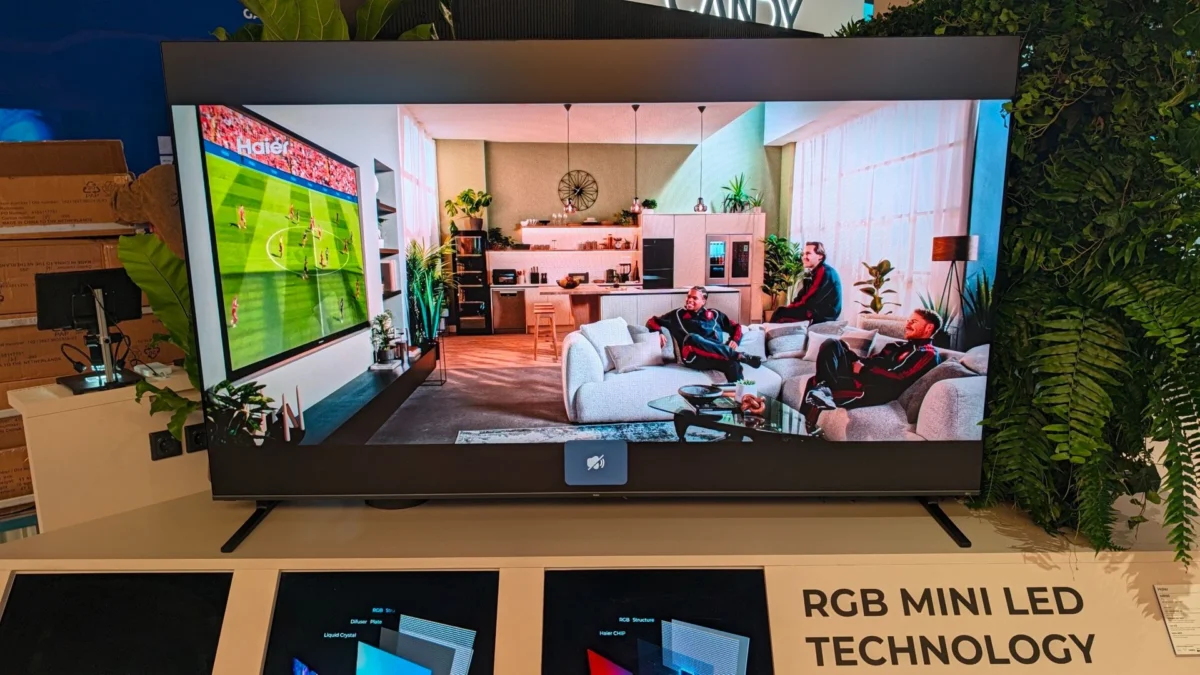
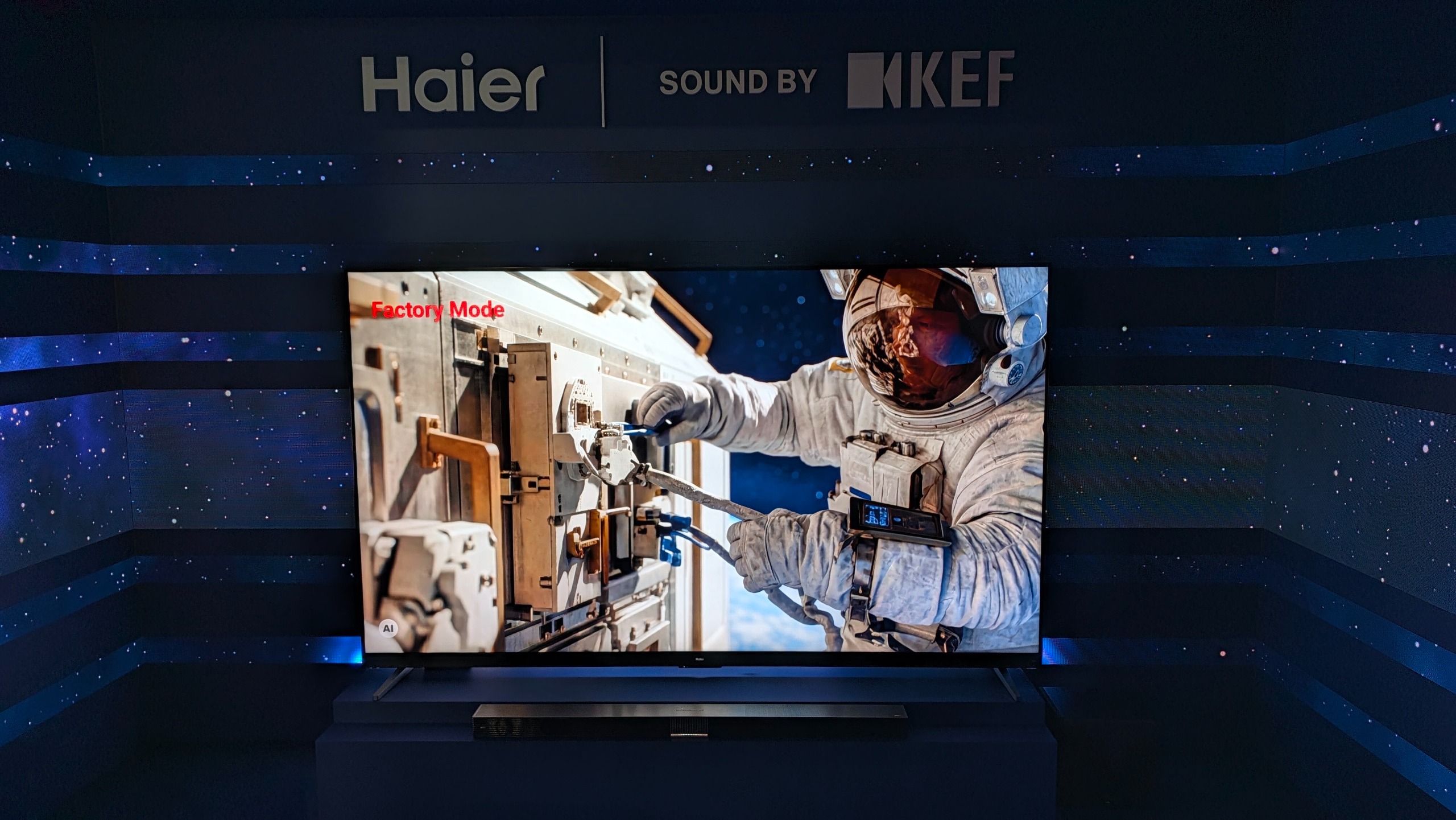
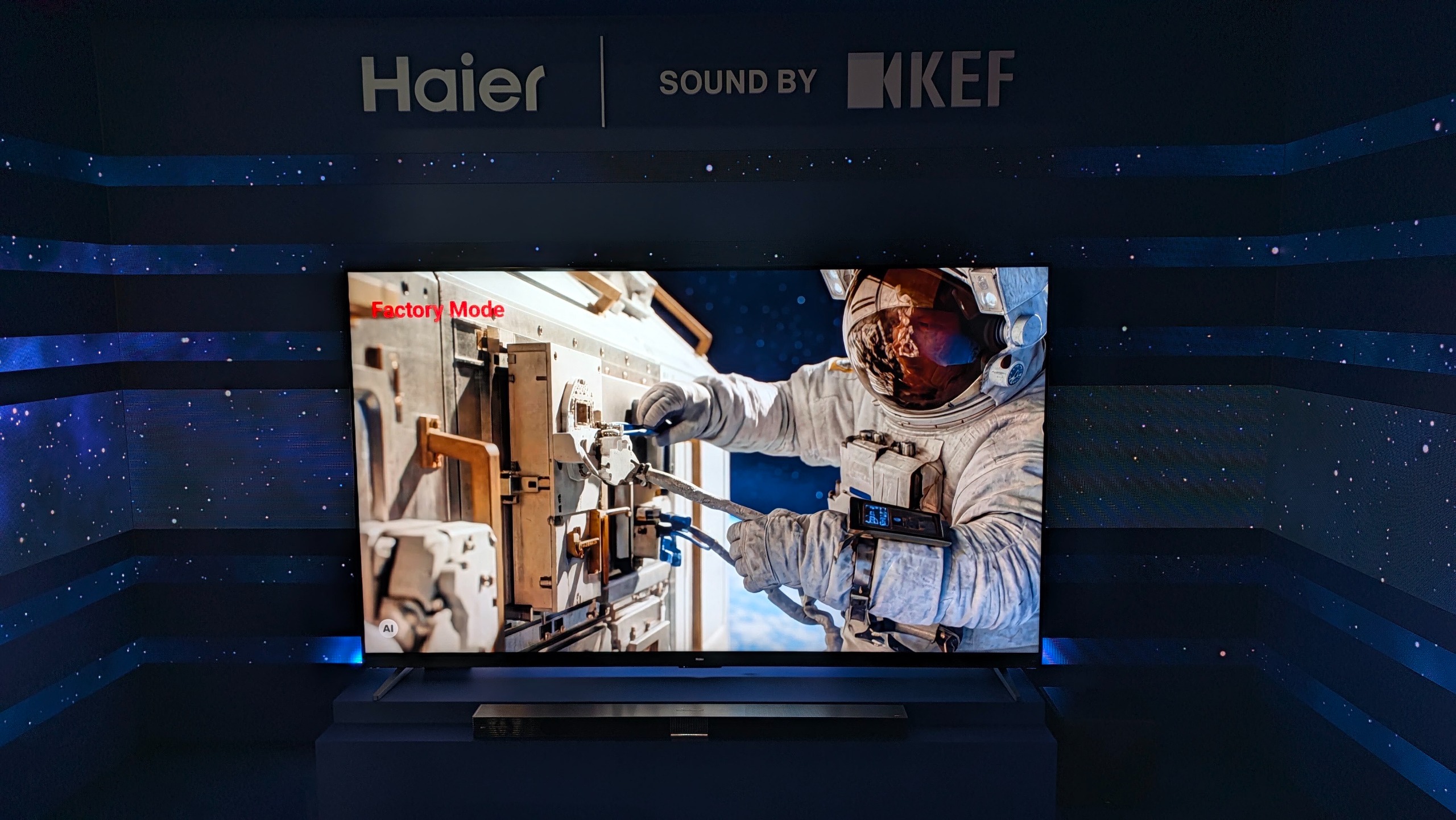
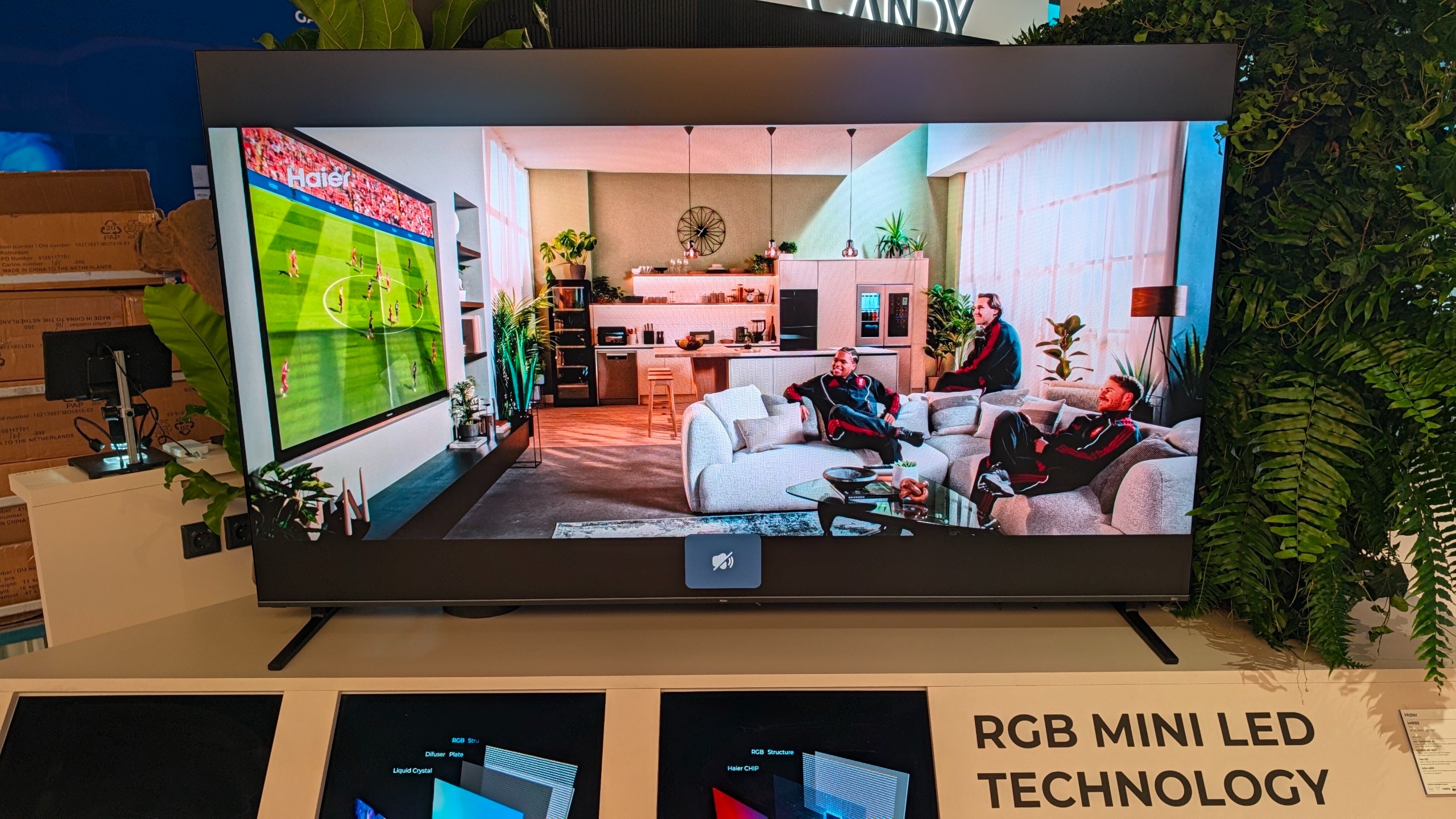
- IFA 2026 (Berlin, Germany): The strategy truly crystallized at the IFA consumer electronics trade show in Berlin. Inside Haier’s massive, sprawling stand at the Berlin Messe, the brand pulled back the curtain on its broader ambitions. It was here that industry insiders and media got their first glimpse of next-generation hardware, including prototype RGB Mini LED displays and dedicated sound rooms highlighting the company’s newfound audio partnerships.
Supporting Data and Strategic Partnerships
Entering a saturated market dominated by entrenched regional players requires more than just a recognizable corporate logo. To secure a foothold, Haier has constructed a multifaceted strategy anchored by hardware innovation, software integration, and high-profile marketing.
1. Premium Audio Integration with KEF
To win over discerning audio-visual (AV) enthusiasts, Haier has partnered with legendary British hi-fi manufacturer KEF. Select new television models feature built-in acoustic systems tuned by KEF engineers. At IFA 2026, Haier hosted dedicated sound-room experiences to demonstrate the sonic capabilities of these integrated TV and soundbar setups.
However, Haier is well aware that it faces steep competition in the realm of branded audio partnerships. The consumer electronics market already features several high-profile audio alliances:
- Hisense partners with Devialet.
- TCL equips select TVs with Bang & Olufsen sound systems.
- Philips maintains a long-standing collaboration with Bowers & Wilkins.
- Panasonic consistently leverages its Technics division for premium audio performance.
By aligning with KEF, Haier ensures it can compete sonically, but the company knows hardware tuning alone will not win the war.
2. Software and Accessibility Upgrades
Understanding that hardware is only half the battle, Haier has integrated Amazon’s robust Fire TV platform into its modern television lineup. This partnership brings streamlined user navigation, a vast app ecosystem, and advanced accessibility features—including specialized visual and audio enhancement modes designed to assist users with varying sensory needs. Furthermore, the company has upgraded its internal chipsets to deliver smoother frame rates and lower input latencies, specifically targeting the lucrative modern gaming demographic.
3. High-Profile Sports Marketing
To fast-track brand recognition across the UK and Europe, Haier has secured a major sports marketing partnership with the UEFA Champions League. By plastering its name across Europe’s most-watched club football tournament, the company aims to bypass years of traditional brand-building, ensuring immediate household visibility.
Official Responses: Inside the Mind of Haier’s Leadership
To understand the philosophy driving this multi-million-dollar expansion, one must look to the company’s internal leadership. At IFA 2026, Steve Macdonald, Haier’s TV Business Director, sat down to discuss the brand’s roadmap, aspirations, and the realities of challenging the market leaders.
When asked whether Haier intends to follow in the footsteps of fellow Chinese brands like TCL and Hisense, Macdonald offered a surprisingly candid assessment:
"I think the mindset we have is that what we would like to be is a more premium brand—and that will take time—but more akin to what the Korean brands are doing than some of the other brands… We are not looking to become the new TCL or Hisense."
Macdonald readily acknowledged the sheer audacity of this goal, conceding that positioning the brand alongside giants like Samsung and LG is a monumental challenge.
"It’s a big aspiration, and we have to have an edge, otherwise we’re not going to survive in that area," Macdonald noted.
Crucially, Macdonald emphasized that Haier is adopting an agile, highly adaptable approach rather than barreling into the market with guns blazing.
"Every couple of months, we have to reset what we’re doing and understand, and it’s not going to be an easy journey."
Regarding panel technology, Macdonald confirmed that the current affordable QLED range is merely the opening chapter. Advanced Mini LED arrays are already progressing through development, and—significantly—OLED technology remains firmly on the table. This willingness to explore OLED sets Haier apart from competitors like TCL and Hisense, both of which have historically steered clear of incorporating OLED panels into their primary global lineups.
Implications: Can Haier Disrupt the Status Quo?
Haier’s entry into the UK and European television market carries profound implications for both consumers and industry competitors.
For the Consumer
Choice is ultimate king in the modern TV landscape. For years, buyers looking for high-end picture quality paired with sophisticated design had little choice outside of the traditional Japanese and South Korean ecosystems. If Haier successfully delivers OLED and advanced Mini LED panels paired with genuine KEF-engineered audio—all while maintaining competitive pricing—consumers will gain access to high-end home cinema performance without paying the steep "tax" associated with legacy luxury brands. Furthermore, targeted accessibility enhancements and improved gaming chipsets ensure these displays will cater to modern, multi-use households.
For Retailers
Haier’s go-to-market strategy requires a delicate retail balancing act. Macdonald and his team understand that high street and specialist home cinema retailers—such as Richer Sounds in the UK—cannot be approached with a one-size-fits-all sales pitch. By leveraging the prestige of the KEF partnership, Haier has a specialized tool to capture the attention of audiophile-focused storefronts, while deploying more conventional volume-driven strategies for mass-market electrical chains.
For Competitors
Samsung, LG, TCL, and Hisense would be wise to monitor Haier’s trajectory closely. While Samsung and LG command immense brand loyalty in the premium tier, they face mounting pressure from aggressive manufacturing powerhouses. Simultaneously, by explicitly rejecting the "budget" label and targeting the mid-to-high-end tier, Haier is throwing down a direct challenge to TCL and Hisense, threatening to peel away consumers who want Chinese manufacturing value paired with high-end acoustic and visual refinement.
Conclusion: A Measured Climb to the Summit
Haier is undeniably stepping into the British and European television markets during a period of profound economic turbulence and fierce corporate rivalry. The hurdles are immense: building brand trust in a sector historically dominated by entrenched electronics giants takes years, if not decades.
Yet, by pairing a flexible technological roadmap—keeping the door open for both RGB Mini LED and OLED panels—with world-class audio partnerships like KEF, Haier is writing a playbook for how a non-traditional tech giant can successfully pivot into home entertainment. It will not be an easy journey, and leadership knows it. But with high ambitions, a willingness to constantly recalibrate, and deep corporate pockets, Haier just might be the dark horse that fundamentally reshapes the future of the European living room.