Introduction: A High-Stakes Legal Detour
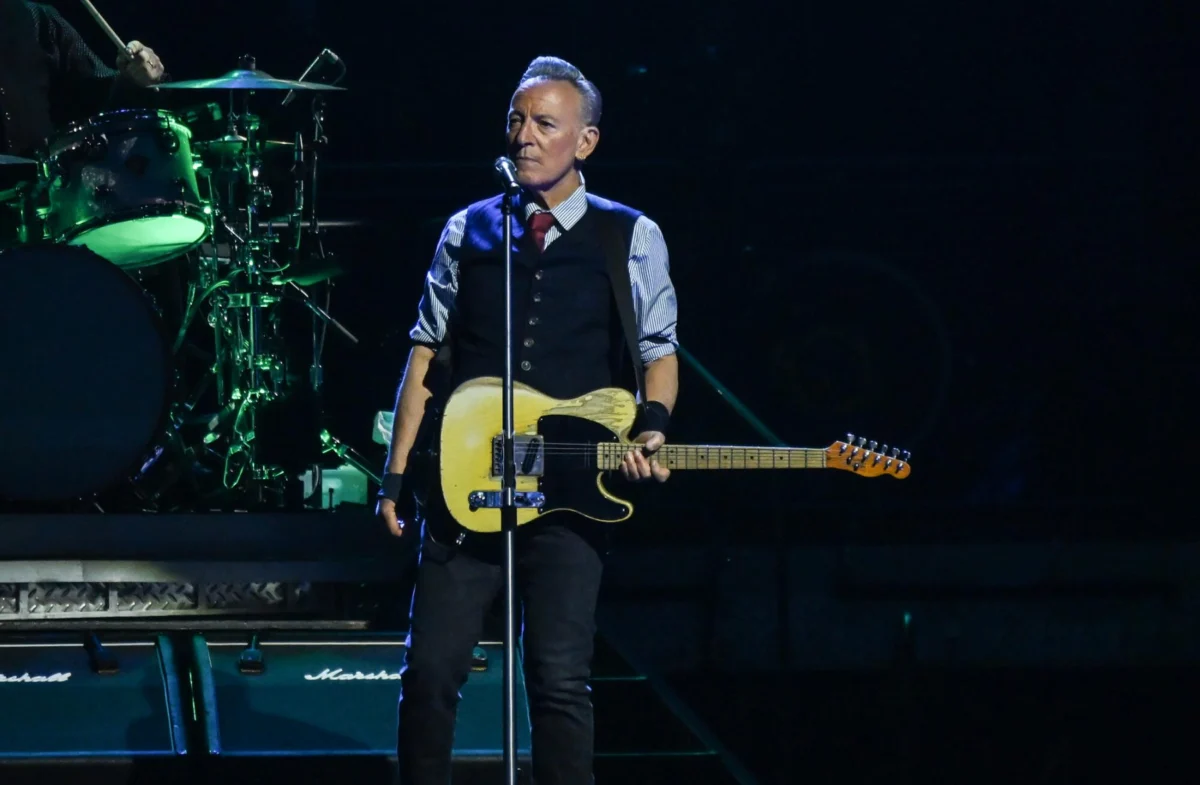
In a definitive ruling that brings a years-long legal saga to a close, a New Jersey appellate court has upheld the dismissal of a lawsuit filed against rock legend Bruce Springsteen. The litigation, which centered on the iconic imagery featured on the cover of Springsteen’s 2022 soul-cover album, Only the Strong Survive, pitted the estate of a late New Jersey car enthusiast against one of the most recognizable figures in American music history.
The New Jersey Superior Court Appellate Division’s decision, issued Tuesday, September 15, marks the second time the judiciary has rejected claims that Springsteen, his management team, and his label, Sony Music, failed to compensate the family of the late Louis Billotti for the use of his vintage 1967 Pontiac GTO. The court’s decision reinforces the necessity of concrete evidence in contract law, effectively silencing a dispute that hinged on oral promises and anecdotal hearsay.
The Chronology of a Dispute
The origins of the case date back to 2021, a period during which Springsteen was preparing for the release of his collection of R&B and soul covers. Seeking an aesthetic that captured the essence of American nostalgia, the production team identified a classic 1967 Pontiac GTO belonging to Louis Billotti, a New Jersey resident known among local collectors for his passion for vintage automobiles.
In the summer of 2021, an agreement was reached. Billotti was paid $1,200 for the use of his vehicle and for his time during two separate photoshoots held at Springsteen’s private residence in New Jersey. At the time, the arrangement was viewed by both parties as a professional, straightforward commercial transaction.
The trouble began in the months following the shoot, as Billotti passed away shortly before the album’s eventual release in November 2022. Only the Strong Survive debuted at No. 8 on the Billboard 200, cementing its place as a commercial success. Following the album’s rollout, Billotti’s son initiated legal action in 2023. The plaintiff alleged that his father had been promised additional, unspecified "bonus" payments by Springsteen should the GTO photos appear on an official album cover. According to the lawsuit, this oral agreement formed the basis for a breach of contract claim against the singer, his longtime manager Jon Landau, and Sony Music’s Columbia Records imprint.
Supporting Data and Evidence: The "Double Hearsay" Barrier
The case faced significant hurdles from its inception, primarily due to the nature of the evidence provided by the plaintiff. In the legal system, claims of oral contracts—particularly those involving deceased parties—require a substantial burden of proof to be deemed admissible.
The New Jersey Superior Court Appellate Division found that the plaintiff’s case relied almost entirely on "double hearsay"—statements allegedly made by the deceased Louis Billotti to his son, which the son then repeated in court. Because the original party (Louis Billotti) was no longer available to testify or be cross-examined regarding the existence of such a secondary agreement, the court found the testimony legally insufficient.
Furthermore, the defense presented compelling evidence to the contrary. During the initial trial court proceedings, testimonies from individuals close to the late Mr. Billotti painted a different picture. A longtime friend of the decedent submitted a sworn affidavit testifying that Billotti had been thrilled by the experience of working with Springsteen. The affidavit stated that Billotti "was a simple guy and just really enjoyed the experience he had with Bruce Springsteen and was looking forward to seeing his car on his album cover."
The appeals panel noted that these testimonials from third parties who were privy to Billotti’s mindset at the time directly contradicted the allegations of a pending financial dispute. The court concluded that these statements "cast considerable doubt upon the probative value of plaintiff’s contentions."
Official Responses and Judicial Reasoning
The ruling, delivered by the New Jersey Superior Court Appellate Division, was scathing regarding the viability of the plaintiff’s claims. The panel wrote: "Given the circumstances and the paucity of plaintiff’s evidence, the trial court had a sound basis to grant summary judgment."

The court further emphasized the legal untenability of the claim, stating, "Whatever aspirations decedent may have had to be paid more money than the agreed-upon sums, the alleged promises were insufficiently evidenced and legally untenable." By affirming the summary judgment, the court essentially signaled that the plaintiff failed to provide any document, email, text message, or witness that could corroborate the existence of an oral contract for additional royalties or bonuses.
In the wake of the ruling, the legal representatives for the plaintiff have maintained a low profile, declining to provide comments to the press regarding the finality of the decision. Similarly, representatives for Bruce Springsteen and Sony Music have not offered public statements, a standard practice for the artist’s team when dealing with litigious matters that have been resolved in their favor.
Implications for Artists and Collaborators
The resolution of this case serves as a vital case study for the music and entertainment industry regarding the importance of "papering the deal." In the world of high-profile music production, where album art and promotional materials often involve third-party property, the risks of informal arrangements are significant.
1. The Necessity of Written Agreements
For artists like Springsteen, who often source authentic, local elements for their imagery, the court’s ruling underscores that even the most casual, friendly professional relationships must be formalized in writing. Had there been an addendum to the initial $1,200 contract outlining potential future royalties, the litigation might have been avoided entirely, or at least settled through arbitration.
2. Protecting Estates and Heirs
The case also highlights the difficulties faced by estates when attempting to enforce the "unspoken wishes" of a deceased relative. Without a clear trail of evidence, heirs often find themselves in uphill battles that, if pursued without merit, can lead to the exhaustion of estate resources on legal fees.
3. The "Bruce Springsteen" Factor
The involvement of a figure as prominent as Bruce Springsteen inevitably attracts intense scrutiny. In this instance, the judicial system protected the artist from what it deemed a frivolous claim based on hearsay. However, it also serves as a reminder to management teams that even minor participants in an artistic project—such as a car owner—should be treated with a level of documentation that protects all parties from potential future disputes.
Conclusion: Closing the Chapter
As of mid-September 2026, the legal clouds surrounding Only the Strong Survive have finally dissipated. The album, which celebrated the roots of American soul music, will no longer be associated with the acrimony of a dispute over its cover art.
The ruling reinforces the principle that courts are not designed to adjudicate based on rumors or second-hand accounts of past conversations. For the estate of Louis Billotti, the matter ends with the original payment standing as the sole consideration for the use of the 1967 Pontiac GTO. For Springsteen, the decision allows the focus to return exclusively to the music, as he continues his current tour and remains a stalwart of the American musical landscape.
The legal system’s insistence on verifiable evidence has once again proven to be the final arbiter, ensuring that the legacy of an album is defined by its sound and its art, rather than by the shadows of a meritless legal claim. As the industry moves forward, this case will likely be cited as a reminder that when it comes to the business of rock and roll, everything—no matter how small—should be in writing.