
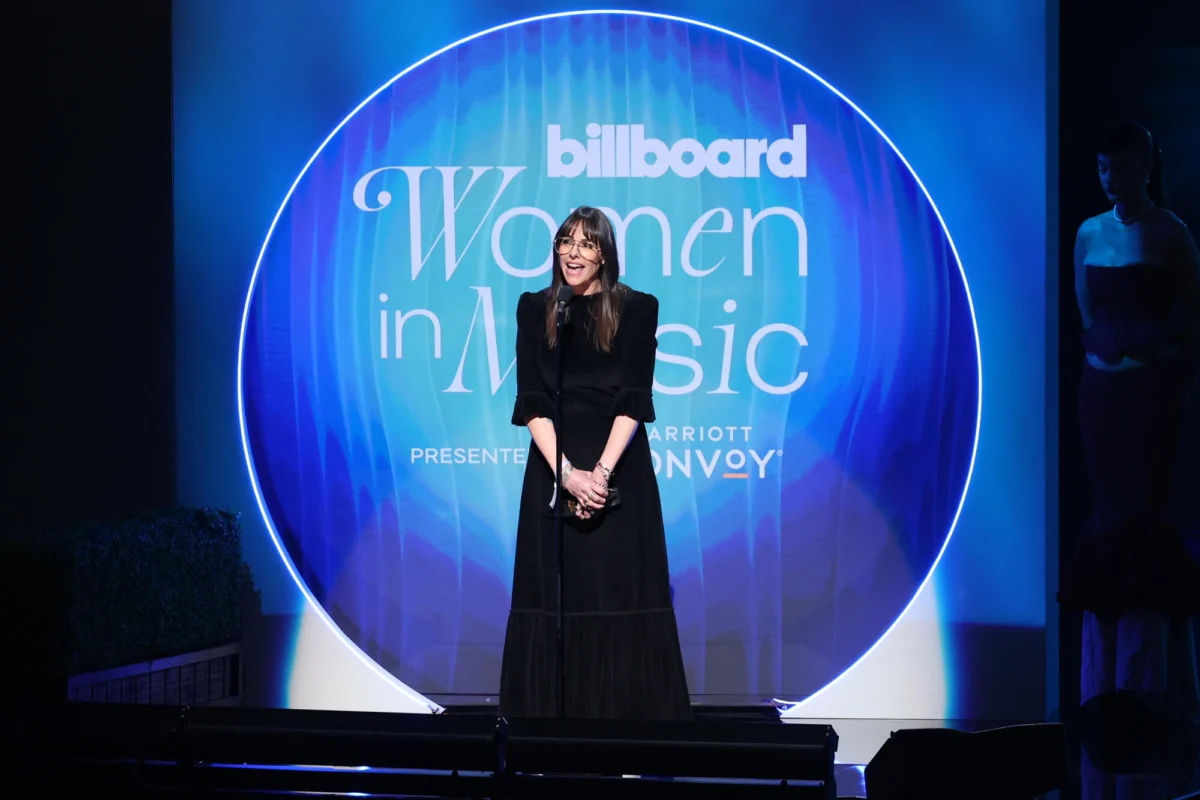
In the rapidly evolving landscape of the global music industry, few figures possess a perspective as multifaceted as Michelle Jubelirer. From her foundational years as a sharp-witted artist lawyer to her tenure as the first female CEO of Capitol Music Group, and now as the co-founder of the management and media collective Soft Shock, Jubelirer has spent her career navigating the tension between creative integrity and corporate machinery.
During a candid, high-energy session at the third annual Trapital Summit in Los Angeles this past September, Jubelirer sat down with Tatiana Cirisano, VP of Music Strategy for MIDiA Research. The resulting conversation provided a searing critique of the modern music business, a blueprint for a more compassionate future, and a sobering reality check on the current state of equity in the executive suite.
The Philosophical Core: A Call for Compassion
The "What the Industry Needs Next" session opened with a blunt, no-holds-barred assessment of the status quo. When asked about the most urgent requirement for the industry’s evolution, Jubelirer did not mince words.
“The industry needs more compassion, more focus on talent and less ego-benevolent bastards,” she remarked, drawing immediate applause from the audience. This ethos underpins the formation of Soft Shock, a collective she launched alongside former Capitol colleague Arjun Pulijal. Backed by a strategic investment from Sherrese Clarke’s HarbourView Equity Partners, the venture represents a departure from the "behemoth" structure of traditional labels.
Soft Shock operates under a "talent is talent" philosophy, extending its reach far beyond the recording studio. By managing comedians, culinary experts, and athletes, Jubelirer is signaling that the modern "artist" is a fluid, multifaceted brand—a reality that traditional, siloed major label structures often struggle to accommodate.
Chronology of a Career: From Legal Counsel to Collective Architect
Jubelirer’s career arc is a study in the shifting tides of the music business. Her early days as an artist lawyer provided her with a "boots-on-the-ground" view of the deep-seated distrust artists felt toward the major label system.
Her ascent to the CEO chair at Capitol Music Group was historic, marking a significant milestone for female leadership in an industry notoriously dominated by white men. However, her time in that role was defined by a constant balancing act: trying to advocate for the artists she championed while operating within the rigid, often joyless, framework of a publicly traded company focused on shareholder value.
Transitioning into the post-Capitol era, Jubelirer has pivoted toward the management space. Soft Shock is not merely a pivot; it is a calculated effort to create an ecosystem that supports the artist first, prioritizing long-term development over the quarterly earnings report.
Supporting Data and Industry Realities
During the summit, Jubelirer touched upon several structural challenges that continue to plague the music industry. The conversation highlighted three primary themes:
1. The Myth of the "Behemoth"
While critics often paint major labels as monolithic, soul-crushing corporations, Jubelirer offered a more nuanced view. "I had low expectations of the teams at major labels," she confessed. "But the reality is, I was blown away by the people there. They are incredibly passionate, hard workers. A major label sounds like an awful behemoth. But really, it’s a collection of passionate people." Her argument suggests that the failure of major labels is rarely a lack of passion among staff, but rather the misalignment of incentives between creative development and shareholder demands.

2. The Data vs. Intuition Tug-of-War
In an era obsessed with algorithmic predictions and streaming analytics, Jubelirer remains a steadfast proponent of the "goosebump" test. Recalling her work with artists like Tyler, the Creator and Doechii, she emphasized that true innovation occurs in the absence of data. "I’m the kind of person that if I walk into a room with an artist and I get goosebumps, then I know in my heart that is somebody who’s going to go on to be something incredibly special," she noted. She warned against using data as a default, arguing that it is a crutch for those who lack the confidence to bet on talent before it has been proven by an algorithm.
3. The Five-Year Development Horizon
Jubelirer was particularly critical of the current state of artist development. She pointed out that musicians today are competing for attention not just with other artists, but with the entire creator economy—athletes, influencers, chefs, and comedians. Consequently, the timeline for building a sustainable career has stretched significantly. "It’s a long brand-building process; probably five years at least," she said, noting that "late-stage capitalism" is actively working against the patience required for such development.
Official Responses and Strategic Shifts
Soft Shock’s expansion is already underway, and the company is preparing to announce a new partnership with a prominent film and TV executive. This is part of a larger plan to diversify the collective’s output, including a growing marketing arm that represents a diverse roster of artists and music festivals.
Jubelirer’s honesty regarding institutional finance is equally sharp. When questioned about the impact of private equity and institutional money on the industry, she predicted further consolidation. "I think there’s no way that it can push them in any other direction than further consolidation and cutbacks on the number of people working there. It’s the way late-stage capitalism works."
Implications: The Equity Crisis
Perhaps the most harrowing portion of the summit was Jubelirer’s assessment of the lack of progress regarding diversity in executive roles. Reflecting on her 2024 Billboard Women in Music acceptance speech, where she highlighted the sluggish pace of change, her assessment two years later was bleak.
"We’re f—ed. It’s gotten way worse," she stated. Her critique extended beyond the gender gap, encompassing the systematic exclusion of anyone who does not fit the profile of the traditional "straight white man" in power. "When women are put in positions of power, they’re expected to still lead like men, or lead within the power structure that exists. The reality is I don’t lead like a man."
The implication is clear: simply placing women or marginalized individuals into existing leadership structures is not enough. The structure itself—the "power structure that exists"—is inherently designed to favor a specific demographic and a specific way of working. Unless that structure is dismantled or radically reimagined, the industry will continue to recycle the same leadership archetypes, ultimately stifling creativity and failing to reflect the world in which it operates.
Conclusion: A Vision for the Future
Michelle Jubelirer’s appearance at the Trapital Summit served as a clarion call for a more human-centric industry. She envisions a future where talent is nurtured, not just exploited; where leaders are judged by their ability to foster creativity rather than their ability to maximize quarterly revenue; and where the definition of an "artist" is expanded to include the broad spectrum of creators shaping culture today.
While she expressed "dejection" regarding the speed of social progress within the industry, her actions with Soft Shock demonstrate a commitment to being the change she wants to see. By stepping out of the "behemoth" system and building a boutique, artist-first organization, she is proving that there is another way—even if that way requires fighting against the gravity of late-stage capitalism and the entrenched power structures of the old guard.
As the music industry continues to grapple with the dual pressures of technological disruption and financial consolidation, the industry would do well to listen to the advice of one of its most seasoned veterans: bet on the talent, trust your instincts, and above all, lead with compassion.