Introduction: The Invisible Architecture of the Modern Classroom
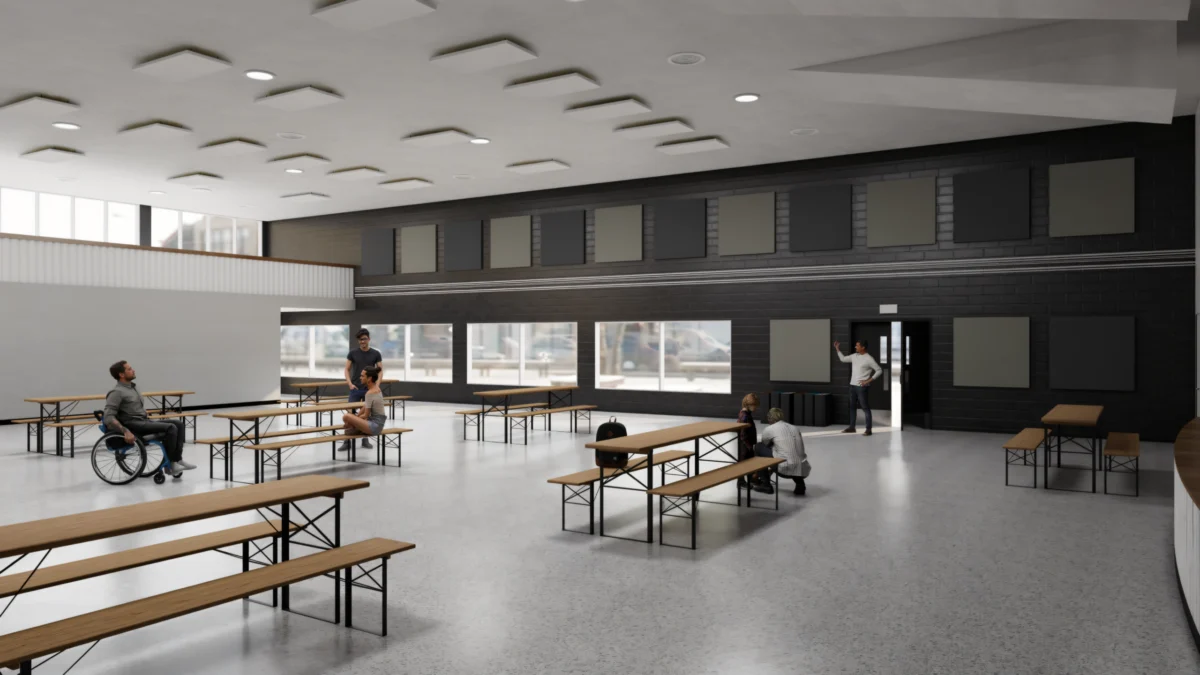
As educational design pivots away from rigid, single-use rows toward dynamic, multi-purpose environments, architects and educators are rethinking what makes an effective learning space. Modern universities, K-12 schools, hybrid commons areas, and collaborative zones are increasingly built for flexibility—fostering group communication, multi-media interaction, and shared experiences. However, a critical element of this evolution is frequently overlooked until it fails: acoustic design.
Far from being a mere afterthought or a luxury for high-end recording studios, sound management is the foundational layer that determines whether an educational space succeeds or collapses under its own design. Without thoughtful acoustic intervention, even the most innovative, visually striking collaborative spaces can transform into sonic battlegrounds, actively working against the cognitive development and well-being of the students and educators who occupy them.

The Root of the Problem: Hard Surfaces and Cognitive Overload
In contemporary interior design, minimalist aesthetics heavily favor hard, reflective surfaces. Polished concrete, expansive glass windows, granite countertops, steel structural beams, and tiled floors have become hallmarks of modern architecture. Unfortunately, these materials are acoustical nightmares.
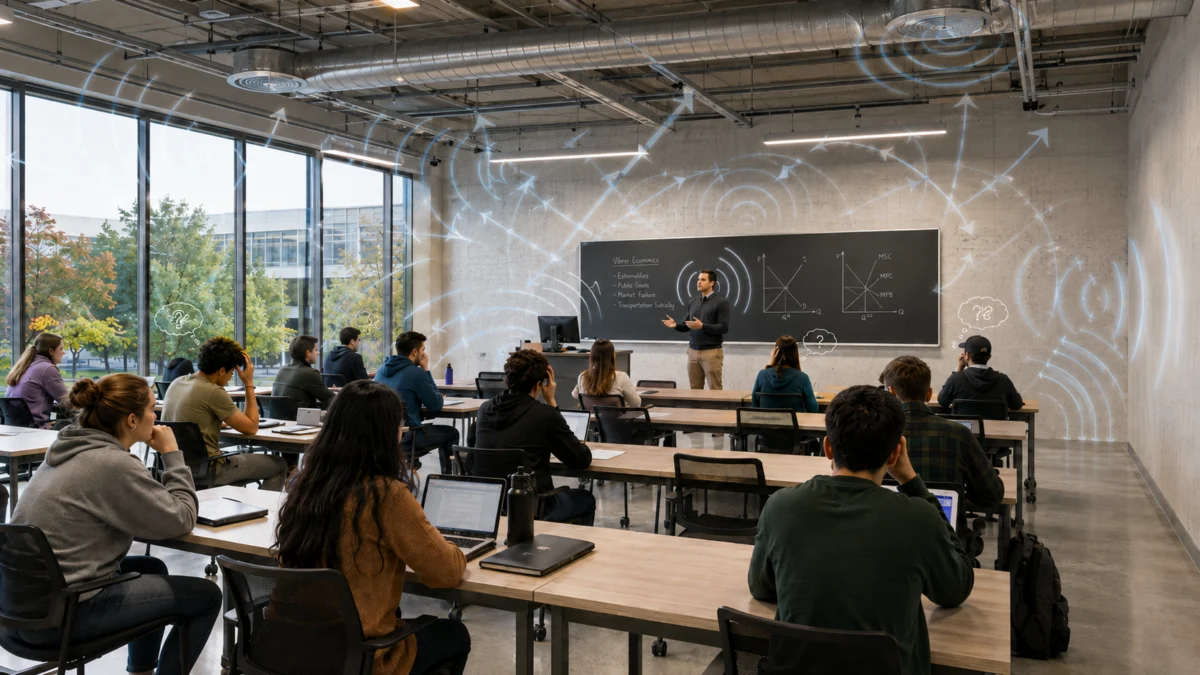
When sound waves encounter hard, unyielding barriers, they do not stop; they bounce. This results in chaotic sound reflections, persistent reverberation, and echoing. In a learning space, these acoustic anomalies manifest as a dense wall of background noise. When teachers speak, their voices compete with the ambient chatter of the room, HVAC hums, and the relentless echoes bouncing off walls and ceilings.

The Cognitive Cost of Noise
This sonic chaos has a direct, measurable impact on human biology and cognitive processing. According to Cognitive Load Theory, the human brain has a finite amount of working memory capacity. When students are forced to constantly filter out background noise to decipher speech, a significant portion of their mental energy is hijacked.
Instead of processing, analyzing, and retaining new lessons, the brain expends precious cognitive bandwidth merely decoding words. The consequences are profound:

- Reduced Retention: Students in noisy environments retain significantly less information.
- Accelerated Fatigue: Both teachers and learners experience heightened mental and physical exhaustion by the end of the day.
- Behavioral Strain: Constant auditory stress can lead to lower patience thresholds, translating into disruptive student behavior and an increasingly chaotic classroom climate.
Conversely, when excess sound is absorbed and ambient noise floors are lowered, the psychological shift is palpable. The room becomes sonically calmer, student focus sharpens, attention spans lengthen naturally, and overall classroom participation climbs.
The Physics of Sound: Speech Intelligibility vs. Simple Volume
A common misconception among facility managers is that hearing a sound is the same as understanding it. In untreated rooms, critical phonetic components of human speech—particularly high-frequency unvoiced consonants like f, p, s, and t—are easily masked by reverberation. Word endings blur together, and subtle nuances in a speaker’s tone are entirely lost.

Research consistently demonstrates that in poor acoustic environments, students can miss up to 25% of the words spoken by an instructor. This deficit is exacerbated by distance; as sound travels away from the source, it loses energy. In large architectural footprints such as elementary school assembly halls, multi-story open atriums, and post-secondary lecture theaters, this drop-off creates vast "dead zones" where comprehension plummets.
Furthermore, relying on electronic sound reinforcement systems (microphones and amplifiers) without first addressing room acoustics is a recipe for failure. Amplifying voice volume in an untreated room merely increases the energy of sound reflections, compounding the reverberation problem and creating a louder, muddier sonic environment. Acoustic treatment must come first, absorbing rogue sound waves to ensure true speech clarity across the entire space.

Chronology of an Educational Acoustic Shift: From Industrial Tiles to Advanced Science
To understand where modern school design stands today, it is helpful to look at how acoustic management in educational and commercial spaces has evolved over the decades.
- The Mid-to-Late 20th Century (The Era of the Drop Ceiling): For decades, acoustic control in schools was treated as a utilitarian checkbox. Standard, mineral-fiber drop ceilings were installed uniformly. While they provided basic sound dampening, they were visually drab, prone to sagging, and vulnerable to moisture damage, often degrading into an eyesore within a few years.
- The Turn of the Millennium (The Rise of Hard Minimalism): As architectural trends shifted toward open-concept learning commons and striking industrial aesthetics (exposed ductwork, glass walls, and polished concrete), acoustics took a massive step backward. Design prioritized visual appeal over auditory health, leading to soaring reverberation times (RT60 measurements routinely spiking up to 1.9 seconds, compared to an optimal target of 0.7 seconds).
- The 2010s (The Cognitive Revolution): Educational researchers began drawing direct lines between environmental noise pollution, elevated cortisol levels in students, and declining standardized test scores. The focus expanded from simple noise reduction to holistic "speech intelligibility" and cognitive ergonomics.
- Present Day (Integrated Architectural Acoustics): Today, the industry has abandoned the one-size-fits-all approach. Modern acoustic solutions are engineered as high-performance architectural elements. Companies like Primacoustics lead the charge with customizable, visually compelling treatments—such as GridWay ceiling systems, Broadway glass wool panels, and artistic EcoScapes—that blend seamlessly into the visual identity of a school while delivering studio-grade acoustic control.
Supporting Data: The Metrics of Sound
The necessity of acoustic design is heavily supported by engineering and educational data. Here are the key benchmarks facility planners must navigate:

- Reverberation Time (RT60): In an untreated, hard-surface classroom, the time it takes for sound to decay by 60 decibels (RT60) can reach 1.9 seconds. For optimal speech intelligibility and learning comprehension, international standards recommend an RT60 of 0.7 seconds or lower.
- The 1-in-4 Rule: Studies show that in classrooms with poor acoustics, students miss approximately 1 out of every 4 words spoken.
- The Lombard Effect: In open-plan collaborative spaces, humans instinctively raise their voices to overcome ambient noise. This phenomenon, known as the Lombard Effect, triggers a compounding feedback loop where every conversational group speaks louder, rapidly driving up the background noise floor of the entire room.
- Frequency Coverage: While low-end foam treatments only absorb high-pitched sounds, professional-grade glass wool panels and multi-density absorbers provide broad-spectrum absorption, tackling everything from low-frequency HVAC drones to high-frequency consonant masking.
Official Responses and Industry Insights
Educational architects, acousticians, and product manufacturers emphasize that modern acoustic planning requires a delicate balance. The goal is never to "deaden" a space completely—an utterly silent, anechoic room can feel unnatural, isolating, and uncomfortable. Instead, the objective is controlled absorption.
Industry leaders advocate for a decentralized, source-targeted approach. By placing acoustic treatment directly where sound originates and travels, designers can preserve the vibrant, collaborative energy of a space without letting it devolve into chaos.

"Good acoustic design isn’t about making spaces deathly quiet; it’s about engineering an environment that enhances engagement, minimizes vocal fatigue, and supports both teachers and students," note acoustic specialists in the educational sector. "Sound, much like temperature and ergonomics, must be intentionally balanced."
Modern manufacturing has made this easier than ever. Today’s systems offer modular, highly aesthetic tools:

- Ceiling Clouds and Baffling: Suspended horizontally or vertically over high-activity areas, products like Primacoustic’s Archadia Clouds and Wave Blades intercept vertical reflections before they bounce between floors and high ceilings.
- Broadband Glass Wool Panels: Offering performance traditionally reserved for high-end recording studios, these panels manage the entire frequency spectrum.
- Mobile Isolation Units: Reconfigurable rolling baffles and shields allow modern libraries and media rooms to quickly adapt from quiet study zones to active video-recording or streaming spaces.
- Comprehensive Room Kits: Standardized, scalable packages (such as London Room Kits and EcoScapes) enable institutions to retrofit existing legacy classrooms with minimal downtime and maximum visual cohesion.
Implications for the Future of Learning
The implications of ignoring—or embracing—acoustic design extend far beyond day-to-day comfort. As institutions invest heavily in flexible, hybrid, and collaborative learning spaces, the success of these spaces hinges on auditory health.
1. Long-Term Teacher Retention
Teachers suffer disproportionately from vocal strain and burnout caused by shouting over poor room acoustics. By installing effective sound management systems, schools can drastically reduce occupational health claims related to voice disorders and lower overall stress levels for educators.

2. Equity in Learning Environments
Students with hearing impairments, auditory processing disorders, or those learning in a non-native language are uniquely vulnerable to poor room acoustics. Upgrading school acoustics is an essential step toward creating truly inclusive, equitable educational environments where every student has an equal opportunity to comprehend instruction.
3. Asset Longevity and Aesthetics
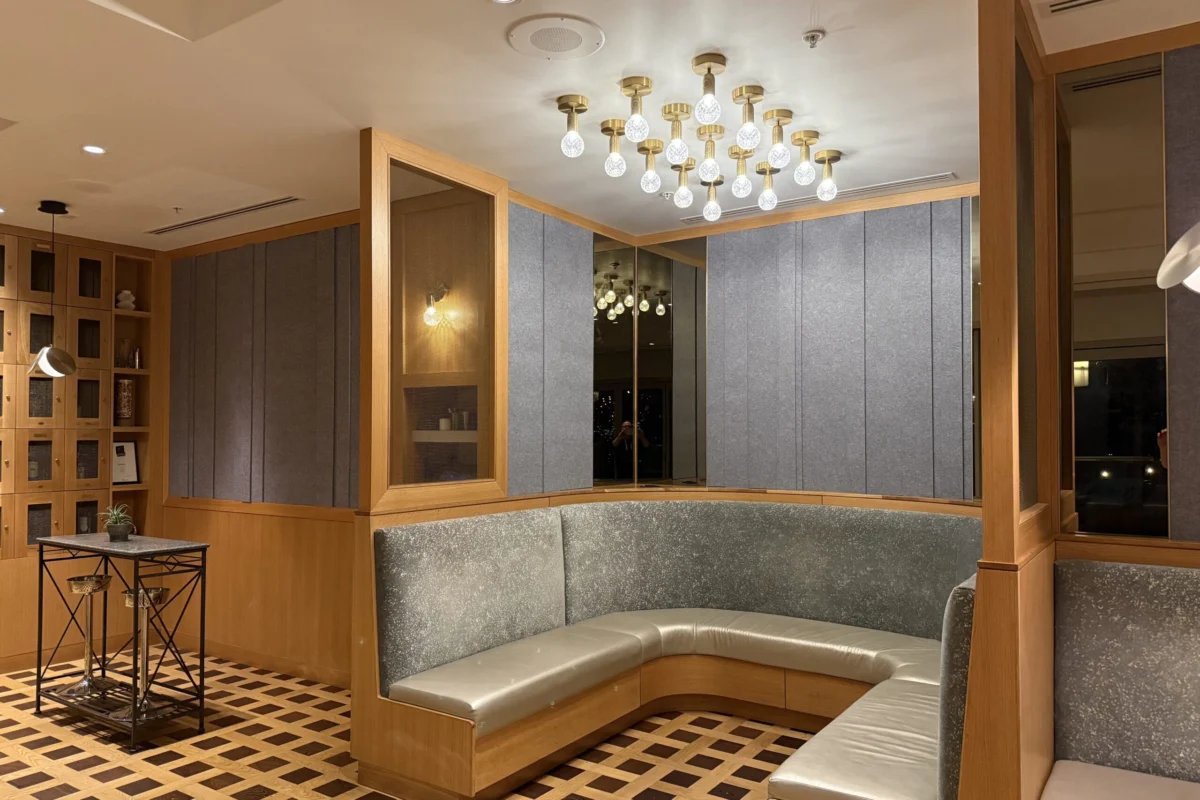
The shift away from sagging, industrial drop ceilings toward high-performance architectural panels proves that functionality and beauty are no longer mutually exclusive. Modern acoustic installations enhance interior design palettes while offering decades of reliable, high-performance sound absorption.

Conclusion: Partnering for Sound Success
Can a room make you smarter? Indirectly, yes. By removing the relentless cognitive friction caused by reverberation, background noise, and poor speech intelligibility, a well-designed acoustic environment frees up the human brain to do what it does best: learn, process, and create.
Whether building a state-of-the-art post-secondary campus from the ground up or retrofitting a century-old K-12 school, educational leaders have access to unprecedented acoustic tools. Through a hands-on, consultative approach to sound engineering, institutions can transform chaotic, fatiguing spaces into calm, welcoming sanctuaries of focus and collaboration.