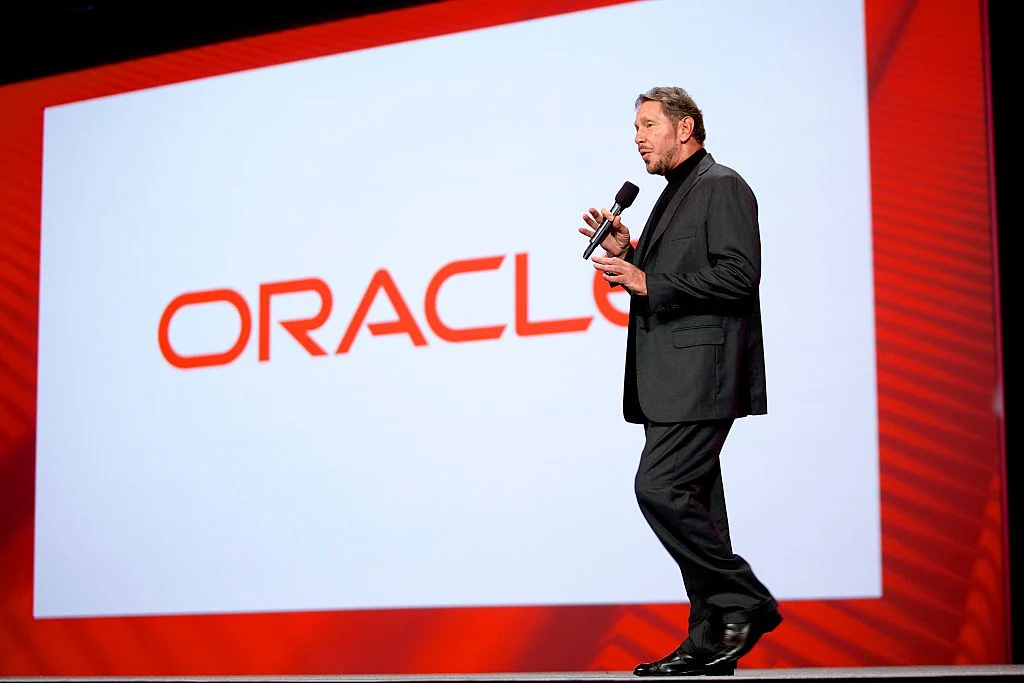
In a move that has rippled through the financial markets and caught industry analysts off guard, Oracle co-founder and executive chairman Larry Ellison has officially canceled his previously disclosed plan to divest 50 million shares of the tech giant. The sale, which would have represented a liquidation of approximately $7.5 billion in holdings, was abruptly scrapped on Saturday, according to a formal announcement from the company.
The decision marks a significant reversal for one of Silicon Valley’s most influential figures and raises questions about his long-term confidence in the software behemoth’s current trajectory. As Oracle grapples with a challenging fiscal year—characterized by a 22% decline in stock value since January—Ellison’s decision to retain his massive stake serves as a powerful, albeit cryptic, signal to shareholders.
The Core Facts: A $7.5 Billion About-Face
The initial disclosure, filed earlier this year, had outlined a systematic plan for Ellison to offload 50 million shares of Oracle (ORCL). At the time of the announcement, the market valuation of these shares sat at roughly $7.5 billion. Such a substantial sell-off is typically interpreted by institutional investors as a signal of a liquidity event or a shift in portfolio strategy, often causing downward pressure on a company’s stock price.
However, Oracle’s weekend statement was definitive. "No Oracle stock was sold under that plan, and he has no other plans to sell any of his Oracle stock," the company asserted in a brief but firm notification. By declaring that no shares have been offloaded, Oracle has moved to preemptively stabilize investor sentiment, effectively neutralizing the immediate threat of a massive block sale that might have further eroded the company’s market capitalization.
Chronology of a Shifting Strategy
To understand the weight of this decision, one must look at the timeline of events that preceded the cancellation.
- Early 2026: Oracle gains significant public attention through its role as a key security partner and infrastructure host for TikTok’s U.S. operations. The deal was framed as a major victory for Oracle’s cloud infrastructure (OCI) business.
- Mid-2026: Oracle initiates a massive capital expenditure program, pouring billions into the construction and expansion of data centers. This move was a direct response to the global AI gold rush, requiring unprecedented levels of compute power.
- August 2026: Legal headwinds emerge regarding the media landscape, specifically the ongoing court battle involving David Ellison’s acquisition of Warner Bros., a deal backed by his father’s immense fortune.
- September 12, 2026: Reuters and other financial outlets report on the original regulatory filing regarding the 50-million-share divestment plan.
- September 14, 2026: Oracle confirms that the plan has been canceled in its entirety, with no explanation provided for the sudden change of heart.
Supporting Data: Oracle’s Financial Landscape
Oracle’s current position is a study in contrasts. While the company is cementing its status as a critical player in the AI infrastructure space, its stock performance tells a more somber story.
The Market Performance
As of the latest trading sessions, Oracle stock is down 22% year-to-date. This decline reflects a broader investor skepticism regarding the timing of the company’s pivot toward high-intensity data center spending. While the AI boom is undeniably driving demand for cloud services, the "burn rate" associated with building out these facilities is putting significant pressure on short-term margins.
Capital Expenditures
The company’s decision to spend heavily on data centers is a "bet the farm" scenario. By positioning itself as the primary cloud provider for high-demand AI applications and social media giants like TikTok, Oracle is fighting a two-front war: maintaining its traditional database software dominance while simultaneously attempting to outpace Amazon Web Services (AWS) and Microsoft Azure in the infrastructure race.
External Financial Commitments
Larry Ellison’s personal balance sheet is increasingly entangled with high-profile media acquisitions. His backing of his son David Ellison’s bid for Warner Bros. is not merely a family affair; it represents a multi-billion dollar diversion of capital. With the acquisition currently being contested in court, the need for liquidity—or, conversely, the need to demonstrate personal commitment to his core holding in Oracle—is at an all-time high.
Official Responses and Corporate Silence
The corporate communication regarding the cancellation was notably sparse. In the world of high-stakes finance, silence is often as telling as a press release. By declining to offer a reason for the reversal, Oracle management has left the door open to speculation.
Industry analysts have proposed three primary theories:
- Confidence Signaling: Ellison may have realized that selling a massive block of stock at a 22% discount would signal a lack of faith in the company’s AI strategy, potentially spooking smaller investors and triggering a deeper sell-off.
- Regulatory or Tax Planning: The original plan may have been part of a 10b5-1 trading plan designed to maximize tax efficiency. Changes in market conditions or shifts in U.S. tax policy may have rendered the plan less advantageous than previously anticipated.
- Capital Requirements for Media Interests: It is possible that alternative financing was secured for the Warner Bros. deal, negating the need to pull cash out of Oracle.
Regardless of the motive, the company’s insistence that "he has no other plans to sell" is intended to act as a floor for the stock, signaling to the Street that Ellison intends to remain the "Captain" of the Oracle ship for the foreseeable future.
Implications: What This Means for Shareholders
For the average Oracle investor, the cancellation of the sale is a double-edged sword.
The Positive View
Stability is the primary benefit. With Ellison, who holds a massive percentage of the company’s outstanding shares, committing to hold his position, the risk of a "liquidity overhang" is removed. It suggests that he believes the current stock price of Oracle is undervalued and that the massive investment in data centers will eventually yield a higher return than current market participants are pricing in.
The Negative View
The lack of transparency regarding the reversal is concerning to some institutional stakeholders. If a leader as seasoned as Ellison changes his mind regarding a $7.5 billion transaction, it implies that the internal information he is acting upon is highly volatile. Investors are left to wonder: What happened between the filing of the sale and the weekend of the cancellation that made the sale unnecessary?
The Broader Tech Sector Context
Oracle is currently a proxy for the "industrialization of AI." If the company succeeds in becoming the backbone of TikTok’s data operations and the go-to provider for AI-heavy enterprise workloads, the current 22% dip in stock price could be viewed by history as a massive buying opportunity. Ellison’s retention of his shares, therefore, can be interpreted as a long-term "buy" signal.
Conclusion: The Road Ahead
As the dust settles on this brief but intense period of financial uncertainty, all eyes will be on Oracle’s next quarterly earnings report. The company’s ability to turn its massive capital expenditures into recurring cloud revenue will be the ultimate litmus test for Ellison’s strategy.
For now, the message is clear: Larry Ellison is staying put. Whether this is due to a conviction that the company is on the cusp of an AI-driven breakout, or a tactical necessity dictated by his broader empire-building efforts in the media sector, the decision effectively pauses the narrative of a diminished Oracle. The markets now wait to see if this act of confidence will be rewarded with a recovery in stock price, or if it will be viewed as a missed opportunity to exit at a higher valuation.
In the high-stakes world of enterprise software and media consolidation, one thing is certain: the interplay between Larry Ellison’s personal wealth and Oracle’s corporate strategy will remain one of the most closely watched dynamics in the global economy. For the moment, the Oracle co-founder remains fully tethered to the company he built, leaving shareholders to navigate the volatility alongside him.