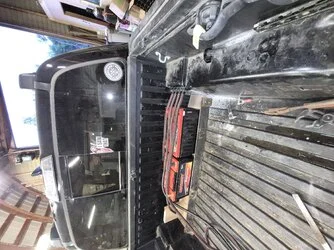

In the specialized world of high-output mobile audio, the vehicle serves as more than just transportation; it is a laboratory for acoustic engineering and electrical power management. A recent project documented by enthusiast "ThxOne" on the Caraudio.com forums, titled "The Equinox That Rocks," has captured the attention of the community. The build details the transformation of a standard Chevrolet Equinox into a high-SPL (Sound Pressure Level) powerhouse, highlighting the intricate balance between structural constraints, electrical infrastructure, and component selection.
Main Facts: The Vision for the Equinox
The objective of this build is to achieve high-performance audio output while navigating the physical limitations of a mid-sized SUV platform. ThxOne’s project focuses on a modular approach, starting with interior aesthetic upgrades and moving toward a heavy-duty audio system capable of extreme bass response.

Key elements of the build include:
- Cosmetic Refinement: Replacing factory interior lighting with high-efficiency 194 LED bulbs.
- Subwoofer Configuration: A proposed dual-12-inch subwoofer setup, designed for rear-facing port orientation.
- Electrical Infrastructure: Plans for a "Big 3" wiring upgrade, a high-output alternator (moving from the stock 125-130A to 220A+), and an auxiliary battery system.
- Strategic Component Placement: The installation of custom amp racks and potential utilization of the spare tire well for deeper sub-bass extension.
Chronology of the Build
The build, which began in mid-November 2024, has progressed through several distinct phases, characterized by careful planning and community consultation.

November 2024: The Foundation
The project launched with a series of efficiency upgrades. ThxOne identified that the Chevrolet Equinox utilizes a uniform 194 bulb format for all five overhead interior lights and two license plate tag lights. By sourcing a cost-effective 10-pack of white LEDs—the same brand used for the owner’s headlight conversion—the builder established a clean, modern aesthetic before diving into the complex audio fabrication.
By November 21, the discussion turned to the core audio components. The builder proposed a dual-12-inch subwoofer enclosure positioned against the back seat. The design schematic placed the subwoofers facing upward with the port directed toward the rear hatch, a configuration common in SUV builds to maximize cabin gain.
Late November 2024: Hardware Migration
By November 25, the transition from the owner’s previous vehicle, an Elantra, was in full swing. ThxOne successfully migrated the amplifier and subwoofer hardware to the Equinox. The fabrication phase saw the mounting of an amplifier board directly onto the subwoofer enclosure using L-brackets. With a physical width constraint of 37.5 inches, the builder began reconsidering the driver size, debating whether to stick with high-performance 10-inch woofers or shift toward a single 15-inch or 18-inch driver for more efficient displacement.
Supporting Data and Technical Considerations
The success of high-output audio systems relies on the relationship between electrical current and electromagnetic force. ThxOne’s project highlights several critical technical challenges that must be addressed to ensure system stability.

The Power Dilemma: Alternator vs. Batteries
The builder noted that the factory alternator output of 125-130A is insufficient for the intended power demands of the dual JP630 amplifiers. The proposed solution involves:
- High-Output Alternator: Replacing the stock unit with a 220A+ aftermarket version.
- The "Big 3" Upgrade: Upgrading the alternator positive to battery positive, engine block to chassis ground, and battery negative to chassis ground. This reduces resistance and voltage drop under heavy load.
- Cable Management: The debate over cable routing—specifically, whether to run a 2/0 gauge cable directly from the alternator to the rear of the vehicle or to utilize a battery-to-battery configuration.
Community member "deez283" provided essential guidance, noting that in most high-end builds, the standard practice is "Alternator to Battery to Back," rather than a direct alternator-to-rear run. This ensures the primary battery acts as a buffer and stabilizer for the vehicle’s electrical grid.

Acoustic Displacement and Enclosure Design
The choice of driver size is a significant point of contention in the build. While dual 12s offer a proven track record—referencing the builder’s past experience in a Jeep Grand Cherokee, where they achieved 145dB at 37Hz—the unique geometry of the Equinox’s cargo area presents new opportunities.
The discovery of potential space in the spare tire well after removing foam inserts has led the builder to consider a single, high-excursion 15-inch driver. As community member "spokey9" noted, a modern SQL (Sound Quality/Loud) 15-inch driver can perform exceptionally well in a relatively compact box, potentially simplifying the build while maintaining the desired output levels.

Official Responses and Community Interaction
The build thread has served as a knowledge-sharing hub for the mobile audio community. When ThxOne inquired about the efficacy of running 2/0 cable directly from the alternator, the consensus from experienced members was clear: maintain the integrity of the vehicle’s electrical chain.
Furthermore, the discussion regarding midbass speakers (specifically the Def Bonce 6.5-inch units) highlights the ongoing search for front-stage clarity. The community’s skepticism and subsequent technical vetting—asking "Are they actual midbasses?"—demonstrate the high level of scrutiny applied to component selection in this project.
Implications for Mobile Audio Enthusiasts
This project underscores several important lessons for those looking to modify their own daily drivers for improved sound systems:
- Vehicle Constraints are Design Drivers: The 37.5-inch width limit of the Equinox dictates the entire audio landscape. Builders must measure twice and cut once, as structural limitations define the maximum possible cone area.
- Electrical Upgrades are Mandatory: A system that "rocks" is only as good as its power supply. The transition from factory power to a 220A+ setup is not merely an upgrade; it is a necessity for preventing equipment failure and voltage clipping.
- The Value of Modular Fabrication: By using L-brackets to mount the amp rack to the enclosure, ThxOne demonstrates a modular approach that allows for future upgrades or removals, which is critical for a vehicle that serves as both a daily driver and a competition rig.
- Community Sourcing: The feedback provided by members like "deez283" and "spokey9" highlights the importance of peer review. Even experienced builders can benefit from debating routing strategies or component performance before making permanent modifications to their vehicles.
Future Outlook
As of the latest updates in late November 2024, the "Equinox That Rocks" project remains in the pre-wiring phase. With the components successfully migrated from the donor vehicle and the space constraints fully mapped, the project is poised for the next phase: the installation of the high-output electrical system and the final tuning of the subwoofer enclosure.

Whether the builder opts for the aggressive punch of dual 12s or the deep, low-frequency extension of a 15-inch driver, the project stands as a testament to the methodical nature of modern car audio fabrication. By prioritizing electrical stability and acoustic geometry, ThxOne is setting a standard for how mid-sized SUVs can be effectively repurposed into high-fidelity mobile environments.
For the reader, this project serves as a reminder that the best audio builds are not just about buying the loudest equipment; they are about understanding the physical and electrical environment of the vehicle and optimizing it to extract maximum performance through careful, iterative engineering. As the project continues to evolve, the community eagerly awaits the final performance metrics and the first real-world listening tests.