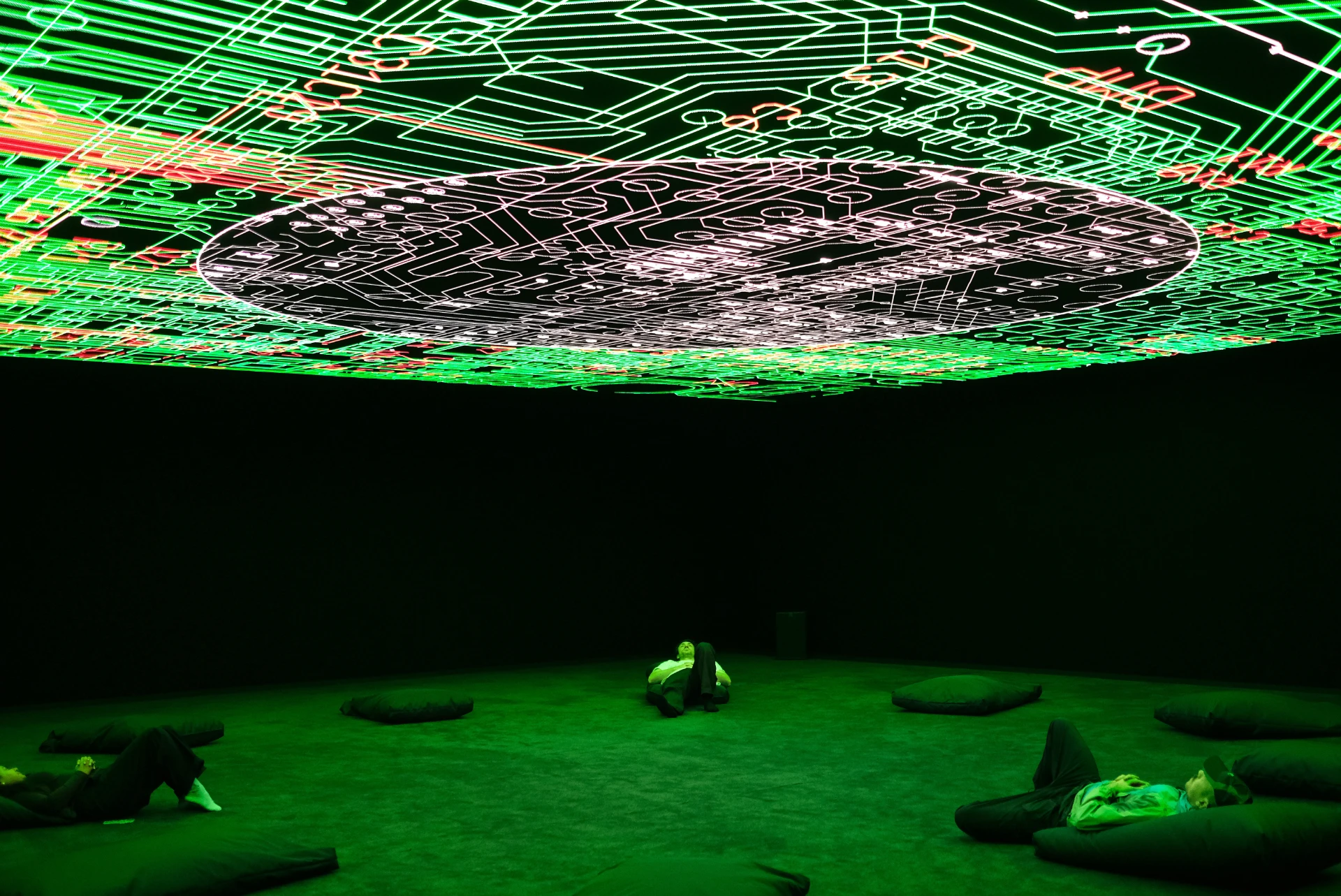
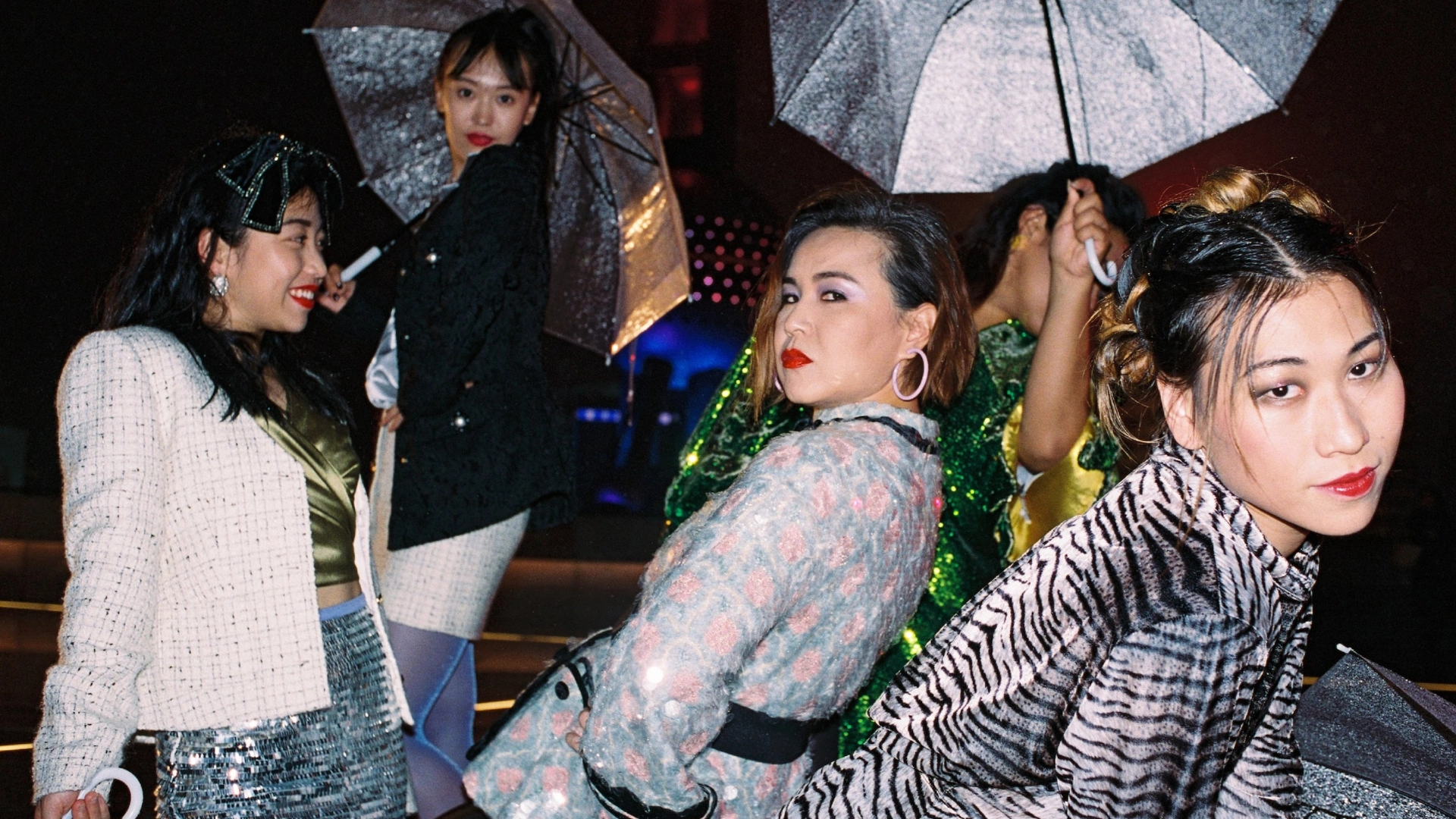
The vast, subterranean vaults of 180 The Strand are no strangers to immersive, avant-garde installations. However, starting Wednesday, 15 October 2025, the space will host its most ambitious undertaking to date: Paradigm Shift, a sprawling survey of moving image culture that interrogates how we see, how we record, and how we consume reality through the lens of a camera.
Curated by 180 Studios’ Mark Wadhwa and Dazed co-founder Jefferson Hack, Paradigm Shift is not merely an exhibition; it is an archaeology of the modern image. Spanning from the experimental analog grit of the 1970s to the algorithmic, hyper-connected digital landscape of 2025, the show draws from a dizzying array of disciplines, including avant-garde cinema, television, high-fashion film, gaming, and the chaotic, boundless output of internet culture.
The Core Narrative: A History of Technological Rebellion
At its heart, Paradigm Shift explores the symbiotic relationship between artists and the technologies they co-opt. The exhibition posits that the history of the moving image is a history of rebellion. By utilizing the tools available at the time—whether it was the accessible portability of a Super 8 camera in the 70s or the complex, generative AI interfaces of today—artists have consistently challenged the status quo, effectively using technology as a vehicle for subversion.
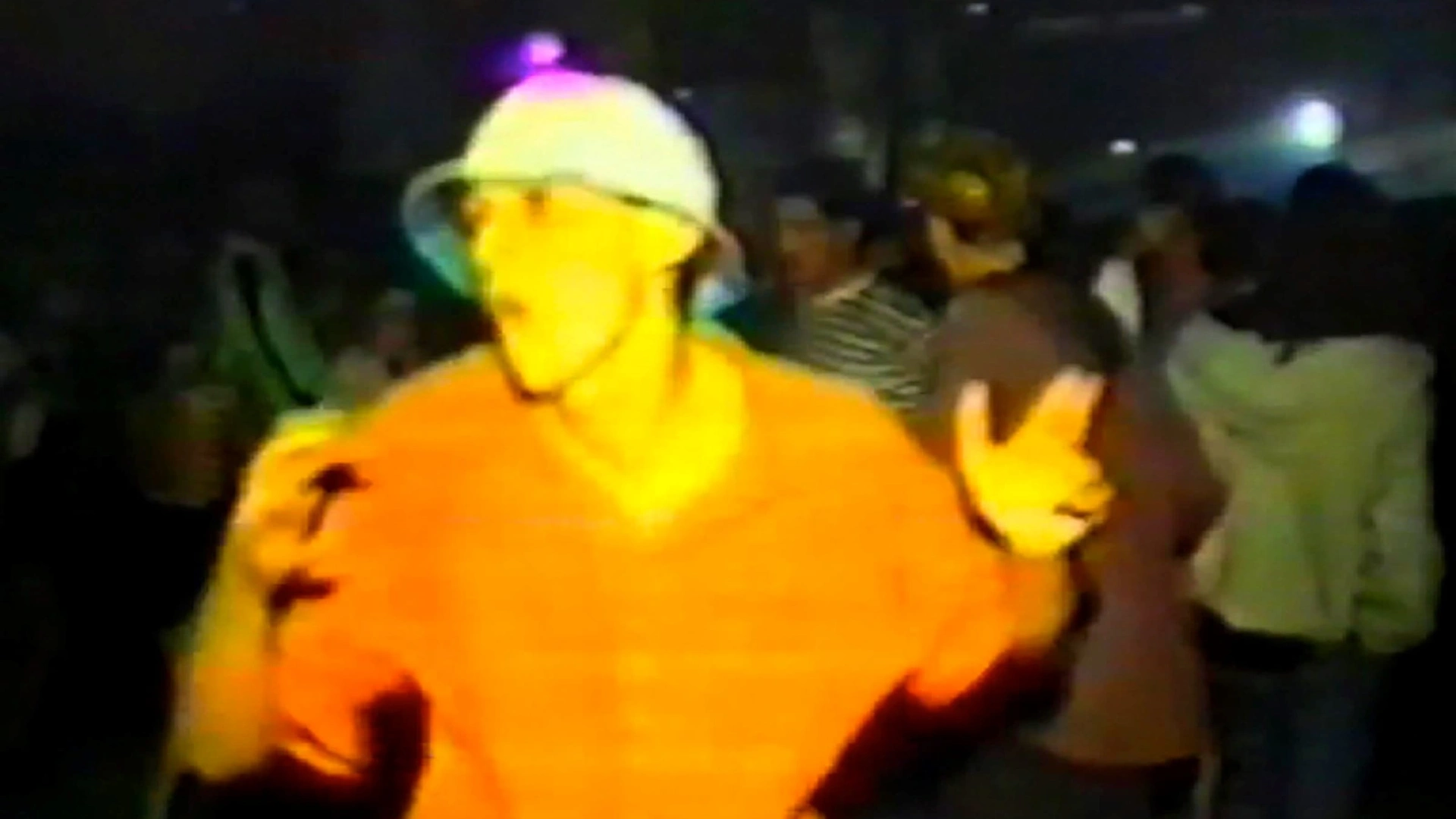
The roster of talent included in the exhibition reads like a definitive canon of visual culture. From the pop-art pioneer Andy Warhol to the visceral, raw intimacy of Nan Goldin, the exhibition bridges the gap between historical weight and contemporary urgency. Other notable contributors include Sophia Al-Maria, Meriem Bennani, Dara Birnbaum, Foday Dumbuya, Cao Fei, Tremaine Emory, Arthur Jafa, Derek Jarman, Julianknxx, Josèfa Ntjam, Pipilotti Rist, Martine Syms, TELFAR, Ryan Trecartin, and Gillian Wearing.
A focal point of the show is Mark Leckey’s 1999 masterpiece, Fiorucci Made Me Hardcore. As a seminal work in the history of British video art, its inclusion serves as a bridge between the subcultural fervor of the late 20th century and the digital fragmentation of the present.
Chronology: From Analog Grit to Digital Hyper-Connectivity
To understand the trajectory of Paradigm Shift, one must view the exhibition as a timeline of human perception.
The Analog Era (1970s–1980s)
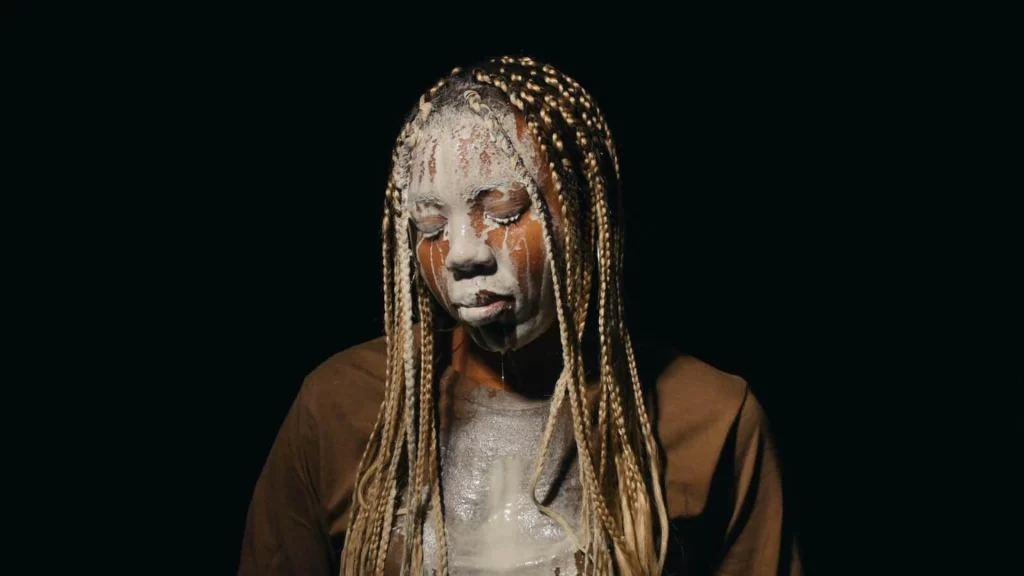
The journey begins in the late 20th century, a period defined by the democratization of video. During this time, the "moving image" moved away from the institutional rigidity of Hollywood and into the hands of the counterculture. Early works in the exhibition highlight the gritty, tactile nature of tape, where the "error" or the "glitch" became an aesthetic choice. This was an era where the camera was a tool for documenting the margins of society—the underground club scenes, the queer experience, and the protest movements that defined the pre-internet age.
The Transitional Decade (1990s–2000s)
The 90s saw the convergence of media. As seen in Leckey’s work, the transition from analog to digital allowed for the sampling and remixing of culture. This era is represented by the rise of the music video as a high-art form and the infiltration of TV imagery into the gallery space. Artists began to treat the archive not as a static historical record, but as a flexible material to be manipulated, re-edited, and re-contextualized.
The Hyper-Connected Present (2010s–2025)
The final segment of the exhibition tackles the current paradigm. We live in a world of "infinite scroll," where the moving image is no longer confined to a screen in a dark room but exists in our pockets, on our watches, and in our social feeds. Paradigm Shift investigates the impact of gaming engines, social media virality, and synthetic media on the human psyche. It asks: how do we maintain a sense of self in a world where our experiences are constantly mediated by digital interfaces?
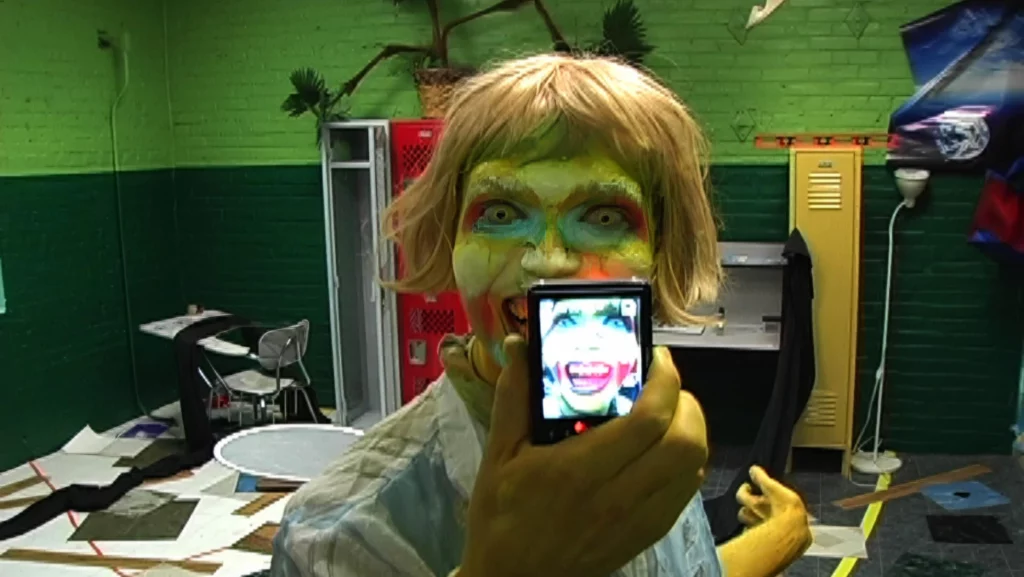
Supporting Data: The Anatomy of the Exhibition
The scale of Paradigm Shift is necessitated by its diverse medium requirements. 180 Studios has reconfigured its subterranean architecture to accommodate everything from single-channel projections to multi-sensory, installation-heavy environments.
- New Commissions: A significant portion of the exhibition features works specifically commissioned by 180 Studios. These works act as a "response" to the historical pieces, demonstrating how contemporary artists are evolving the visual language established by their predecessors.
- Media Diversity: The exhibition catalogue features 18 internationally acclaimed artists, representing a global perspective on how video culture has transcended borders.
- Duration: Running for over three months (closing 1 February 2026), the exhibition is designed for repeat visitation, acknowledging that the dense, layered nature of modern video art requires time to unpack.
Official Perspectives: The Philosophy of the Image
Jefferson Hack, whose editorial career at Dazed has been synonymous with the intersection of youth culture and the avant-garde, views Paradigm Shift as a necessary corrective to our current digital fatigue.
"From the Super 8 and VHS revolutions of the 1970s and 80s to the digital hyper-connectivity of our present moment, video art and moving image have always operated at a crossroads," Hack noted in a recent statement. "It is a space where the high and low, the visceral and the conceptual, and the personal and political collide. In Paradigm Shift, we see how great artists inspire us to engage with storytelling through screens differently. We aren’t just watching; we are being asked to feel more, imagine more, and, ultimately, recover our senses in an age of sensory overload."
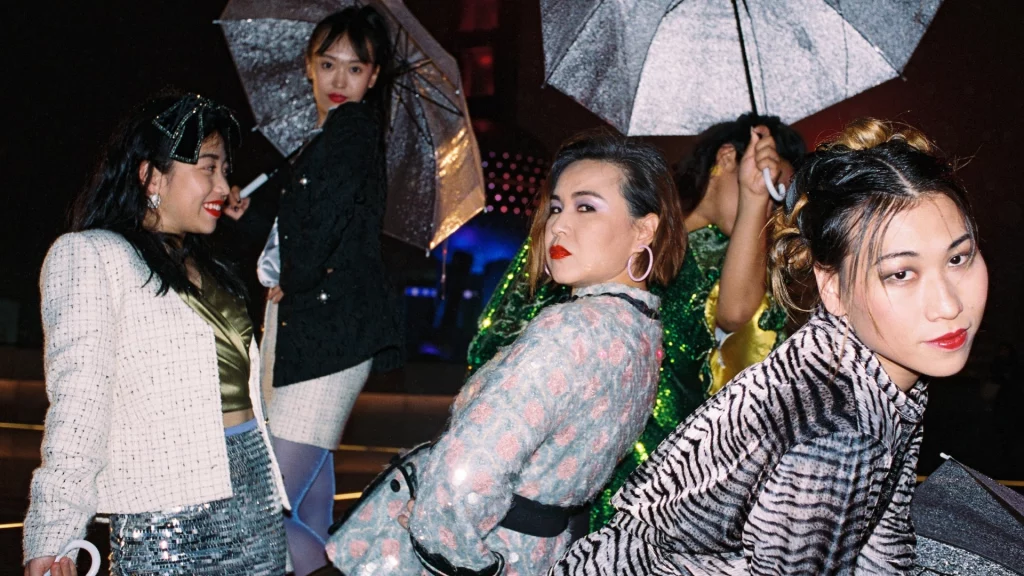
The exhibition’s partnership with Ray-Ban Meta further emphasizes the theme of "augmented reality." By exploring the ways in which wearable technology and integrated cameras are changing how we perceive our physical surroundings, the exhibition frames the act of looking as a dynamic, rather than passive, activity.
Implications: Why Now?
The relevance of Paradigm Shift in 2025 cannot be overstated. As the barrier between "real life" and "digital content" continues to dissolve, the exhibition serves as a vital touchstone. By placing the work of pioneers like Derek Jarman and Andy Warhol alongside contemporary digital artists like Martine Syms and Ryan Trecartin, the curators are mapping a lineage of visual resistance.
The implications are twofold. First, it democratizes the "art-house" experience, inviting the public to engage with complex themes through the familiar medium of the screen. Second, it serves as a warning and a celebration: while technology has granted us unprecedented power to create and share, it has also fundamentally altered our attention spans and our ability to distinguish between curated performance and genuine human connection.
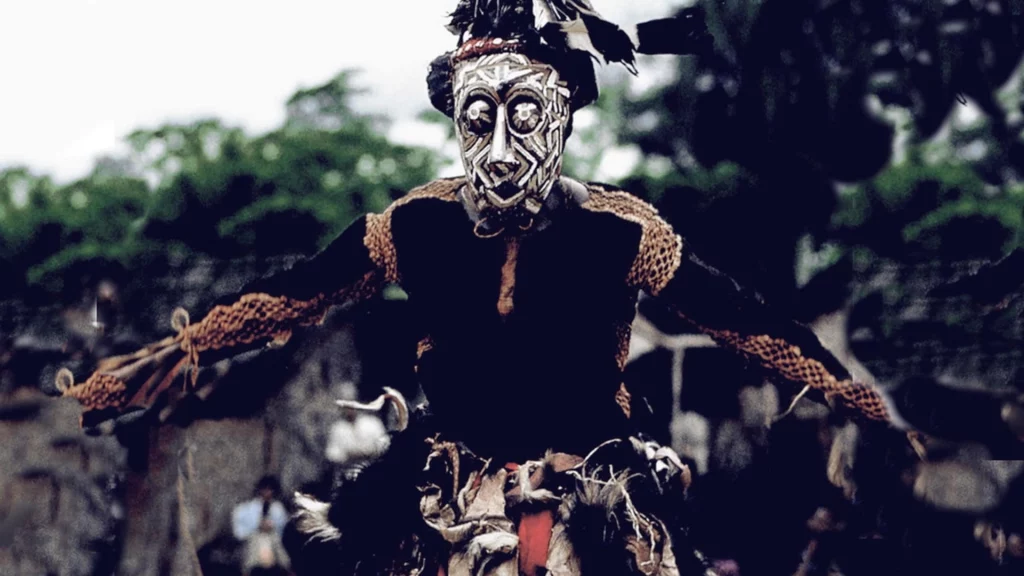
Exhibition Details
- Paradigm Shift: New Dimensions in Moving Image
- Partnership: In collaboration with Ray-Ban Meta
- Location: 180 Studios, 180 The Strand, London, WC2R 1EA
- Dates: 15 October 2025 – 1 February 2026
- Opening Hours: Wednesday – Sunday, 12pm – 7pm
As the world continues to grapple with the rapid acceleration of AI-generated imagery and the total integration of screens into the fabric of daily life, Paradigm Shift provides the necessary context to understand our current visual reality. It is a testament to the fact that while the tools of the trade may change—from the celluloid strip to the pixel, from the VHS tape to the server cloud—the human impulse to record, manipulate, and reflect upon our existence remains the ultimate creative force.
Tickets are available now via the 180 Studios website. For those seeking to understand the trajectory of the 21st century’s most dominant cultural force, this exhibition is an essential pilgrimage.