
By [Author Name]
Special to Education & Infrastructure Journal
Main Facts: The Hidden Crisis in Our Classrooms
Imagine attempting to master the fundamentals of reading, mathematics, or science while enveloped in a perpetual echo chamber. For millions of students worldwide, this is not a hypothetical thought experiment—it is the daily reality of the modern school environment. While educators and administrators meticulously plan curricula, upgrade textbooks, and invest in digital hardware, a foundational element of learning is routinely ignored: the acoustic environment.
As acoustical pioneer Dr. John Erdreich famously observed, "We wouldn’t teach reading in a classroom without lights. Why then do we teach in acoustical darkness?"
The statistics are alarming. In a typical, untreated classroom, students miss up to one in every four spoken words. Noise-related distractions have been directly linked to depressed test scores, shortened attention spans, and elevated cortisol (stress) levels among children. Despite the fact that clear communication is the bedrock of pedagogy, classrooms are rarely designed with acoustics in mind. Instead, standard educational facilities are dominated by hard, reflective surfaces—large windows, uncarpeted floors, bare concrete walls, and massive whiteboards or blackboards. These surfaces bounce sound waves indiscriminately, creating persistent reverberation and echoes that distort speech and transform intelligible lessons into an exhausting acoustic blur.
Chronology: A Century of Overlooked Science
The detrimental relationship between poor room acoustics and hindered cognitive development is far from a new discovery; yet, translating research into structural reality has been a remarkably slow historical process.
- The Early 20th Century: Researchers first begin formally studying the physics of sound in architectural spaces, establishing the foundational mathematics of reverberation time. Early studies note that speech intelligibility drops sharply in spaces with excessive echo.
- The Mid-to-Late 20th Century: As mass public schooling expands, standardized architectural blueprints prioritize cost-efficiency and durability over sensory comfort. Concrete, cinderblock, and glass become the dominant building materials for schools, inadvertently maximizing acoustic reflection.
- 2002 (The ANSI Standard): The Acoustical Society of America (ANSI) publishes formal standards recommending that unoccupied classrooms maintain a reverberation time of no more than 0.7 seconds. Despite this, enforcement mechanisms remain weak, and thousands of schools continue to be built or operated "unfit for purpose."
- 2012 (The Paradigm Shift): Sound expert Julian Treasure delivers a watershed TED Talk highlighting what he calls "the invisible architecture" of sound—bringing mainstream attention to how acoustic pollution harms human health and learning.
- The Present Day: Innovators and acoustic treatment manufacturers, such as Primacoustic, push past outdated band-aid fixes (like electronic amplification) to promote architectural acoustic treatment as an essential, long-lasting infrastructural requirement for modern schools.
Supporting Data: The Numbers Behind the Noise
To understand the scale of the crisis, one must examine the hard data compiled by acoustical engineers, educational researchers, and health organizations over decades of study.
- The Reverberation Gap: According to research by the Acoustical Society of America, classrooms lacking acoustic treatment frequently exhibit reverberation times approaching 1.9 seconds—nearly three times higher than the recommended safety standard of 0.7 seconds.
- The Speech Deficit: In high-reverberation environments, speech intelligibility plummets. Studies confirm that students miss 25% of spoken instruction, meaning they effectively lose every fourth word uttered by their teacher.
- The Teacher Toll: Voice disorders are an occupational hazard in education. Educators are estimated to be 32 times more likely to suffer from chronic vocal strain and long-term damage compared to professionals in other fields. Roughly 50% of all teachers develop a clinically recognized voice disorder during their careers.
- The Treatment Efficiency Threshold: Remediation does not require a complete structural overhaul. Data indicates that covering just 17% to 25% of a classroom’s wall and ceiling surfaces with high-performance acoustic panels can successfully drive reverberation times down below the recommended 0.7-second threshold.
Official Responses and Technological Pitfalls
When schools finally acknowledge that noise is disrupting their hallways and classrooms, they frequently reach for the most visible, high-tech solution available: electronic amplification systems. Microphones, ceiling-mounted speakers, and personal sound-reinforcement systems are often installed under the assumption that cranking up the volume will solve the problem.
However, acoustic experts warn that this approach frequently backfires.

According to ANSI guidelines, amplification without accompanying acoustic treatment does not improve speech intelligibility. Instead, driving more sound into a room with hard, reflective surfaces simply creates more noise, more chaotic energy, and more pronounced audio reflections. Furthermore, microphones inevitably pick up extraneous ambient sounds—ranging from HVAC systems and hallway chatter to external traffic—compounding the auditory clutter and forcing students’ brains to work exponentially harder just to isolate the teacher’s voice.
The Turnkey Acoustic Alternative
Recognizing the limitations of electronic bandaids, companies specializing in environmental sound control—such as Primacoustic—advocate for architectural acoustic treatment as the definitive, cost-effective antidote. Rather than masking noise with more noise, acoustic panels absorbed stray sound waves at the boundary surfaces of the room.
Modern acoustic solutions have evolved far beyond the industrial-looking foam of the past. Today’s educational integration packages feature:
- Customizable Aesthetics: Panels can be manufactured in specialized sizes, thicknesses, and colors, or custom-printed with high-resolution educational graphics, school logos, and vibrant imagery.
- Eco-Friendly Materials: Sustainable, high-density glass wool or recycled acoustic materials that meet rigorous fire safety and indoor air quality codes.
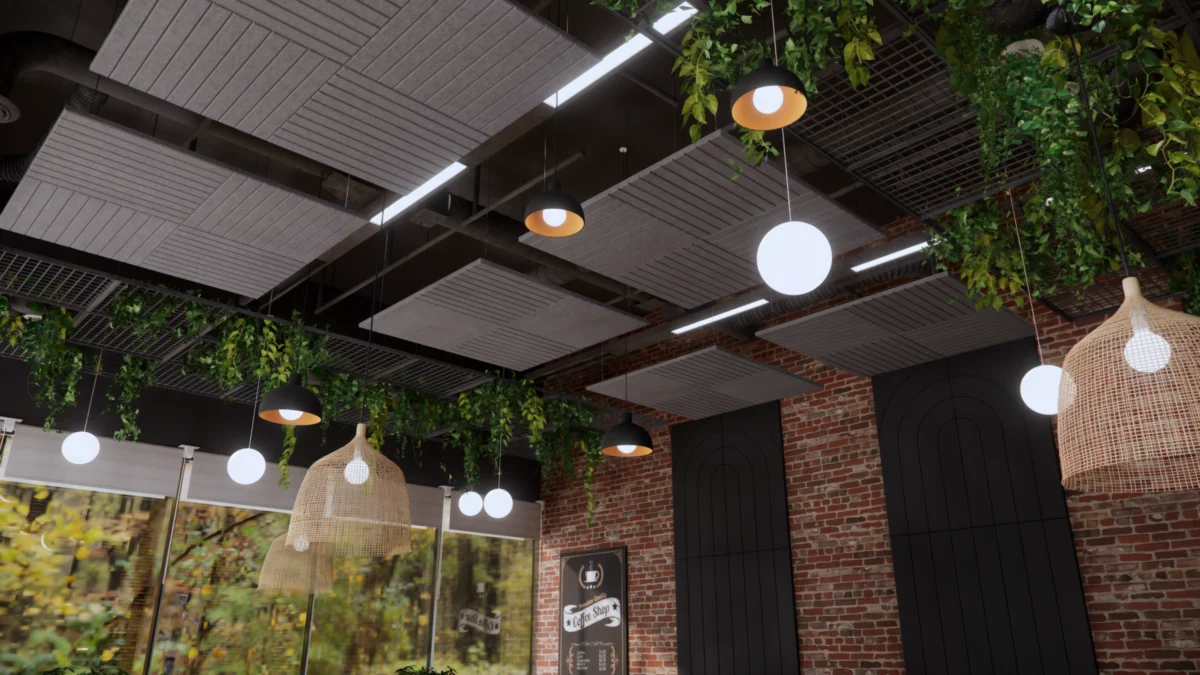
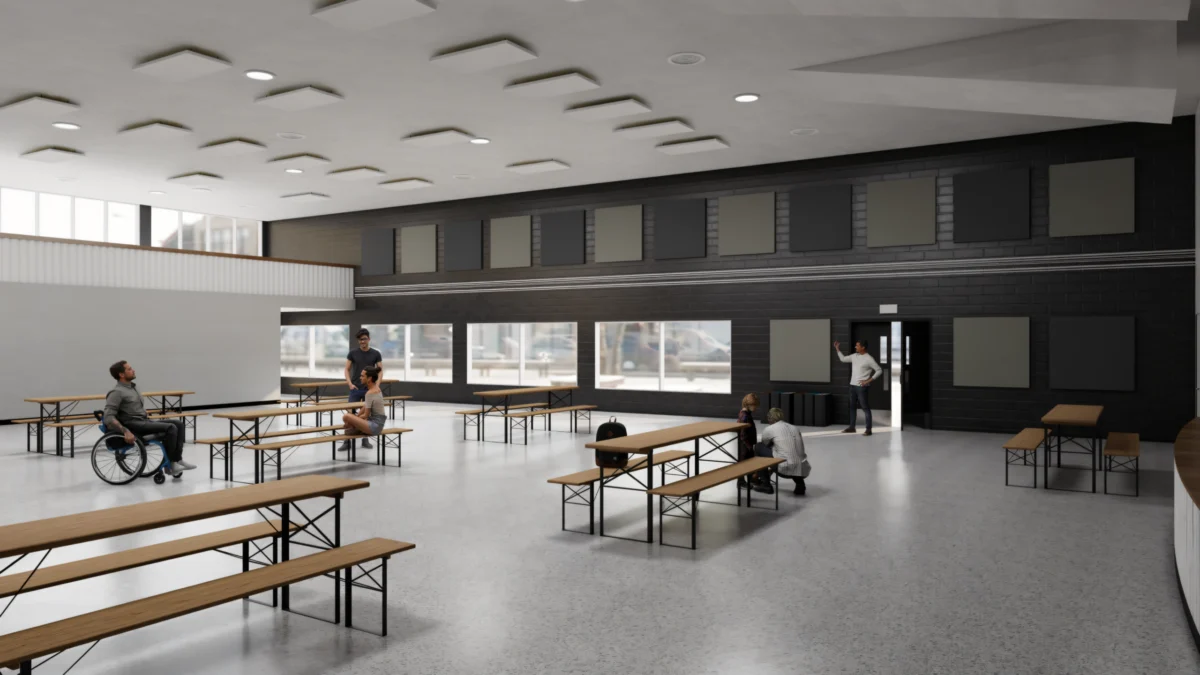
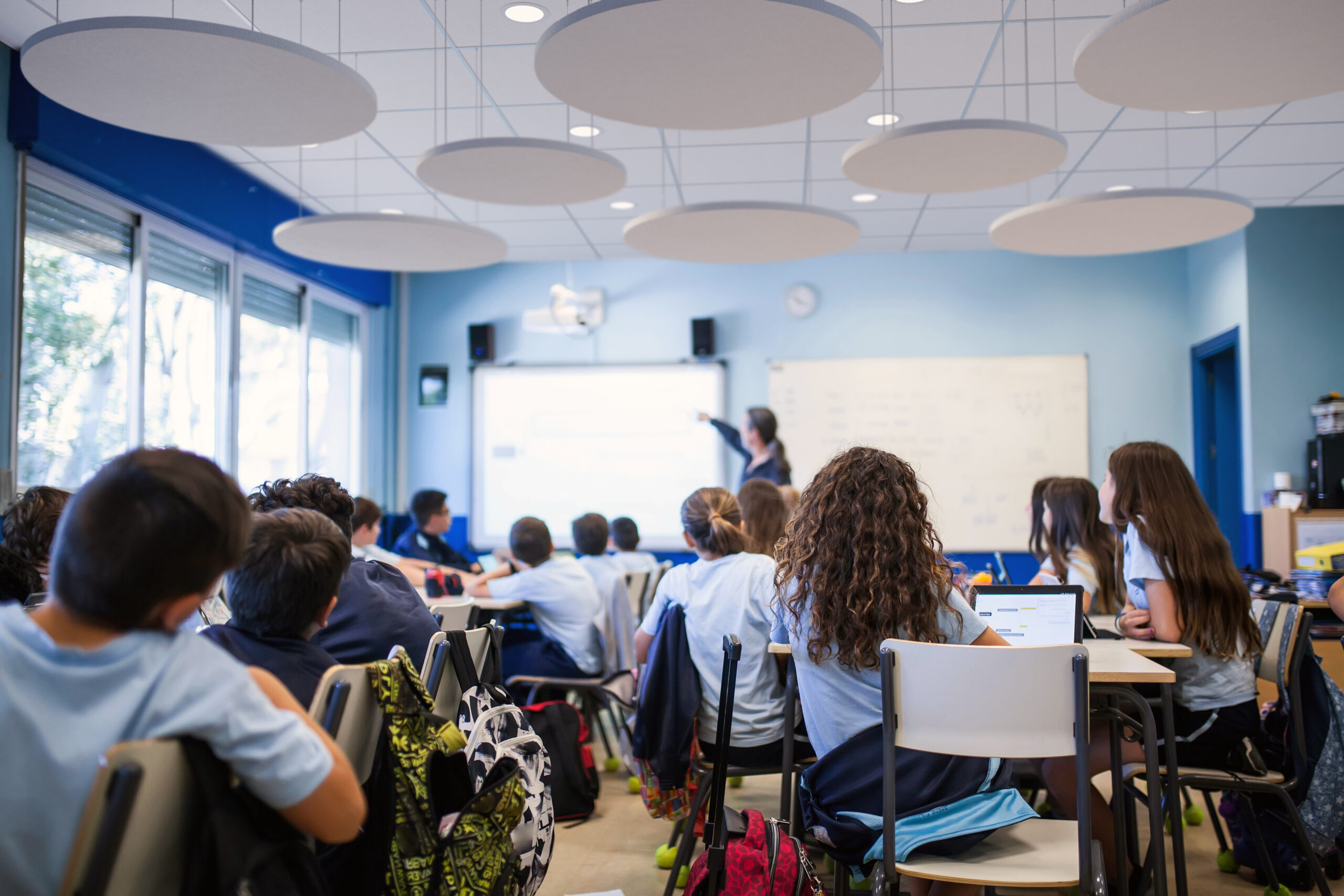
- Flexible Placement Options: Direct wall-mounting systems designed to target primary reflection points (such as areas around blackboards and windows), alongside ceiling-hung baffles and T-bar drop tiles for rooms with limited wall space.
Implications: Fostering Environments Where Students Thrive
The implications of failing to address classroom acoustics extend far beyond standardized test scores; they strike at the heart of equity, student wellness, and teacher retention.

Cognitive Fatigue and Special Needs
When classrooms are plagued by poor acoustics, listening ceases to be a passive, natural act. It becomes an exhausting cognitive athletic event. Students must constantly struggle to fill in missing phonetic blanks, leading to rapid mental fatigue, diminished information retention, and behavioral degradation.
For vulnerable populations—including younger children whose auditory processing centers are still developing, students learning in a second language, and children with hearing impairments or Auditory Processing Disorder (APD)—the acoustic barrier is even higher. In an untreated room, these students are systematically disadvantaged, falling further behind through no fault of their own.
Protecting the Educator
Teachers are the primary engine of any educational system. Yet, chronic vocal strain forces thousands of educators to take medical leave or leave the profession entirely each year. By reducing ambient noise and controlling reverberation via acoustic panels, teachers no longer need to shout to command a room. Vocal strain plummets, teacher retention improves, and instructional energy can be redirected away from crowd control and toward actual teaching.
Moving Forward: A Call to Action for School Districts
Transforming a classroom’s acoustic landscape is one of the most cost-effective, high-yield investments a school district can make. Unlike digital tablets or software subscriptions that become obsolete within a few years, professional-grade acoustic treatments are durable, permanent assets that perform effectively for decades with zero ongoing maintenance.

As educational leaders look toward the future of school design and renovation, the message from the acoustic engineering community is clear: solving the invisible architecture of sound is no longer a luxury upgrade. It is an absolute necessity.
To learn more about transforming educational spaces into optimal learning environments, explore the resources and turnkey acoustic solutions available today at Primacoustic.com. Whatever your school’s unique layout or budgetary constraints, the goal remains the same: ensure every student, and every teacher, can finally be heard.