The landscape of automated home maintenance has reached a pivotal juncture. As consumer expectations shift from simple autonomous vacuuming to comprehensive, hands-off floor care, manufacturers are racing to integrate advanced mopping and self-cleaning technologies. iRobot, a pioneer in the industry, has recently entered the "self-washing mop" arena with the release of the Roomba Combo 10 Max + AutoWash.
While the inclusion of an auto-washing dock represents a significant evolution in iRobot’s product philosophy—marking a departure from their previous "manual-wash" stance—the machine faces stiff competition. At a premium price point of $1,399.99, the device promises to elevate home cleanliness, yet our testing reveals a complex reality: convenience has been prioritized, but core cleaning efficacy may have hit a plateau.
Main Facts: A New Era for iRobot
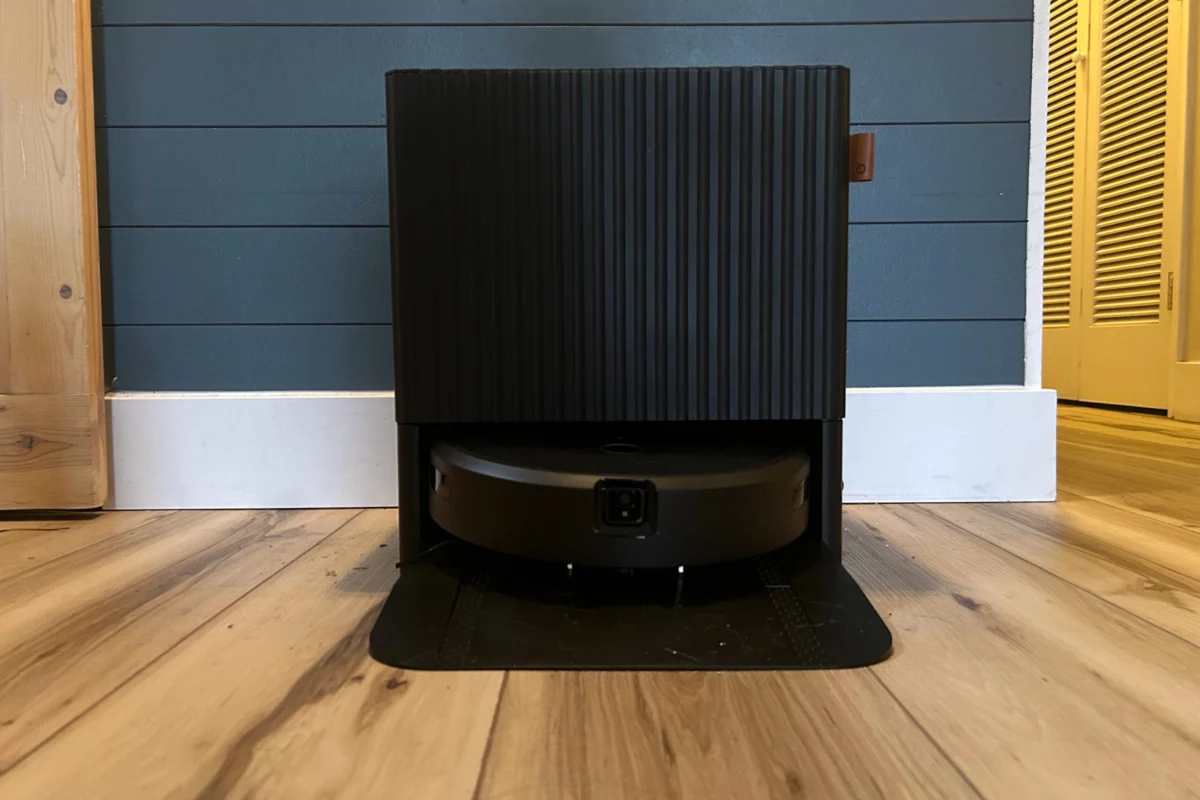
The Roomba Combo 10 Max+ is defined by the integration of the new AutoWash dock. Unlike its predecessors, such as the Combo j7+ or the j9+, this unit can autonomously clean its own mop pad. This is a critical feature for homeowners who demand a "set-it-and-forget-it" experience.

Key specifications and features include:
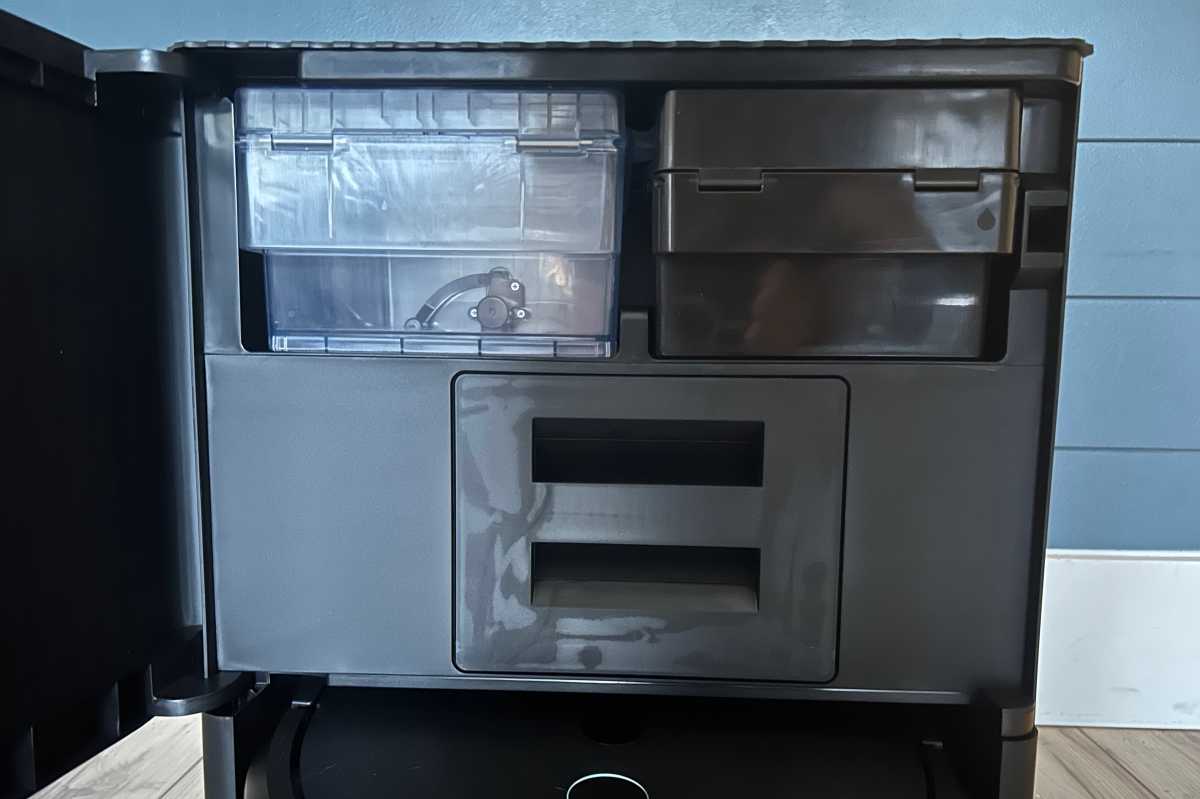
- AutoWash Dock: Features 3-liter clean-water and 2.5-liter dirty-water reservoirs, along with an automatic dust-bag emptying system capable of holding up to 60 days of debris.
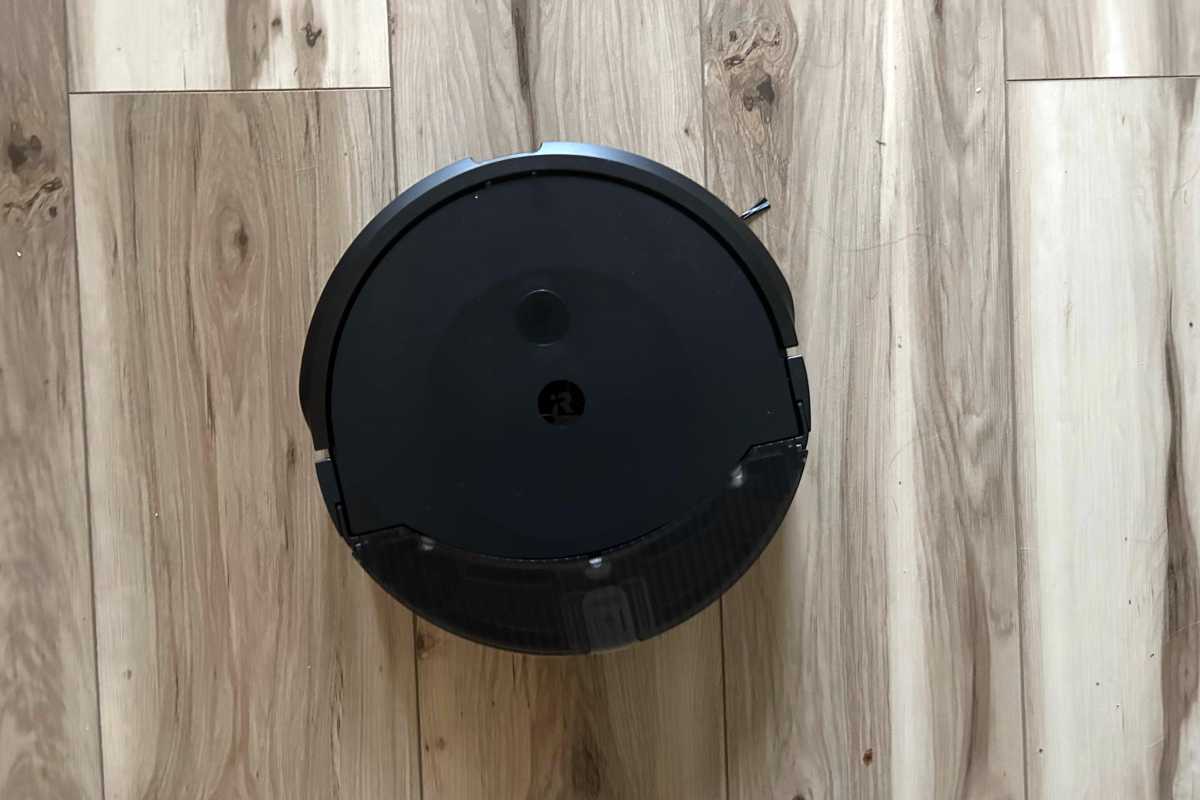
- Retractable Mop Arm: A signature iRobot innovation that lifts the mop pad to the top of the robot when carpet is detected, ensuring that rugs remain dry and free of cross-contamination.
- Advanced Dirt Detect: The software now triggers localized cleaning cycles eight times more frequently than in the j9+ model.
- Design Shift: The robot features an understated, all-black aesthetic, replacing the bronze and silver accents of previous generations.
- Pet-Owner Promise: iRobot maintains its guarantee to replace the unit if it accidentally smears pet waste within the first year of ownership.
Chronology: The Evolution of the Combo Line
iRobot’s trajectory in the 2-in-1 market has been iterative and cautious.
- The Early Days (The Combo j7+): This model introduced the retractable mopping arm, a brilliant mechanical solution to the problem of wet mop pads dragging across carpets. However, iRobot famously eschewed the "auto-wash" dock trend at the time, arguing that water-tank maintenance and the potential for odors in self-cleaning stations were "ick" factors that degraded the user experience.
- Refinement (The Combo j9+): This model focused on software intelligence, introducing "Dirt Detective" to help the robot prioritize cleaning schedules based on room traffic and historical mess data.
- The Pivot (The Combo 10 Max+): Recognizing that the market was trending toward full-service docks that wash and dry pads, iRobot finally yielded, introducing the AutoWash dock. This represents the company’s most significant hardware pivot in years, acknowledging that consumer desire for low-maintenance operation outweighs the potential drawbacks of maintaining water reservoirs.
Supporting Data: Performance Testing Analysis
In controlled tests and daily home maintenance scenarios, the Combo 10 Max+ delivered mixed results that complicate its value proposition.

Vacuuming Performance
On carpeted surfaces, the robot performed admirably, successfully collecting approximately 95 percent of test debris (half-cup of rice). However, its performance on hardwood floors was unexpectedly inconsistent. During testing, the robot managed to pick up only 75 percent of rice, with a tendency to scatter debris rather than suctioning it efficiently. While the device excels at picking up pet hair—leaving floors clear of fur—the inconsistency on hard floors is a concern for a device at this price point.
Mopping and Scrubbing
The primary selling point—the self-washing mop—is convenient, yet the actual mopping results were lackluster. In "jelly tests," which measure a robot’s ability to remove sticky, dried-on substances, the Combo 10 Max+ struggled. While it eventually removed the visible jam, it left a sticky residue that required a second manual pass. When compared to competitors like the Ecovacs Deebot X2 Omni, which features larger water capacities (4L clean/3.5L dirty) and more robust agitation, the iRobot system feels slightly underpowered.
Navigation and Mapping
iRobot’s navigation remains a strength. The Roomba mapped the test environment seven times faster than its predecessor. Obstacle avoidance—a staple of the brand—remains best-in-class. The robot successfully navigated around pet food dishes and cables. Its ability to distinguish between floor types was flawless, and the integration of the iRobot Home app provides a granular level of control, from defining "no-mop zones" to scheduling custom cleaning cycles.

Official Responses and Strategic Positioning
iRobot has positioned the Combo 10 Max+ not just as a cleaner, but as a "smart home ecosystem" participant. By integrating with Alexa and Google Assistant, the company is betting that users will choose the Roomba for its ecosystem reliability rather than raw suction power alone.
When questioned about the performance lag compared to previous iterations, company representatives emphasize the balance between long-term reliability and specialized performance. The move to an auto-wash dock is a direct response to customer feedback, even if it introduces the very maintenance challenges (cleaning the dock and reservoirs) that the company once sought to avoid. The "Pet Owners Official Promise" remains the company’s strongest differentiator in the market, providing a level of security that competitors have yet to match.
Implications: Is the Premium Price Justified?
The introduction of the Roomba Combo 10 Max+ presents a challenging decision for potential buyers.
The Argument for Buying
If your home is a mix of carpets and hard floors, and you prioritize a device that rarely gets stuck and boasts superior obstacle detection, the Combo 10 Max+ is a highly reliable machine. The convenience of the AutoWash dock significantly reduces the frequency of manual intervention, and the software ecosystem remains the most user-friendly in the industry.
The Argument for Caution
At $1,399.99, the device is entering a highly competitive tier where performance is scrutinized. If your primary goal is the deepest possible clean on hardwood or the removal of stubborn, sticky spills, the Combo 10 Max+ may underperform compared to specialized competitors from brands like Roborock or Ecovacs. Furthermore, users who already own the Roomba Combo j9+ may find that the upgrade to the 10 Max+ does not provide a substantial enough jump in cleaning power to justify the cost.
Conclusion
The iRobot Roomba Combo 10 Max + AutoWash is a testament to the company’s ability to listen to the market. By finally implementing a self-washing dock, iRobot has closed the feature gap with its rivals. However, in doing so, they have created a machine that is better at "maintenance" but arguably less effective at "cleaning" than the models that came before it.
For the average household, the Roomba remains a reliable, intelligent, and highly capable assistant. But for the power-user who demands perfection in every sweep and scrub, the current market offers alternatives that may provide better value. As it stands, the Roomba Combo j9+ remains the more balanced recommendation for most consumers, offering the essential benefits of the iRobot ecosystem without the steep premium of the 10 Max+’s new, albeit imperfect, self-washing dock.