In the bustling corridors of the European Parliament and the sterile, high-pressure environments of hospital wards, a silent engine keeps European society functioning. These are the cleaners—the invisible workforce responsible for the hygiene, safety, and operational continuity of our public institutions. Yet, for decades, their labor has been treated as a background utility, obscured by low wages and systemic neglect.
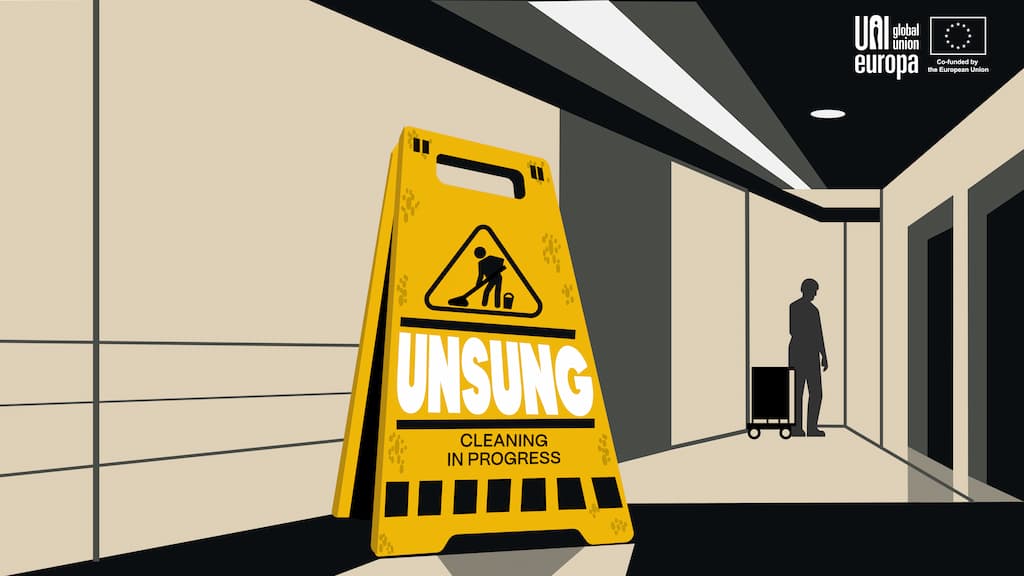
A new documentary podcast, Unsung: Cleaners, has arrived to challenge this status quo. Produced by UNI Europa and co-funded by the European Commission, the four-part series pulls back the curtain on the lives of these essential workers, elevating their experiences from the periphery of the economy to the center of the European policy debate.
The Human Faces of Essential Labor
Unsung: Cleaners is more than a podcast; it is a repository of lived experience. The series features raw, unfiltered testimonies from individuals who form the backbone of the service sector. Among those sharing their stories is Hayat Elhore, a cleaner whose daily labor maintains the halls of power at the European Parliament in Brussels. Another featured voice is Lisa Stenson, a hospital cleaner in Ireland who found herself on the front lines during the initial onset of the COVID-19 pandemic, managing the sanitation of the very first isolation wards.
Their stories weave a complex tapestry of professional dedication, personal hardship, and the quiet dignity found in essential work. The podcast documents the realities of the “night shift” economy—work that is often performed under the cover of darkness, far from the eyes of the public and the policymakers they serve. By centering these voices, the project aims to bridge the empathy gap between those who benefit from clean facilities and those who ensure they remain so.
Chronology of a Crisis: Why Now?
The release of Unsung: Cleaners is strategically timed to coincide with a pivotal moment in European legislative history. The European Union is currently in the midst of a massive overhaul of its public procurement rules. This is not merely a bureaucratic adjustment; it is a fundamental shift in how the EU manages over €2,000 billion in annual public spending.
Historically, public procurement has been driven by a “lowest bidder” philosophy. This model has created a race to the bottom, where private companies—competing for government contracts—slash labor costs to win bids. The consequence has been stagnant wages, precarious employment contracts, and reduced staffing levels for the cleaners who perform these public duties.

As these rules are being rewritten, the conversation has shifted toward social clauses. The podcast serves as an audio advocacy tool, highlighting how current procurement practices directly undermine the well-being of millions of workers. It frames the debate not as a technical exercise in accounting, but as a moral imperative to tie public spending to social standards.
Supporting Data: The Migrant Experience and Labor Barriers
One of the most striking revelations in Unsung: Cleaners is the demographic reality of the cleaning sector. Across many European nations, a disproportionately high number of cleaners are migrants. This is not a random distribution; it is a structural byproduct of the European labor market.

Analysis presented in the series suggests that this trend is the result of several interlocking factors:
- Discriminatory Policy: Complex and often restrictive immigration policies that limit the career mobility of new arrivals.
- Market Barriers: A lack of infrastructure to recognize professional qualifications and skills obtained outside the EU, forcing skilled individuals into low-skill, low-wage roles.
- Systemic Devaluation: The perception of cleaning as “unskilled labor,” which ignores the technical requirements of sanitation, chemical management, and time-sensitive coordination.
The podcast posits that these workers are, in fact, highly skilled, yet they are trapped in a system that refuses to acknowledge their professional competency. By stripping them of their professional identity, the system keeps their bargaining power low and their wages suppressed.

Official Responses and Labor Advocacy
The initiative behind Unsung: Cleaners is part of a broader push by UNI Europa, the European services workers’ union, to advocate for a "socially responsible" procurement policy. Union leaders argue that if a private company is performing a service for the public, the public has a responsibility to ensure that company provides fair working conditions.
While some industry lobby groups have expressed concerns regarding the potential for increased costs associated with stricter social clauses in procurement, the European Commission’s co-funding of this project indicates a growing consensus that the status quo is unsustainable. The Commission has increasingly emphasized the need for a "Social Europe," where economic growth does not come at the expense of worker dignity.

Advocates are calling for "social dumping" to be addressed by requiring contractors to prove that they meet collective bargaining standards and fair wage requirements before they are even considered for government tenders.
The Implications for Policy and Perception
The impact of this podcast, and the movement it represents, could be far-reaching. If successful, the overhaul of public procurement rules could set a precedent for how all essential services—from cleaning to security and logistics—are contracted.

1. Economic Implications
If the "lowest bidder" model is replaced by a "best value" model—one that factors in labor standards—it could result in a necessary inflationary adjustment for cleaning services. While this would increase the cost of public administration, proponents argue it would decrease the social cost currently borne by the state, such as increased reliance on social welfare programs due to low pay.
2. Social Mobility and Integration
By addressing the systemic barriers facing migrant workers, the EU could transform the cleaning sector from a "dead-end" job into a viable entry point for professional integration. This requires a shift in how these qualifications are validated and how career pathways are developed within the service sector.

3. The Power of Narrative
Perhaps the most significant implication is the shift in public perception. By highlighting the stories of workers like Hayat Elhore and Lisa Stenson, the podcast forces the listener to confront their own assumptions about who is "essential." It elevates the act of cleaning from a chore to a critical social service.
Beyond the Podcast: A Broader Podcast Landscape
While Unsung: Cleaners addresses a profound social issue, it enters a podcast market that remains as diverse as it is competitive. As listeners engage with these serious stories, they are simultaneously navigating a landscape that includes everything from tech-focused journalism to niche hobbies.

For instance, Security Now, featuring Leo Laporte and Steve Gibson, continues to define the tech-analysis space, helping business leaders and individuals navigate the complex world of cybercrime—a reminder that security is a concern in both the digital and physical realms. Similarly, Senior Pet Talk with Dr. Amanda Steffen and The Five Star Weekend Official Podcast demonstrate the depth of specialized storytelling available to modern audiences.
Yet, there is a distinct difference between these entertainment-driven offerings and the advocacy-driven nature of Unsung: Cleaners. The success of the latter will be measured not in download numbers alone, but in its ability to influence the legislative debates currently unfolding in Brussels.

Conclusion
The cleaning profession is the invisible infrastructure of our civilization. When we walk into a clean office, a sterile hospital room, or a well-maintained public library, we are walking through the labor of people whose stories are rarely told.
Unsung: Cleaners does the vital work of naming the invisible. It asks the listener to look past the mop and the bucket and see the human being holding them. As the European Union moves to redefine its financial priorities, the voices captured in this series provide a powerful, human-centric argument for change. The future of European procurement will be judged not just by its efficiency or its adherence to fiscal policy, but by its commitment to the dignity of the millions of people who keep the continent running.

For those interested in the human side of the economy, the podcast is available now on Spotify and major platforms. It serves as a reminder that every policy decision, every budget line, and every contract has a human cost—and that it is time for that cost to be paid in full, with the respect and fair wages these essential workers have long been denied.