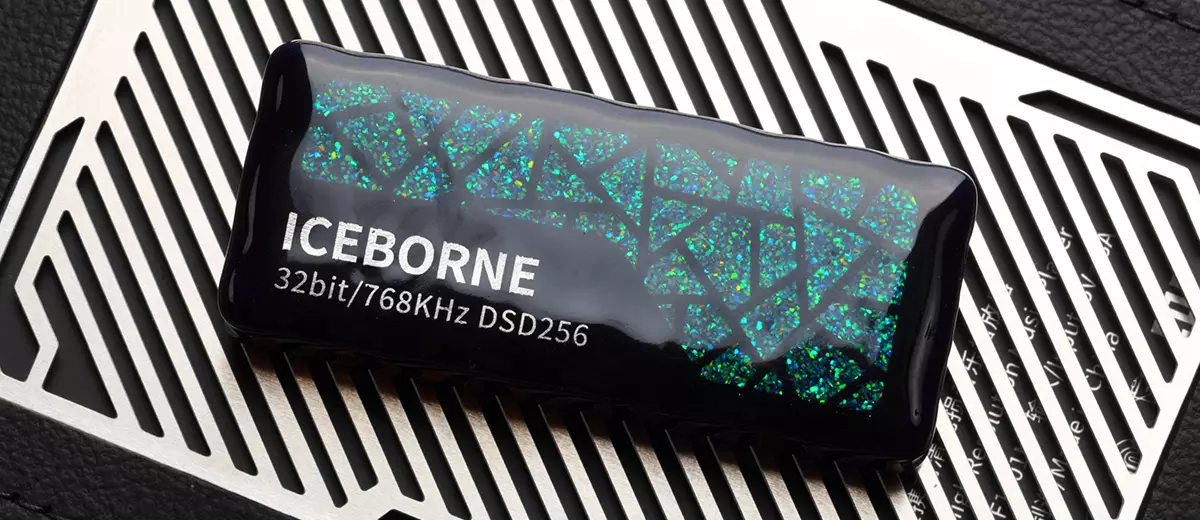
In the rapidly evolving ecosystem of portable high-fidelity audio, the "dongle DAC" segment has become the primary battleground for innovation. While many manufacturers chase marginal gains through aggressive aesthetic overhauls or inflated specifications, AFUL has taken a more measured, methodical approach. With the release of the AFUL ICEBORNE, the company is looking to build upon the reputation established by their 2024 debut, the Snowy Night. Priced at an accessible $149.99, the ICEBORNE enters a crowded market, yet distinguishes itself through a unique resin construction and a highly refined implementation of the dual Cirrus Logic CS43198 chipset.
Main Facts: The Technical Foundation
The AFUL ICEBORNE is a dual-DAC dongle designed for the modern audiophile who prioritizes transparency and neutrality over aggressive coloring. At its heart lies the dual Cirrus Logic CS43198 architecture—a silicon choice that has become the gold standard for portable balanced output.
- Chipset: Dual Cirrus Logic CS43198 DACs.
- Decoding Capabilities: Native support up to PCM 32-bit/768kHz and DSD256.
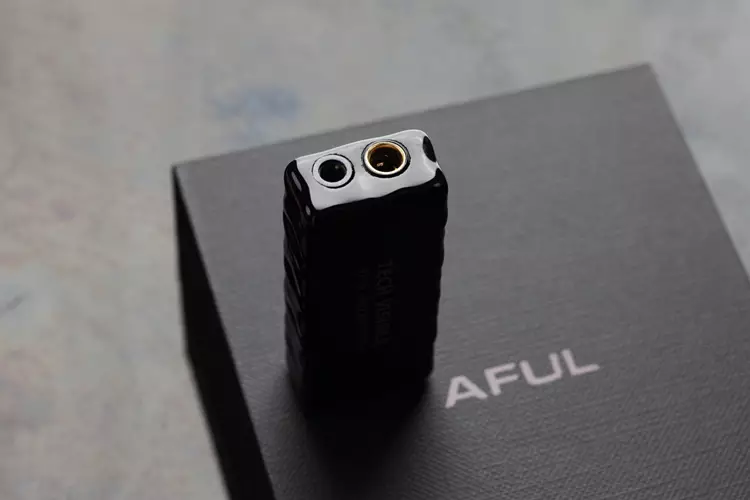
- Output Power: 140mW into 16Ω (3.5mm single-ended) and up to 300mW into 16Ω (4.4mm balanced).
- Physical Dimensions: 54mm x 14mm x 22mm; 25.7 grams.
- Build Material: Proprietary, fully molded-in resin shell.
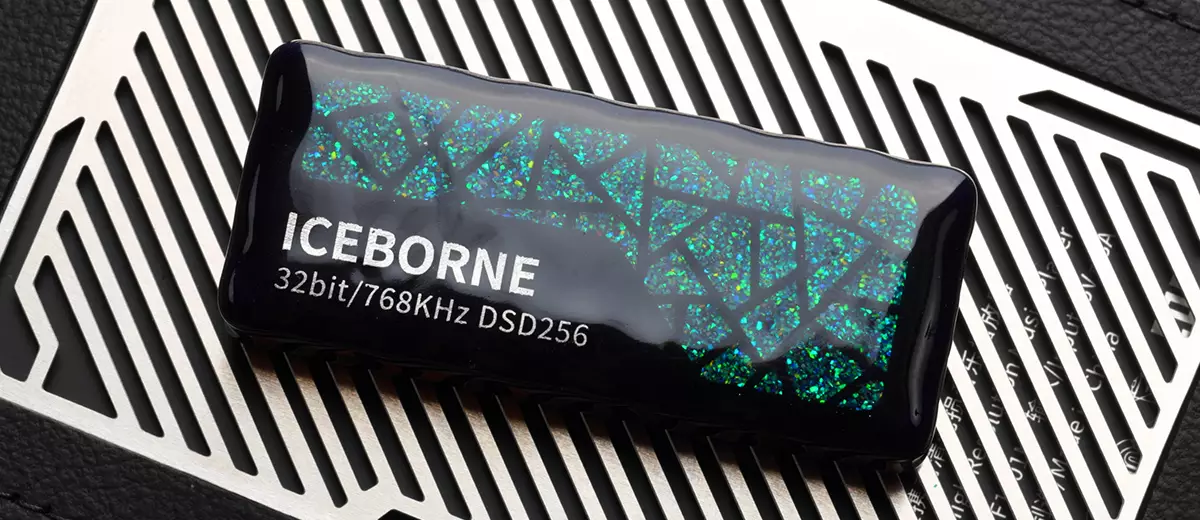
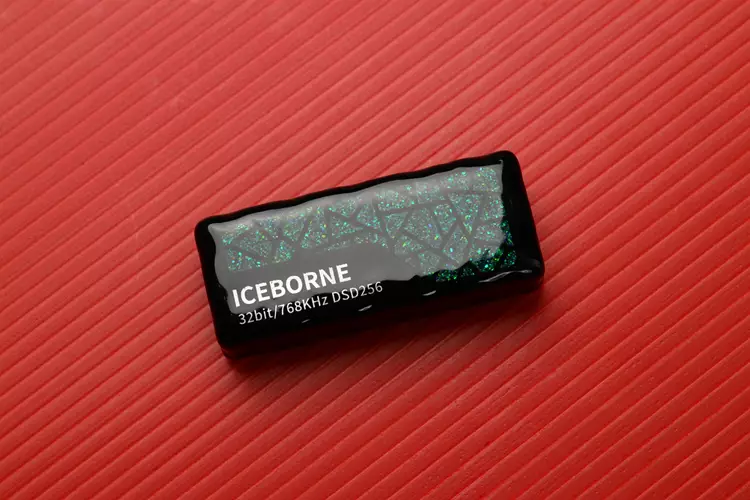
Unlike many competitors that rely on cold, industrial aluminum, the ICEBORNE utilizes a resin housing inspired by the aesthetic of Suzhou garden window lattice. The result is a "melting ice" visual effect that is as ergonomic as it is striking.
Chronology: A Patient Evolution
AFUL is notably distinct from the "flavor-of-the-month" manufacturers that flood the market with new iterations every few months. Since the debut of the Snowy Night in early 2024, the company has spent over two years refining its internal circuitry and signal path optimization.
This deliberate pace of development suggests that AFUL is prioritizing firmware maturity and component synergy over sheer volume of releases. The ICEBORNE is not merely an incremental update; it represents the brand’s second attempt at mastering the CS43198 chip, incorporating lessons learned from the Snowy Night to address noise floors, thermal management, and power efficiency.
Supporting Data: Performance and Fidelity
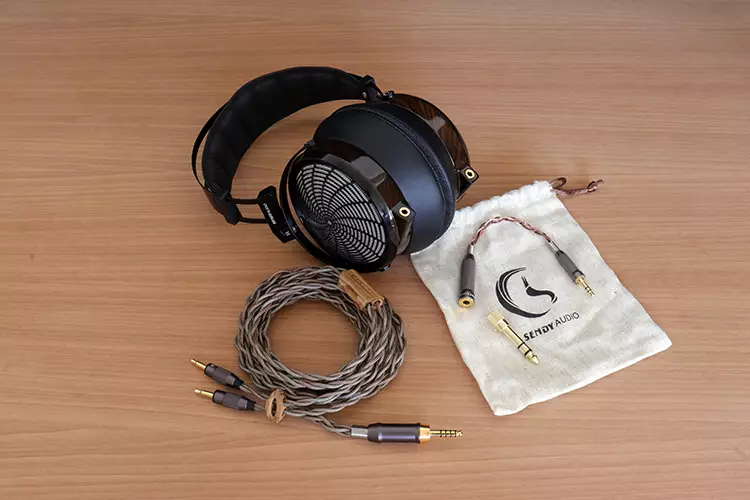
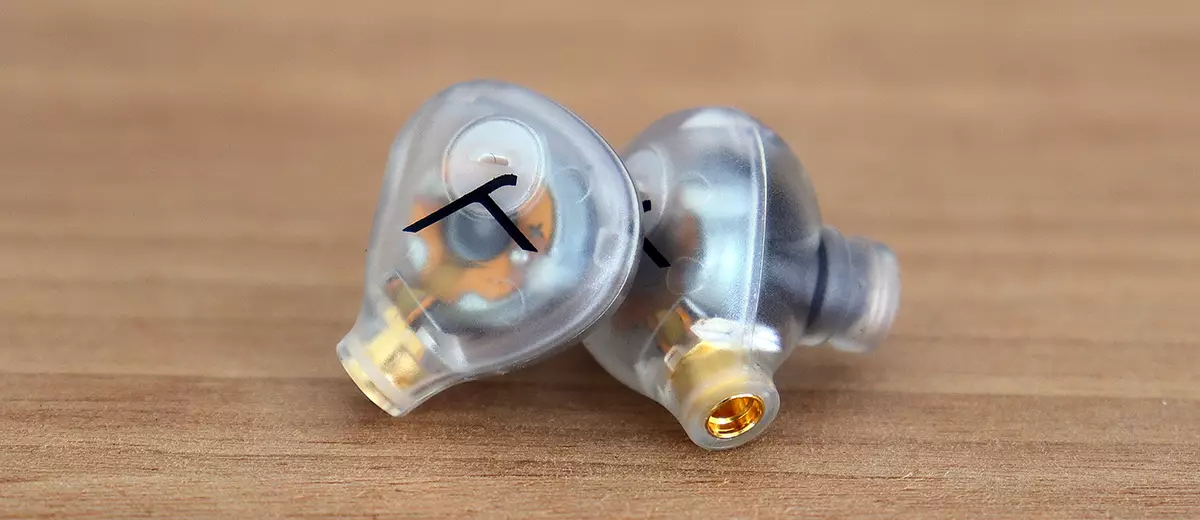
In practice, the ICEBORNE demonstrates a commitment to a "wire-with-gain" philosophy. During extensive testing with a variety of transducers—ranging from the DUNU Falcon Ultra and Tipsy M5 to the demanding Sennheiser HD 6XX—the device maintained a remarkably consistent profile.
Sound Signature and Tonality
The ICEBORNE eschews the common trap of forced warmth or artificial treble sharpness. It offers a flat, neutral, and highly transparent frequency response. Bass delivery is defined by its accuracy rather than "boominess," ensuring that the lower registers remain articulate even at higher volume levels. The midrange is clinical yet engaging, lacking the thinness often associated with budget-friendly DACs.
Staging and Dynamics
The soundstage of the ICEBORNE is above-average for the form factor, exhibiting a commendable sense of width. While the depth is slightly more constrained than that of high-end desktop units, the layering of instruments is exceptional for a device of this size. Instrument decay is handled with precision; sounds fade into the background without the abrupt "clipping" effect often found in lower-tier digital-to-analog converters.
Thermal Efficiency
One of the most surprising findings during our evaluation was the thermal management. Despite the resin shell acting as a potential insulator, the ICEBORNE remains cool to the touch even after extended playback sessions. This suggests that the internal power draw is highly optimized, minimizing waste heat and preventing the thermal-induced jitter that can affect less efficient designs.
Official Perspectives and User Experience
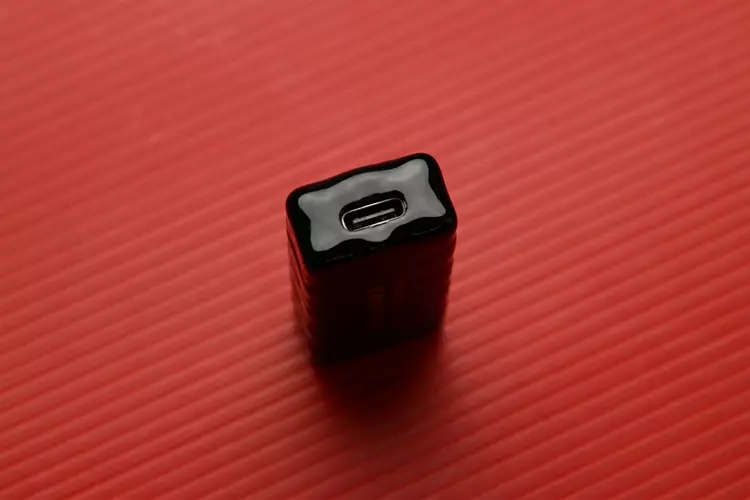
AFUL has made a conscious decision to omit physical volume buttons on the ICEBORNE, shifting control entirely to the source device. While this has become a point of contention among certain factions of the audiophile community who prefer dedicated hardware controls, the implementation here is robust. By handling volume digitally before the conversion stage, the ICEBORNE ensures that the signal integrity is preserved.
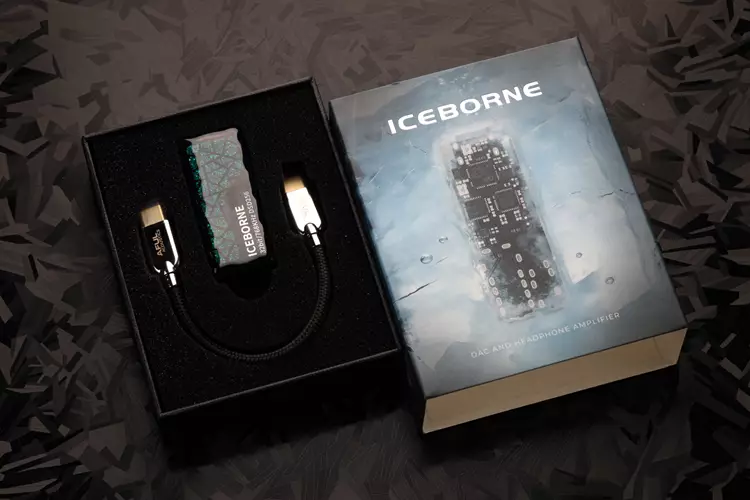
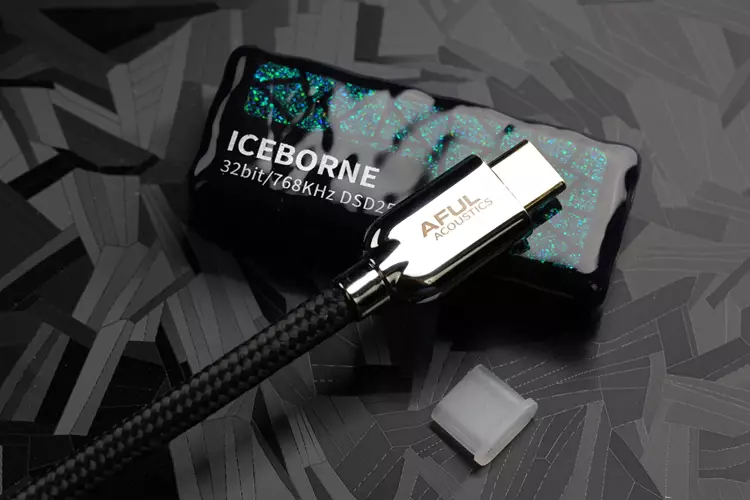
Furthermore, the included USB-C cable warrants special mention. In an era where included accessories are often an afterthought, the AFUL cable features a braided, heavy-duty design with a distinct, classy silver plug. It is directional-coded, though testing confirmed that the device operates flawlessly regardless of orientation, speaking to the unit’s user-friendly nature.
Implications: The Market Position
The ICEBORNE is currently priced at $149.99. In this bracket, it competes against established heavyweights like the xDuoo Link10, the Cayin RU3, and the high-end iBasso DC-Elite.
Who is this for?
The ICEBORNE is ideal for the music enthusiast who demands a "transparent" window into their recordings. It pairs exceptionally well with sensitive IEMs that might reveal the noise floor of lesser DACs. However, users of high-impedance, low-sensitivity full-sized headphones should be aware of the power limitations; while the 300mW balanced output is impressive, it is best utilized within its intended scope of portable headphones rather than power-hungry desktop-class planar magnetics.
Strengths and Limitations
- The "Pro" Perspective: The neutral signature makes it a versatile tool for critical listening. The build quality, while unusual, provides a tactile warmth that is superior to metal dongles during cold weather usage. The absence of RF interference, even when stacked behind a smartphone, is a significant technical achievement.
- The "Con" Perspective: The lack of independent volume control remains a hurdle for those who prefer to keep their phone volume fixed. Additionally, for the power-user, the reliance on UAC-2.0 protocols means that while it is perfect for modern PCs and Android devices, it may face compatibility hurdles with legacy systems or certain game consoles.
Final Verdict
The AFUL ICEBORNE is a sophisticated, mature product that proves the brand is moving in the right direction. It is not designed to be the loudest or the most powerful dongle on the market; rather, it is designed to be the most honest.
By prioritizing a neutral, analytical, and non-fatiguing sound signature, AFUL has created a device that serves as a perfect foundation for a portable audio chain. For $149.99, you are receiving a piece of hardware that is refined, visually distinct, and sonically superior to many of its peers. As long as your expectations are aligned with the realities of the dongle category—namely, that this is an IEM and portable-headphone specialist—the ICEBORNE is a triumphant addition to the AFUL lineup.
Disclaimer: This sample was provided by HiFiGO and AFUL for the purpose of this review. Headfonics remains an independent publication and has received no financial incentive or affiliate commissions for this article.