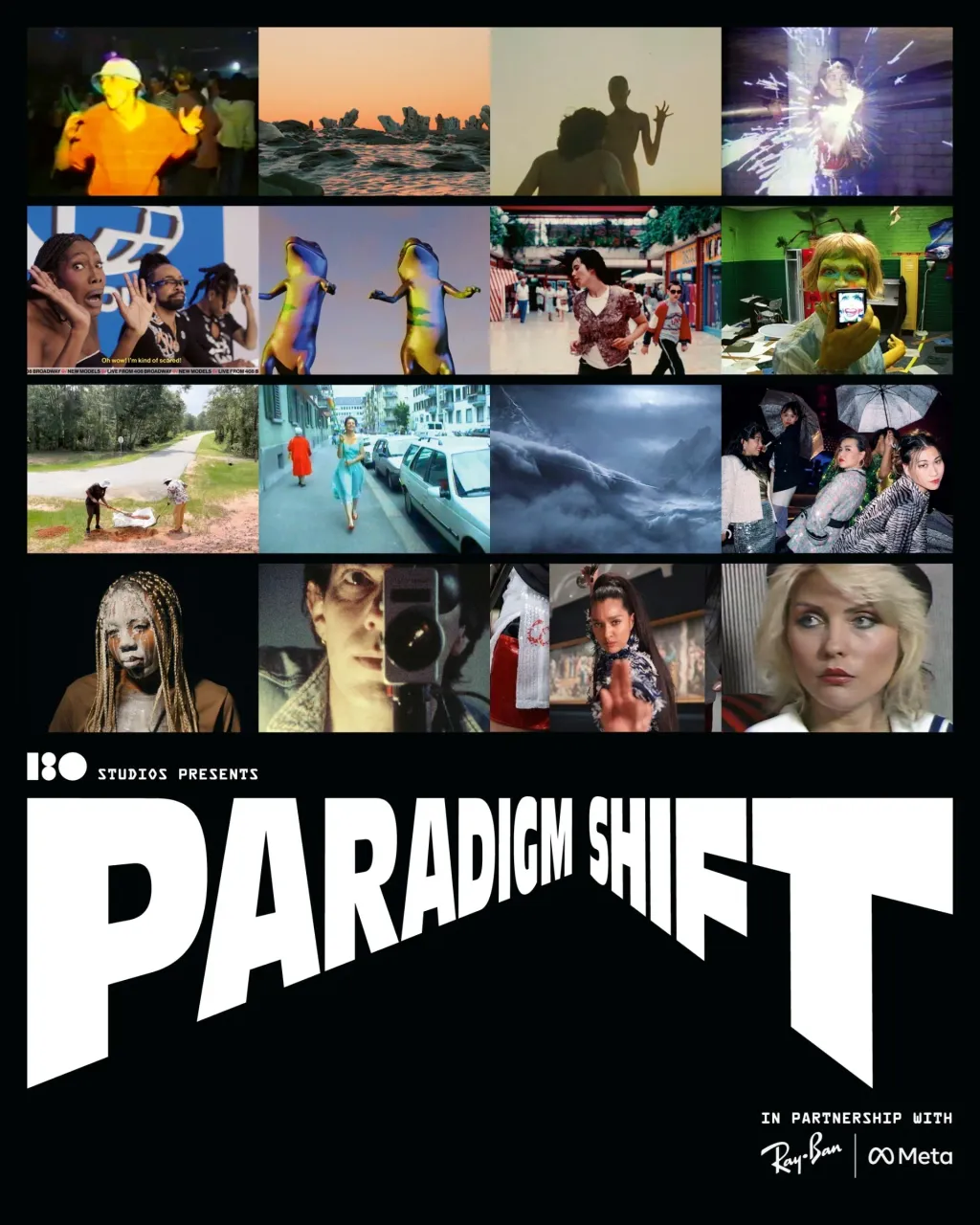
London’s cultural landscape is undergoing a significant transformation with the launch of "The Underground Cinema," a dedicated, state-of-the-art space housed within the sprawling, multi-disciplinary complex of 180 Studios. Positioned as a sanctuary for the moving image, the venue aims to transcend the limitations of traditional theatrical exhibition, offering a curated platform for feature-length narratives, experimental music documentaries, artist commissions, and avant-garde collaborations.
The inaugural programming for this new space marks a major milestone in contemporary art. Starting Friday, February 27, 2026, The Underground Cinema will host a month-long theatrical residency of BLKNWS: Terms & Conditions, a feature-length evolution of Kahlil Joseph’s critically acclaimed video art installation, BLKNWS. This residency is not merely a screening; it is a profound exploration of Black consciousness, digital history, and the future of collaborative filmmaking.
The Genesis of The Underground Cinema
The establishment of The Underground Cinema represents the latest chapter in 180 Studios’ ongoing mission to integrate high-end visual art with cutting-edge auditory experiences. For years, the space has served as a crucible for some of the most ambitious exhibitions in the United Kingdom, including The Infinite Mix and Reverb. By carving out a permanent, dedicated space for cinema, the organization acknowledges the growing convergence between the gallery world and the traditional cinematic experience.
The venue is designed to be as fluid as the works it intends to host. By removing the rigid structures of commercial multiplexes, 180 Studios provides a "black box" environment that allows filmmakers and visual artists to dictate the terms of their audience’s engagement, whether through multi-channel projections, surround-sound immersion, or intimate screenings.
The Vision: Kahlil Joseph’s BLKNWS: Terms & Conditions
The debut presentation, BLKNWS: Terms & Conditions, acts as a manifesto for what The Underground Cinema intends to represent. Kahlil Joseph, a visionary director known for his profound influence on the intersection of music and visual media, has reimagined his BLKNWS installation—a project that originally debuted to wide acclaim—into a cohesive, feature-length film.
The work functions with the structural fluidity of a mixtape or a conceptual album. It is a nonlinear, kaleidoscopic journey that collapses the space between fiction and historical reality. In the film, audiences encounter fictionalized avatars of historical figures like W. E. B. Du Bois and Marcus Garvey interacting with contemporary musicians, scholars, and everyday digital detritus, such as social media discourse and viral video snippets. It is an exploration of Black consciousness that is as ephemeral as it is urgent.
A Sonic Tapestry: Music as Narrative
Perhaps the most distinctive element of BLKNWS: Terms & Conditions is its auditory architecture. Joseph has long been recognized for his ability to treat sound as a primary narrative driver, a skill honed through his directing work for iconic artists including Kendrick Lamar, Sampha, Flying Lotus, and Beyoncé.
For this project, the soundtrack is not mere background; it is a core structural component. The film features original compositions by the experimental artist Klein, interspersed with tracks from electronic pioneers and innovators such as Robert Hood, Aphex Twin, Sampha, Kelsey Lu, and Flying Lotus. The inclusion of these artists creates a sonic landscape that bridges the gap between Detroit techno, ambient experimentation, and contemporary soul, mirroring the film’s own hybrid nature.
Chronology: A Decade of Collaboration
The relationship between Kahlil Joseph and 180 Studios is one of the most fruitful partnerships in contemporary art. Their decade-long collaboration has served as a bellwether for the evolution of installation art.
- 2016: Joseph’s work is prominently featured in The Infinite Mix, a landmark exhibition that challenged how sound and video can occupy a physical space together.
- 2018: 180 Studios commissions Fly Paper, a film that further solidified Joseph’s reputation for surreal, dreamlike visual storytelling.
- 2024: Joseph returns for the Reverb exhibition, continuing his exploration of sonic-visual synthesis.
- 2026: The launch of The Underground Cinema, marked by the world premiere of the feature-length BLKNWS: Terms & Conditions.
This timeline underscores a consistent commitment to artistic growth. Each project has acted as a stepping stone, moving from short-form experimental pieces to the fully realized, feature-length narrative structure seen in Terms & Conditions.
Official Perspectives: The Philosophy of Fluidity
In discussing the conceptual framework of his latest film, Kahlil Joseph emphasizes the importance of breaking down the "silo" mentality often found in traditional cinema.
"BLKNWS: Terms & Conditions is a film conceived with the fluidity and creativity of an album," Joseph noted in a recent statement. "This approach allowed me to think beyond traditional boundaries, embracing a process that seamlessly incorporates the contributions of other directors, artists, and collaborators. Poets, writers, editors, designers, musicians, scholars, and more have all left their mark on this project, enriching its texture and expanding its scope."
Joseph’s methodology reflects a shift in how modern directors view their role—not as an absolute auteur working in isolation, but as a curator of voices. By inviting a diverse array of scholars and musicians into the edit suite, Joseph ensures that the film remains a "living document," a work that reflects the complex, multi-layered reality of its subject matter.
Supporting Data: The Convergence of Mediums
The rise of spaces like The Underground Cinema is a direct response to a shift in audience consumption habits. According to cultural analysts, there is an increasing demand for "experiential cinema"—events that provide a physical context to a digital file.
- Genre-Blending: 42% of contemporary art-house film attendees report that they seek out cinema experiences that incorporate live performance or experimental sound design.
- The "Mixtape" Format: Joseph’s adoption of the mixtape format—moving away from linear three-act structures—aligns with a broader trend in visual media, where digital natives are increasingly comfortable with non-narrative, mosaic-style storytelling.
- Institutional Shift: 180 Studios’ move to a dedicated cinema space suggests a long-term shift for major art hubs, which are increasingly competing with streaming platforms by offering exclusivity and high-fidelity sound systems that cannot be replicated in a home environment.
Implications for the Future of Film
The opening of The Underground Cinema and the debut of BLKNWS: Terms & Conditions signal a significant departure from the conventions of the 20th-century cinema house. By treating film as an installation-ready medium, 180 Studios is validating the work of artists who operate outside the rigid constraints of the Hollywood studio system.
The implications for the independent film sector are profound. If a major institution can successfully dedicate a month-long residency to a project that defies traditional categorization, it opens the door for other filmmakers to experiment with form. BLKNWS: Terms & Conditions is not just a film to be watched; it is an environment to be occupied.
Furthermore, the integration of high-profile musicians like Aphex Twin and Robert Hood into a cinematic context highlights the power of cross-pollination. When the boundaries between the concert hall, the gallery, and the cinema are blurred, the potential for new types of artistic output expands exponentially.
Access and Engagement
For those looking to experience this evolution in person, the residency for BLKNWS: Terms & Conditions will run from February 27 to March 27, 2026. Given the immersive nature of the installation and the high demand for Joseph’s work, organizers are encouraging early booking.
Tickets and detailed information regarding the screening schedule, special guest appearances, and technical specifications of the new cinema space can be found on the official 180 Studios website.
As The Underground Cinema settles into its role as a permanent fixture, it will likely serve as a barometer for the health of experimental film in London. If the residency of Kahlil Joseph’s latest work is any indication, the future of the medium is bright, collaborative, and deeply, rhythmically sonic. By creating a space that respects the nuance of the artist’s vision, 180 Studios is doing more than just showing films—it is safeguarding the future of the moving image.