By Tech Staff
July 18, 2026
Main Facts: A Brief Interruption in Autonomous Mobility
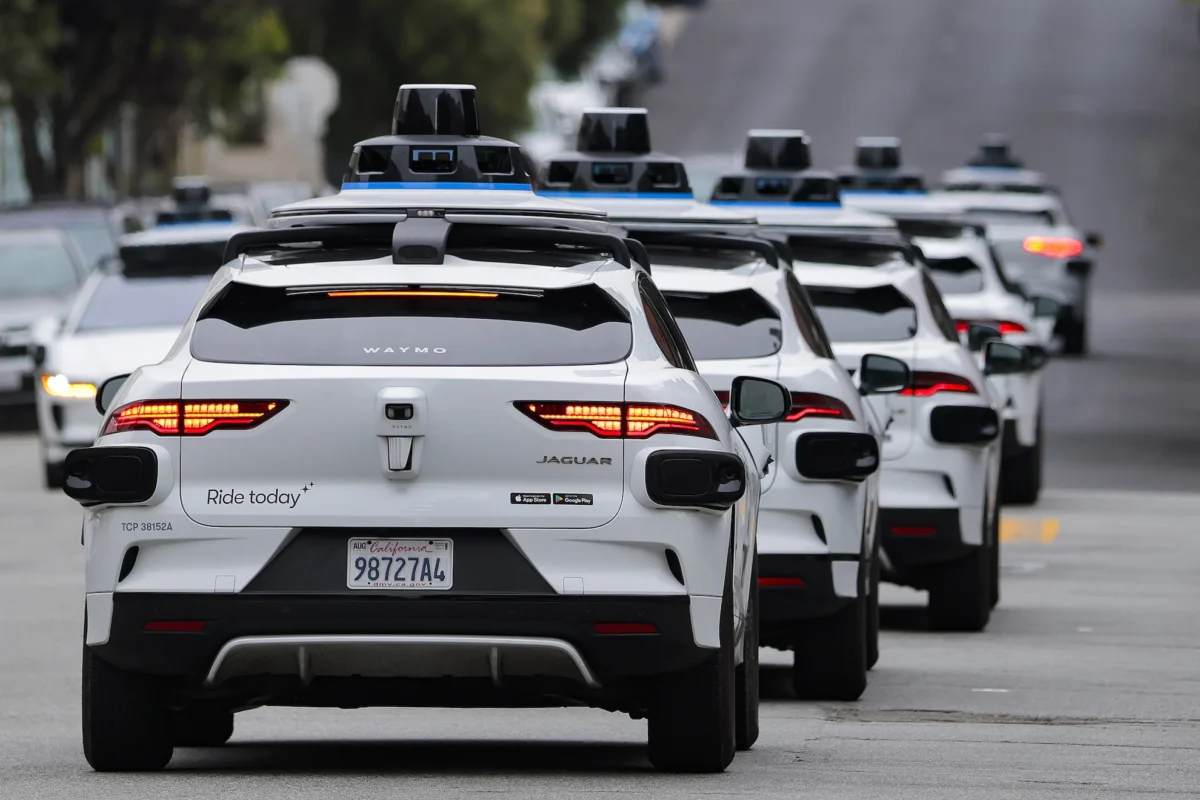
Waymo, the Alphabet-owned autonomous driving pioneer, briefly suspended its robotaxi operations in San Francisco on July 18, 2026, following a widespread power outage that impacted roughly 7,000 Pacific Gas and Electric (PG&E) customers. The disruption, which lasted for approximately one hour, served as a stark reminder of the complexities inherent in integrating high-tech, data-reliant autonomous fleets into the fragile, aging infrastructure of a major metropolitan area.
While the service pause was characterized as a "temporary adjustment" by the company, it highlighted the ongoing tension between the rapid expansion of autonomous vehicle (AV) technology and the logistical realities of urban grid management. By mid-afternoon, Waymo confirmed that normal operations had resumed, though the event has reignited a heated policy debate regarding the safety protocols and regulatory oversight of driverless vehicles during public emergencies.
Chronology of the Disruption
The events of July 18 unfolded with rapid succession as the morning commute transitioned into midday activities.
- 11:30 AM PDT: Reports of a significant power outage began circulating across San Francisco, with PG&E identifying a major failure affecting a wide swathe of the city’s residential and commercial districts.
- 12:00 PM PDT: Waymo’s internal monitoring systems flagged the outage, which threatened to disrupt connectivity for its fleet. Connectivity is the lifeblood of the Waymo Driver, as the vehicles rely on a constant stream of data, cloud-based navigation, and communication with remote human assistants.
- 12:15 PM PDT: Users attempting to hail a vehicle via the Waymo app were met with notifications stating that service was "temporarily paused" and that specific routing, particularly on freeways, was unavailable. Social media platforms, particularly X (formerly Twitter), were quickly flooded with screenshots from frustrated commuters.
- 12:30 PM PDT: The company officially acknowledged the situation, stating they were making "temporary adjustments" to monitor local conditions.
- 1:30 PM PDT: After assessing the grid stability and ensuring that their fleet could operate safely without risking stalled vehicles in active traffic lanes, Waymo announced the resumption of full service across the city.
Supporting Data: The Infrastructure-Autonomous Nexus
The reliance of Waymo’s fleet on robust, constant connectivity cannot be overstated. Autonomous vehicles operate through a sophisticated "sensor-fusion" architecture that combines LiDAR, radar, and cameras. However, the decision-making process—especially when navigating complex, non-standard traffic scenarios—often relies on real-time data from city maps and traffic management systems.
When a power outage hits a city, it doesn’t just affect the traffic lights (which are often equipped with battery backups); it affects the cellular infrastructure and the data centers that facilitate the "vehicle-to-everything" (V2X) communication necessary for sophisticated fleet management.
This incident is not an outlier. Historically, Waymo has struggled during infrastructure failures:
- December 2025: A massive blackout caused several Waymo vehicles to stall mid-block, creating significant congestion and forcing the company to pause operations for several hours.
- July 2026 (Independence Day): An increase in traffic density and connectivity strain during a fireworks display on the Golden Gate Bridge caused a similar "paralysis" of traffic, where vehicles became confused by the chaotic environment and the sheer volume of mobile data usage in the area.
These instances suggest a pattern: the more autonomous vehicles are integrated into the city, the more susceptible the city’s traffic flow becomes to the reliability of the electrical grid.
Official Responses: Navigating Public Trust
The response from Waymo was calibrated to balance transparency with the need to reassure the public. In a statement provided to TechCrunch, a spokesperson stated: "We are making temporary adjustments to our service while we monitor local conditions. We know riders depend on us, and we will return to normal operations as soon as possible."
Later, a secondary clarification was provided to address concerns about the duration of the outage: "We decided to pause service for approximately one hour to assess the scale of the power outage affecting a large portion of San Francisco and coordinate with local officials."

This coordination with local officials is perhaps the most significant part of the company’s evolving strategy. In the past, tech companies were often criticized for "moving fast and breaking things," a philosophy that rarely plays well with municipal government. By proactively pausing service, Waymo appears to be attempting to avoid the optics of having their vehicles become "obstacles" during an emergency, which could hinder the movement of emergency responders.
The Policy Implications: A Call for Stricter Regulation
The most significant fallout from the July 18 incident may not be the hour of downtime, but the political reaction it has catalyzed. San Francisco Mayor Daniel Lurie has taken an increasingly assertive stance against the current regulatory framework governing AVs in California.
In response to the recurring nature of these "traffic fiascos," Mayor Lurie has formally petitioned the California Public Utilities Commission (CPUC) and the Department of Motor Vehicles (DMV) to implement more stringent rules.
"We need a framework that goes beyond simple testing," a representative for the Mayor’s office noted. "We need to know exactly how these vehicles are programmed to behave during a city-wide emergency. If the power grid fails, if the internet goes down, or if an earthquake hits, these companies need to prove that their fleets won’t just freeze in the middle of our intersections."
The Mayor’s push for "tougher regulations" aims to address three specific areas:
- Emergency Protocols: Mandating that AV companies provide the city with real-time, "kill-switch" coordination capabilities during declared emergencies.
- Infrastructure Resilience: Requiring AV operators to maintain redundant connectivity systems that are independent of standard public cellular networks.
- Liability and Traffic Impact: Establishing clear penalties for companies whose vehicles obstruct emergency services or public thoroughfares during unplanned events.
Looking Ahead: The Future of Urban Mobility
The incident on July 18 serves as a microcosmic view of the future of smart cities. As urban environments become more digitized, the dependencies between energy providers, telecommunications companies, and transportation services will tighten.
For Waymo, the challenge is twofold: they must continue to refine their software to handle degraded environments where data is scarce or unreliable, and they must navigate a shifting political landscape where the "tech-first" immunity once enjoyed by Silicon Valley firms is being replaced by calls for heightened accountability.
As of the current writing, the San Francisco streets are clear, and the robotaxis are back in motion. However, the questions posed by Mayor Lurie and the recurring technical hurdles faced by the company suggest that the path toward a fully autonomous future will be paved with more than just software updates—it will require a fundamental rethink of how we maintain the resilience of our urban infrastructure in the age of AI.
As cities globally watch the San Francisco experiment, the lessons learned from this hour-long pause will likely influence the regulations and operating procedures of robotaxi fleets in London, Tokyo, and New York. The technology is undoubtedly capable, but as the events of July 18 demonstrate, the city itself remains the ultimate, and most unpredictable, variable in the equation.