Introduction: A Turbulent Week for Music’s Legal Titans
The machinery of the global music industry rarely stops, but this week, the gears ground to a halt for HYBE, the South Korean powerhouse behind global sensations like BTS and NewJeans. In what has been described as a "legal blitzkrieg," the company found itself named as a defendant in two high-stakes copyright infringement lawsuits filed within 48 hours of one another. As the industry watches, these cases—coupled with a flurry of other legal developments across the music landscape—have placed HYBE at the center of a growing debate regarding originality, sample clearance, and the increasingly litigious nature of the modern music business.
Beyond the HYBE cases, the legal news cycle was dominated by high-profile disputes involving Taylor Swift, Bad Bunny, and the persistent threat of ticket scalping, underscoring a week where the courtroom proved as significant as the recording studio.
The HYBE Cases: A Dual Front of Infringement Claims
The NewJeans "ETA" Allegation
The week began with a formal complaint from All Surface Publishing, which alleges that the 2023 NewJeans track "ETA" is an unauthorized derivative work. The plaintiffs claim that the song—a mid-tempo, infectious dance track—utilizes multiple distinct elements from an instrumental composition titled "Samir’s Theme." The track in question, released nearly two decades ago, has been cited by the claimants as the foundational source material for the melody and structural arrangement of "ETA." While NewJeans has enjoyed massive success, this lawsuit threatens to cast a shadow over their discography, forcing legal teams to parse through musicological evidence to determine if the similarities are coincidental or a direct infringement.
The BTS "Swim" Controversy: An Expert-Led Challenge
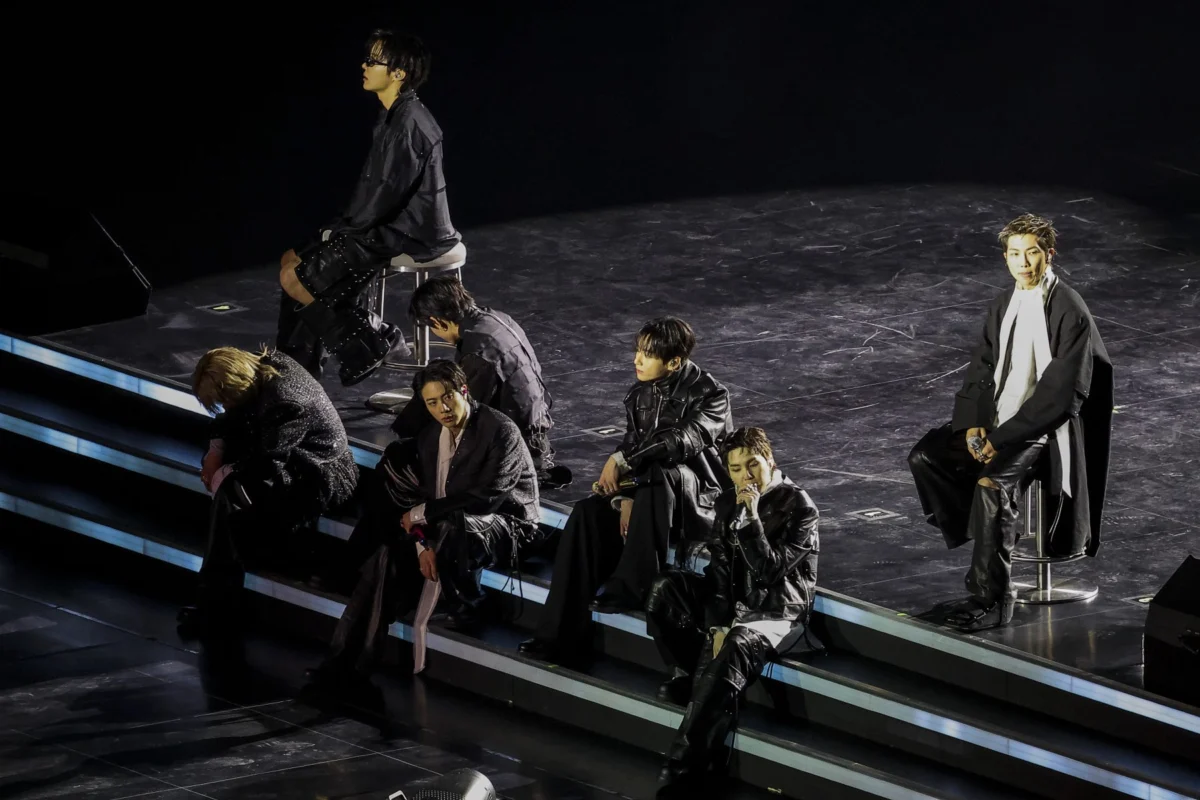
Perhaps even more damaging to the company’s prestige is the lawsuit filed on Wednesday (July 8) regarding the BTS mega-hit "Swim." As the lead single from their latest project, ARIRANG, the song debuted at No. 1 on the Billboard Hot 100 and maintained its dominance for 15 weeks. The plaintiffs, a group of three relatively unknown songwriters, allege that the track was built upon an unpublished demo that was never legally cleared.
What makes this filing particularly dangerous for HYBE is the inclusion of an expert report by renowned musicologist Alexander Stewart. Stewart is a veteran of the "big-ticket" music litigation circuit, having served as a key witness in the high-profile disputes over Ed Sheeran’s "Let’s Get It On" and Led Zeppelin’s "Stairway to Heaven." While those previous cases ultimately ended in favor of the artists, Stewart’s involvement signals that the plaintiffs are prepared to present a technically rigorous case that aims to prove structural, melodic, and harmonic similarities that go beyond mere coincidence.
Chronology of the Legal Conflict
- Tuesday Morning: All Surface Publishing files a complaint in the District Court, alleging copyright infringement regarding the NewJeans track "ETA."
- Wednesday Afternoon: A group of independent songwriters files a secondary suit against HYBE, claiming the BTS smash hit "Swim" lifts material from their unpublished demo.
- Wednesday Evening: HYBE announces an aggressive push to curb the sale of counterfeit merchandise surrounding the BTS ARIRANG world tour, shifting the focus momentarily from their own alleged infringement to the protection of their intellectual property.
- Thursday: Legal analysts begin drawing comparisons between the "Swim" litigation and historical cases like the Blurred Lines ruling, suggesting a trend of plaintiffs targeting global stars based on musicological analysis.
Supporting Data and Industry Context
The music industry is currently witnessing a "copyright epidemic." As streaming platforms reward catchy, familiar hooks, the line between "influence" and "theft" has become increasingly blurred.
According to recent industry data, copyright litigation has increased by roughly 22% over the last five years. The reliance on expert musicologists like Alexander Stewart is now the industry standard for plaintiffs. These experts utilize digital audio workstations (DAWs) to isolate tracks, comparing waveforms, frequency spectrums, and MIDI sequences to demonstrate "substantial similarity."

For HYBE, the financial implications are significant. Beyond potential damages, the legal fees for mounting a defense against top-tier firms can reach seven figures, and a loss could lead to a permanent injunction on streaming, or worse, the forced redistribution of royalties for the duration of the copyright term.
Official Responses and Defensive Strategies
While HYBE has not yet released a detailed public statement regarding the two copyright cases, internal sources suggest the company is prepared to contest the claims vigorously. Historically, HYBE has maintained that its production process involves strict compliance checks and that any similarities are "common motifs" within the K-pop genre rather than actionable infringement.
In the case of the ARIRANG tour merchandise, the label has been much more vocal, issuing a statement that they will "pursue all available legal avenues to protect the band’s brand and the interests of their fans against unauthorized, low-quality counterfeit goods." This dual-sided approach—defending their own creative output while aggressively policing their brand—is a common defensive posture for major labels.
Wider Industry Implications: A "Legal Beat" Update
The legal landscape this week extended far beyond HYBE’s corporate offices.
Taylor Swift’s Continued Legal Battle
The saga between Taylor Swift and a self-published Florida poet took a dramatic turn this week. After a judge dismissed the poet’s claim that Swift had plagiarized lyrics, the plaintiff filed an immediate appeal. This indicates that the legal pressure on high-profile artists is relentless, regardless of court victories.
Bad Bunny and the Rights of Privacy
In Puerto Rico, the Supreme Court has allowed a lawsuit to move forward against Bad Bunny. The case centers on the artist’s use of an ex-girlfriend’s voice on his record-breaking album Un Verano Sin Ti. This case is being closely watched as it touches on the evolving "Right of Publicity," potentially setting a precedent for how artists use personal recordings in their commercial work.
StubHub and the Scalping Controversy
StubHub, one of the world’s largest ticket platforms, faces a new class-action lawsuit. The suit arises from allegations that the company’s CEO is also a managing partner in a ticket brokerage firm, creating an inherent conflict of interest. Critics argue that this arrangement allows the company to profit from the same high-priced secondary market tickets that they claim to regulate, adding fuel to the ongoing fire of ticket transparency in the U.S.

The Financial Struggles of Nicki Minaj
In a stark reminder that legal battles often leave the artists themselves in financial distress, Nicki Minaj is reportedly facing a default judgment over $230,000 in unpaid legal fees. Her attorneys claim the fees are for work performed defending the rapper in recent copyright infringement cases, illustrating the cascading financial burden of the current litigious environment.
Analysis: The Future of Music Law
As we move through 2026, the intersection of technology and law is becoming more volatile. The use of AI in music production is expected to add another layer of complexity to these existing copyright claims. For HYBE and other labels, the lesson is clear: the era of "move fast and release" is ending.
The defense of the BTS and NewJeans tracks will likely come down to "access." The plaintiffs must prove that the defendants had access to the unpublished works. In an age of global internet connectivity, proving that an artist has never heard a song before is becoming a near-impossible standard.
Conclusion
The week’s events represent a broader trend of accountability in the music industry. Whether it is a global superstar like BTS or a ticketing giant like StubHub, the law is increasingly closing the gap on entities that were previously considered untouchable. For HYBE, the coming months will be a test of their institutional strength. If they can successfully defend their compositions, they will solidify their position as a mature, legally robust global enterprise. If they fall, the music industry may witness a fundamental shift in how artists approach the creative process, forcing a more cautious, clearance-heavy future for pop music.
As always, The Legal Beat will continue to monitor these developments, providing the necessary clarity as these cases wind their way through the court system. For now, the music world waits for the next gavel to fall.