The secondary ticketing industry has long been a lightning rod for consumer frustration, characterized by dynamic pricing, opaque service fees, and the perpetual struggle to secure face-value tickets. However, a new controversy has erupted that shifts the focus from market mechanics to corporate ethics. StubHub, one of the world’s largest ticket marketplaces, is now embroiled in a class-action lawsuit following the revelation that its CEO, Eric Baker, has been a significant player in the very reselling ecosystem his company facilitates.
The lawsuit, filed on July 13 in the wake of investigative reporting, alleges that StubHub misled millions of fans by marketing itself as a "neutral" platform while its leadership maintained deep, profitable ties to large-scale ticket scalpers.
The Core Allegation: A Conflict of Interest
The catalyst for this legal firestorm was a report published by CBC News on July 10, which parsed through regulatory filings submitted ahead of StubHub’s September 2025 Initial Public Offering (IPO). The documents revealed that Eric Baker is the managing partner of Andro Capital, a private investment fund that has been actively reselling tickets on StubHub for nearly two decades.
According to the SEC filings, Andro Capital has utilized the StubHub platform to sell tickets since 2008, generating more than $5 million in proceeds since 2022 alone. Furthermore, the disclosures indicated that an affiliate of Andro, known as Colloquy Capital, maintains a formal referral agreement with StubHub.
The plaintiff in the class-action suit, Louis Sanquini, argues that while these details were buried in technical regulatory disclosures—technically satisfying SEC requirements—they were never communicated to the average consumer. For fans, this creates a fundamental breach of trust. Sanquini, who purchased tickets for a Kiss concert at Madison Square Garden and a New York Red Bulls match, claims he operated under the assumption that he was buying from an individual fan in a fair, neutral marketplace.
A Chronology of Concealment and Discovery
To understand the gravity of the current situation, one must look at the timeline of events leading up to the IPO and the subsequent public backlash.
- 2008: Andro Capital begins its operations as a ticket reseller, utilizing the StubHub platform as its primary venue for secondary sales.
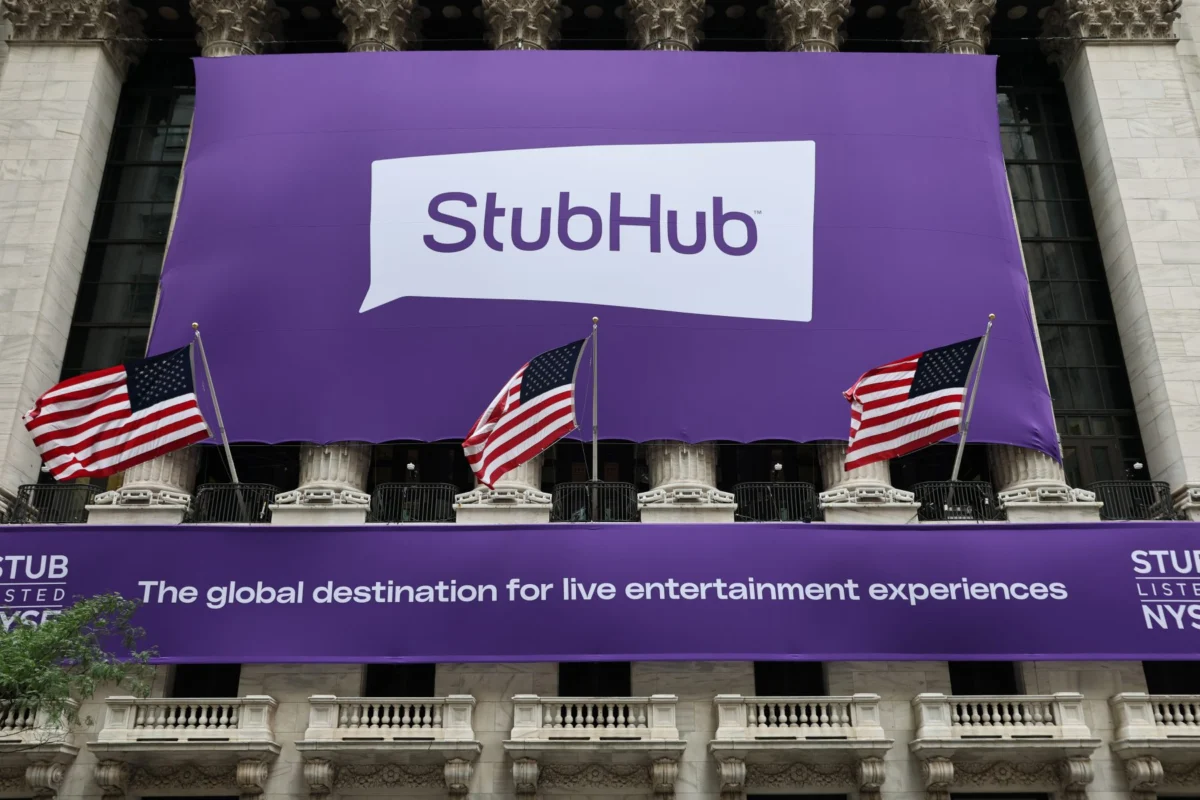
- September 2025: StubHub rings the opening bell at the New York Stock Exchange, officially going public at $23.50 per share. In the lead-up to this event, the company includes disclosures regarding Eric Baker’s involvement with Andro Capital and Colloquy Capital within its SEC filings.
- Post-IPO (Late 2025–Early 2026): StubHub’s stock price begins to slide. Investors file separate litigation alleging that the company failed to disclose underlying cash flow issues.
- July 10, 2026: CBC News publishes an investigative report bringing the details of Baker’s involvement in Andro Capital to the public’s attention. The report highlights the inherent conflict of interest between a CEO managing a platform and the CEO profiting from the supply-side of that same platform.
- July 13, 2026: Louis Sanquini files a class-action lawsuit in federal court, accusing StubHub of fraud, unjust enrichment, and consumer protection violations.
The Illusion of the "Neutral Marketplace"
At the heart of the legal argument is the branding strategy StubHub has employed for years. By positioning itself as a "fan-to-fan" marketplace, StubHub built a reputation as an intermediary, not a participant.

The lawsuit’s language is pointed: "Plaintiff and members of the proposed class purchased tickets on StubHub believing they were buying from individual fans through a neutral marketplace, when in fact StubHub’s own leadership has a direct financial stake in, and StubHub itself helps finance, the large-scale resale operations that supply much of the platform’s inventory."
For the average consumer, this distinction is not merely academic. Many fans perceive ticket resale as a predatory practice that drives up prices to exorbitant levels. If the platform itself is essentially "scalping its own users" through a CEO-backed entity, the perception of fairness—a core tenet of StubHub’s value proposition—effectively evaporates.
Legal and Ethical Implications
Keven Steinberg, the attorney representing the plaintiff, emphasized that this case transcends a simple business dispute. "This is about transparency and consumer trust," Steinberg stated. "If companies make representations to the public, consumers are entitled to expect that those representations are complete and accurate. Consumers deserve honesty when they make event purchasing decisions, particularly on platforms that market themselves as ‘neutral marketplaces.’"
The lawsuit seeks to represent a nationwide class of fans who utilized the site under the impression that they were engaging in peer-to-peer commerce. The legal claims center on:
- Fraud: Alleging that StubHub intentionally hid material facts about its business model to keep transaction volume high.
- Unjust Enrichment: Claiming that the company profited unfairly by failing to disclose that it was effectively playing both sides of the transaction.
- Consumer Protection Violations: Arguing that the marketing tactics used to attract users constituted deceptive trade practices.
StubHub’s Stance and the Broader IPO Fallout
StubHub has maintained a disciplined silence regarding the new lawsuit. However, in response to the CBC report, a company spokesperson reiterated the defense that the information was "fully disclosed in StubHub’s public SEC filings."
This "legal compliance" defense is likely to be the cornerstone of their strategy. By arguing that the information was publicly available to anyone who took the time to read the lengthy, technical IPO prospectuses, StubHub will attempt to argue that they did not defraud the public. However, legal experts suggest that while this may satisfy regulators, it may not satisfy the "reasonable consumer" standard required in civil litigation.
This latest blow comes at an already difficult time for the company. The ongoing investor lawsuit regarding the company’s stock price decline suggests a pattern of dissatisfaction. Investors and consumers alike are now scrutinizing StubHub’s business practices with a level of rigor that was absent before the company went public.

The Future of Ticket Resale
The fallout from this case could have lasting impacts on the ticketing industry. If the courts find that StubHub’s failure to explicitly disclose the CEO’s ties to high-volume resellers constitutes deception, it could force a radical shift in how such platforms are regulated.
Legislators and regulators are already under pressure to curb "junk fees" and predatory scalping. This scandal provides significant ammunition for those who argue that the secondary market is structurally biased against the fan. Should the class action be successful, it could set a precedent that requires platforms to clearly label whether a ticket is being sold by an individual fan or a professional entity with ties to the company’s leadership.
Furthermore, this case highlights the risks inherent in the current model of secondary ticketing. As StubHub continues to struggle with its stock price and public perception, the narrative of a "neutral marketplace" is becoming increasingly difficult to maintain.
Conclusion
The story of Eric Baker and Andro Capital serves as a case study in the gap between corporate transparency and technical disclosure. While StubHub followed the letter of the law in its SEC filings, the spirit of the law—and the trust of its users—may have been abandoned in the process. As the legal proceedings unfold, the court will be forced to determine whether a CEO’s secret profit-making through the company’s own platform is a legitimate business strategy or a betrayal of the consumer base.
For the millions of fans who log on to StubHub hoping for a fair chance at a concert ticket, the answer is likely clear. For StubHub, the road ahead involves not just defending a lawsuit, but attempting to rebuild a reputation that has been fundamentally compromised. Whether the platform can return to being viewed as a "neutral" intermediary or will be forced to acknowledge its role as a active participant in the secondary market remains to be seen. One thing is certain: the era of "trust us" in the ticketing industry is coming to a definitive end.