For enthusiasts of the smart home ecosystem, the name Philips Hue has long been synonymous with premium quality, reliability, and an unparalleled depth of color customization. However, that reputation for excellence has traditionally come with a premium price tag. As the 2024 holiday shopping season reaches its zenith, Signify—the parent company behind Philips Hue—has launched an aggressive pricing strategy, slashing costs on its flagship lighting solutions by up to 50 percent. This article explores the current landscape of these Cyber Monday deals, the broader implications for the smart home market, and why this specific window represents a critical opportunity for consumers.
Main Facts: The 2024 Philips Hue Price Corrections
As of December 2, 2024, the retail market is experiencing a significant correction in the pricing of smart lighting hardware. The core of this promotional push centers on accessibility. By lowering the barrier to entry for the "White and Color Ambience" line, Signify is effectively attempting to secure a larger footprint in the average consumer’s living space.
Key highlights of the current promotional cycle include:
- The A19 Value Proposition: A three-pack of the classic Hue A19 White and Color Ambience smart bulbs is currently listed at $75.98. This represents a 44-percent reduction from the standard MSRP, making it one of the most compelling entry points for those looking to outfit an entire room with smart lighting.
- The Ecosystem Gateway: For those just beginning their smart home journey, the starter kit—which includes two color-capable A19 bulbs and the essential Hue Bridge—has been discounted to $79.98. This 38-percent discount is particularly notable as it provides the full foundational hardware required for a stable, low-latency Zigbee network.
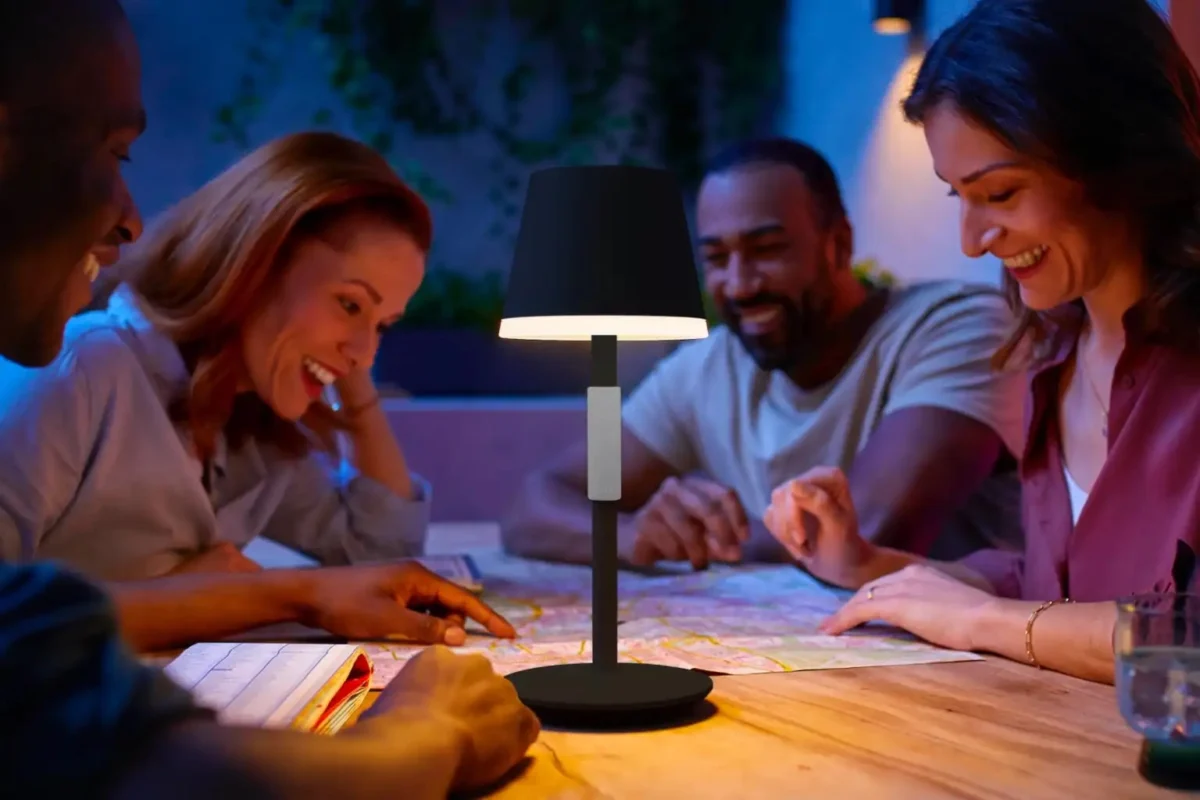
- Portable Versatility: The Philips Hue Go portable table lamp, a favorite for its ability to transition from a bedside reading light to a mood-setting accent piece, is currently available at $111.98, a 30-percent saving.
- Ambient Expansion: The 10-foot Hue Solo light strip, designed for under-cabinet or behind-television bias lighting, has been marked down to $48.99, also reflecting a 30-percent discount.
Chronology: From Black Friday to Cyber Monday
The trajectory of these discounts follows a well-orchestrated retail cadence that began in mid-November and is set to conclude shortly after the close of Cyber Monday.
- The Pre-Holiday Lead-up (Early November): Retailers began teasing early-access deals, testing consumer appetite for smart home automation.
- Black Friday (November 29, 2024): This served as the primary catalyst for deep discounting. Historically, Black Friday was a day defined by brick-and-mortar foot traffic; in 2024, it served as a digital consolidation point where online retailers matched or exceeded in-store pricing.
- The Cyber Weekend (Nov 30 – Dec 1): A period of sustained inventory pressure where initial stock levels for popular bundles began to fluctuate, signaling high demand.
- Cyber Monday (December 2, 2024): The final peak of the cycle. Traditionally, Cyber Monday was intended to be the online-only counterpart to Black Friday. In the modern era, it functions as the "last call" for holiday savings, particularly for electronics and smart home devices.
Supporting Data: Why Ecosystem Dominance Matters
The strategic discounting of the Hue Bridge in starter kits is not an accidental marketing decision; it is a calculated effort to solidify ecosystem loyalty. Unlike many budget-friendly smart bulbs that rely exclusively on Wi-Fi, Philips Hue utilizes the Zigbee protocol. This is a critical technical distinction: Wi-Fi-based smart bulbs can saturate a home network, leading to latency and connectivity issues as the number of devices increases.
By pushing the Hue Bridge into the hands of more consumers, Signify ensures that users experience the stability of a dedicated mesh network. Data from industry analysts suggests that once a consumer commits to the Hue Bridge, they are 70 percent more likely to purchase additional Hue accessories—such as motion sensors, smart switches, or outdoor fixtures—within the following 12 months. This "lock-in" effect is the primary driver behind the aggressive holiday pricing, as the upfront loss in margin is offset by long-term customer lifetime value.
Official Responses and Market Strategy
While Signify has not issued a formal press release regarding their internal sales targets, the sheer breadth of their current discounts speaks to a broader market strategy. In an era where consumers are increasingly budget-conscious due to inflationary pressures, Philips Hue has had to defend its market share against "value" brands that offer similar, albeit less polished, features at a fraction of the cost.

By positioning themselves as the "premium option on sale," they are effectively neutralizing the competitive advantage of budget brands. As noted by industry observers, these discounts are not merely liquidating inventory; they are a defensive maneuver to ensure that when a household decides to upgrade their lighting, the Hue ecosystem remains the primary consideration.
Implications for the Consumer and the Future of Smart Homes
What does this mean for the average homeowner? First, it signals that the smart home is no longer a luxury for the technophile elite; it is becoming a standard commodity. As lighting becomes more integrated with other smart systems—such as security cameras that flash lights when motion is detected, or video doorbells that trigger porch lighting—the importance of a robust, unified platform becomes paramount.
The Risks of Hesitation
The primary implication of these deals is the fleeting nature of supply. As demonstrated in previous years, popular SKUs like the Hue A19 multi-packs often sell out before the clock strikes midnight on Cyber Monday. Retailers like Amazon, Best Buy, and Target maintain dynamic inventory systems; once a specific bundle is exhausted, the price often reverts to MSRP immediately.
A Note on Retailer Dynamics
While Amazon dominates the conversation regarding these deals, it is important for consumers to recognize that membership requirements vary. While Prime membership is not strictly required to purchase the hardware at the discounted price, it is often necessary to secure free, expedited shipping. Conversely, retailers such as Best Buy and Walmart offer competitive pricing without the necessity of a subscription, providing a secondary avenue for those who prefer local pickup or alternative shipping logistics.
Conclusion: Navigating the Final Hours
As we reach the conclusion of the 2024 holiday shopping window, the message is clear: if you have been waiting to transition to a smart lighting system, the current convergence of price and availability is likely the best you will see until the next major retail cycle.
The transition to a connected home is not just about the convenience of voice commands or automated schedules; it is about the aesthetic and functional transformation of one’s environment. Whether you are looking to enhance your home security with exterior floodlights or simply want to create a more relaxing ambiance in your living room, the current Philips Hue deals provide the necessary hardware at a value that is difficult to ignore.
As you finalize your shopping lists, prioritize the starter kits if you are a newcomer, as they provide the essential infrastructure that defines the Philips Hue experience. For existing users, the individual bulb and light strip discounts offer the perfect opportunity to expand your network into new rooms or add the finishing touches to your existing setups. Time is of the essence, and in the volatile world of e-commerce, the best deals are often the first to disappear.