In the modern ecclesiastical landscape, the church is far more than a Sunday sanctuary. It is a dynamic community hub, a center for education, a venue for fellowship, and a sanctuary for spiritual reflection. Yet, as the utility of these buildings expands to accommodate diverse demographics—from toddlers in nursery programs to seniors in Bible study—the physical environment often fails to keep pace. Specifically, the "acoustic footprint" of a church is frequently overlooked, leading to environments that are either sonically exhausting or structurally incapable of supporting the varied needs of a growing congregation.
To truly foster a sense of belonging, church leadership must shift their perspective: acoustic treatment is not merely an aesthetic luxury for the sanctuary, but a fundamental requirement for the entire facility.
The Architecture of Community: Main Facts
The core challenge in contemporary church design lies in the "multi-use" paradox. While the sanctuary is the architectural centerpiece, it is often surrounded by a network of auxiliary spaces—lobbies, gymnasiums, classrooms, and youth centers—that suffer from the same acoustic deficiencies as the main hall, albeit for different reasons.
At its most basic level, sound control is a matter of stewardship. When congregants cannot understand the spoken word, or when background noise levels in a fellowship hall make conversation impossible, the mission of the church is hindered. Acoustic design is not just about silencing a room; it is about "acoustically tuning" a space to support its specific function. A classroom requires high speech intelligibility to ensure learning, whereas a multi-purpose gymnasium needs to control "flutter echo" without rendering the space dead and lifeless during a youth event.
A Chronological Shift in Church Design
Historically, traditional cathedrals were designed with stone and vaulted ceilings to create long, lingering reverberation times—an effect intended to carry the Gregorian chant and create an atmosphere of awe. However, the 20th and 21st centuries saw a radical shift toward "contemporary worship," which emphasizes amplified music, multimedia presentations, and conversational teaching styles.
- The Era of Hard Surfaces: Mid-century construction often utilized concrete, glass, and steel. While durable, these materials are highly reflective, creating a chaotic acoustic environment that modern sound systems struggle to overcome.
- The Digital Revolution: As churches moved toward digital sound consoles and complex line-array speaker systems, the need for "acoustically dry" spaces became apparent. One cannot achieve a professional mix in a room that acts like an echo chamber.
- The Multi-Purpose Mandate: In the last two decades, the "whole church" concept took root. Churches began adding coffee shops, high-tech classrooms, and flexible meeting spaces. This shift created a new set of acoustic variables that architects and worship leaders are only now beginning to address through specialized, room-specific treatments.
Supporting Data: The Impact of Poor Acoustics
The implications of ignoring room acoustics are quantifiable. Research into "acoustic comfort" reveals that when background noise levels exceed certain thresholds, cognitive load increases. For a congregant, this means that while they may be physically present, their ability to focus on the sermon or engage in meaningful fellowship is significantly diminished.
- Speech Intelligibility: In rooms with excessive reverberation, the "late reflections" of sound mask the original signal, making it difficult for the human ear to distinguish consonants. This is particularly punishing for elderly congregants or those with hearing impairments.
- The "Lombard Effect": In lobby and gathering areas, when ambient noise is high, people instinctively raise their voices to be heard. This creates a feedback loop of increasing noise, often forcing the church to "turn up" the volume in the sanctuary to compete, creating a chaotic spill-over effect.
- HVAC and Infrastructure Interference: Mechanical noise—humming from HVAC systems or lighting ballasts—often provides a "noise floor" that requires the human brain to exert more energy to filter out, leading to listener fatigue before the service even begins.
Official Perspectives: The Primacoustic Approach
Industry experts at Primacoustic, a leader in acoustic treatment solutions, argue that the "one-size-fits-all" approach to sound is the primary reason for failure in church projects. According to their technical teams, the process must begin with a comprehensive audit of each room’s unique geometry and intended usage.
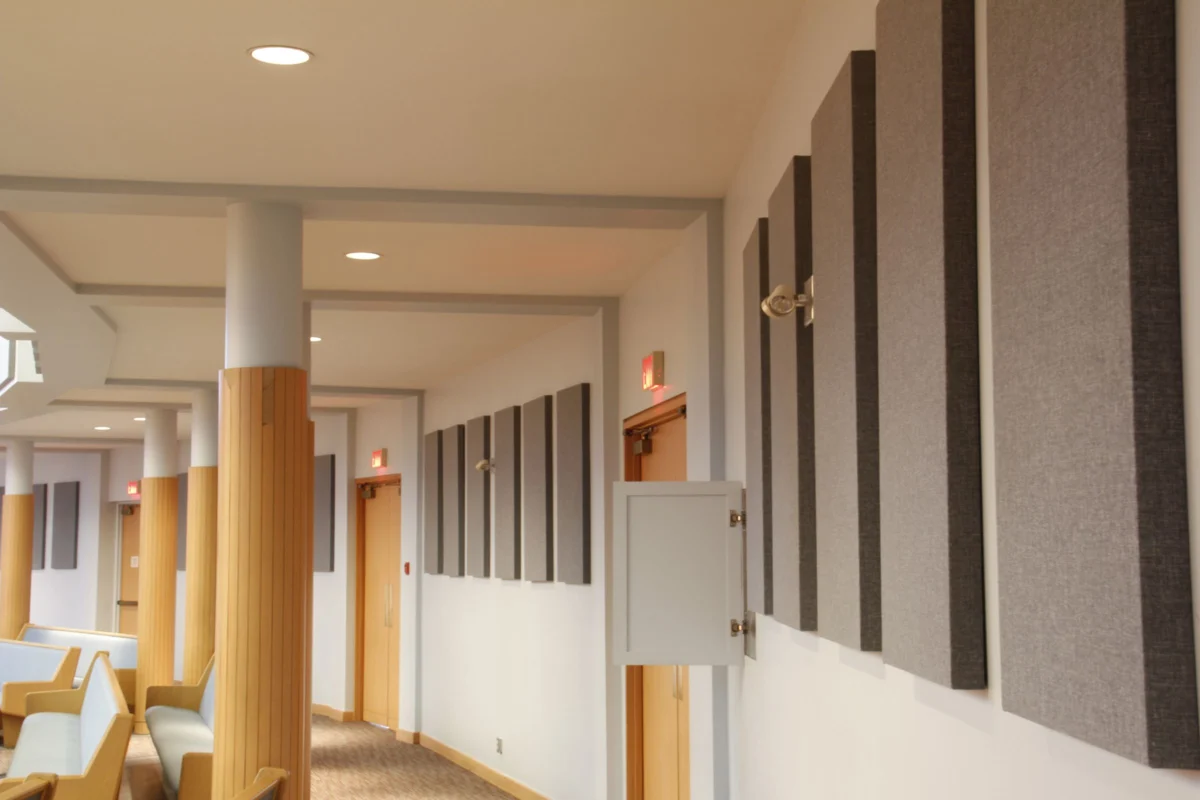
"A sanctuary is an architectural masterpiece that requires a delicate balance between reverberation for music and clarity for speech," note experts at Primacoustic. "Conversely, a youth room or a gymnasium is a blank canvas of hard, flat surfaces that require heavy-duty absorption to prevent the space from becoming a sonic nightmare. By tailoring the solution—using everything from studio-grade wall panels to custom PET treatments—we don’t just solve a noise problem; we enhance the atmosphere."
Room-by-Room Analysis: Tactical Solutions
To achieve a holistic acoustic environment, church leadership should categorize their facilities into distinct acoustic zones:
The Sanctuary: The Balancing Act
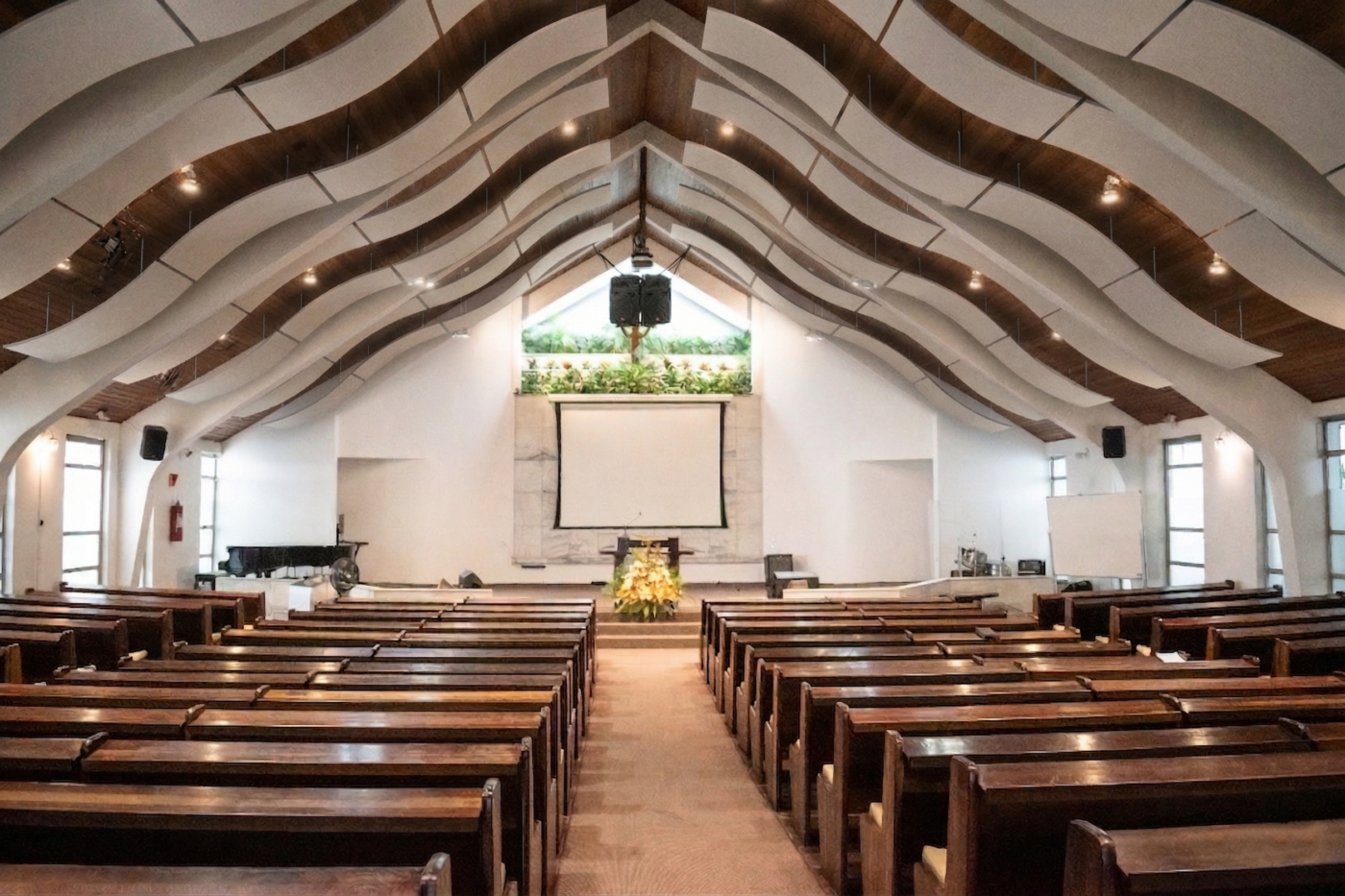
The sanctuary is the most complex space. It requires "diffusive" elements to maintain the warmth of musical instruments while utilizing "absorptive" elements to prevent the blurring of speech. The goal is a controlled decay of sound that feels natural, not manufactured.
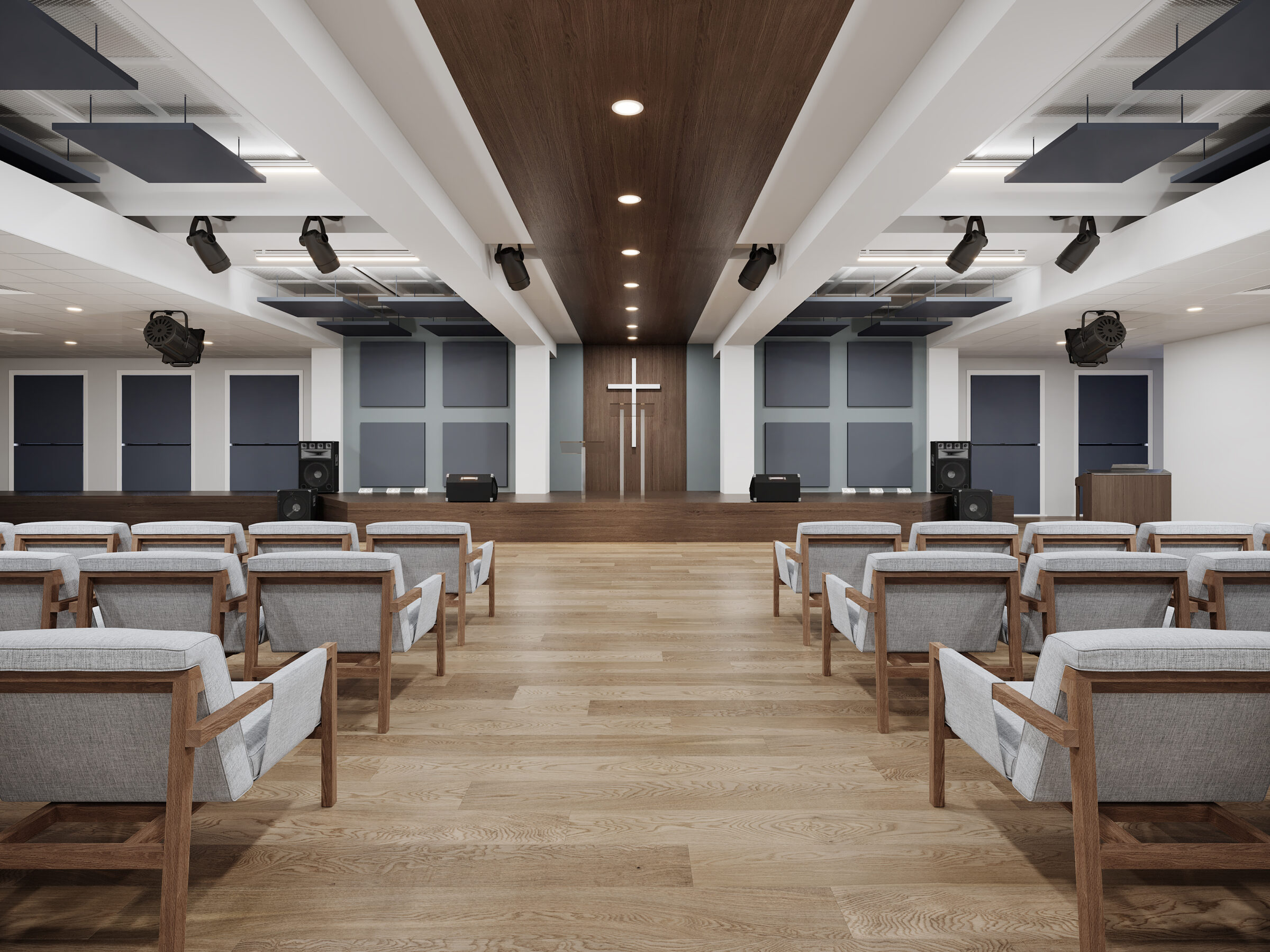
Lobbies and Gathering Areas
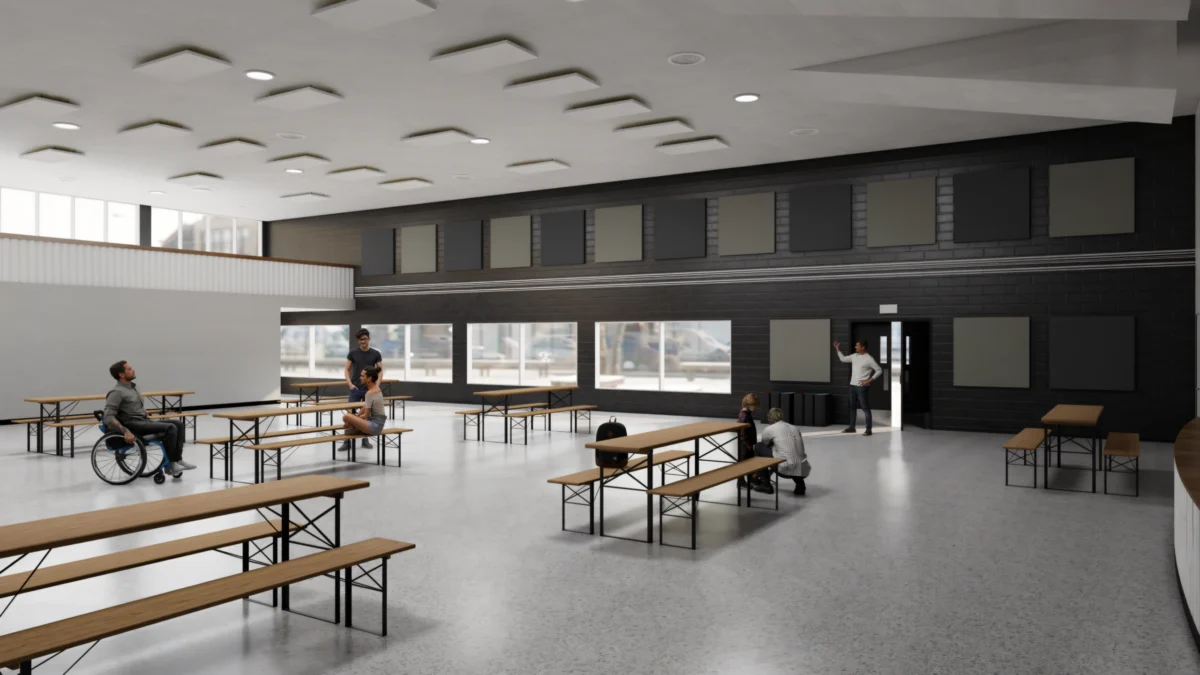
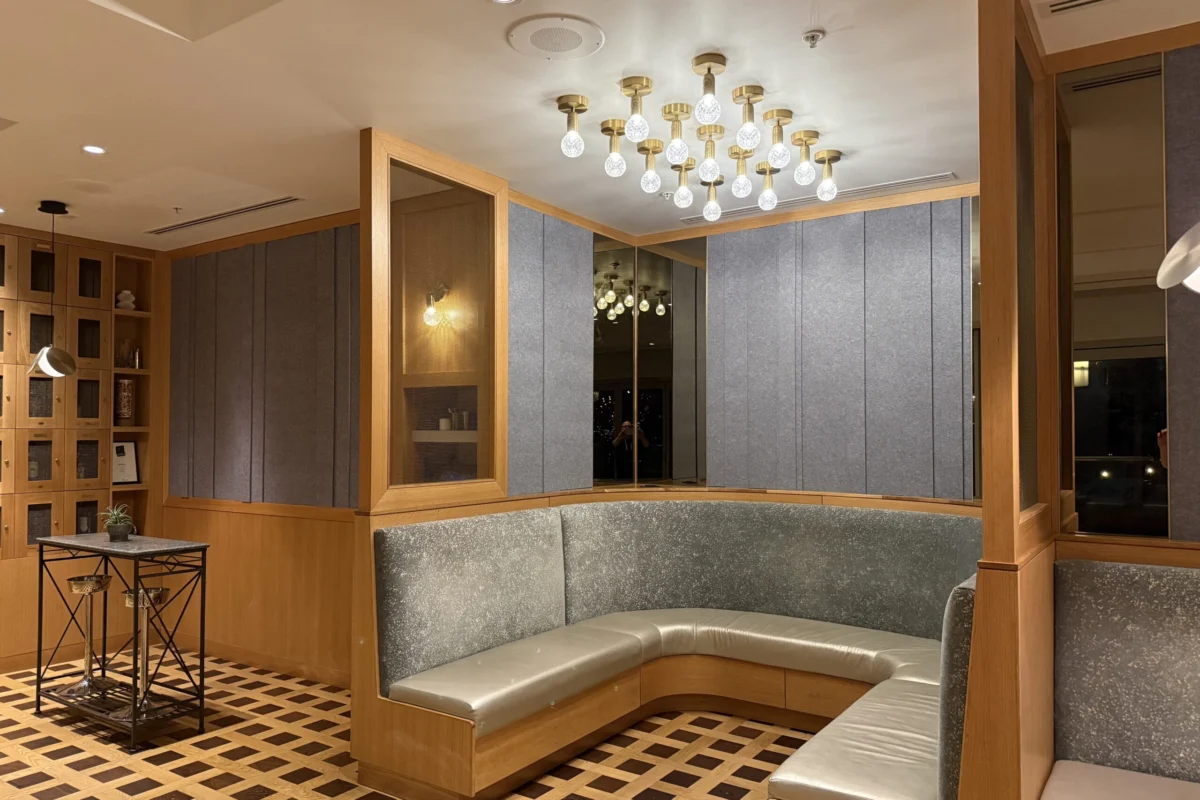
Often dismissed as "transitional," these areas are the heartbeat of community. Because they are typically open-concept with high ceilings, they require strategic ceiling clouds or wall panels to mitigate the "cafeteria effect." Proper treatment here prevents noise from bleeding into the sanctuary during pre-service gathering times.
Classrooms and Meeting Rooms
The priority here is "sound isolation." Teachers and small group leaders need to communicate without fighting the boxy, harsh reflections of a small room. Acoustic treatment in these spaces also prevents sound leakage into hallways, allowing multiple ministries to function simultaneously without conflict.
Multi-Purpose and Youth Spaces
These are the most energetic rooms in the building. They require durable, high-impact acoustic solutions that can withstand gym-style activities while providing the sonic clarity required for worship bands. PET-based solutions are often ideal here, as they are sustainably sourced, visually modern, and highly effective at taming harsh reflections.
Implications for the Future of Worship
The long-term implication of investing in acoustic design is simple: Inclusivity.
An acoustically treated church is an accessible church. When a visitor walks into a lobby and feels comfortable having a conversation, they are more likely to stay. When a congregant can clearly hear the message without struggling, they are more likely to engage. When a student can learn in a room that doesn’t "ring" or "hum," they are more likely to return.
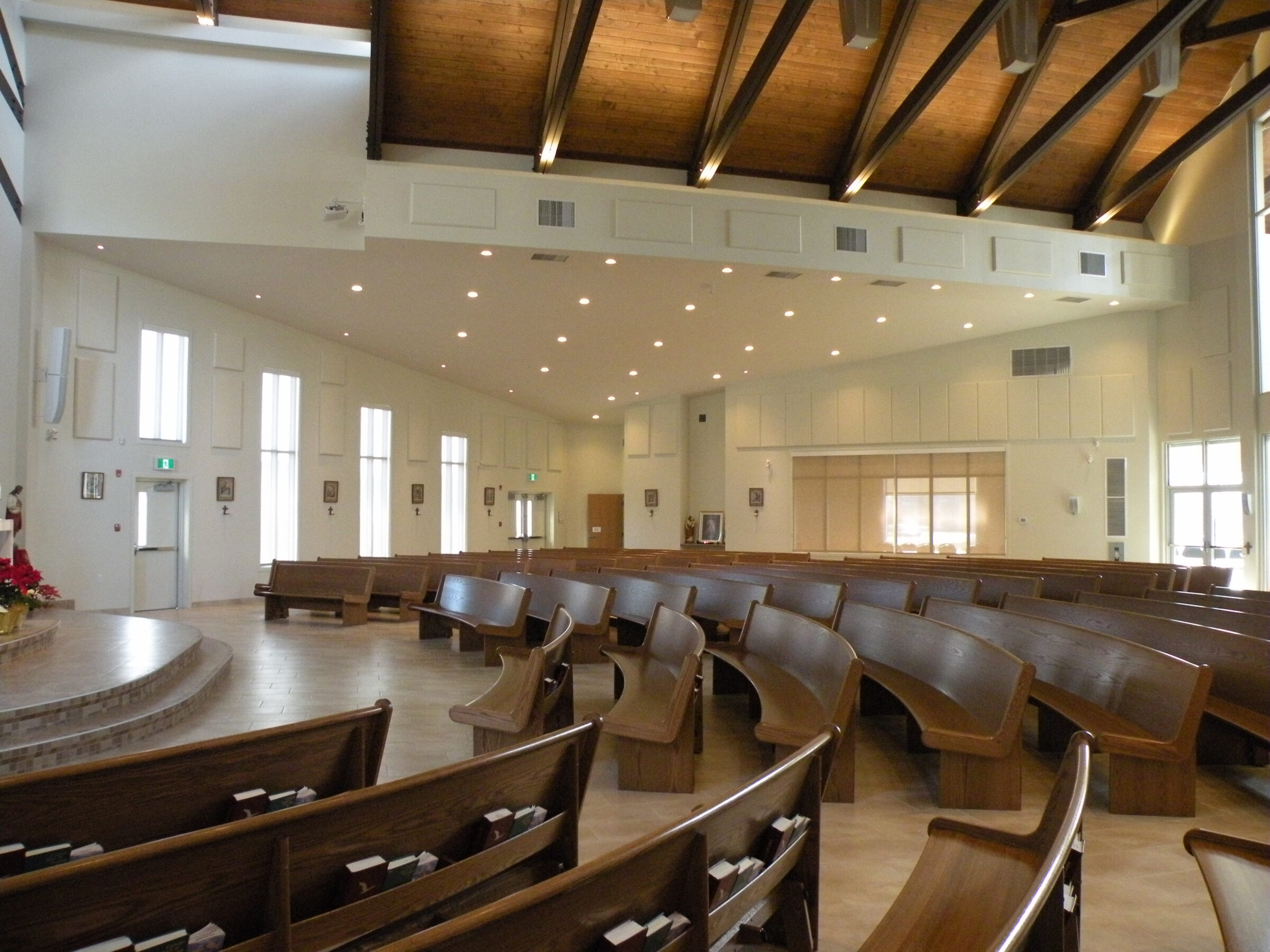
Moreover, the versatility of modern acoustic products—such as those that double as aesthetic statement pieces or custom-printed panels—means that acoustic treatment no longer requires "industrial-looking" foam. Modern design allows for the seamless integration of sound control into the existing aesthetic of any church, whether traditional, liturgical, or ultra-modern.
Conclusion: A Call to Stewardship
Sound is the primary vehicle for the message of the church. If the vehicle is broken, the message suffers. By adopting a "space-by-space" approach to acoustic design, church leadership demonstrates a commitment to the total experience of their congregation.
Whether it is a historic heritage building or a modern, purpose-built facility, the goal remains the same: to create a space that welcomes, connects, and inspires. As the role of the church continues to evolve in the 21st century, the ability to control and shape the sound within these walls will remain one of the most effective tools for building a healthy, vibrant, and sustainable community of faith. Engaging with professional acoustic specialists is not merely an expense; it is a vital investment in the mission of the church, ensuring that every word spoken and every note played serves the intended purpose of connecting with the human heart.