In the rapidly evolving world of consumer meteorology, the home weather station has transitioned from a niche hobbyist tool into a sophisticated component of the smart home ecosystem. The new Ambient Weather WS-4000 enters this market with a promise of all-in-one convenience, a sleek design, and a robust software backend. However, as our comprehensive testing reveals, the device finds itself in an awkward position: it offers stellar performance in wind and temperature tracking while struggling with the same fundamental flaw that has plagued its contemporaries for years—the haptic rain sensor.
Main Facts: What is the WS-4000?
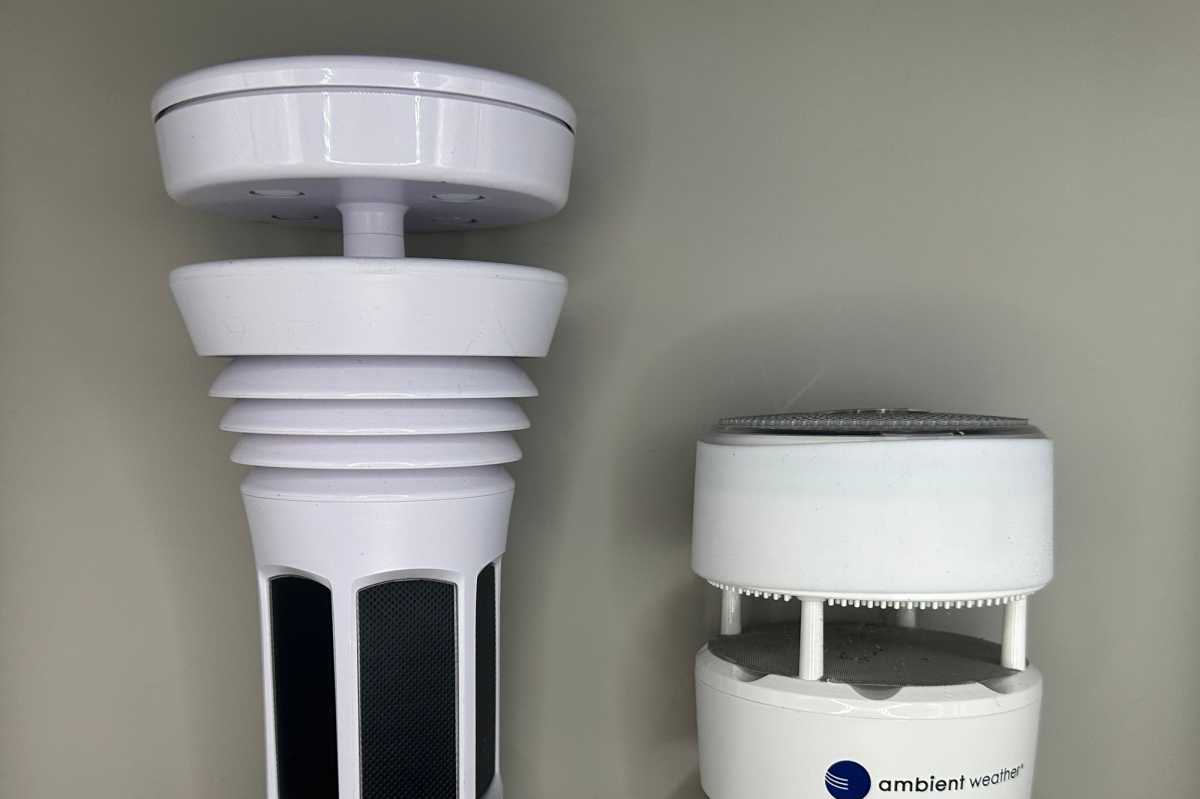
The Ambient Weather WS-4000 is an integrated sensor suite designed for homeowners who want professional-grade data without the clutter of moving parts. Unlike traditional stations that rely on mechanical "tipping buckets" or wind cups that can seize up in freezing conditions, the WS-4000 utilizes solid-state, sonic technology.
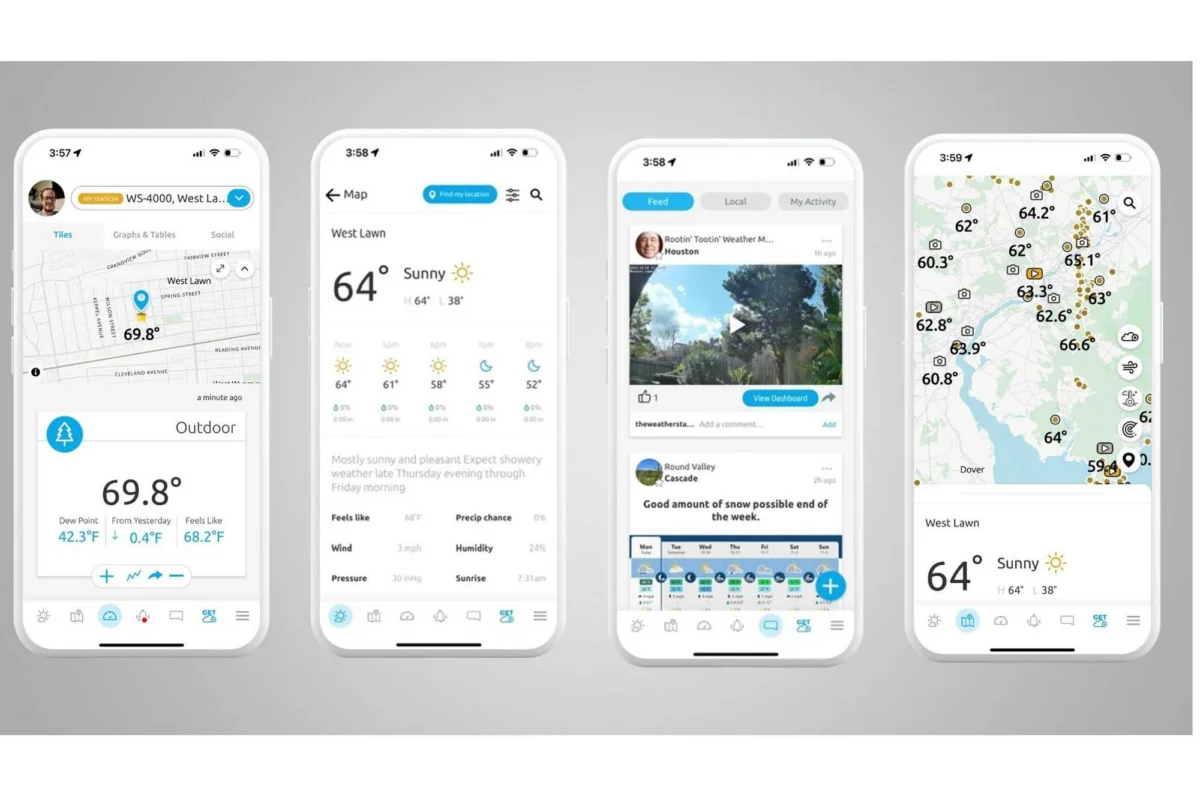
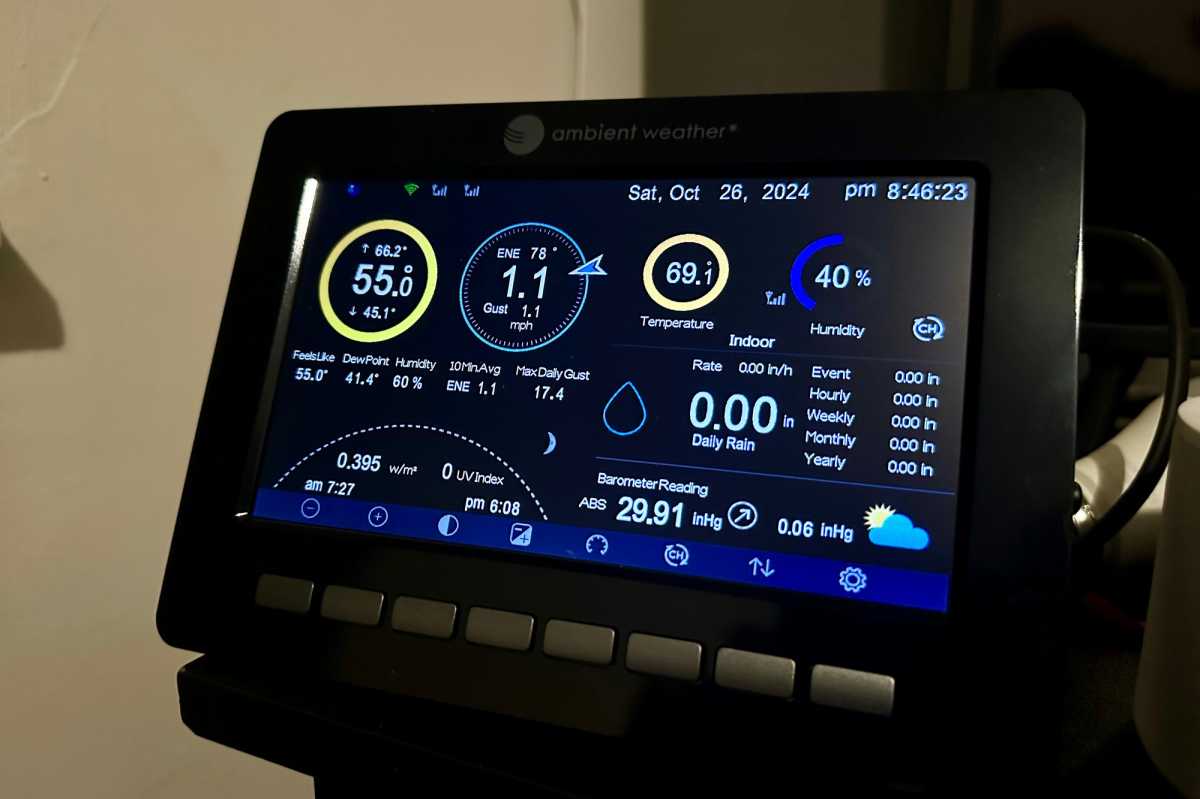
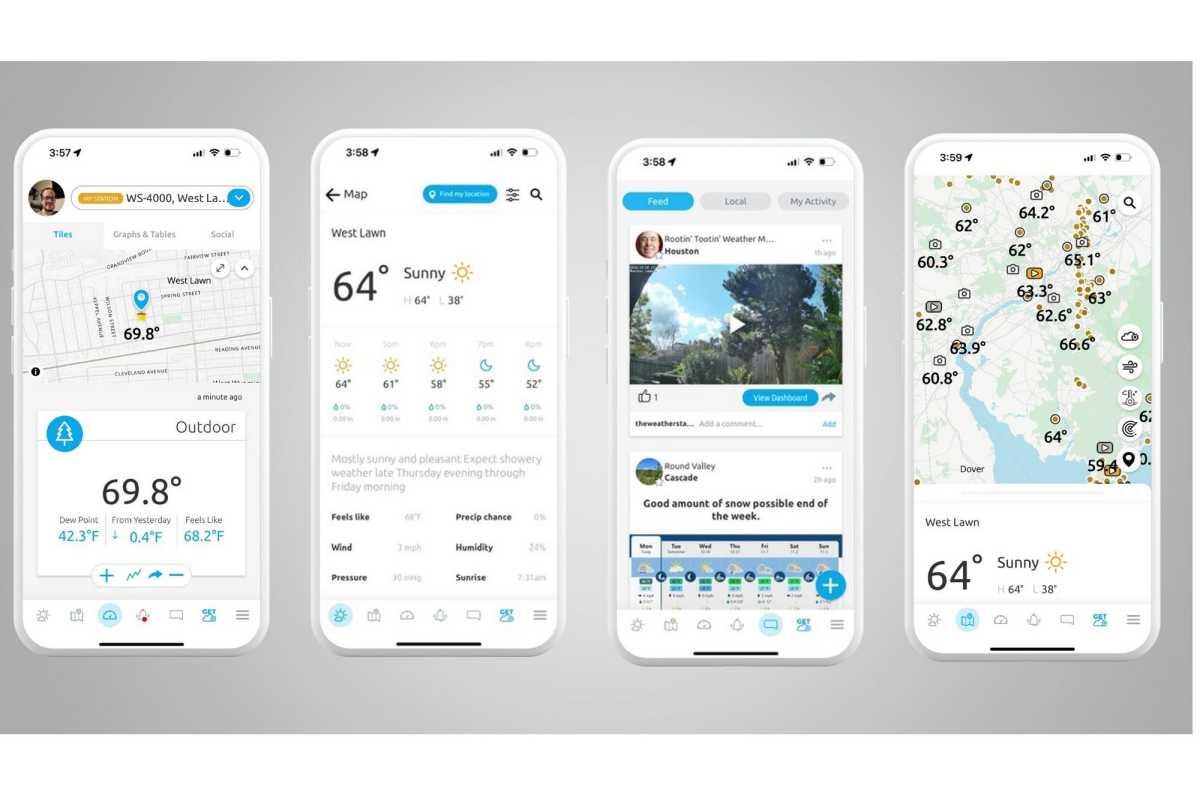
At its core, the system features a high-sensitivity sonic anemometer for wind speed and direction, alongside a suite of sensors for temperature, humidity, UV index, and solar radiation. It also includes an indoor console that provides a vibrant, easy-to-read display of your local microclimate. The system leverages the well-regarded Ambient Weather Network (AWN), allowing for remote monitoring via smartphone and integration with smart home protocols like Amazon Alexa and IFTTT.
Priced at approximately $370, it is positioned as a premium, "set-it-and-forget-it" solution, yet it shares a striking architectural DNA with the Ecowitt Wittboy Pro, a product that retails for significantly less, complicating the value proposition for potential buyers.

Chronology: The Rise of Haptic Sensing
To understand the current state of the WS-4000, one must look at the evolution of weather sensing technology over the last four years.
- 2020: The release of the WeatherFlow Tempest brought "haptic" rain sensing to the forefront. By using a vibration sensor to detect the impact of raindrops, the device promised a maintenance-free future without moving parts.
- 2021–2022: The industry began to shift. Manufacturers like Fine Offset Electronics, the engineering force behind many Ambient Weather and Ecowitt products, began integrating similar haptic designs into their own suites.
- 2023: As adoption grew, reports from the field began to suggest that haptic sensors were struggling with consistency. While they excelled in detecting the start of a rain event, they often faltered during light drizzles or extreme downpours compared to traditional volumetric gauges.
- Late 2024: The launch of the WS-4000. It arrived with high expectations, inheriting the sophisticated sonic anemometer design seen in the more expensive WS-5000, but tethered to the same haptic rain technology that has become the industry’s "Achilles’ heel."
Supporting Data: Performance Analysis
Our testing of the WS-4000 yielded a "tale of two sensors."
The Strengths
The sonic anemometer is, without question, the highlight of the unit. It is highly sensitive, responsive to minor shifts in wind, and rated for speeds up to 85 mph. Because it lacks rotating cups that can wear out or become obstructed by debris, it is likely to remain accurate for years. Furthermore, the temperature and humidity sensors proved to be exceptionally consistent when compared against local NWS station data, providing reliable metrics for the user’s specific property. The integration of an indoor WH32B sensor provides a complete picture, ensuring you are monitoring the climate inside your home as closely as the conditions outside.
The Weaknesses
The rain gauge is where the user experience hits a roadblock. Haptic sensors operate by measuring the vibration of impact, which inherently relies on the physical properties of the raindrop. As noted by the manufacturer’s own cautionary language, "rain drop size and wind speed can have different impacts on the sensor output."
In our testing, we found that:
- Leveling is critical: Any deviation from a perfectly level installation results in skewed data.
- Sensitivity issues: The sensor frequently failed to register light "misty" rain, which is vital for agricultural or garden-related data tracking.
- Heavy rain inaccuracy: During periods of intense precipitation, the data output tended to fluctuate, showing less precision than a standard manual gauge.
For those requiring precise rainfall data, the company essentially admits the limitation by recommending the purchase of a secondary, traditional WH40 rain gauge—an additional $50 investment that undermines the "all-in-one" convenience of the system.
Installation: A Mounting Frustration
For the end user, setup is generally straightforward, but there is one significant "gotcha." Most high-end weather stations in this category are designed for standard 1.25-inch antenna masts. The WS-4000, however, requires a 1-inch mast.
This oversight can be a source of immediate frustration for owners looking to replace an existing unit. A 0.25-inch difference may seem minor, but it necessitates a trip to the hardware store for custom mounting solutions or dowels. Ambient Weather would be wise to make this requirement more prominent in their marketing materials, as it creates an immediate barrier to entry for the "prosumer" market it targets.
Official Stance and Software Ecosystem
The software experience remains the strongest argument for staying within the Ambient Weather ecosystem. The Ambient Weather Network (AWN) is a robust, clean, and highly intuitive platform. While the service is free, the company offers a $50/year subscription that unlocks three years of historical data and advanced map layers.
Regarding smart home integration, the company has been transparent about its limitations. While it maintains excellent compatibility with IFTTT and Alexa, it has dropped Google Home support due to API changes on Google’s end. Ambient Weather has explicitly stated that a full rewrite of their platform to accommodate Google is not currently in their roadmap, preferring to focus resources on their own proprietary app and network.
Implications: Who is the WS-4000 For?
The release of the WS-4000 presents a complex choice for the consumer.
The Case for Buying
If you are already an Ambient Weather user and want to upgrade to a modern, solid-state system without migrating your data to a new network, the WS-4000 is a natural choice. Its footprint is small, it blends into the landscape better than most stations, and the console display is arguably the best in the business for at-a-glance information.
The Case for Caution
If you are a new buyer, the landscape is more crowded. You are effectively paying for the Ambient branding and the superior software ecosystem. If you are budget-conscious, the Ecowitt Wittboy Pro—which shares the same design lineage—often comes in at a lower price point. Additionally, if your primary goal is high-accuracy rainfall measurement, you should be prepared to budget for an additional, traditional rain gauge regardless of which haptic-based station you choose.
Final Assessment
The Ambient Weather WS-4000 is a refined, aesthetically pleasing, and technologically advanced piece of equipment that is nearly ruined by the industry’s stubborn insistence on haptic rain sensing. It is an excellent wind and temperature station that is being forced into the role of a generalist.
As we move forward into the next year, the "long-term" test of this unit—specifically in the challenging rainy seasons of the West Coast—will be the true litmus test. Until then, the WS-4000 remains a recommended, albeit flawed, choice for those who prioritize a clean, integrated setup and a fantastic app experience over the absolute precision of a bucket-style rain gauge. For the serious meteorology enthusiast, however, the need for a secondary, external rain gauge remains the final, and perhaps most important, piece of the installation puzzle.