In the highly saturated landscape of portable audio, manufacturers are increasingly turning to experimental acoustic designs to differentiate their products. Shanling, a brand with a storied history in digital-to-analog converters (DACs) and digital audio players (DAPs), has spent recent years refining its In-Ear Monitor (IEM) portfolio. Following the success of the MG100, MG600, and flagship MG800, the company has released the MG200—a $219.00 single dynamic driver IEM that dares to bring an open-back architecture to a form factor traditionally dominated by closed, sealed designs.
Main Facts: Engineering an Open-Back Experience
The Shanling MG200 is defined by its unconventional acoustic philosophy. At its core lies a 10mm dynamic driver featuring a polymer composite diaphragm, engineered for high-fidelity response with an impedance of 16Ω and a sensitivity of 112 dB/mW.
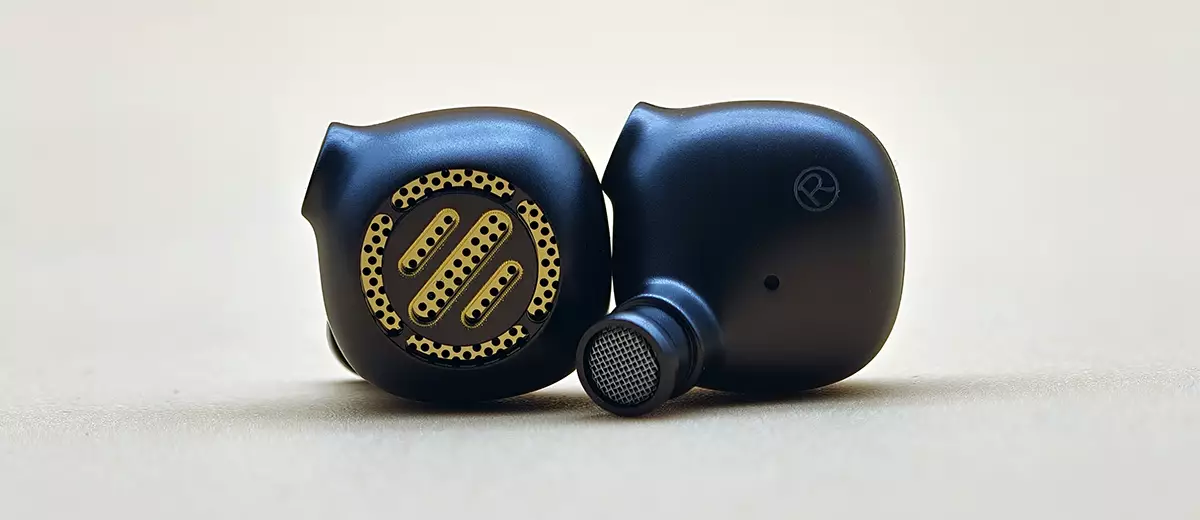
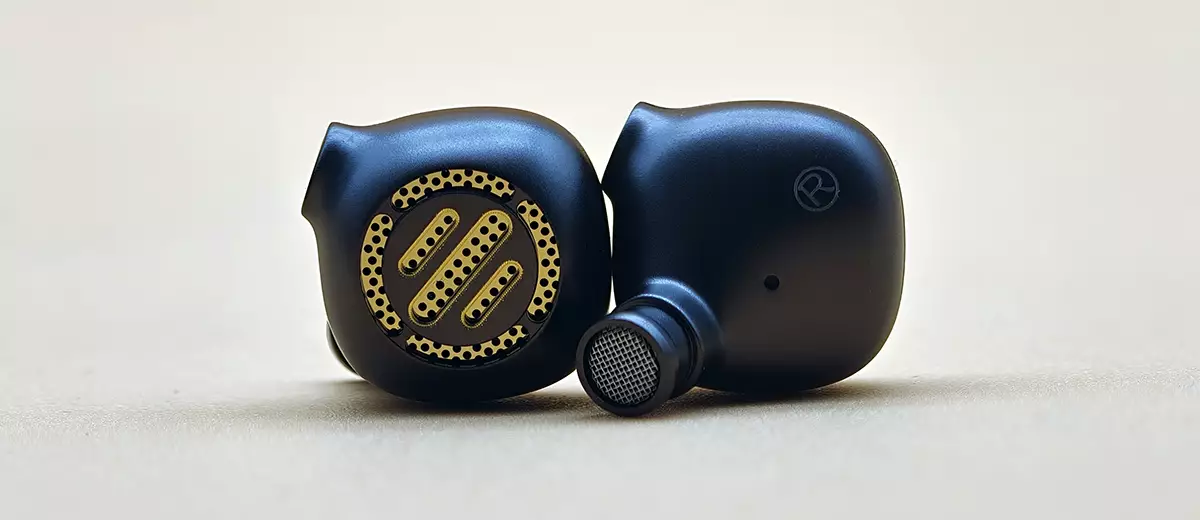
However, the defining feature—and the subject of much audiophile curiosity—is the "Star-Orbit" open-back acoustic rear chamber. By allowing rear sound waves to disperse externally rather than trapping them in a closed cavity, Shanling aims to eliminate the pressure build-up and acoustic reflections common in traditional IEMs. This design is supported by a dual magnetic circuit, a dual-chamber internal structure, and a pure copper voice coil, all of which work in tandem to keep total harmonic distortion below 0.05%.
Chronology and Evolution of the MG Series
The MG series has served as Shanling’s primary sandbox for acoustic innovation. The chronology of the line reflects a deliberate progression:

- The Early Foundations: The MG100 established the brand’s mastery of entry-level single-driver dynamics, focusing on build quality and tonal balance.
- The Mid-Tier Refinements: The MG600 introduced more exotic shell materials and acoustic chamber adjustments, signaling a move toward more "audiophile-grade" tuning.
- The Flagship Zenith: The MG800 pushed the limits of single-driver resolution and driver control.
- The Current Experiment: The MG200 represents the most radical departure in the series. By incorporating open-back technology, Shanling is moving away from purely material-based experimentation toward a fundamental shift in how the driver interacts with the listener’s environment.
Supporting Data: Performance and Technical Metrics
During testing, the MG200 demonstrated that its design is far from a mere gimmick.
Sound Signature Analysis
The bass response is perhaps the most surprising aspect of the MG200. Despite the open-back nature, which one might expect to result in "leaky" or thin low-end, the IEM provides a robust, punchy, and well-defined sub-bass. The mid-bass, while not overwhelming, provides enough impact to satisfy modern genres, maintaining a "boomy" but controlled texture that avoids muddying the midrange.

The midrange is notably forward, prioritizing vocal intimacy. While this creates a highly engaging listening experience, it can occasionally highlight grain or harshness in less-than-perfect recordings. However, the level of micro-detail—breaths, string vibrations, and emotional shifts—is exceptional for the price point.
The treble is where the open-back design truly shines. The MG200 is arguably the airiest single dynamic driver IEM currently on the market. While it stops short of excessive clinical brightness, its ability to render space and decay is evocative of much more expensive open-back over-ear headphones.

Ergonomics and User Experience
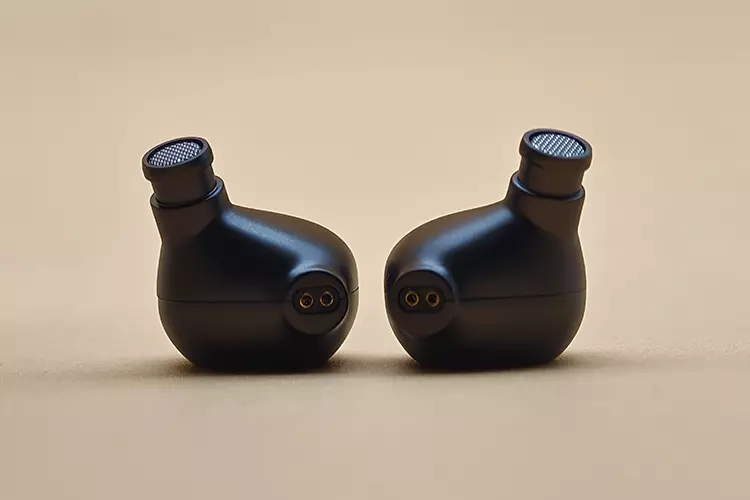
The physical design follows an industrial aesthetic, featuring a pebble-like, matte-black metal body. The "Star-Orbit" grille, finished in gold and silver, acts as both an acoustic vent and a visual statement.
- Comfort: The lightweight nature of the shells allows for extended listening sessions without fatigue.
- Isolation: The unavoidable trade-off for an open-back design is isolation. The MG200 allows significant external noise to pass through, making it unsuitable for commuting or high-noise environments.
- Tip Sensitivity: The included tip selection is highly nuanced. The "Soundstage" tips provide the most accurate imaging, while the "Balanced" tips effectively dampen the occasional vocal sharpness, offering a safer listening experience for those sensitive to high frequencies.
Official Manufacturer Stance
Shanling positions the MG200 as a "purposeful evolution" rather than an experimental curiosity. According to the manufacturer’s design documentation, the dual magnetic circuit and dual-chamber internal structure are specifically tuned to compensate for the pressure relief caused by the open-back design. By maintaining a strict control over the driver’s suspension system, Shanling claims to have achieved the wide soundstage benefits of open-back headphones without losing the fundamental impact of a high-performance dynamic driver.
Implications for the Portable Audio Market
The arrival of the MG200 poses an interesting question for the industry: Is the future of IEMs "open"?
For years, the industry has chased the goal of "total isolation," prioritizing the ability to block out the world. The MG200 challenges this by arguing that for certain listeners, the natural, "airy" presentation of an open system is worth the loss of isolation.

Market Positioning
At $219.00, the MG200 enters a brutal segment of the market, competing directly with established powerhouses like the MOONDROP Kadenz and the SIMGOT SuperMix 5. While its competitors often rely on hybrid driver configurations (combining dynamic drivers with balanced armatures or planar drivers), the MG200 relies solely on its acoustic chamber design to compete.
The Verdict on Design vs. Utility
The implication is that audiophiles may soon have to choose their IEMs based on environment as much as sound. The MG200 is a "home-use" IEM—a specialized tool designed for quiet environments where the user wants the intimacy of an IEM with the expansive soundstage of a full-sized open-back headphone.
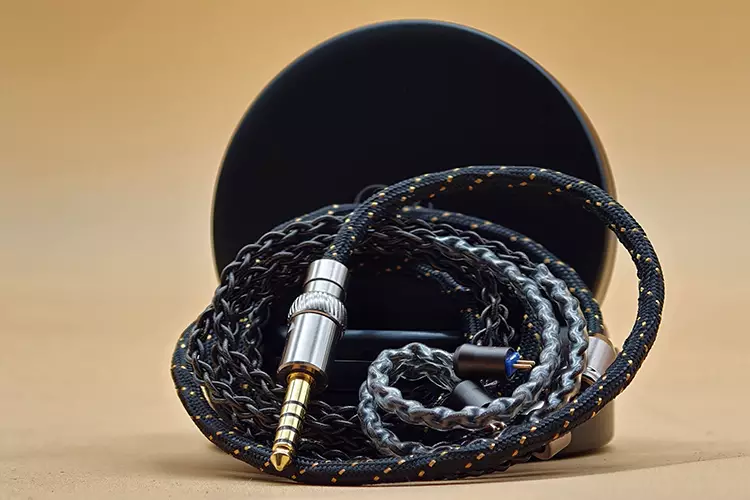
The build quality and the inclusion of a modular, high-quality cable suggest that Shanling is targeting the enthusiast who already owns a collection of closed-back monitors and is looking for a distinct alternative for critical listening.
Final Thoughts
The Shanling MG200 is an ambitious, albeit polarizing, piece of hardware. It succeeds where many "experimental" products fail: it justifies its unconventional design through its sonic performance. The airy, expansive soundstage and the surprising weight of the bass ensure that the open-back concept is not just a marketing bullet point, but a legitimate sonic advantage.

While the lack of isolation and the occasional vocal sharpness may limit its appeal as a daily driver for the average commuter, it stands as a testament to Shanling’s willingness to push the boundaries of what a single dynamic driver can achieve. For those who value soundstage and imaging above all else, the MG200 provides a refreshing, open-air perspective that is currently unrivaled at this price point. It is not just a successful experiment; it is a clear indicator that the "open-back" IEM is a category worth watching as it continues to mature.