In the heart of Vancouver’s bustling financial district, the historic Terminal City Club (TCC) stands as a beacon of prestige. However, even the most refined environments are subject to the laws of physics. Following a high-end renovation intended to modernize the club’s dining and social spaces, Director of Club Outlets Iain Fletcher began to notice a troubling trend: the very members who frequented the club for business meetings and quiet lunches were beginning to dine elsewhere.
The culprit was not the food, the service, or the interior design—all of which remained top-tier. The issue was invisible, yet pervasive: a drastic decline in speech intelligibility caused by the unintended acoustic consequences of the renovation. By replacing soft furnishings and carpets with hard, reflective surfaces, the design had inadvertently turned the club’s dining room into an echo chamber.
To solve this, the TCC embarked on a sophisticated partnership with acoustic pioneer Primacoustic and AV integration experts Paramount Automation. The resulting project serves as a masterclass in how to marry world-class interior aesthetics with high-performance sound control.
The Challenge: When Design Outpaces Function
The Terminal City Club, located on the iconic West Hastings Street, serves as a hub for Vancouver’s professional elite. For these members, the club’s dining areas are more than just places to eat; they are extensions of the boardroom.
"I’ve been to some places in the city with thoughtful acoustic treatment, and the experience is memorable," explains Iain Fletcher. "But there are also restaurants I might not return to because they’re just too loud. And I can’t help but think how often others feel the same—but don’t tell the people running the restaurant."
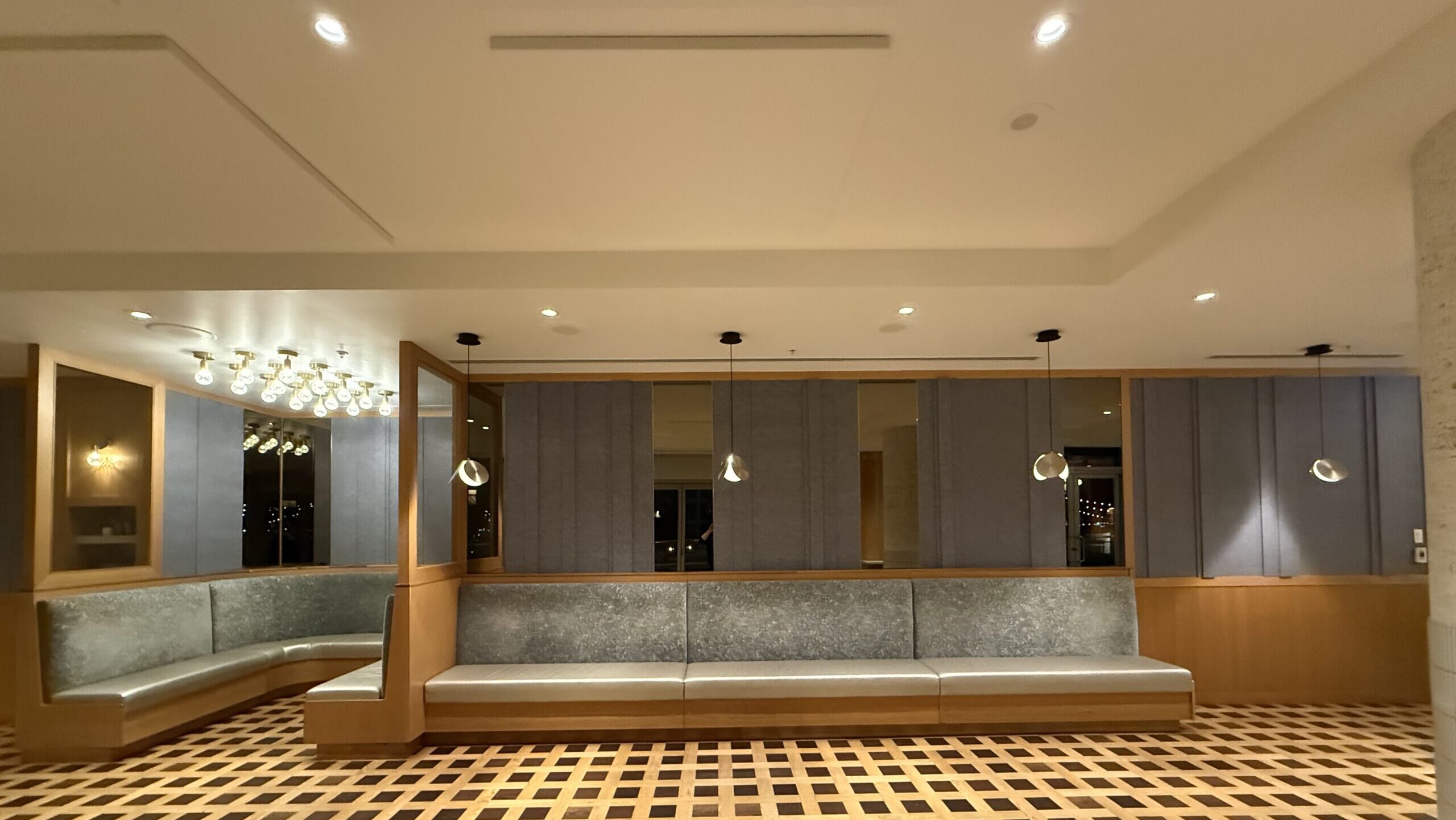
After the club’s recent aesthetic renovation, Fletcher observed a palpable shift. While the rooms were visually stunning, they had become acoustically hostile. The removal of sound-absorbing elements meant that conversations bounced off hard surfaces, creating a cacophony that made business discussions nearly impossible. As the ambient noise floor rose, patrons raised their voices to be heard, creating a feedback loop of increasing volume.
A Proven Solution: The Piva Precedent
The turning point for the TCC project came when Fletcher discovered the work of Paramount Automation and Primacoustic at the Piva Restaurant in New Westminster.
"One of our previous managers had actually started working at Piva," Fletcher recalls. "Seeing his comments, and a video showing the before and after, we thought we’d give it a shot."
The TCC’s requirements, however, were uniquely demanding. Because the club had already won multiple design awards for its interiors, the directive was clear: the acoustic treatment had to be invisible. "We wanted people to hear the difference, but not see the difference," Fletcher emphasized. This set the stage for a bespoke, high-stakes engineering project that required extreme attention to detail.
Chronology of a Bespoke Acoustic Integration
The project moved from concept to reality through a collaborative process between the TCC management, the installation team at Paramount Automation, and the technical experts at Primacoustic.
Phase 1: Assessment and Strategic Planning
Paramount Automation deployed their "resident craftsman," Marty Nightingale, to assess the space. The scope initially covered the main dining room, but the team quickly identified that the attached private lounge suffered from the same acoustic deficiencies. The assessment phase was characterized by an exhaustive mapping of "sound sinks" and reflective surfaces—glass walls, structural millwork, and mirrors that had to be addressed without altering the architectural integrity of the room.
Phase 2: Material Selection
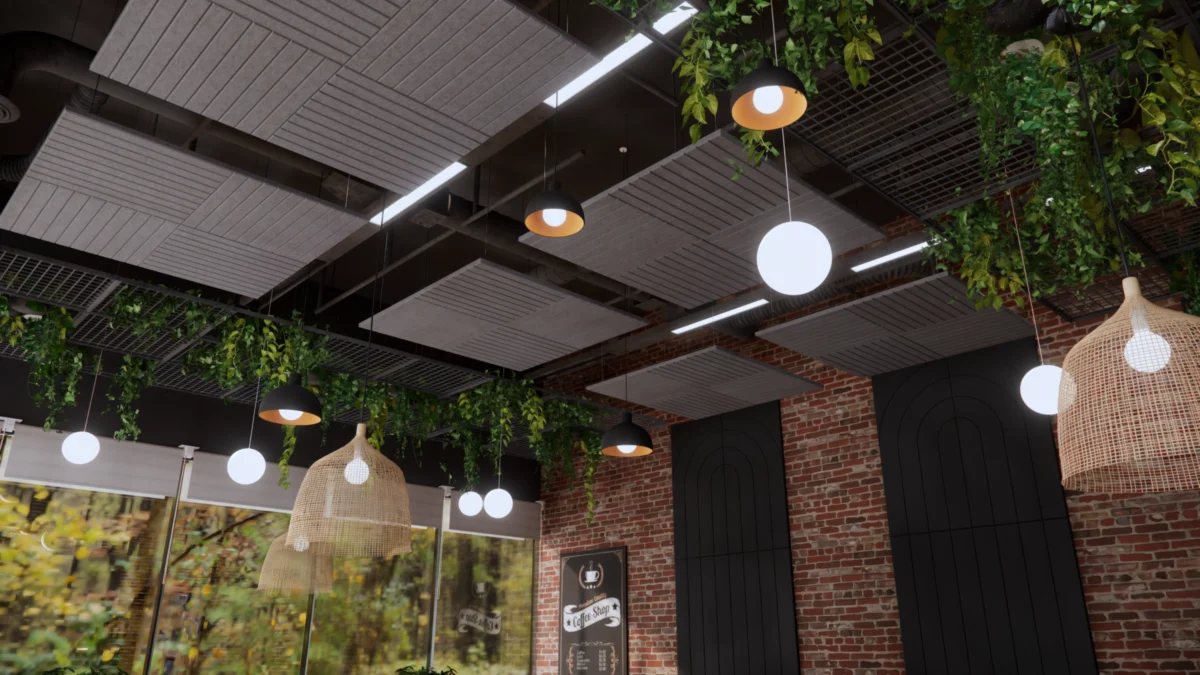
To achieve the dual goal of performance and invisibility, the team utilized a hybrid approach. They selected Primacoustic’s EcoScapes PET panels for their ability to be precision-cut and color-matched, alongside studio-grade Broadway glass wool treatments for superior broadband absorption.
Phase 3: The Crafting Process
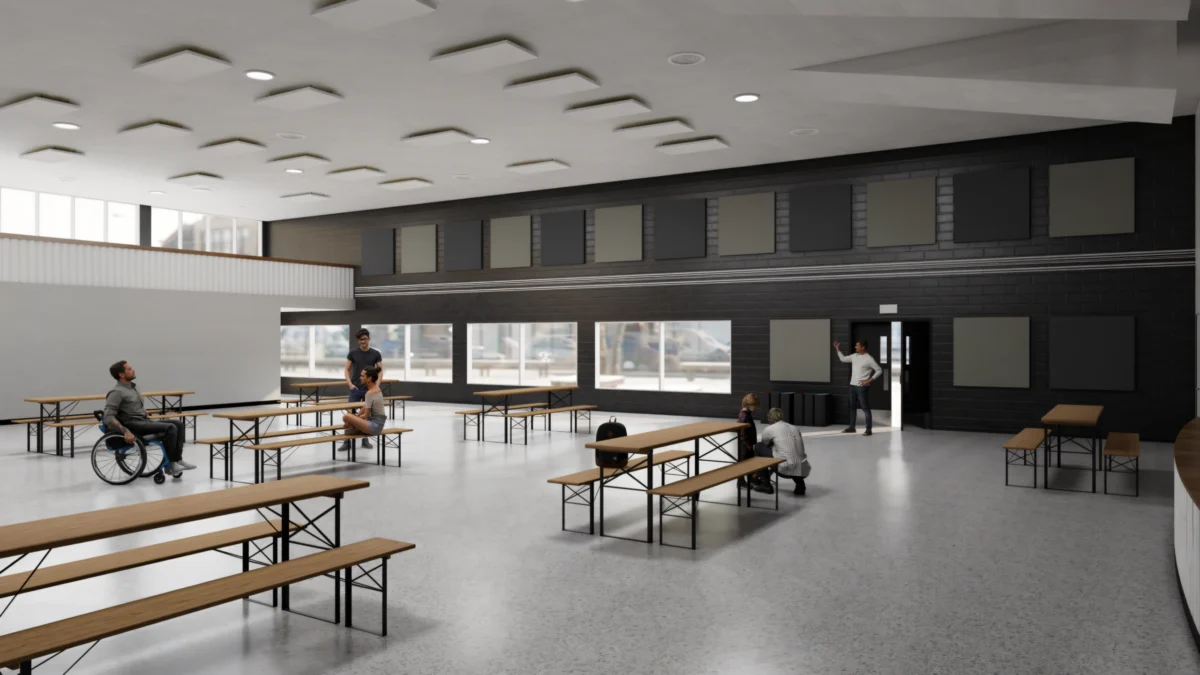
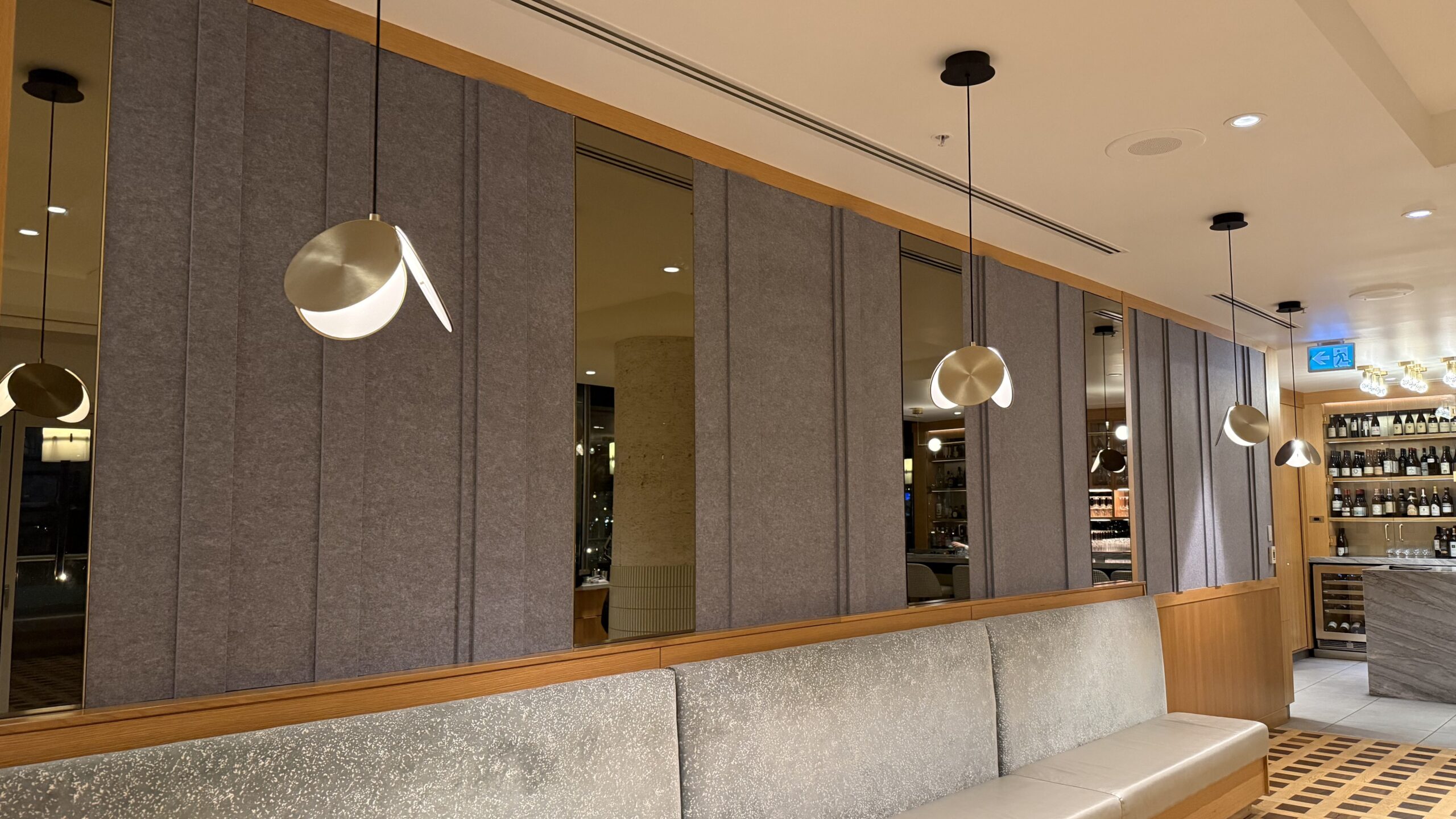
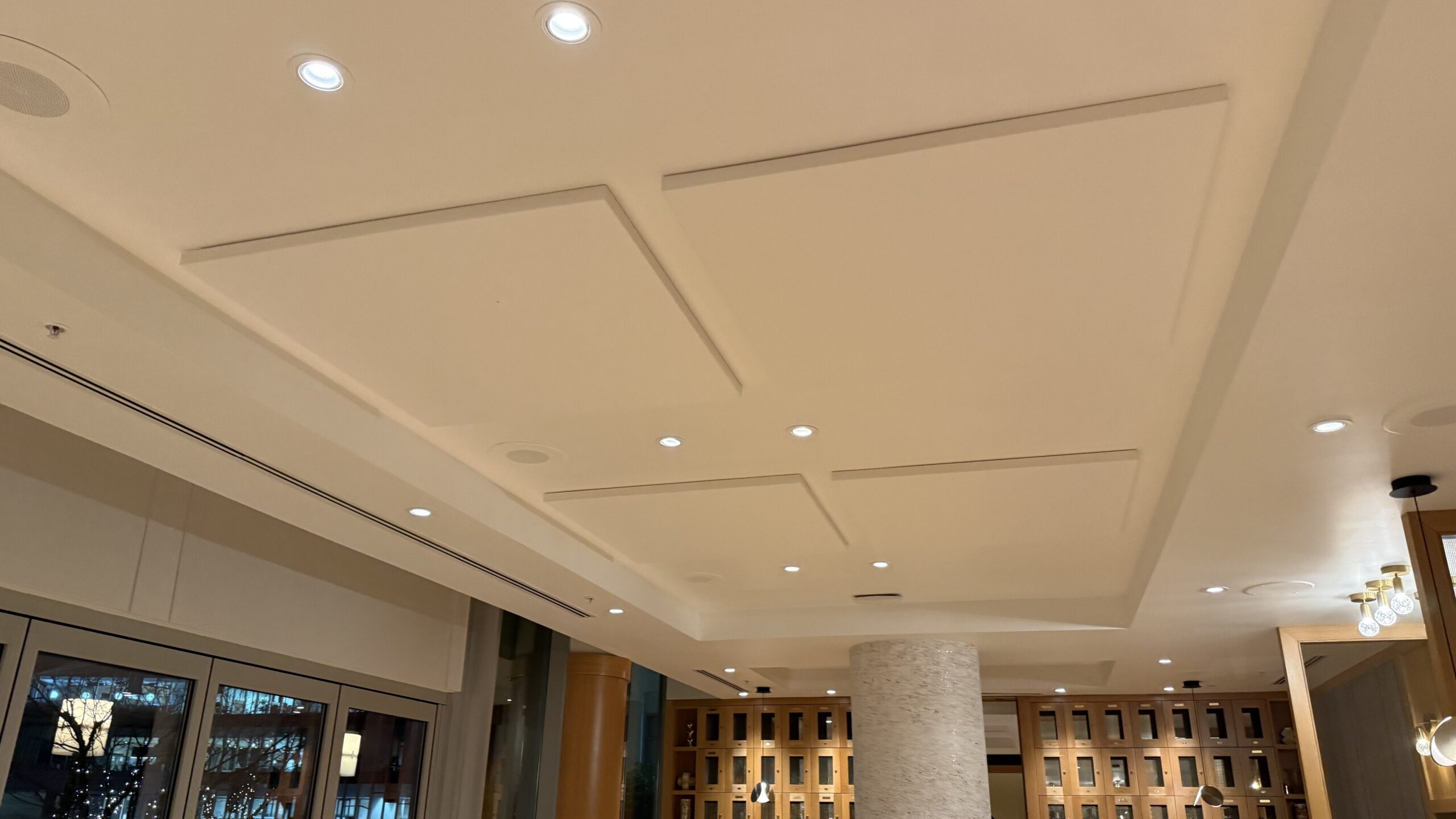
The installation was a surgical operation. In the dining area, Broadway panels were flush-mounted to the ceiling to capture reflections before they could reach the floor. For the wall features, the team had to recreate a complex grey felt design.
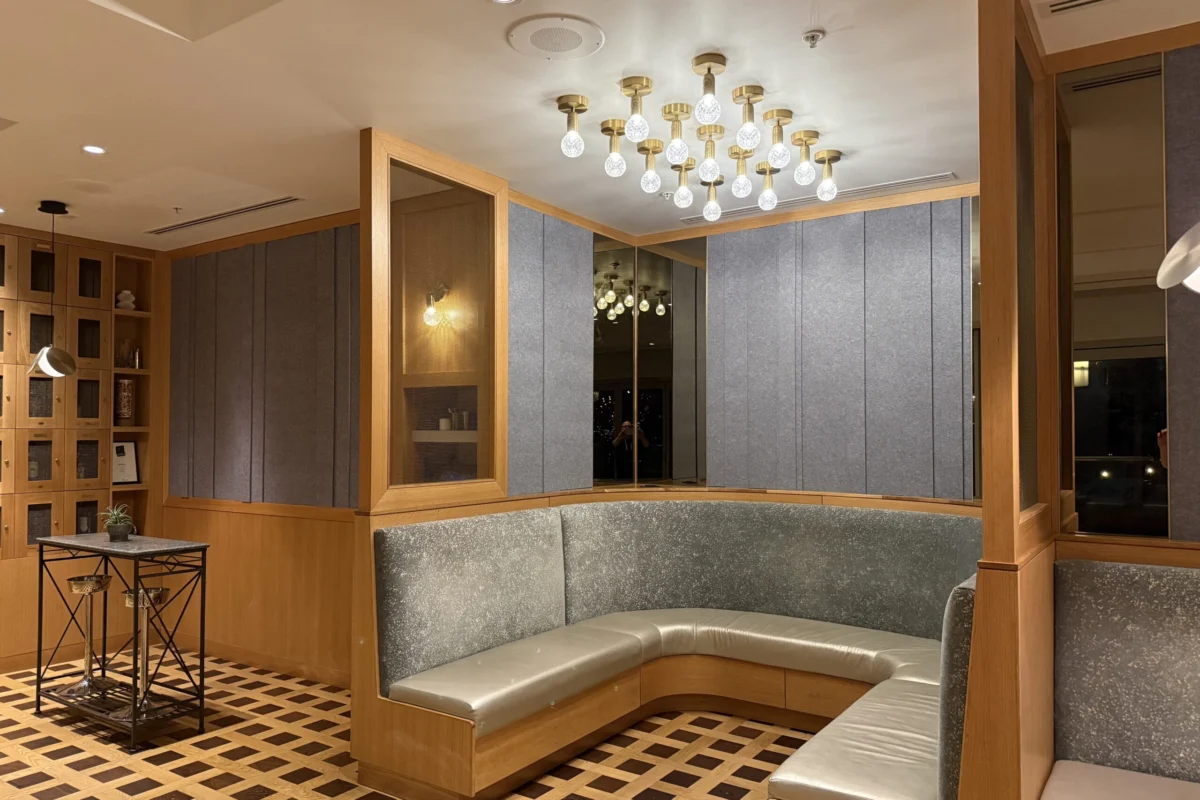
"Those are at eye level, on the walls above the tables," Nightingale explains. "So there was no place to hide a rough edge or seam." The team removed the original, non-absorptive material and replaced it with a multi-layered PET system. By layering strips of varying thicknesses, they mimicked the original aesthetic so perfectly that the final installation appeared to be a single, monolithic architectural feature.
Phase 4: The Finishing Touches
The private lounge posed its own set of challenges, including limited wall space due to large-screen televisions and kitchen entries. Here, the team used the same base-layer PET strategy to recreate a "coffered" ceiling look, ensuring that the acoustic treatment actually enhanced the visual depth of the room rather than detracting from it.
Supporting Data: The Physics of Sound Control
The effectiveness of this installation lies in the selection of materials engineered for specific acoustic frequency ranges.
- EcoScapes PET Panels: These provide excellent mid-to-high frequency absorption. Because they are made from dense, compressed fibers, they are ideal for environments where high-definition speech clarity is required. Their ability to be cut with high precision allowed the team to work around complex architectural details like crown molding and lighting fixtures.
- Broadway Glass Wool Panels: Deployed in the ceiling areas, these offer a higher Noise Reduction Coefficient (NRC), which is critical for controlling the "slap-echo" that occurs between parallel floor and ceiling surfaces.
- Strategic Layering: By utilizing double-thickness applications, the team was able to improve the low-end frequency absorption, which is essential for preventing the "boomy" quality often found in large, high-ceilinged dining rooms.
Official Perspectives: The Synergy of Partnership
The success of the Terminal City Club project is attributed not just to the hardware, but to the professional synergy between the involved parties. Marty Nightingale of Paramount Automation highlights that the relationship is built on a shared philosophy: problems are merely challenges to be engineered away.
"At Paramount Automation, we’re outside-the-box thinkers," says Nightingale. "So it’s a perfect fit, because with both Paramount and Primacoustic, it’s like, ‘this is a challenge, not a problem—let’s figure it out.’"
Drew Campbell, founder and owner of Paramount Automation, notes that the feedback loop between his team and the Primacoustic engineers is the "secret sauce" of their success. "We work well together because we’re like-minded," Campbell adds. "Primacoustic is always open to feedback, which fosters a ‘how can we do this better’ approach."
Implications: The Return on Investment (ROI)
For the Terminal City Club, the investment in acoustics has paid immediate dividends. The "before and after" is not merely a matter of decibel levels; it is a matter of atmosphere and utility.
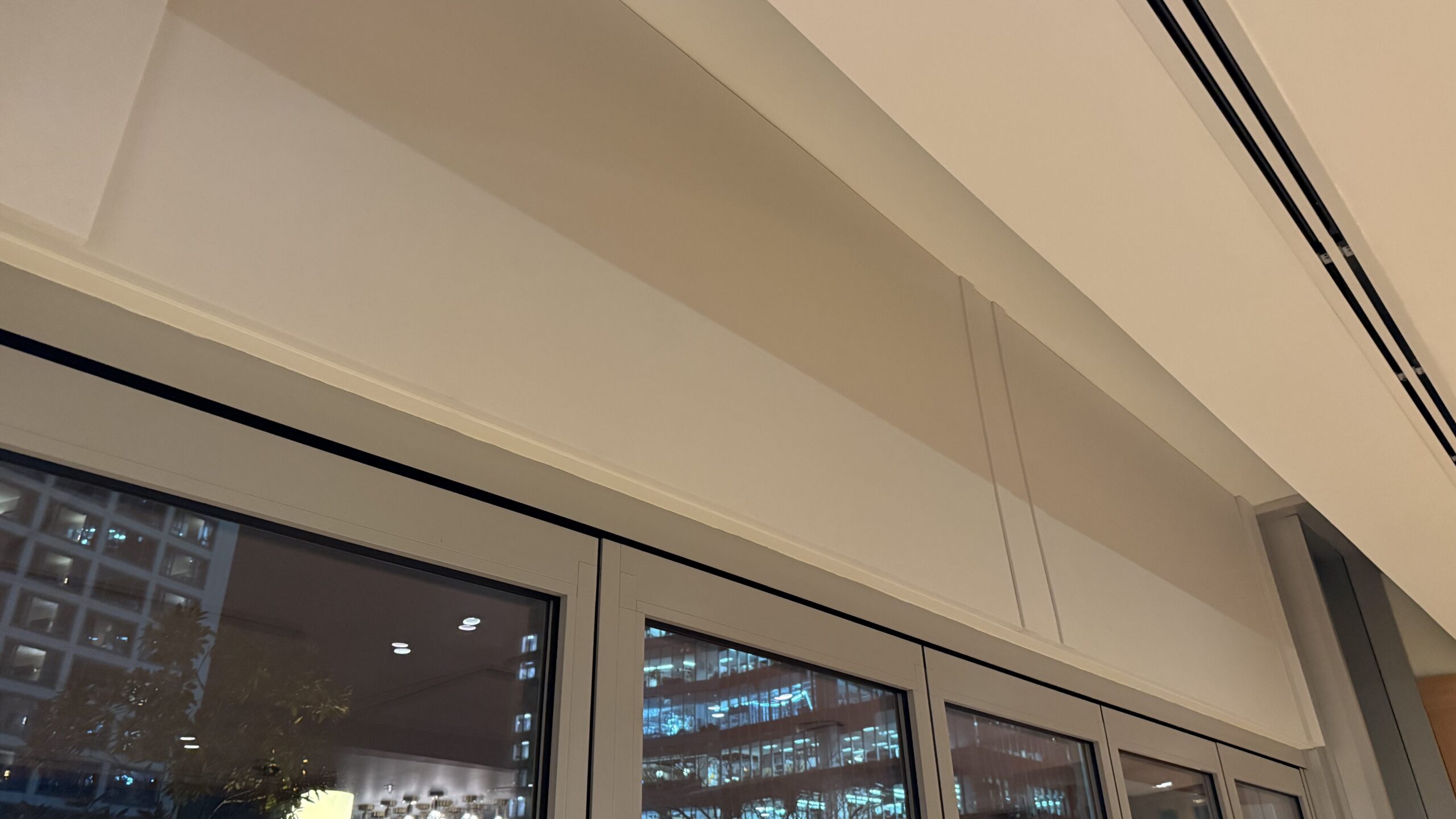
"Right away, it’s something you can feel when you walk into the restaurant," says Fletcher. "The acoustic performance exceeded our expectations by far. The unbearable echo has been replaced by a soft murmur of voices. Our members can conduct business meetings at the club because they can hear each other over the crowd. And I’ve even been able to increase the music volume to create a more welcoming ambiance."
The implications for the hospitality industry are clear. In an era where dining is increasingly an "experience economy," acoustics are a fundamental pillar of guest satisfaction. By prioritizing sound control, the TCC has secured its position as a premier destination for business and leisure, proving that the most important element of interior design is often the one you cannot see.
Conclusion: A New Standard for Hospitality Acoustics
The Terminal City Club transformation stands as a benchmark for high-end acoustic retrofitting. It demonstrates that with the right partnership and high-quality, flexible materials, businesses do not have to sacrifice their hard-won aesthetics to achieve a comfortable, productive environment.
As Fletcher notes, the ultimate success is the silence—or rather, the lack of complaints. "I have had people ask what we did and where the panels are," he says. "They’ve noticed a difference in sound, but haven’t seen a difference in the decor." That is the hallmark of a job well done: where science and art meet in perfect, quiet harmony.
Are you looking to elevate the acoustic performance of your facility? Primacoustic offers a comprehensive suite of solutions, from PET sound control systems to advanced baffles and panels. Visit Primacoustic.com to explore their product lines or to book a professional consultation with an expert team today.