
In early 2022, a minimalist browser-based game began to spread across the internet with the quiet efficiency of a viral sensation. Wordle, a daily five-letter word puzzle created by software engineer Josh Wardle, transcended its simple mechanics to become a global morning ritual. While the game captivated millions, it also found a curious, dedicated following within niche online spaces, including the DIYAudio community, where tech-savvy enthusiasts began dissecting the game with the same analytical rigor they applied to vacuum tube amplifiers and speaker crossovers.
The Mechanics of a Digital Sensation
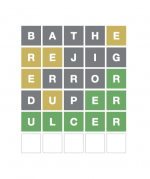
At its core, Wordle is a game of deduction. Players are given six attempts to guess a hidden five-letter word. With each entry, the game provides color-coded feedback: green indicates a correct letter in the correct position, yellow indicates a correct letter in the wrong position, and gray signifies a letter that does not appear in the word at all.

For long-time puzzle enthusiasts, the game felt familiar yet deceptively accessible. As noted by early adopters in the DIYAudio community, many users compared the game to "Mastermind" or childhood word games. However, Wordle offered a distinct advantage over its predecessors: the visual feedback loop. Unlike older, harder versions of word-guessing games where players were often left to guess which specific letters were misplaced, Wordle provided immediate, granular data. This accessibility, combined with its "one-a-day" limitation, created a sense of urgency and community engagement that turned it into a daily habit for many.
Chronology of a Community Obsession
The discourse within the DIYAudio community began in earnest around February 11, 2022. Users, often starting their day with a cup of coffee and a puzzle, began sharing their experiences, strategies, and occasional frustrations.
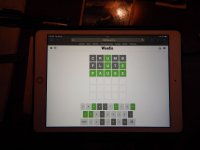
- Initial Discovery: Community members first expressed surprise at the game’s simplicity. Early reports from participants like user Cal Weldon highlighted "beginner’s luck," with many successfully solving the puzzle in three or four attempts.
- The Learning Curve: As the days progressed, the difficulty spiked. The inclusion of less common or "loan" words—such as "BIJOU"—tested even the most seasoned players. The community quickly realized that vocabulary breadth was just as important as logical deduction.
- The NYT Transition: A significant turning point occurred when the game was acquired by The New York Times. Users expressed concern about the potential for the game to become hidden behind a paywall or altered in its presentation, leading to a wave of collective troubleshooting as users navigated the new interface.
- Methodical Optimization: By the end of the first week of community discussion, the conversation shifted from casual play to data-driven strategy. Technical-minded users began to look at the game’s underlying code, leading to a deeper understanding of how the puzzle functioned.
Supporting Data and Algorithmic Strategies
In true engineering fashion, the DIYAudio community did not settle for mere intuition. They treated the game as a problem to be solved through data analysis. Users identified that the software was open-source, with a GitHub repository containing two distinct word lists: one for solutions (comprising 2,315 words) and one for permissible guesses (comprising 12,971 words).
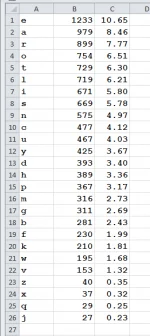
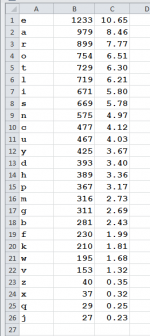
Armed with this information, users like Mark Johnson began building frequency tables to identify the most common letters in the English language as they appear in the Wordle dictionary. By analyzing the letter frequency (E, A, R, O, T, L, I, S, N, C), players could optimize their opening guesses.

The "Optimal Guess" Philosophy
Many in the community adopted the practice of using two specific opening words—"CONES" (or "SCONE") and "TRAIL" (or "TRIAL")—to cover the ten most frequent letters in the game’s solution list. This "scientific" approach to the game significantly increased the probability of solving the puzzle within the allotted six turns. As one user noted, this mirrors the process of writing programs to solve complex logic puzzles like Sudoku—a testament to the analytical mindset of the community.
Cultural Implications and Global Reach
The discussion within the community also touched upon the cultural and linguistic dimensions of the game. When a user expressed frustration over the word "BIJOU," other members were quick to point out that language is relative. For Canadian members of the community, for instance, French-origin words are part of the daily lexicon, highlighting how regional background influences one’s performance in a global game.

This discourse underscored a key aspect of Wordle’s success: it acts as a global equalizer. Whether one is a native English speaker or someone for whom English is a second language, the mechanics of the game remain the same. It is a rare instance of a digital product fostering a truly international, yet intimate, shared experience.
The "Mastermind" Comparison
The evolution of the discussion eventually led to a realization: Wordle is, in effect, a simplified, digital version of "Mastermind" using letters instead of colors. In the traditional "word games" of the past, players were often given only a count of correct letters and correct positions without being told which was which. This made the older games exponentially harder.
The DIYAudio community concluded that Wordle’s genius lies in its balance. It is difficult enough to provide a mental challenge, but it provides just enough information to ensure that the player feels a sense of progression rather than overwhelming frustration. For an older demographic, this is particularly appealing; it offers the mental stimulation of a classic puzzle without the punishing, time-consuming nature of its predecessors.
Beyond the Puzzle: The Social Aspect
Perhaps the most significant implication of the Wordle phenomenon is how it impacted daily life. The community members frequently discussed how the game fit into their routines—often linked to morning coffee or the start of the workday.

The social aspect of the game, specifically the ability to share results using the color-coded square emoji grid, allowed players to communicate their success or failure without "spoiling" the answer for others. This allowed for a communal experience that transcended geographic boundaries. As one user aptly put it, the game became a part of the "morning ritual," even noting jokingly that it sometimes took precedence over household chores like taking out the garbage.
Conclusion: A Testament to Human Curiosity
The Wordle thread on the DIYAudio forum serves as a microcosm of how internet communities engage with pop culture. It was not merely about playing a game; it was about understanding the mechanics, sharing strategies, and connecting with others through a shared intellectual exercise.
Whether through the application of letter-frequency analysis or the simple satisfaction of solving a five-letter puzzle, the community turned a fleeting digital fad into a collaborative project. It proves that even in the age of complex technology and global connectivity, there is still a profound human desire for the simple, daily challenge of a word game—and the camaraderie that comes with solving it together. As the game continues to evolve under its current stewardship, its legacy as a cultural touchstone remains firmly cemented in the daily habits of millions, including those who prefer their puzzles with a side of audio engineering expertise.


