Main Facts: The Intersection of Urban Acoustic Environments and ANC Technology
In modern metropolitan centers, noise pollution has escalated from a minor urban nuisance to a persistent environmental stressor. For millions of daily commuters, navigating subterranean transit systems, construction zones, and dense vehicular traffic requires enduring decibel levels that frequently exceed safe auditory thresholds. Historically, headphone users countered this acoustic barrage through a brute-force method: elevating playback volumes of aggressive, highly compressed music genres—such as punk, rock, and industrial—to mask the ambient din.
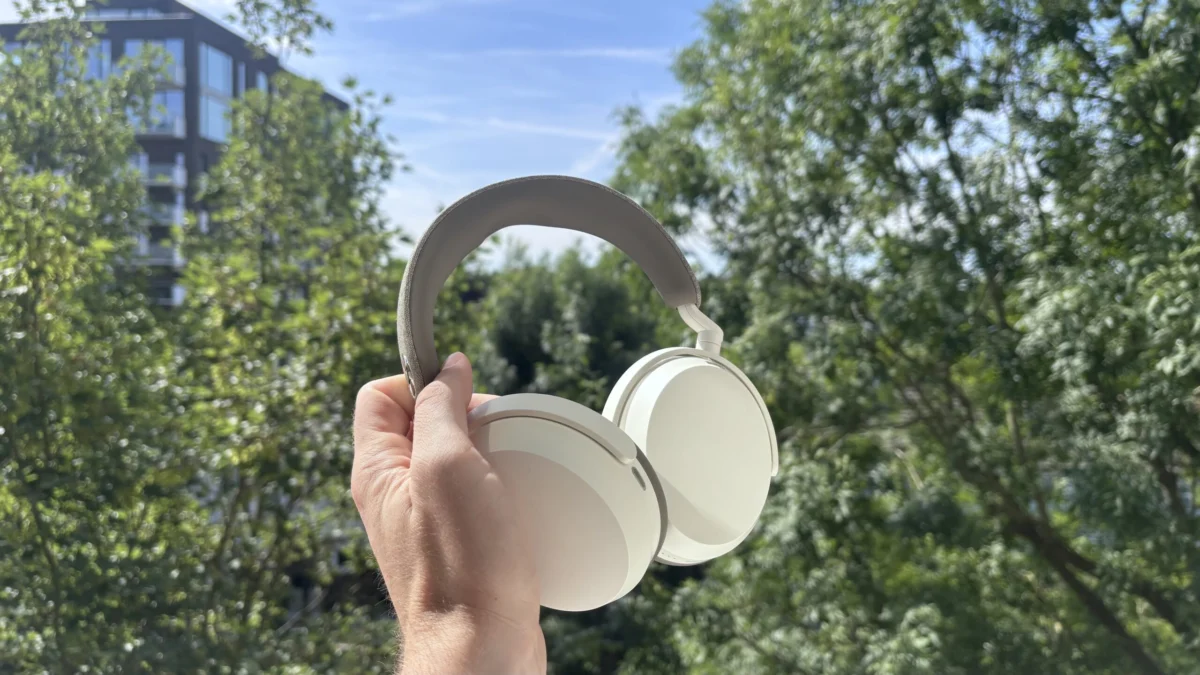
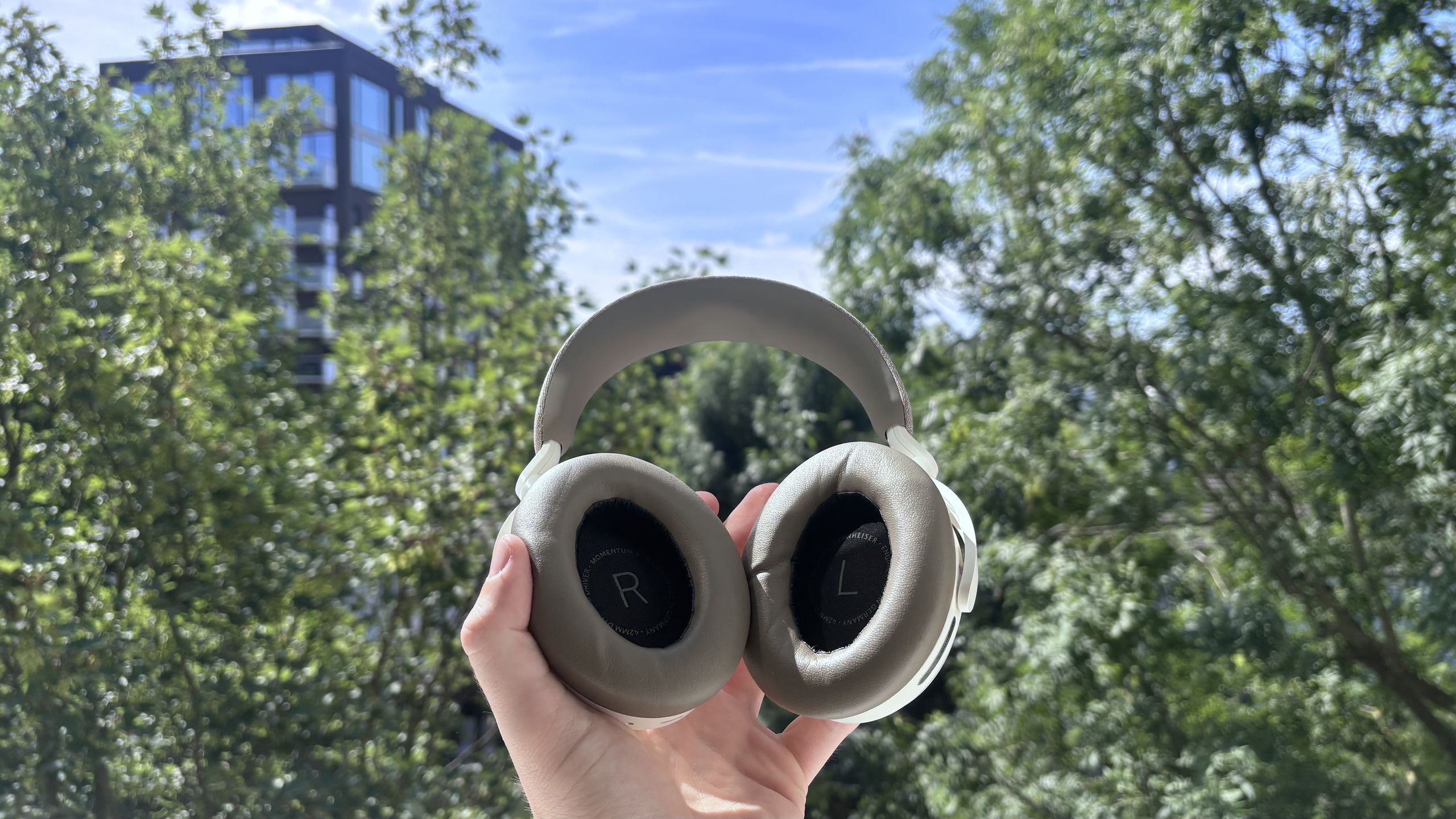
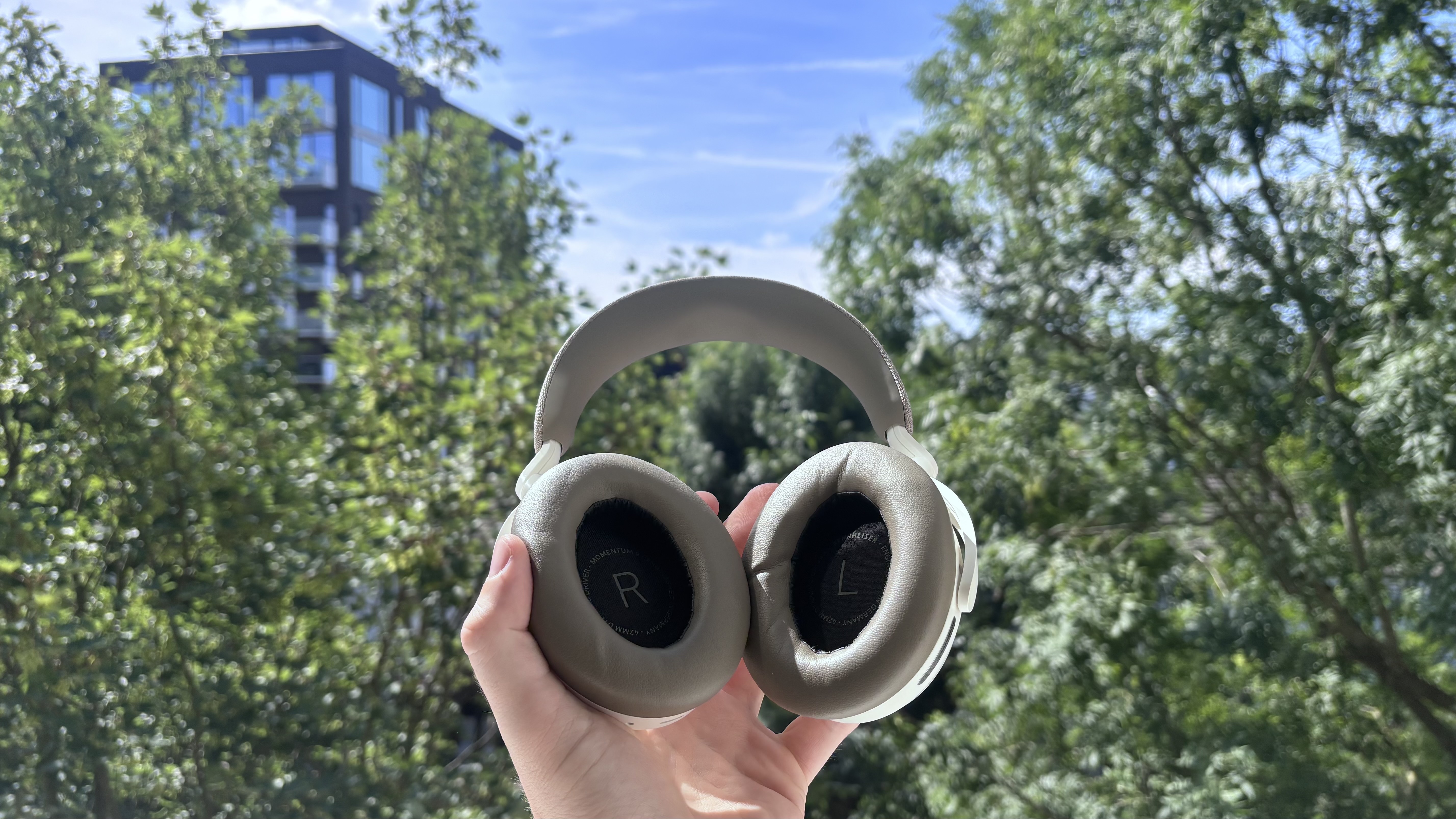
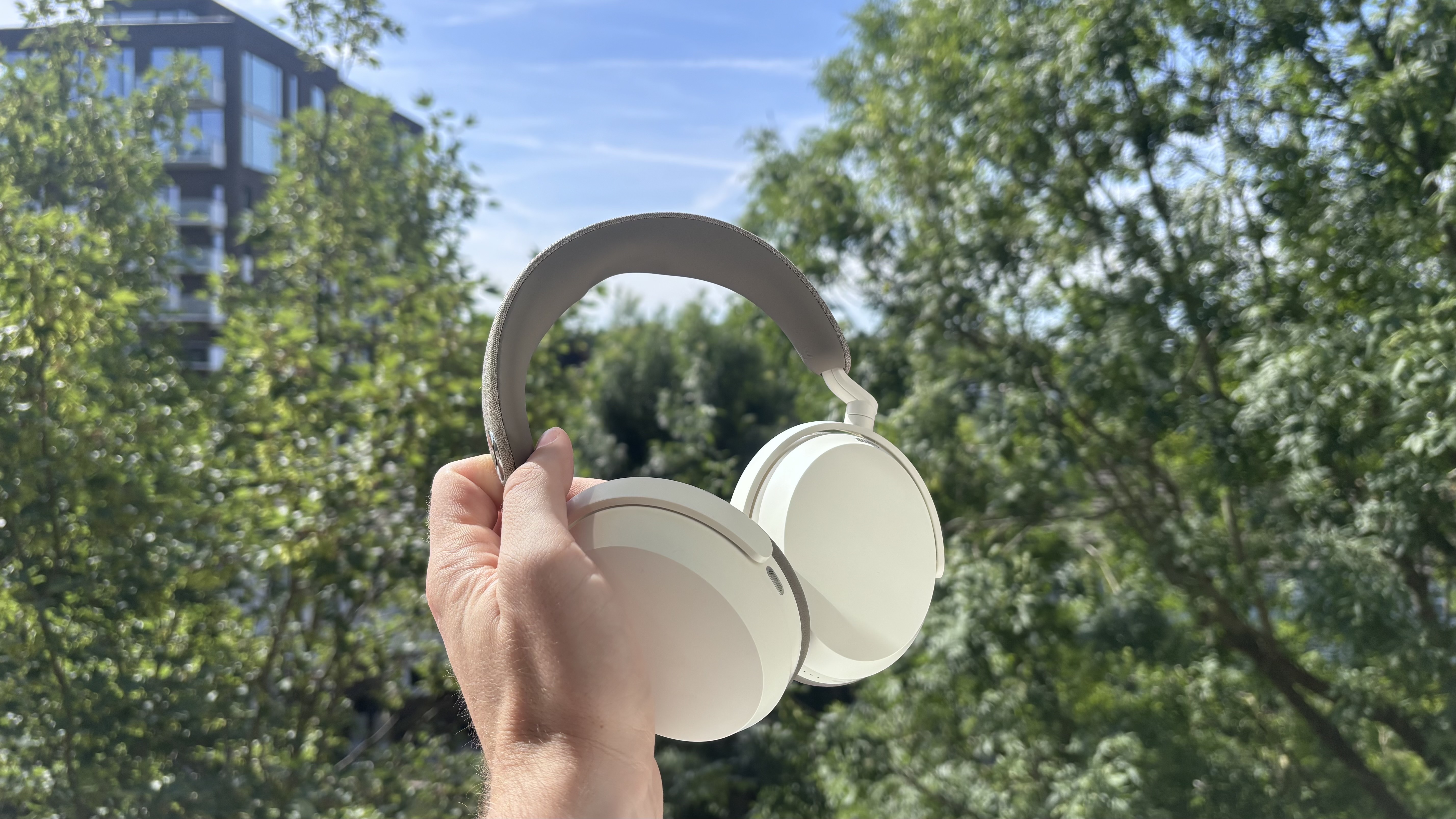
However, the emergence of advanced Active Noise Cancellation (ANC) technology has initiated a significant paradigm shift in consumer listening habits. Highlighting this technological evolution is the release of the Sennheiser Momentum 5 Wireless over-ear headphones. Engineered with an advanced eight-microphone array designed to target and neutralize mid-frequency environmental noise, the Momentum 5 Wireless represents a substantial leap forward in acoustic isolation.
+-----------------------------------------------------------------------------+
|                       SENNHEISER MOMENTUM 5 WIRELESS                        |
|                                                                             |
|   [ 8-Microphone Array ]  ======>  Neutralizes Mid-Frequency Noise          |
|   [ Adaptive ANC Hub ]    ======>  Suppresses Air Conditioners & Traffic    |
|   [ Dynamic Transducers ] ======>  Enables Low-Volume Classical Listening   |
+-----------------------------------------------------------------------------+
A case study of this technological impact is documented by Ioan Hazell, an audio journalist and staff writer at What Hi-Fi?. Hazell’s transition from listening to abrasive punk rock at damaging volumes during his London commute to appreciating the delicate, wide-dynamic-range compositions of Claude Debussy and Maurice Ravel underscores a broader cultural and physiological phenomenon. By effectively isolating the listener from high-decibel environmental disruptions, next-generation ANC does not merely suppress noise; it fundamentally alters the types of art consumers can experience on the move, democratizing high-fidelity, quiet-passage listening in the loudest environments on Earth.
Chronology: The Journey From Sonic Excess to Acoustic Isolation
To understand the impact of modern ANC, it is necessary to trace both the personal journey of urban listeners and the technical lineage of the audio equipment that facilitates this transition.
The Listener’s Evolution: From Rural Silence to Urban Chaos
The psychological relationship between an individual’s environment and their acoustic preferences often begins in youth. For individuals raised in serene, rural settings—such as Hazell’s adolescent years spent in rural Wales—the surrounding silence can feel isolating. In these environments, youth culture often gravitates toward high-energy, aggressive music genres (like punk and industrial rock) to inject excitement and challenge the rural quietude.
Rural Silence (Wales) ──> Seeking Loud Noise (Punk/Industrial) ──> Urban Migration (London)
                                                                            │
                                                                            ▼
Urban Noise Overload <── Drowning Out City with Maximum Volume <── Inability to Hear Detail
Upon migrating to hyper-urban centers like London, however, the acoustic landscape changes dramatically. The relentless clamor of the London Underground, traffic, and public disturbances creates a high-floor noise environment.
For commuters without effective isolation, subtle musical genres—such as classical, jazz, or ambient music—become unlistenable. The quiet passages (pianissimo) are entirely masked by ambient sounds, forcing listeners back to highly compressed, loud genres simply to hear their playback over the city’s roar.
The Technological Evolution of the Sennheiser Momentum Series
Sennheiser’s premium consumer lineup has evolved alongside these changing urban needs, adapting its engineering focus over several generations:
- Sennheiser Momentum 1 & 2 (The Analogue Era): Focused primarily on premium materials (stainless steel, leather) and high-fidelity wired sound signatures. Early wireless iterations offered basic ANC that struggled with dynamic, high-frequency urban noises.
- Sennheiser Momentum 3 Wireless (The Transition): Introduced improved digital signal processing (DSP) and stronger low-frequency attenuation, but at the cost of battery life and bulkier physical designs.
- Sennheiser Momentum 4 Wireless (The Redesign): Abandoned the classic retro aesthetic for a streamlined, lightweight design. It introduced a class-leading 60-hour battery life and an adaptive ANC system that adjusted to environmental changes.
- Sennheiser Momentum 5 Wireless (The Modern Standard): Refined the acoustic architecture by doubling the microphone count to eight. This design specifically targets the midrange frequencies—where human speech, traffic hums, and transit air-conditioning units reside—achieving what Sennheiser rates as a threefold improvement in real-world noise suppression compared to its predecessor.
Supporting Data: Technical Specifications and Performance Metrics
The capability of the Sennheiser Momentum 5 Wireless to transform an urban commute rests on its precise electro-acoustic engineering. Below is an analysis of the technical specifications that differentiate this headset from its predecessor and competitors in the premium wireless market.
Acoustic and ANC Architecture
The core upgrade of the Momentum 5 Wireless lies in its active noise-cancelling engine.
Ambient Noise ──> [4 External Mics (Feedforward)] ──┐
                                                    ├──> [Hybrid ANC Processor] ──> Anti-Noise Signal
Ambient Leak  ──> [4 Internal Mics (Feedback)]    ──┘
By utilizing a hybrid feedforward/feedback ANC system powered by eight total microphones (four per earcup), the system samples external environmental noise and internal ear-canal resonance simultaneously.
| Specification | Sennheiser Momentum 5 Wireless | Sennheiser Momentum 4 Wireless | Sony WH-1000XM5 |
|---|---|---|---|
| Microphone Count | 8 (4 per earcup) | 4 (2 per earcup) | 8 (4 per earcup) |
| ANC Type | Hybrid Adaptive ANC | Hybrid Adaptive ANC | Integrated Processor V1/QN1 |
| Midrange Attenuation | Up to -30dB (Threefold improvement) | Up to -22dB | Up to -28dB |
| Driver Size | 42mm Dynamic Transducer | 42mm Dynamic Transducer | 30mm Dynamic Driver |
| Supported Codecs | aptX Lossless, aptX Adaptive, AAC, SBC | aptX Adaptive, AAC, SBC | LDAC, AAC, SBC |
| Battery Life (ANC On) | ~50 Hours | 60 Hours | 30 Hours |
The Midrange Attenuation Breakthrough
Most standard ANC headphones successfully isolate low-frequency rumbles, such as the steady drone of a jet engine or a train’s wheels on steel tracks. However, higher-frequency and mid-frequency sounds—such as the high-pressure hiss of older transit air-conditioning units during a summer heatwave—often leak through.
Sennheiser’s upgraded DSP in the Momentum 5 focuses specifically on this midrange band (ranging from 250 Hz to 2 kHz). By generating a real-time, high-precision anti-noise wave, the headphones effectively mute these harsh sounds, protecting the listener’s ear canal from high-frequency spikes.
Official Responses and Critical Reception
The performance of the Momentum 5 Wireless has been evaluated by industry experts, with reviewers validating Sennheiser’s engineering claims.
Sennheiser’s Design Philosophy
Sennheiser’s engineering team has consistently stated that high-performance ANC should not compromise sound quality. Historically, aggressive noise cancellation introduced an audible "hiss" (noise floor) or created a high-pressure sensation in the ear, often referred to as "cabin pressure."
Sennheiser claims that the 8-microphone array and custom DSP algorithms in the Momentum 5 mitigate this effect, preserving a natural acoustic balance even when ANC is set to its maximum level.
The What Hi-Fi? Editorial Verdict
In its comprehensive five-star review, What Hi-Fi? praised the Momentum 5 Wireless for its sonic accuracy and isolation performance:
"Sennheiser has taken pains to improve on the ANC of the Momentum 4 Wireless… keeping traffic, wind, and crucially, the hum of air conditioners at bay."
The review highlighted the headphones’ sound signature, describing it as "rich, smooth yet strikingly precise and detailed." The editorial team noted that the midrange performance offers "naturalness and insight," while the low-frequency response is "on the richer side," providing a realistic weight to acoustic instruments without bleeding into the mid-band.
                 WHAT HI-FI? EDITORIAL EVALUATION

    Acoustic Balance:  [Rich Bass] <─── [Natural Midrange] ───> [Precise Treble]
    ANC Efficacy:      Complete isolation from traffic, wind, and AC hum.
    Verdict:           5 / 5 Stars ★★★★★
Implications: Auditory Health and Cultural Shifts in Listening
The widespread adoption of high-performance ANC headphones carries significant implications for public health, consumer behavior, and the music industry.
Mitigating Noise-Induced Hearing Loss (NIHL)
According to the World Health Organization (WHO), over 1 billion young adults are at risk of permanent, avoidable hearing loss due to unsafe listening practices. In a noisy environment (like a subway car measuring 85 dB), a listener using standard earbuds must raise their playback volume to at least 90 dB to hear detail. Prolonged exposure to sound levels above 85 dB is a primary cause of Noise-Induced Hearing Loss (NIHL).
WITHOUT ANC:
Ambient Subway Noise (85 dB) + Music Volume (90+ dB) = High Risk of Hearing Damage

WITH ANC:
Ambient Subway Noise (Reduced to 55 dB) + Music Volume (Safe 65 dB) = Protected Hearing
By lowering the noise floor of the surrounding environment by up to 30 dB, ANC headphones allow users to listen to music at much lower, safer volumes (e.g., 60 to 70 dB) while still retaining full detail. This protective barrier is a key tool in public health efforts to prevent hearing damage in urban populations.
The Democratization of High-Dynamic-Range Genres
The cultural impact of ANC technology is most apparent in how it changes music selection. Genres like classical, acoustic jazz, and minimalist ambient music rely on wide dynamic range—the contrast between the quietest whisper of a violin and the loudest crescendo of a full orchestra.
Without ANC, these dynamic shifts are lost in urban settings. Commuters are forced to listen to highly compressed, loud genres like punk, metal, or modern pop, which maintain a constant, high volume level.
With the noise floor suppressed by the Momentum 5 Wireless, listeners can enjoy delicate pieces like:
- Maurice Ravel’s Piano Concerto in G Major, M.83: II. Adagio assai, where the soft, expressive piano lines are easily lost in urban environments.
- Claude Debussy’s La damoiselle élue, L.62: Prélude, where the natural acoustic reverb and subtle orchestral imaging require deep silence to be fully appreciated.
- Thomas Köner’s Permafrost, an ambient work built on deep, low-frequency tones and quiet, textured soundscapes.
                           DYNAMIC RANGE COMPARISON

    Highly Compressed (e.g., Punk/Rock)
    [████████████████████████████████]  <-- Constant high volume; cuts through city noise.

    Wide Dynamic Range (e.g., Classical/Ambient)
    [██████░░░░░░░░░░░░░░░░██████████]  <-- Quiet passages are lost without ANC.
Future Market Trends
The premium headphone market is increasingly defined by this balance of sound quality and noise isolation. As competitors like FiiO introduce affordable ANC options to challenge entry-level segments, premium brands like Sennheiser, Sony, and Bose are pushing the boundaries of DSP, spatial audio, and lossless wireless codecs.
The success of the Sennheiser Momentum 5 Wireless demonstrates that consumers are looking for more than just a tool to block out noise; they want portable listening spaces that preserve the fidelity, dynamics, and emotional depth of their favorite music, wherever they go.