Introduction: The Everlasting Challenge of Beethoven
The canon of Ludwig van Beethoven’s piano sonatas serves as the "New Testament" for any serious pianist. With thirty-two works that span the composer’s entire creative evolution, these pieces represent a relentless challenge: how to breathe new life into music that has been scrutinized, recorded, and performed millions of times since the early 19th century.
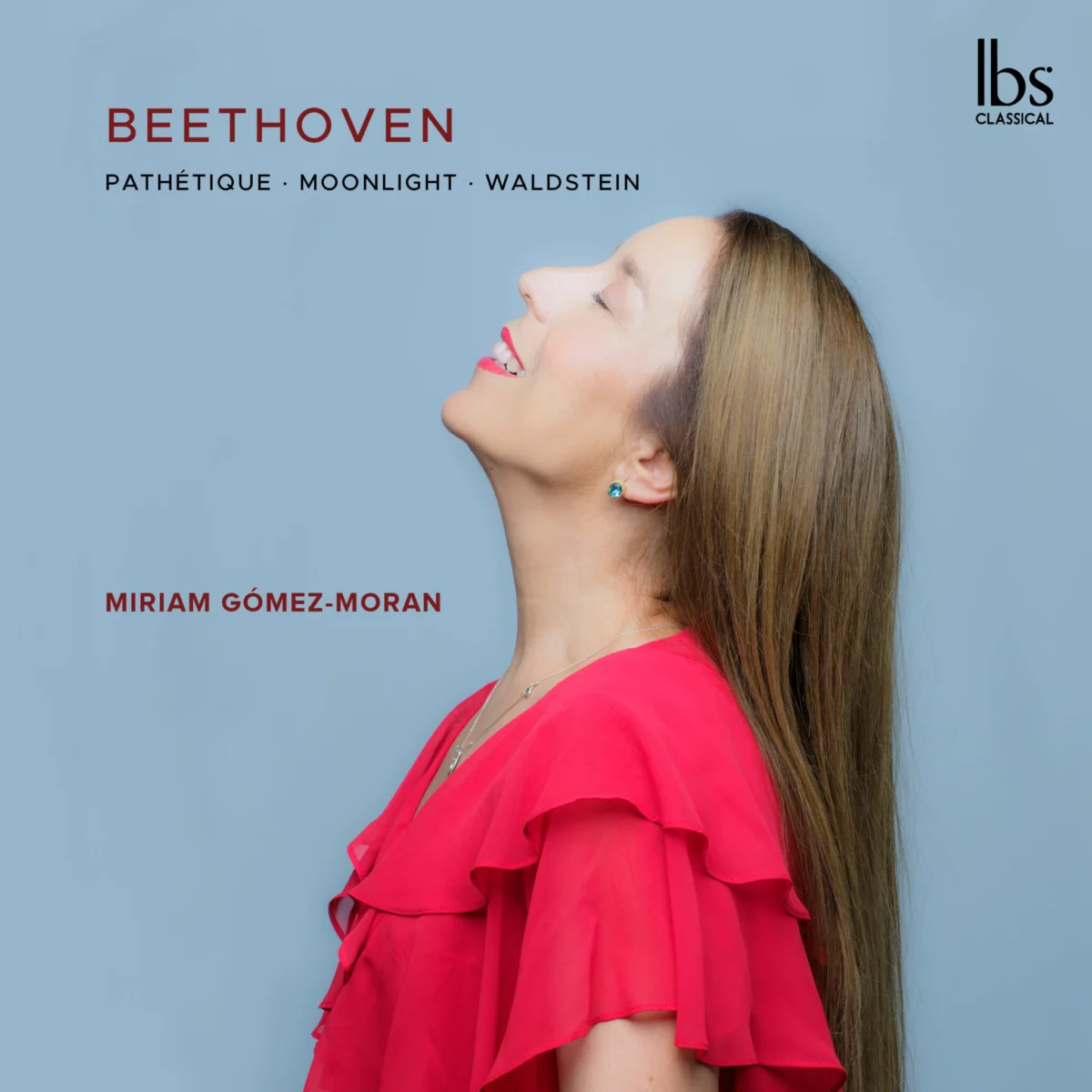
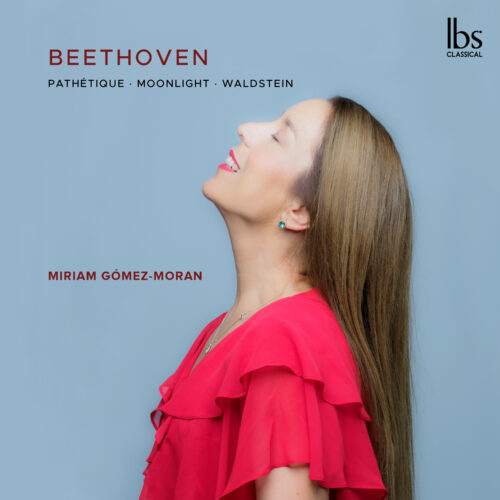
While the catalog of available recordings is vast—ranging from the historic cycles of Schnabel and Kempff to the modern high-resolution digital sets—the arrival of a new interpretation is only truly noteworthy when it brings something fundamentally unique to the table. This is precisely the case with the latest release from IBS Classical, featuring the esteemed Spanish pianist and scholar, Dr. Miriam Gómez-Morán. Her latest project, focusing on three of the most formidable staples of the repertoire—the Pathétique, the Moonlight, and the Waldstein—is not merely another entry in a crowded market; it is a masterclass in transparency, intellectual rigor, and emotional depth.
Main Facts: A Technical and Artistic Triumph
The new album, Beethoven: Pathétique · Moonlight · Waldstein, is a testament to the intersection of academic study and artistic intuition. Miriam Gómez-Morán, a professor at one of Spain’s premier music conservatories and a scholar with a PhD in Piano, approaches these works with a surgical precision that never sacrifices the "human" element of the music.
Key Highlights of the Release:
- Repertoire: Piano Sonata No. 8 in C Minor, Op. 13 ("Pathétique"); Piano Sonata No. 14 in C-sharp Minor, Op. 27, No. 2 ("Moonlight"); and Piano Sonata No. 21 in C Major, Op. 53 ("Waldstein").
- Recording Quality: Produced by IBS Classical, the album is noted for its exceptional sonic fidelity. The piano placement is balanced perfectly, providing the listener with an intimate, "front-row" experience that avoids the muddy acoustics often found in larger hall recordings.
- Artistic Approach: Gómez-Morán eschews the romanticized, heavy-handed clichés often applied to these sonatas. Instead, she favors a bright, transparent texture that allows the listener to hear every inner voice of Beethoven’s intricate writing.
Chronology: The Evolution of a Masterpiece
To understand the significance of this recording, one must look at the timeline of the works themselves. Beethoven’s sonatas were not written in a vacuum; they document the transformation of the keyboard instrument itself and the radical shift in the composer’s own psychological landscape.
- The Pathétique (1798): Written when Beethoven was only 28, this work marked the dawn of his middle-period "heroic" style. Gómez-Morán captures the raw, youthful angst of this piece without succumbing to the temptation of over-dramatization.
- The Moonlight (1801): Often misunderstood due to its subtitle, this work represents a departure from the traditional sonata form. Its famous opening movement is treated by Gómez-Morán not as a stagnant lullaby, but as a fluid, forward-moving meditation.
- The Waldstein (1804): A pivotal work in the history of the piano, the Waldstein tests the limits of the instrument’s color and dynamic range. It is here that Gómez-Morán’s performance is most striking; her ability to navigate the complex, rapidly shifting textures of the finale is nothing short of virtuosic.
Supporting Data: Why This Recording Matters
In the world of high-fidelity audio, "transparency" is often a buzzword. However, in the context of this recording, it refers to the pianist’s ability to articulate complex counterpoint clearly.
NativeDSD, the platform distributing this album, has long been a champion of high-resolution audio. This specific IBS recording benefits from the lack of artificial compression. When compared to other "complete cycle" recordings—such as the acclaimed 11-volume set by Peter Takács, which took home the Solo Instrumental Album of the Year in 2022—Gómez-Morán’s work stands out for its focused intensity. While a complete cycle provides a bird’s-eye view of Beethoven’s development, this curated selection of three massive works allows for a deeper dive into the specific thematic architecture of the composer’s most "popular" sonatas.
Comparing Interpretative Styles:
- The Traditionalist View: Many historical recordings emphasize a "Romantic" weight, using the sustain pedal to create a wash of sound.
- The Gómez-Morán Approach: She prioritizes articulation. By keeping the pedal usage sparse and thoughtful, she allows the "fire" of the music to shine through the "lyricism." It is an approach that values the intelligence of the score above the ego of the performer.
Official Perspectives: The Expert Verdict
Bill Dodd, Senior Music Reviewer at NativeDSD, has been vocal about the excellence of this release. In his assessment, he notes: "The first thing you notice is that she shows a high contrast between tragic, lyrical, and fiery feelings. These come across with purity, but never with sentimentality."
Dodd, whose own background includes formal training in piano and a lifelong dedication to classical music criticism, highlights that the Waldstein performance on this disc is among the most compelling he has encountered. His endorsement underscores a broader consensus among critics: that while we live in an era of digital saturation, high-quality, singular performances still have the power to stop us in our tracks.
Implications: The Future of Classical Listening
The release of this album raises an important question regarding the future of classical music consumption. With the ease of access provided by streaming platforms and high-resolution digital storefronts, the listener is no longer forced to choose between a "legendary" recording from 1955 and a modern, high-fidelity one. We are, as Dodd notes, "lucky beyond belief to live in a time when we can enjoy a variety of superb performances."
What This Means for Audiophiles:
- The Rise of Independent Labels: Labels like IBS Classical are proving that small, focused production teams can outperform major-label mass production by prioritizing acoustic fidelity and artistic autonomy.
- The Re-evaluation of "Standard" Works: This recording proves that even the most "overplayed" sonatas still have secrets waiting to be revealed. By stripping away the layers of performance tradition, Gómez-Morán shows that Beethoven’s music is as revolutionary today as it was in the 19th century.
- The Role of the Scholar-Performer: The emergence of performers like Dr. Gómez-Morán, who combine academic rigor with concert-hall fire, suggests a trend toward more "informed" playing that respects the score’s intent while embracing personal emotional truth.
Conclusion: A Must-Have for the Collection
Whether you are a seasoned collector of Beethoven sonatas or a casual listener looking for an entry point into this monumental repertoire, the recording by Miriam Gómez-Morán is an essential acquisition. It balances technical brilliance with an avoidance of cliché, offering a "fresh take" that feels both timely and timeless.
For those who are also seeking a comprehensive look at the entire cycle, the combination of this new album with Peter Takács’s 11-volume complete set provides an ideal balance: the encyclopedic breadth of Takács alongside the focused, high-contrast intensity of Gómez-Morán.
In a world filled with endless noise, this recording invites you to sit, listen, and rediscover the profound architecture of one of history’s greatest minds. It is, by any metric, a significant achievement in the world of classical music and a high-water mark for the IBS Classical label.
About the Reviewer
Bill Dodd is the Senior Music Reviewer at NativeDSD. Based in the Portland, Oregon area, his career has spanned from broadcasting as a morning personality in San Francisco to a lifetime of deep engagement with classical, jazz, and rock music. His expertise is matched only by his lifelong passion for high-fidelity audio.