For owners of the 2024 Subaru BRZ, the driving experience is defined by the symbiotic relationship between the driver, the road, and the machine. While Subaru has engineered the vehicle for handling precision, the factory audio environment often leaves enthusiasts wanting more. As many owners discover, upgrading the audio system—or even simply optimizing the performance of aftermarket mid-range woofers—requires a deep dive into the physics of door acoustics.
A recent inquiry from a Subaru enthusiast highlights a common dilemma: How should one address the large, gaping access holes in the inner door skin when attempting to optimize mid-range performance? When transitioning from a standard factory setup to an enhanced audio experience, the physical integrity of the door cavity becomes the most critical variable in achieving accurate sound reproduction.
The Physics of the Door Cavity
In automotive audio, the door serves as the "enclosure" for your mid-range woofer. In a perfect world, a speaker would be mounted in a perfectly rigid, sealed box. However, the automotive door is a cavernous, vibrating, and leaky environment.
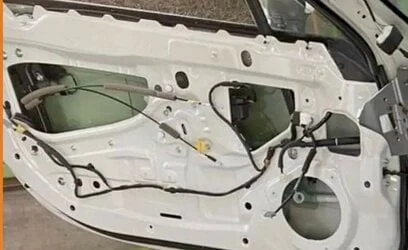
The access holes found on the inner metal door skin are designed by manufacturers for assembly purposes—allowing technicians to reach inside the door to install window regulators, latches, and wiring harnesses. For the audiophile, these holes are the enemy. They create "acoustic short circuits," where the back-wave of the speaker leaks through the holes and interferes with the front-wave, leading to phase cancellation and a drastic loss in mid-bass response.
Chronology of the DIY Dilemma
The process of improving car audio typically follows a predictable timeline for the modern DIYer:
- Initial Assessment: The owner identifies that the 2-ohm, 6.75-inch woofers are struggling to deliver punchy mid-bass.
- Research and Material Acquisition: The owner acquires high-quality materials, including 80mil sound deadener (butyl-backed aluminum), closed-cell foam (CCF), and butyl rope.
- The "Vapor Barrier" Problem: Upon removing the door panel, the owner discovers the factory plastic vapor barrier. This material, while effective at keeping moisture out of the interior, is acoustically transparent and structurally useless.
- The Conflict of Methodology: The enthusiast encounters conflicting advice—ranging from simple foil coverage to complex fabrication—leading to the current debate on the "best practice" for sealing the inner door cavity.
Supporting Data: Evaluating the Sealing Options
When analyzing the five primary methods for covering door access holes, it is essential to weigh structural rigidity against ease of installation and long-term durability.
1. The Butyl-Backed Sound Deadener Method (The "Crutchfield" Approach)
Using multiple layers of 80mil butyl deadener to bridge the holes is the most common DIY approach. While convenient, it is structurally flawed. Without a rigid substrate, the deadener will eventually sag under its own weight or fail to contain the pressure waves generated by the speaker. Over time, the material acts like a trampoline rather than a wall, vibrating along with the music.
2. Closed-Cell Foam (CCF)
While excellent for decoupling trim panels and absorbing high-frequency reflections, CCF lacks the tensile strength to act as a barrier for a woofer enclosure. Using CCF to bridge an access hole is largely ineffective, as it will flex significantly under the atmospheric pressure changes caused by the woofer’s excursion.
3. Rigid Substrates: Plastic and Aluminum
This is widely considered the "Gold Standard" by professional installers. By using 1/4-inch ABS plastic or thin-gauge aluminum sheet metal, the installer creates a rigid, permanent baffle.
- The Process: The sheet is cut to the exact dimensions of the hole.
- The Seal: A bead of butyl tape is placed around the perimeter to ensure an airtight seal.
- The Attachment: Self-tapping screws or rivet nuts (nutserts) are used to anchor the plate to the inner metal skin.
- The Benefit: This creates a near-perfect "infinite baffle" environment, allowing the woofer to exert maximum control over the air in the door cavity, resulting in tighter, deeper mid-bass.
4. Polyethylene Vapor Barriers
Replacing the factory plastic sheet with 6mil polyethylene is a common "quick fix." While it satisfies the requirement for moisture protection, it does nothing to improve acoustic performance. It remains a flexible membrane that does not contribute to the rigidity of the door structure.
Official and Professional Perspectives
The consensus among high-end audio integrators is clear: Rigidity is the priority.
Industry experts argue that the primary goal of door treatment is to transform the inner door skin from a "floppy" sheet of metal into a stiff, resonant-free baffle. When the area surrounding the speaker is not rigid, the energy of the speaker is wasted in moving the metal of the car rather than moving the air.
For the 2024 Subaru BRZ owner, the use of aluminum or ABS plastic is the most recommended path. It is a one-time investment in labor that pays dividends in sound quality. While the novice may find the prospect of drilling into their door intimidating, the long-term benefit of a solid, sealed enclosure far outweighs the temporary discomfort of fabrication.
Implications for Long-Term Vehicle Integrity
The primary concern for the novice DIYer is often the potential for unintended consequences: water ingress, rust, or damage to the door’s internal mechanisms.
- Moisture Management: The door is designed to let water in past the window belt molding and drain out the bottom. When sealing the door, one must ensure that the drainage holes at the bottom of the door shell remain completely unobstructed.
- Corrosion Prevention: When using self-tapping screws to attach aluminum or plastic plates, it is imperative to use a rust-inhibiting coating on the raw metal edges created by the drill bit. A dab of paint or silicone sealant will prevent the onset of oxidation.
- Accessibility: The use of rivnuts (threaded inserts) instead of permanent self-tapping screws is highly recommended. This allows the installer to remove the access panels in the future if a window regulator or door latch needs to be serviced.
The Optimal Strategy: A Step-by-Step Recommendation
For the Subaru BRZ owner looking to achieve the best results without compromising the vehicle’s integrity:
- Preparation: Clean the interior metal of the door with an alcohol-based degreaser. The butyl deadener will not adhere to oily or dusty surfaces.
- Structural Fabrication: Cut 1/8-inch or 1/4-inch ABS plastic sheets to cover the primary access holes. ABS is preferred over metal for some installers as it is easier to cut and does not have sharp, razor-like edges.
- Sealing: Apply a high-quality butyl rope or gasket tape to the perimeter of the ABS plate.
- Fastening: Use stainless steel hardware with rivnuts. This ensures a tight, vibration-free fit that can be reversed if necessary.
- Damping: Apply your 80mil Canopus sound deadener over the entire inner door skin, including the newly installed ABS plates. This "sandwiches" the assembly, adding mass and removing any remaining resonance.
- Decoupling: Finally, apply a layer of 1/4-inch CCF over the deadener. This acts as a decoupler between the metal door skin and the plastic door trim, effectively eliminating rattles and buzzes.
Conclusion
Optimizing the audio performance of a 2024 Subaru BRZ is a task that balances engineering and artistry. While the temptation to take the "easy path" with just sound deadener is understandable, the reality of physics dictates that a rigid seal is required for high-fidelity mid-bass. By utilizing a rigid substrate—either plastic or aluminum—to close the access holes, the enthusiast creates an environment where their aftermarket woofers can finally perform as intended.
For the novice, the journey from a simple door speaker swap to a fully optimized acoustic environment is a rewarding process. It is a testament to the fact that, in the world of high-end audio, the smallest details—the air behind the speaker, the rigidity of the baffle, and the sealing of a hidden hole—are precisely what differentiate a mediocre sound system from a transformative one. As you proceed with your BRZ build, remember that every hour spent on structural preparation is an hour that will be repaid in sonic clarity every time you turn the key.