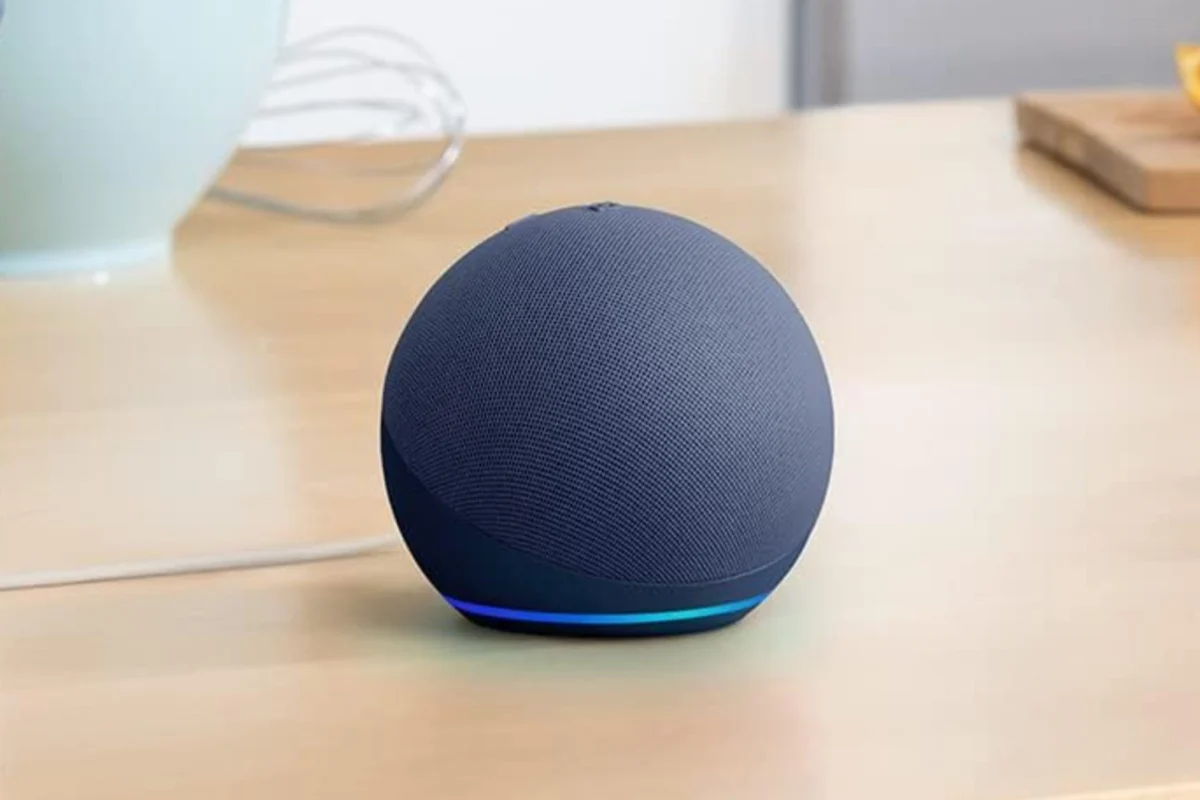
For smart home enthusiasts and those looking to dip their toes into home automation, the current Black Friday sales event has brought a significant opportunity. Amazon has officially dropped the price of its flagship smart speaker, the Echo Dot, to an unprecedented $22.99. This represents a staggering 54% discount from its standard retail price of $49.99, marking the lowest price point ever recorded for the device.
As the holiday shopping season accelerates, this aggressive pricing strategy signals Amazon’s continued commitment to saturating the consumer market with its proprietary smart ecosystem. Whether you are looking to equip every room in your home with voice control or searching for the perfect stocking stuffer, this deal serves as a cornerstone of the 2024 Black Friday retail landscape.
Main Facts: The Evolution of the Echo Dot
The Amazon Echo Dot has long been the entry point for millions of users into the world of smart home technology. Despite its diminutive footprint—roughly the size of a hockey puck—the device serves as a sophisticated gateway to the Alexa ecosystem.
Key Capabilities and Features:
- Voice-Activated Intelligence: At the core of the device is Alexa, Amazon’s cloud-based voice service. Users can manage complex daily tasks, including setting timers, creating shopping lists, scheduling appointments, and receiving real-time weather and news updates.
- Audio Fidelity: While compact, the Echo Dot offers surprising audio performance for its class. It functions as a versatile wireless jukebox, streaming high-fidelity audio from platforms including Amazon Music, Apple Music, Spotify, and Pandora.
- Environmental Sensing: Modern iterations of the Echo Dot include built-in motion detection and temperature sensors. These sensors are not merely passive; they can be integrated into "Alexa Routines," such as automatically turning on a smart fan when the room temperature exceeds a set threshold or triggering lights when a user enters a room.
- Network Synergy: Perhaps the most compelling feature for existing Eero users is the device’s ability to act as a mesh Wi-Fi extender. Each Echo Dot can expand an existing Eero network’s range by up to 1,000 square feet, providing a dual-purpose benefit that saves consumers the cost of dedicated range extenders.
Chronology: The Road to the All-Time Low
The trajectory of the Echo Dot’s pricing reflects broader shifts in Amazon’s retail strategy over the past decade.
2014–2017: The Early Adoption Phase
When the original Echo devices were first introduced, they were marketed as premium, experimental hardware. The Echo Dot was initially positioned as a "companion" device—a cheaper way to bring Alexa into smaller rooms without needing the bulky form factor of the original Echo tower. During this period, discounts were modest, and the product was often invitation-only.
2018–2022: Market Penetration
As Amazon pivoted toward ubiquity, the Echo Dot became the centerpiece of their Prime Day and Black Friday strategies. By bundling the devices with smart plugs or offering "buy two, save more" deals, Amazon successfully placed a smart speaker in millions of American households. The hardware saw iterative updates, moving from the hockey-puck design to the spherical aesthetic currently in production.
2023–2024: The Ecosystem Consolidation
Today, the Echo Dot is no longer just a speaker; it is a foundational node in the "Smart Home Hub" concept. The 2024 Black Friday price of $22.99 represents a move to lower the barrier to entry to effectively zero. By pricing the device at roughly the cost of a high-end lunch, Amazon is effectively ensuring that the Echo Dot becomes a ubiquitous utility, similar to a light switch or a power outlet.
Supporting Data: Why Price Matters in Smart Home Adoption
Market analysis indicates that the "smart home" sector is moving from early adoption to mass-market maturity. According to recent industry reports, the average smart home now contains between five and seven connected devices. However, the hurdle for many consumers remains the initial setup cost.

- Cost-Efficiency Analysis: At $22.99, the cost-per-feature ratio is at its highest historical point. When accounting for the device’s utility as a Wi-Fi extender—which would typically cost between $40 and $80 as a standalone piece of networking hardware—the Echo Dot is essentially a "negative cost" device.
- The Multi-Room Strategy: Amazon’s data suggests that users who own three or more Echo devices are 60% more likely to utilize advanced smart home features, such as routines and home automation, compared to single-device users. This discount is a deliberate effort to increase the density of smart speakers per household.
Official Responses and Strategic Implications
While Amazon rarely comments on specific pricing strategies for individual devices, industry analysts suggest that the company is playing a "long game." By lowering the price of hardware, Amazon creates a captive audience for its services.
"Amazon isn’t trying to make a significant margin on the hardware itself," notes Ben Patterson, Senior Writer at TechHive. "They are selling an entry ticket to their ecosystem. Once that Dot is on your nightstand, you are significantly more likely to subscribe to Amazon Music, purchase smart bulbs that work with Alexa, or utilize Amazon’s broader retail services."
Implications for the Competitive Landscape
The pricing move puts immense pressure on competitors like Google (Nest) and Apple (HomePod). As these companies vie for control over the "smart home operating system," the race to the bottom in hardware pricing is the primary battlefield.
- Increased Barrier to Entry for Startups: For smaller companies producing smart home peripherals, the dominance of Amazon’s ecosystem—driven by low-cost hardware—makes it difficult to compete unless their products are fully compatible with Alexa.
- Privacy and Data Considerations: With more Echo Dots entering homes, the conversation surrounding privacy remains paramount. Amazon has consistently maintained that voice processing is handled securely and that users retain control over their recordings. However, the increased density of microphones in the home remains a point of academic and consumer debate.
- Sustainability Concerns: Critics of the "low-cost hardware" model point to the environmental impact of mass-producing millions of electronic devices. Amazon has countered this by emphasizing its "Climate Pledge Friendly" initiatives and the use of recycled materials in the production of the current Echo Dot generation.
Conclusion: Is the Deal Worth It?
For the average consumer, the Black Friday price of $22.99 for an Amazon Echo Dot is, objectively, an exceptional value. Whether you are looking to control your smart lights, stream music, or simply boost your home’s Wi-Fi coverage, the utility provided by the device far outweighs the sub-$25 price tag.
As we look toward the future of the connected home, it is clear that devices like the Echo Dot are becoming the standard infrastructure of the modern living space. With the current discount, Amazon has made it easier than ever to turn a traditional home into a responsive, intelligent environment.
Pro-tip for shoppers: Given the historical popularity of this item during Black Friday, supply levels often fluctuate. If you are planning to outfit multiple rooms, it is advisable to secure your units early, as inventory across various retailers often experiences significant strain during the peak of the holiday shopping window.
For more information on optimizing your smart home, be sure to explore our ongoing coverage of Black Friday deals on home security cameras, video doorbells, and advanced lighting solutions.