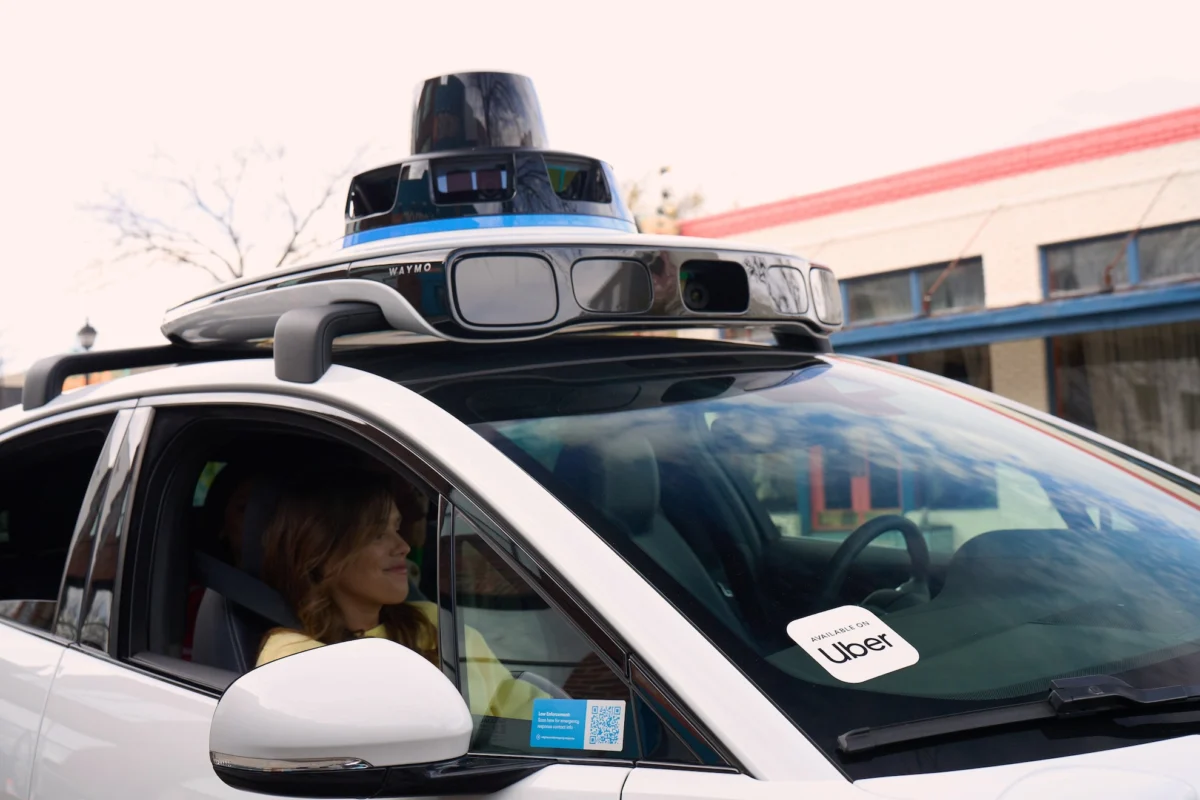
The landscape of autonomous transportation is undergoing a seismic shift. In a move that signals the maturation of the robotaxi industry, Waymo and Uber have quietly ended their three-year partnership in Phoenix, Arizona. Once viewed as an unlikely alliance born from the ashes of a bitter legal battle, the collaboration served as a foundational pilot program that allowed both companies to test the waters of a shared-mobility future. Today, that pilot has concluded, with both industry giants pivoting toward more aggressive, independent, and competitive strategies.
The Main Facts: An Era Ends in the Valley of the Sun
The dissolution of the Phoenix partnership was not a sudden collapse, but a calculated transition that began in May of this year. While the change went largely unannounced by official press releases, sharp-eyed users of the Uber app in Phoenix recently noticed that the familiar option to summon a Waymo robotaxi had vanished from the interface.
Both Waymo, the autonomous driving unit of Alphabet, and Uber have confirmed that the vehicles previously dedicated to this cross-platform pilot have been reabsorbed into Waymo’s internal fleet. These vehicles are now operating exclusively through the Waymo app, which continues to provide service to the Phoenix metropolitan area. While the Phoenix chapter is closed, the partnership remains intact in other key markets, including Austin and Atlanta, where users can still book Waymo rides directly through the Uber platform.
This move marks a critical juncture for both companies. For Waymo, it represents a desire to centralize control over its user experience and fleet management as it scales to new markets. For Uber, it signals the next phase of its "platform of platforms" strategy, as the ride-hailing giant prepares to integrate a new, as-yet-unnamed autonomous vehicle partner in the Phoenix market.
Chronology of a High-Stakes Relationship
To understand the gravity of this separation, one must look back at the fraught history between these two entities.
The Origins: From Courtroom to Collaboration (2018–2023)
The relationship between Uber and Waymo was once defined by hostility. In 2018, the companies were embroiled in a high-profile trade secrets lawsuit that threatened to derail Uber’s ambitions in the self-driving space. The eventual settlement, which involved a significant equity stake for Waymo in Uber, acted as a strange catalyst for the cooperation that followed.
The Pilot Phase (2023)
In 2023, the industry was in a state of flux. Cruise was still a dominant, albeit struggling, force, and the concept of a robotaxi was far from the normalized utility it is becoming today. The launch of the Phoenix pilot was, by all accounts, an "intentionally limited" experiment. With only a dozen or so vehicles dedicated to the Uber app, it served as a proof-of-concept for the technical integration of two disparate software ecosystems.
The Scaling Era (2024–2025)
As the pilot matured, both companies gained invaluable data. Uber leveraged the partnership to refine its dispatch algorithms, while Waymo used the Phoenix experience to stress-test its operational workflows. During this time, Waymo’s fleet grew exponentially, and Uber began diversifying its roster of autonomous partners.
The Present: A Strategic Divergence (2026)
As of mid-2026, the environment is vastly different. Waymo has successfully rolled out its "Ojai" robotaxi—a purpose-built, Zeekr-manufactured vehicle designed for high-volume, cost-effective service. With over 500,000 trips completed per week, Waymo no longer requires the Uber platform as a primary acquisition channel in its most mature markets.
Supporting Data: The Robotaxi Market at Scale
The data surrounding the current state of the industry provides context for why the Phoenix partnership is no longer a necessity for either player.
- Fleet Growth: Waymo’s fleet has ballooned to approximately 4,000 vehicles, a far cry from the modest dozen-car pilot that launched in Phoenix.
- Market Reach: Waymo currently operates in 11 major U.S. metropolitan areas, with plans to expand into 20 new cities within the calendar year.
- Operational Density: With half a million weekly trips, Waymo has transitioned from an experimental technology firm to a critical piece of urban public transit infrastructure, bolstered by integrations with platforms like Via and logistics partners like DoorDash.
- Uber’s Ecosystem: Uber has effectively pivoted to a model where it acts as a aggregator. It has inked agreements with dozens of autonomous vehicle developers, ensuring that it is not beholden to any single technology provider.
Official Responses: The Corporate Narrative
Both Waymo and Uber have been careful to frame the conclusion of the Phoenix pilot as a mutually beneficial "graduation" rather than a failure.
A spokesperson for Waymo emphasized the success of the initiative, stating: "This was a productive pilot that paved the way for future expansions and partnerships across the globe. After hundreds of thousands of trips with Uber, we have integrated these vehicles back into our Phoenix fleet, where they will continue to serve riders through Waymo."
Waymo’s statement underscores a commitment to their ecosystem, specifically highlighting their ongoing public transit integrations and delivery services.
Uber’s response was equally diplomatic, focusing on the utility of the pilot in accelerating their own development. "Phoenix was our first pilot market with Waymo and was an intentionally limited deployment," a company representative noted. "We learned a lot from that collaboration, which helped us to quickly scale Austin and Atlanta, where hundreds of Waymo AVs are available exclusively on Uber and our coverage area continues to expand."
Implications: A New Era of Competition
The end of this partnership is not just a logistical update; it is a signal of the looming "robotaxi showdown."
The Direct Rivalry
Perhaps the most significant implication is the shift toward direct competition. The most prominent theater for this battle is London, where both companies are poised to launch services. In these international markets, the "frenemy" dynamic is being replaced by a more conventional, cutthroat struggle for market share. As autonomous technology becomes commoditized, the differentiator will shift from "who has the best car" to "who has the best network, pricing, and user loyalty."
The "Platform of Platforms" Strategy
For Uber, the departure of Waymo in Phoenix is an opportunity to prove its platform independence. By bringing in a new, unannounced partner, Uber aims to demonstrate that its software stack and customer base are the true value drivers in the autonomous era. Uber is essentially positioning itself as the "Operating System for Mobility," where the identity of the underlying robotaxi is secondary to the reliability of the Uber app.
The Maturation of Hardware
The introduction of the "Ojai" van marks a shift in Waymo’s trajectory. By utilizing specialized hardware rather than retrofitted consumer vehicles, Waymo is signaling that it is entering a phase of profitability and industrial scale. This requires a level of operational control that is difficult to achieve when sharing data and passenger flow with a third-party aggregator like Uber.
Conclusion: Looking Ahead
The closure of the Waymo-Uber pilot in Phoenix marks the end of the "experimentation" phase for robotaxis. The industry has moved beyond the need for strategic "hand-holding." As Waymo continues to grow its proprietary network and Uber continues to curate a diverse menu of autonomous providers, the consumer can expect a period of rapid service expansion and, inevitably, intense price competition.
While the Phoenix experiment may be over, the lessons learned there are currently being applied to every city where autonomous vehicles are touching the pavement. The partnership was never intended to last forever; it was intended to prove that the future of transportation is automated, and on that front, both companies have succeeded beyond their wildest 2023 expectations. The question now is not whether robotaxis will be part of our daily lives, but which company will own the relationship with the passenger at the end of the ride.