The global race for artificial intelligence supremacy has shifted from a battle of algorithms to a desperate, high-stakes scramble for physical infrastructure. As demand for compute capacity outstrips the ability of terrestrial power grids and real estate to keep pace, Silicon Valley’s titans are looking toward unconventional solutions. Among the most ambitious—and contentious—of these proposals is Elon Musk’s vision of "orbital data centers."
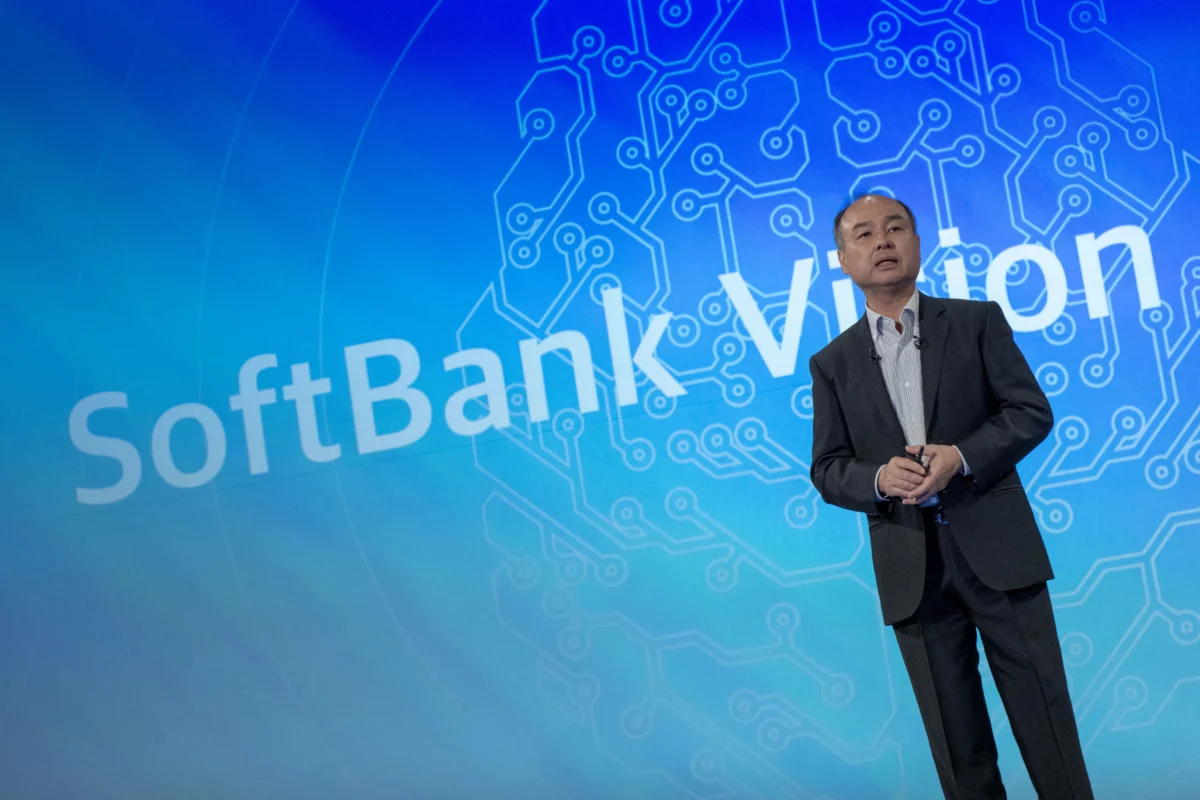
However, this celestial ambition is facing a cold dose of reality from some of the industry’s most seasoned investors, including SoftBank CEO Masayoshi Son, who has publicly dismissed the concept as a distraction from the immediate, terrestrial needs of the AI revolution.
The Vision: Orbital Compute in the Age of Scarcity
Elon Musk’s proposal to leverage space for data processing is rooted in a fundamental engineering problem: the planet is running out of places to put data centers. Between stringent environmental regulations, massive energy consumption requirements, and "NIMBY" (Not In My Backyard) opposition, building new facilities on Earth has become an arduous, multi-year process.
Musk’s vision suggests that by moving data processing into low Earth orbit, providers could bypass terrestrial zoning laws, potentially utilize direct solar energy, and solve the cooling issues that plague traditional data centers. But beneath the veneer of technological innovation lies a more pragmatic economic model. SpaceX, currently the dominant force in global satellite launch capacity, stands to gain exponentially from a shift toward orbital infrastructure. By creating a market that requires a constant, replenishing constellation of satellites—each with a finite lifespan—Musk effectively creates a permanent, high-volume customer for his own rocket fleet.
Chronology of the Compute Crunch
The current discourse surrounding orbital data centers did not emerge in a vacuum; it is the culmination of a three-year trajectory of extreme compute scarcity:
- 2024–2025: The "AI Gold Rush" triggers an unprecedented surge in demand for H100 and B200-class GPUs. Major tech players find themselves compute-constrained, leading to a pivot where companies that previously focused on consumer hardware or services begin rebranding themselves as "neo-cloud" providers.
- Early 2026: SpaceX begins aggressively marketing its excess compute capacity, signing major deals with entities like Google and Anthropic. This move signals a shift in the company’s internal valuation, moving from a launch-service provider to a massive, space-based compute utility.
- June 2026: SoftBank CEO Masayoshi Son makes waves at a shareholder meeting by publicly questioning the viability of orbital data centers. His comments serve as a turning point in the debate, forcing industry observers to distinguish between long-term visionary engineering and immediate commercial necessity.
- Late June 2026: OpenAI announces the development of custom chips in partnership with Broadcom, and Groq secures a massive $650 million funding round, underscoring that the industry is currently obsessed with solving the "here and now" of chip supply rather than the "there and then" of orbital infrastructure.
Supporting Data: The Economics of the "Neo-Cloud"
To understand the skepticism toward orbital data centers, one must look at the underlying economic pressures driving the market. Industry experts, including those featured on TechCrunch’s Equity podcast, argue that the "neo-cloud" movement is less about innovation and more about survival.
Current data suggests that SpaceX’s dominance in the global launch market—holding roughly 80% to 90% of all launches—is heavily subsidized by its own Starlink operations. If SpaceX were to lose the Starlink demand, its share of the global launch market would likely plummet to 30% or 40%. Consequently, the push for orbital data centers can be viewed as an attempt to ensure that the launch business remains indispensable.
Furthermore, the "compute constraint" is the primary bottleneck for AI startups. Companies like Groq and even legacy firms undergoing pivots are scrambling to lease out compute capacity. In this environment, any proposal—like orbital data centers—that requires a decade of R&D is viewed by investors like Masayoshi Son as an inefficient use of capital when the AI war will be won or lost in the next 36 to 48 months.
Official Responses and Strategic Skepticism
The debate has created a fascinating divide among tech’s elite, largely defined by the "baggage" each player brings to the table.
The SoftBank Critique
Masayoshi Son’s dismissal of the orbital concept is particularly striking given SoftBank’s history of "wild bets." Son argues that the cost-to-benefit ratio of launching hardware into space simply does not scale in a timeframe that matters for the current AI cycle. SoftBank, which is currently pouring billions into terrestrial data center projects in Europe and elsewhere, has a clear financial incentive to keep the AI ecosystem tethered to the ground.
The OpenAI Stance
Sam Altman, CEO of OpenAI, has been notably cool toward the orbital data center concept. Observers point to the complex history between Altman and Musk—ranging from co-founding OpenAI to subsequent legal battles—as a factor. However, from an operational standpoint, Altman’s focus remains on custom silicon and optimized infrastructure on Earth, suggesting that he views the space-based dream as a diversion from the critical task of scaling compute capacity today.
The "Talking Your Own Book" Phenomenon
As noted by market analysts, almost every vocal participant in this debate is "talking their own book."
- Musk champions orbital data centers because they maximize SpaceX’s utility.
- Son derides them because he is heavily invested in terrestrial data center infrastructure.
- Chipmakers and startups focus on local, modular compute because it is the only way to generate revenue in the immediate fiscal quarter.
Implications for the Future of AI
The implications of this debate extend far beyond a disagreement between billionaires. The conflict highlights three critical trends:
- Infrastructure as a Moat: Access to compute is now the primary barrier to entry for any AI entity. Whether that compute is provided via terrestrial servers or space-based constellations, the company that controls the physical hardware controls the market.
- The Short-Termism of the AI Boom: The industry is currently locked in a race that prioritizes speed over long-term stability. The skepticism regarding orbital data centers is not necessarily a reflection of the technology’s ultimate feasibility, but rather a reflection of the industry’s panic regarding immediate compute supply.
- Regulatory vs. Economic Arbitrage: Musk’s move into space is an attempt at regulatory arbitrage—escaping the red tape of Earth. However, the economic reality is that for the foreseeable future, the "neo-cloud" will remain firmly planted on the ground, fueled by chips, power, and massive capital expenditure on terrestrial facilities.
In conclusion, while the idea of orbital data centers captures the imagination, it currently sits at the intersection of brilliant engineering and aggressive corporate strategy. As the industry navigates the next few years of intense compute scarcity, the focus will remain on what can be built, cooled, and connected today. Whether Musk’s vision becomes a reality in a decade or remains a clever way to keep his rockets flying, the debate itself serves as a vital reminder: in the world of high-stakes technology, the most visionary ideas are often those that serve the most immediate financial interests of their creators.