In the world of interior design and architectural engineering, the "universal solution" is a myth that often leads to compromised results. Whether it is a high-ceilinged house of worship, a bustling modern restaurant, or a high-tech recording studio, every space possesses a unique acoustic DNA shaped by its geometry, construction materials, and intended purpose. When designers rely on rigid, one-size-fits-all acoustic treatments, they frequently find themselves forced into an unfortunate trade-off between aesthetic integrity and sonic performance.
Primacoustic, a leader in acoustic innovation, is challenging this paradigm. Through its flagship EcoScapes line, the company is demonstrating that high-performance sound control does not have to be an architectural eyesore. By prioritizing modularity, sustainability, and aesthetic flexibility, Primacoustic is shifting the industry conversation from "Where do we hide the panels?" to "How do we shape the atmosphere?"
The Anatomy of a Challenge: Why No Two Spaces Are Alike
To the untrained eye, two rooms of similar square footage might seem identical. However, to an acoustician, those spaces are worlds apart. One may feature exposed concrete and floor-to-ceiling glass, while the other might be dominated by wood paneling and plush upholstery. These variations in material reflectivity, coupled with the "design intent"—the emotional response a room is meant to elicit—necessitate a bespoke approach to sound management.
Rigid, off-the-shelf solutions often fail to account for the nuance of a space. They can clash with brand-specific color palettes, disrupt existing architectural features, or fail to account for complex lighting installations. The result is often an installation that feels "tacked on" rather than integrated.

"Every project requires a certain degree of customization," notes a representative from the Primacoustic engineering team. "Adhering to a brand’s aesthetic, mimicking existing architectural elements to ‘hide’ treatments, or navigating unique room layouts—these aren’t obstacles; they are the fundamental requirements of professional acoustic design."
A Chronology of Innovation: The Shift Toward Integrated Sound
The evolution of acoustic design has moved through several distinct phases. Initially, the focus was purely functional: get the sound under control, regardless of the visual impact. This gave rise to the "egg-crate foam" era, where aesthetics were an afterthought.
In the mid-2000s, the industry saw a push toward "designer" acoustic treatments—panels that looked better but remained largely static in their application. It wasn’t until the integration of advanced manufacturing techniques, such as CNC carving and sustainable PET plastic utilization, that the current era of "Architectural Acoustics" began.
EcoScapes represents the pinnacle of this timeline. By leveraging PET plastic sourced from recycled water bottles, Primacoustic created a material that is not only environmentally responsible but also remarkably versatile. This material consistency across the product line—ranging from simple wall panels to complex ceiling-mounted blades—allows for a cohesive design language that scales from a small home office to a sprawling convention center.
Supporting Data: The Case for Customization
The demand for customizable acoustics is backed by clear industry trends. According to recent market analysis in the architectural sector, there is a 40% increase in the demand for "biophilic" and "architecturally integrated" interior elements. Clients no longer want to see the "how" of a space; they want to experience the "feel."
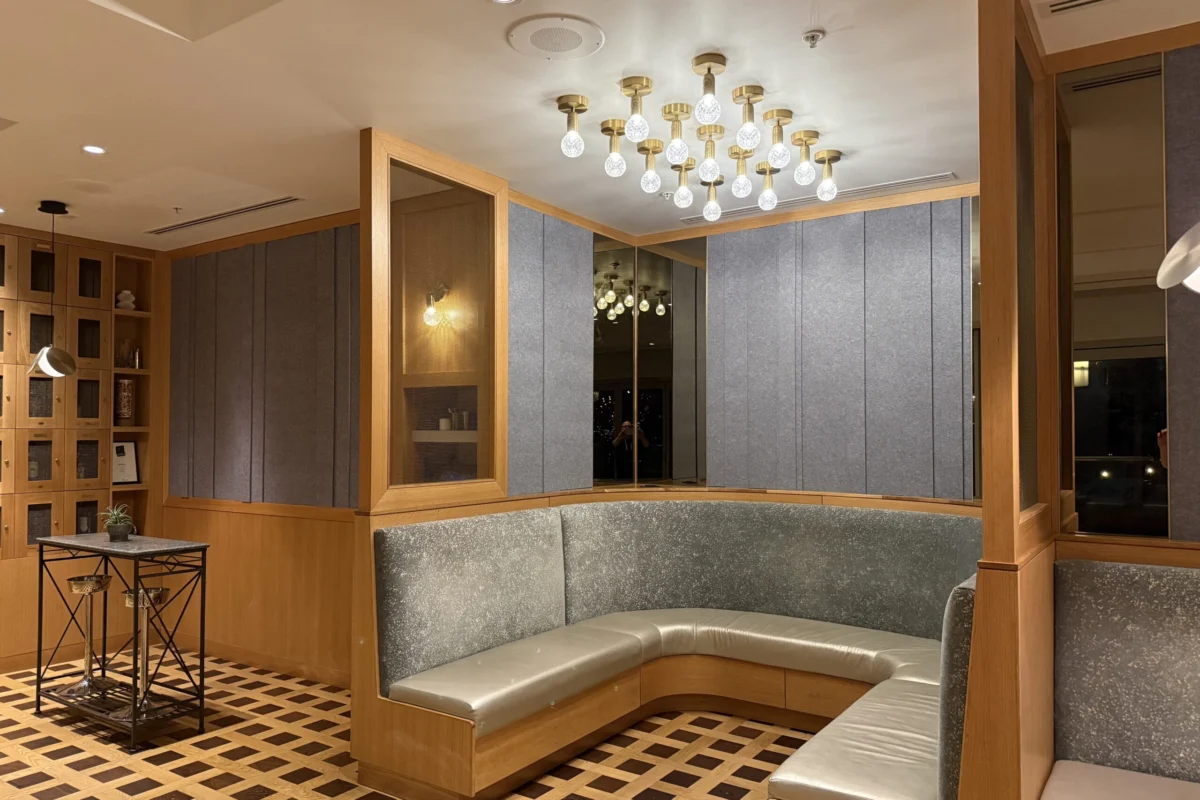
Data from real-world installations shows that when acoustic treatments are treated as a design feature rather than a necessary evil, project satisfaction scores increase significantly. For instance, the Terminal City Club (TCC) installation serves as a benchmark. Iain Fletcher, Director of Club Outlets at TCC, noted that after their acoustic overhaul, visitors noticed a profound difference in the clarity of the space, yet were unable to pinpoint where the sound-absorbing panels were located. This "invisible" acoustic success is the holy grail of modern interior design.
Official Perspectives: The Collaborative Philosophy
The success of the EcoScapes system is largely attributed to the collaborative relationship between the manufacturer, the integrator, and the end-user. Marty Nightingale, a designer at Paramount Automation, emphasizes that the industry is moving away from "problem solving" toward "challenge management."
"With both Paramount and Primacoustic, it’s like, ‘this is a challenge, not a problem; let’s figure it out,’" says Nightingale. This sentiment is echoed by Drew Campbell, founder of Paramount Automation, who credits the "like-minded" approach for the success of their projects.

This philosophy extends to the support network Primacoustic provides. By offering online calculation tools and personalized consultations, the company acts as a design partner. Tracey Cochrane, owner of Points West Audio Visual and Acoustics, highlights how these tools have elevated her firm’s capabilities. "Instead of me simply saying, ‘Here’s my proposed solution,’ I can actually give my clients a clear, visual picture of the installation," Cochrane explains. This transparency minimizes the "guesswork" and ensures that the final build matches the initial vision.
Deep Dive: The Mechanics of EcoScapes
The EcoScapes lineup is designed to be a building-block system. It comprises three primary categories that allow for limitless configuration:
1. Contour Carved Panels
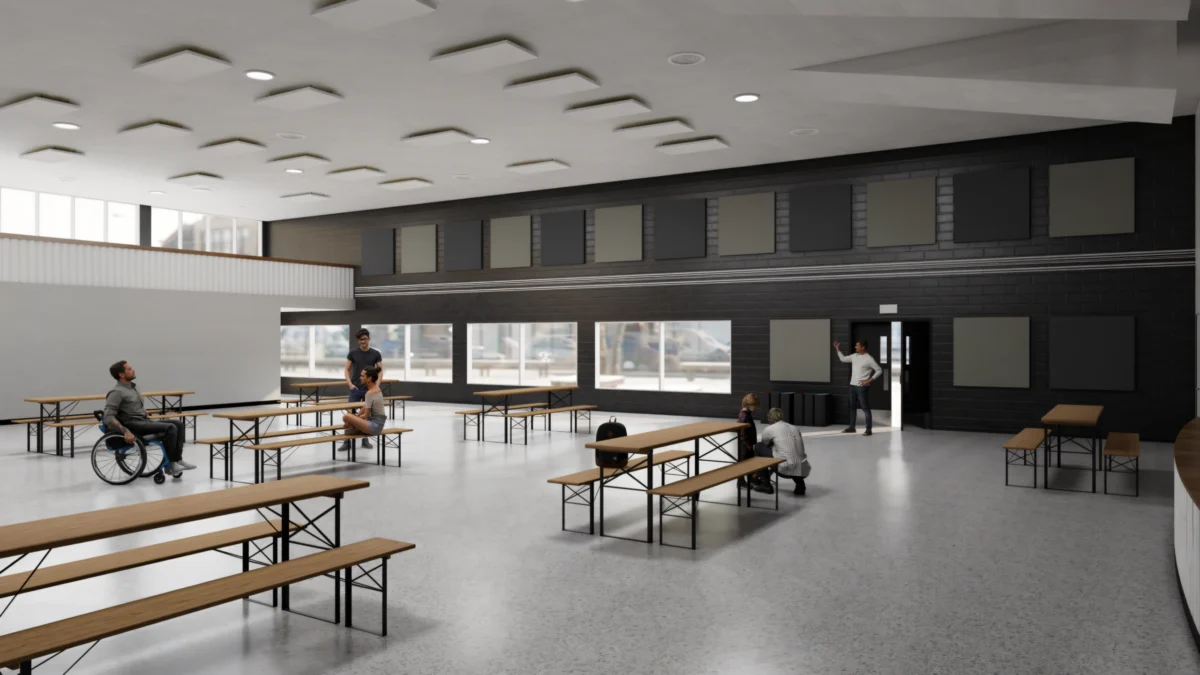
These are the aesthetic workhorses of the system. By using precision CNC cutting, these panels can be transformed into wall art. Whether a client wants a geometric pattern, a company logo, or a large-scale mural, the PET material can be carved to meet the most exacting specifications. They provide high-level sound absorption while serving as the focal point of a room.
2. Blades and Dimensional Baffles
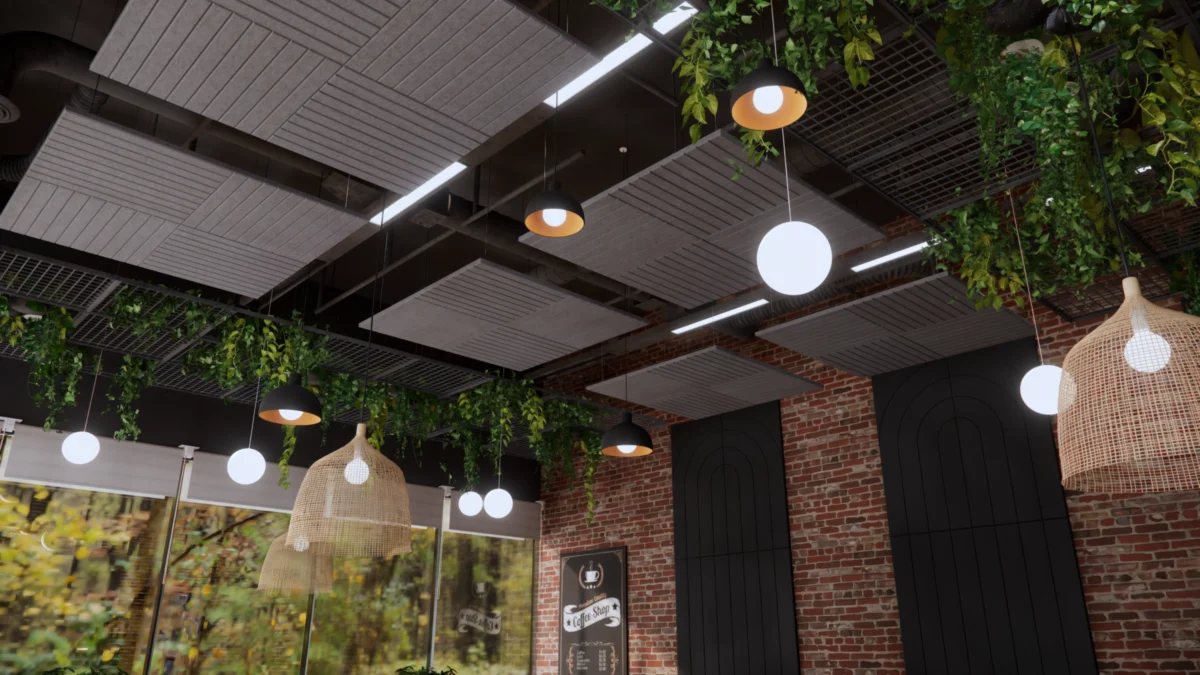
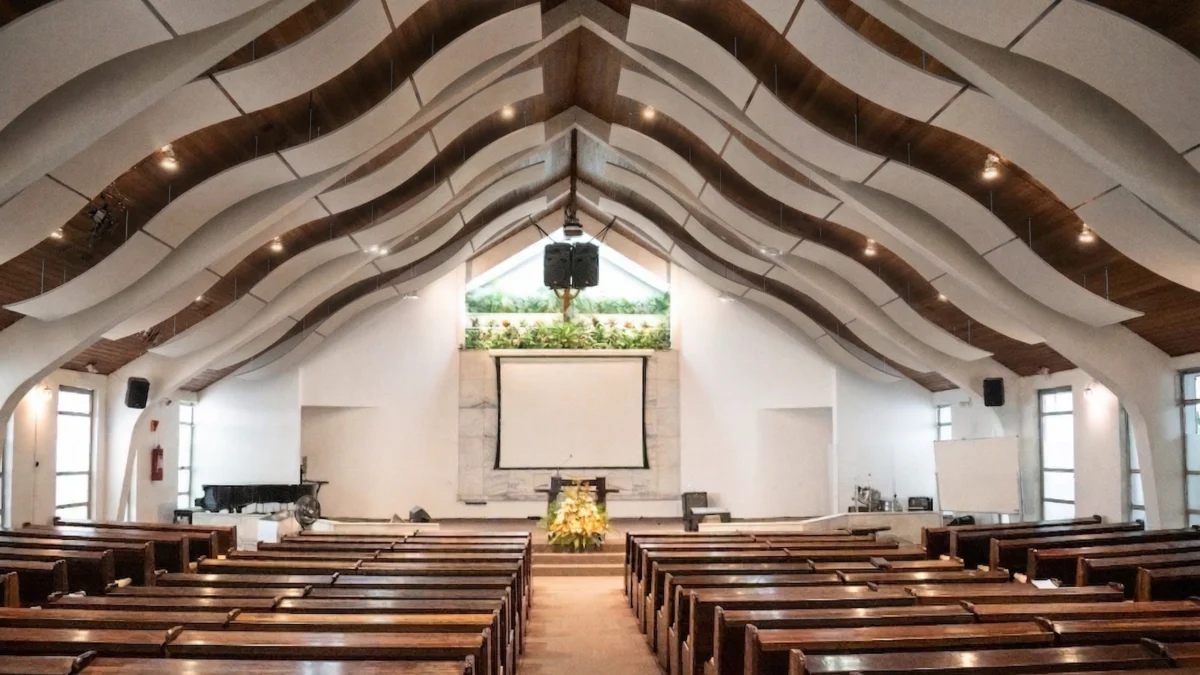
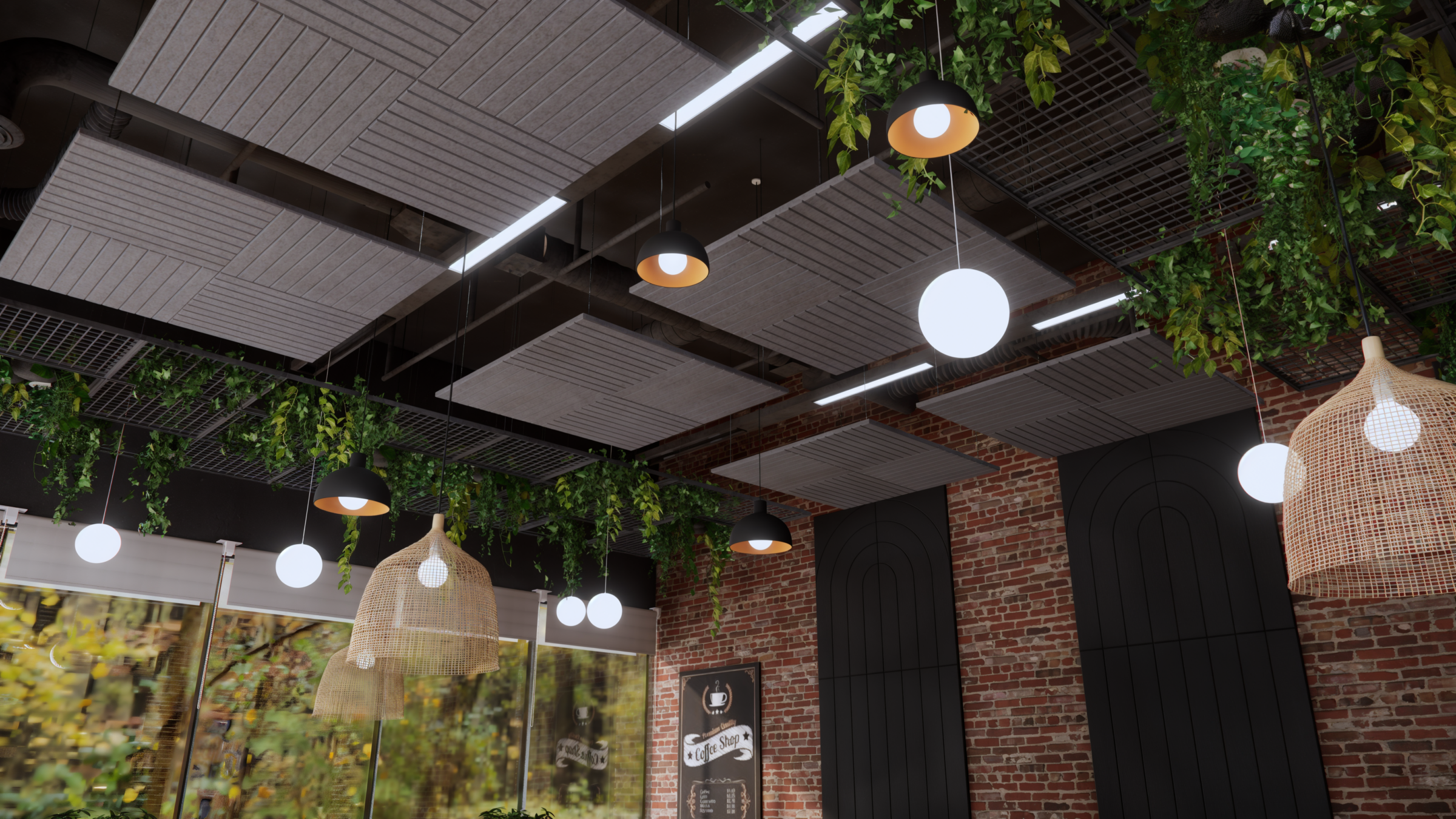
Ceilings are often the largest untapped surface area in a room. EcoScapes Blades and Dimensional Baffles are engineered to hang from above, intercepting sound waves before they can bounce back into the listening environment. Baffles are particularly effective at navigating around existing infrastructure like HVAC ducts, lights, or exposed rafters, turning potential eyesores into design features.

3. Scalable Formats
Because the base material is consistent, a designer can mix a "Contour" wall feature with "Blade" ceiling accents, ensuring a consistent acoustic signature and visual theme. They can be cut to size on-site, allowing for last-minute adjustments as the building environment evolves.
Implications for the Future of Design
The implications of this shift are profound. We are moving toward a future where "acoustic comfort" is a baseline expectation, not a luxury. As urban environments become denser and spaces become more multifunctional—restaurants that double as co-working spaces, or lobbies that function as event venues—the need for adaptable acoustics will only grow.
EcoScapes enables dealers and architects to say "yes" to complex projects that they might have otherwise turned down. By providing a system that is as much about aesthetics as it is about physics, Primacoustic is ensuring that the "sound of a space" is no longer left to chance.
Conclusion: Crafting the Atmosphere
The ultimate goal of acoustic design is to facilitate human connection. Whether it is a clear, intimate conversation in a restaurant or the awe-inspiring clarity of a musical performance in a concert hall, the space should never get in the way of the experience.

Through the integration of sustainable materials, cutting-edge CNC technology, and a collaborative, solution-first service model, Primacoustic is defining the next chapter of architectural acoustics. As the industry continues to prioritize the intersection of design and performance, tools like EcoScapes will remain essential for those who refuse to compromise on either.
For architects, designers, and integrators looking to elevate their projects, the message is clear: when the space is unique, the solution must be too. With the right system, customization isn’t just a requirement—it’s the standard.
To learn more about how to integrate the EcoScapes system into your next design, or to book a personal consultation with an acoustic expert, visit Primacoustic.com.