The podcasting industry continues to demonstrate remarkable elasticity, characterized by a rapid influx of high-profile talent, strategic network realignments, and an increasing diversification of content. As listeners move beyond traditional formats, the medium is proving itself as a primary destination for both cultural commentary and deeply specialized intellectual inquiry. From the television personalities entering the audio space to established creators pivoting to new distribution models, the latest wave of podcast news reflects an industry in the midst of a sophisticated maturation process.
Main Facts: The New Wave of Audio Content
The most significant development this week is the expansion of celebrity-led audio programming. Bauer Media Group has officially launched Judgemental, a new podcast featuring Strictly Come Dancing stars Anton Du Beke and Craig Revel Horwood. Positioned as a "witty, warm, and wonderfully opinionated" series, the show aims to capture an audience interested in pop culture, etiquette debates, and the natural chemistry of two long-time colleagues.

Simultaneously, the landscape of sports and comedy audio is undergoing a significant transition. The Adam Friedland Show is leaving the All Things Comedy network to join Spotify. As part of this move, the feed will host a new mini-series titled The Beautiful Pod. Scheduled to coincide with the World Cup, the series promises a comedic, reactionary take on tournament action, signaling a broader trend where creators use high-frequency sporting events to drive listener engagement and cross-platform growth.

Furthermore, The Louis Theroux Podcast has returned for a new season. The program continues its trend of high-profile guest bookings, with the new run featuring football legend Gary Lineker, singer Mel C, chef Marco Pierre White, and content creator Andrew Callaghan.

Chronology of Developments
The current shifts in the podcasting ecosystem have unfolded over the last 48 hours, highlighting the speed at which distribution strategies change in the digital age:

- Monday Morning: Bauer Media Group announces the launch of Judgemental, signaling a major move to capitalize on the existing fan bases of its Strictly Come Dancing hosts.
- Monday Afternoon: Details emerge regarding the transition of The Adam Friedland Show to Spotify, including the announcement of the The Beautiful Pod mini-series.
- Tuesday Morning: The Louis Theroux Podcast drops its season premiere, marking a high-profile return for one of the most successful interview-based shows currently in production.
- Ongoing: Banned Camp launches its 11th season, focusing on a listener-voted reading of The Handmaid’s Tale, highlighting the growing trend of audience-curated content.
Supporting Data: Chart Performance and Audience Trends
The current performance metrics across Apple Podcasts and Spotify underscore a dichotomy in the industry: the dominance of legacy "mega-hits" versus the steady growth of niche, educational, and specialist content.

In the United States, The Daily remains the top-performing podcast on Apple Podcasts, while The Joe Rogan Experience retains the #1 spot on Spotify. These shows continue to define the "audio mainstream," serving as anchor points for their respective platforms. However, smaller, specialized podcasts are seeing significant traction in localized markets.

For instance, the podcast WoolWork recently experienced the largest gain in the Hobbies category in Ireland, while Islampodcasts secured the highest new entry in the Judaism category in the same region. These data points suggest that while the global giants command the greatest total reach, the "long tail" of the podcasting industry is where the most dynamic growth in community engagement is currently occurring.

Official Responses and Strategic Shifts
The move of The Adam Friedland Show to Spotify is perhaps the most telling signal of the industry’s current direction. By moving away from an independent network to a platform-owned environment, creators are increasingly prioritizing distribution reach and the ability to integrate into platform-specific features (such as Ringer-produced mini-series).

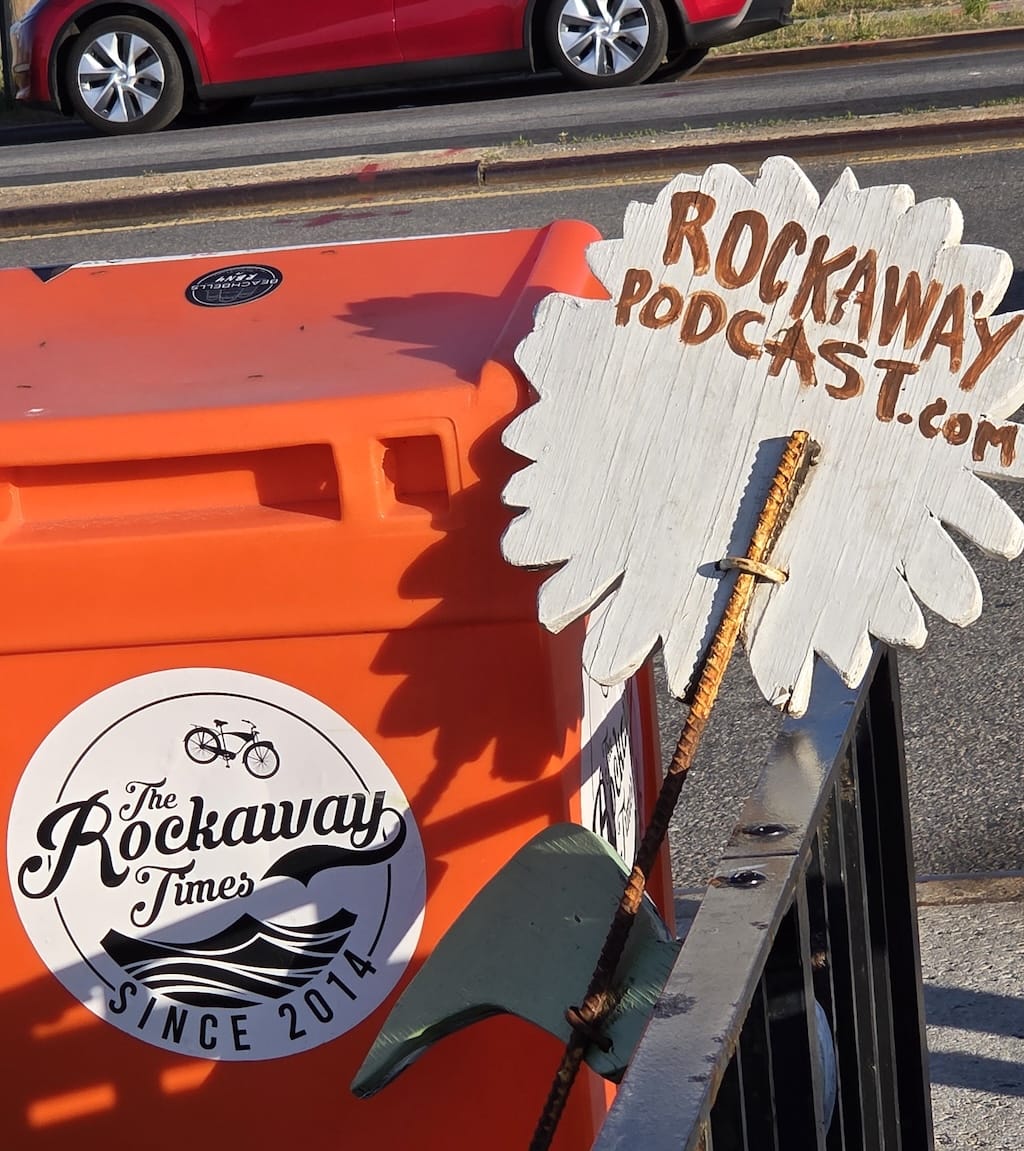
In parallel, the rise of "lo-fi" marketing strategies is catching the attention of industry observers. The recent promotion of the Rockaway Podcast—which used a simple, physical advertisement placed directly next to a local newspaper vending machine—represents a pushback against the hyper-digital nature of podcast discovery. By targeting physical spaces where the target demographic is likely to be, the creators of Rockaway are demonstrating that local, community-focused audio still thrives on real-world visibility.

Implications for the Future of Podcasting
The current state of the industry offers several critical implications for producers and stakeholders:
1. The Power of "Opinionated" Audio
The success of shows like Judgemental and The Louis Theroux Podcast indicates that personality-driven, conversational audio is the most reliable way to maintain long-term listener loyalty. Audiences are seeking authentic, "unfiltered" takes on pop culture, which provides a counter-balance to the heavily scripted nature of traditional broadcast media.

2. The "Niche is the New Scale"
The success of Wired Divergent—a show specifically addressing nervous system regulation for neurodivergent individuals—shows that deep-dive, specialist content is finding a massive, hungry audience. Rather than trying to appeal to everyone, producers are finding that success is increasingly found by serving specific demographics with highly actionable, science-backed content.

3. The Return of Community Curation
Banned Camp’s decision to have listeners vote on their Season 11 book choice—specifically leading to the selection of The Handmaid’s Tale—proves that interactive production models increase listener investment. When a podcast becomes a collaborative project between the creator and the audience, the resulting community is far more resilient and engaged.

4. Hybrid Marketing
The "Podcasts in the Wild" phenomenon, exemplified by the Rockaway example, suggests that the next frontier of growth is not necessarily just better algorithms, but better integration into the daily physical lives of listeners. As the market becomes more crowded, the ability for a podcast to bridge the gap between a digital link and a physical reality—like a newspaper stand or a local community board—will likely become a competitive advantage.

5. Platform Consolidation
The shift of major shows to Spotify’s ecosystem suggests that we are entering a phase of consolidation. As platforms vie for exclusive content, creators will continue to weigh the benefits of wide-distribution RSS models against the marketing and production support offered by platform-exclusive deals.

Conclusion
The podcasting landscape of today is characterized by a blend of high-production celebrity vehicles and deep, community-focused niche programming. As the medium continues to evolve, the focus is shifting from "how many people can I reach" to "how much value can I provide to a specific, engaged segment." Whether through the comedic lenses of sports commentary or the investigative rigor of interviewers like Louis Theroux, the industry is proving that audio remains the most intimate and effective medium for contemporary storytelling. The next twelve months will likely see even greater integration between platform-owned networks and independent creators, as the race for audience attention continues to intensify.