In the high-stakes world of private membership clubs, atmosphere is everything. For the historic Terminal City Club (TCC) in Vancouver, the challenge was not in the aesthetic design of their prestigious dining room, but in the invisible, often-overlooked factor of sound. When a recent renovation prioritized sleek surfaces, the club inadvertently sacrificed its most valuable commodity: the ability for members to converse comfortably.
The successful remediation of this acoustic crisis—achieved through a bespoke collaboration between Primacoustic and AV integrator Paramount Automation—serves as a masterclass in how modern engineering can solve architectural shortcomings without compromising high-end design.
The Invisible Challenge: A Quiet Crisis at the TCC
Iain Fletcher, the Director of Club Outlets at the Terminal City Club, understands the subtle psychology of dining better than most. He recognizes that while decor and menu quality draw patrons in, it is the auditory environment that determines whether they stay—or return.
"I’ve been to some places in the city with thoughtful acoustic treatment, and the experience is memorable," Fletcher notes. "But there are also restaurants I might not return to because they’re just too loud. And I can’t help but think how often others feel the same—but don’t tell the people running the restaurant."
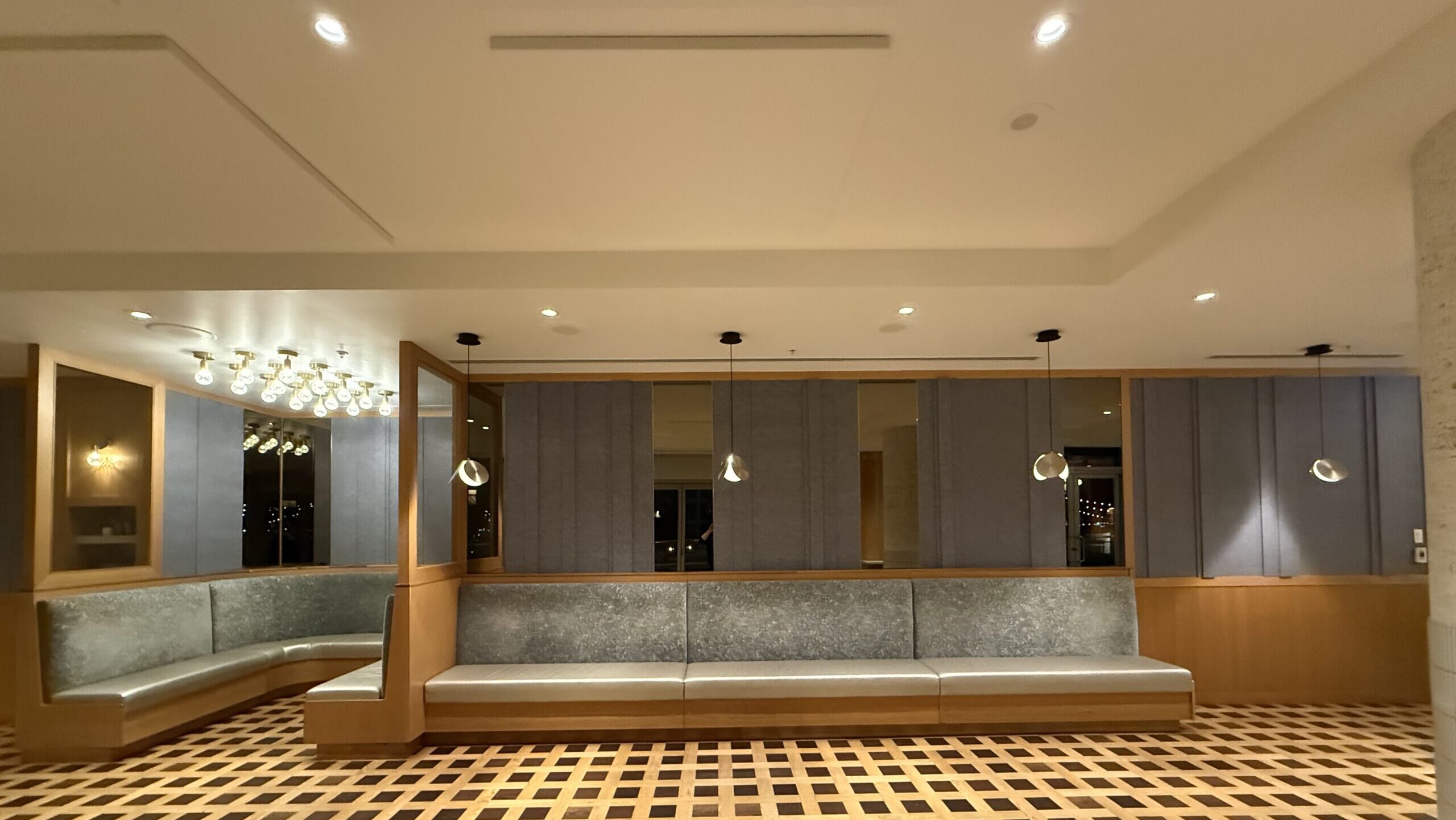
Located on West Hastings Street, the TCC serves a sophisticated demographic, primarily business professionals who utilize the dining areas for high-stakes meetings and midday networking. Following a major renovation, however, Fletcher noticed a troubling trend: the lunch crowd was thinning. Despite the room being visually stunning, the change in materials—specifically the removal of carpet and plush furnishings in favor of hard, sound-reflective surfaces—had created an environment where speech intelligibility plummeted. The room was "bouncing" sound, turning intimate business discussions into a struggle against an cacophony of ambient noise.
Chronology of a Restoration
The journey to reclaiming the TCC’s acoustic profile began with a search for a solution that didn’t just "fix" the problem, but respected the club’s award-winning interior design.
Initial Discovery
Fletcher’s breakthrough occurred when he discovered documentation of a project completed at Piva Restaurant in New Westminster. The installation, managed by Paramount Automation using Primacoustic technology, provided the exact proof-of-concept he needed. "One of our previous managers had actually started working at Piva, and seeing his comments, and a video showing the before and after, we thought we’d give it a shot," Fletcher recalls.
The Planning Phase
Once the partnership was formed, the team faced a dual-objective: improve acoustics while ensuring the technology remained invisible. "The restaurant had won several design awards," Fletcher explains. "We wanted people to hear the difference, but not see the difference."
Design and Execution
Paramount Automation deployed their lead craftsman, Marty Nightingale, to spearhead the project. Nightingale worked in tandem with Dylan Bubel, Primacoustic’s Western Canada Sales Manager, to navigate the rigid design constraints. The team moved from the dining room to an attached private lounge, treating each space as a unique puzzle requiring custom-cut, color-matched solutions.
Technical Strategy and Material Innovation
The project relied on a hybrid approach, utilizing both Primacoustic’s EcoScapes PET panels and their studio-grade Broadway glass wool treatments.
Precision Engineering in the Dining Room
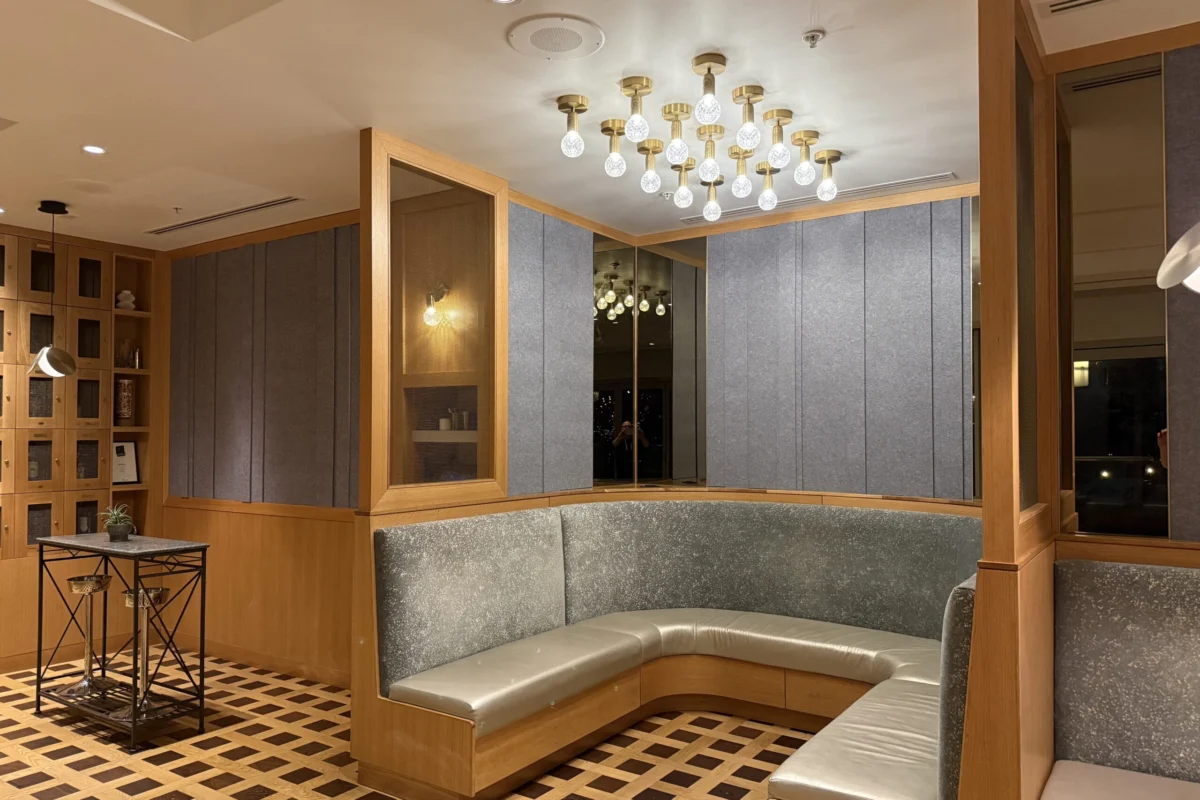
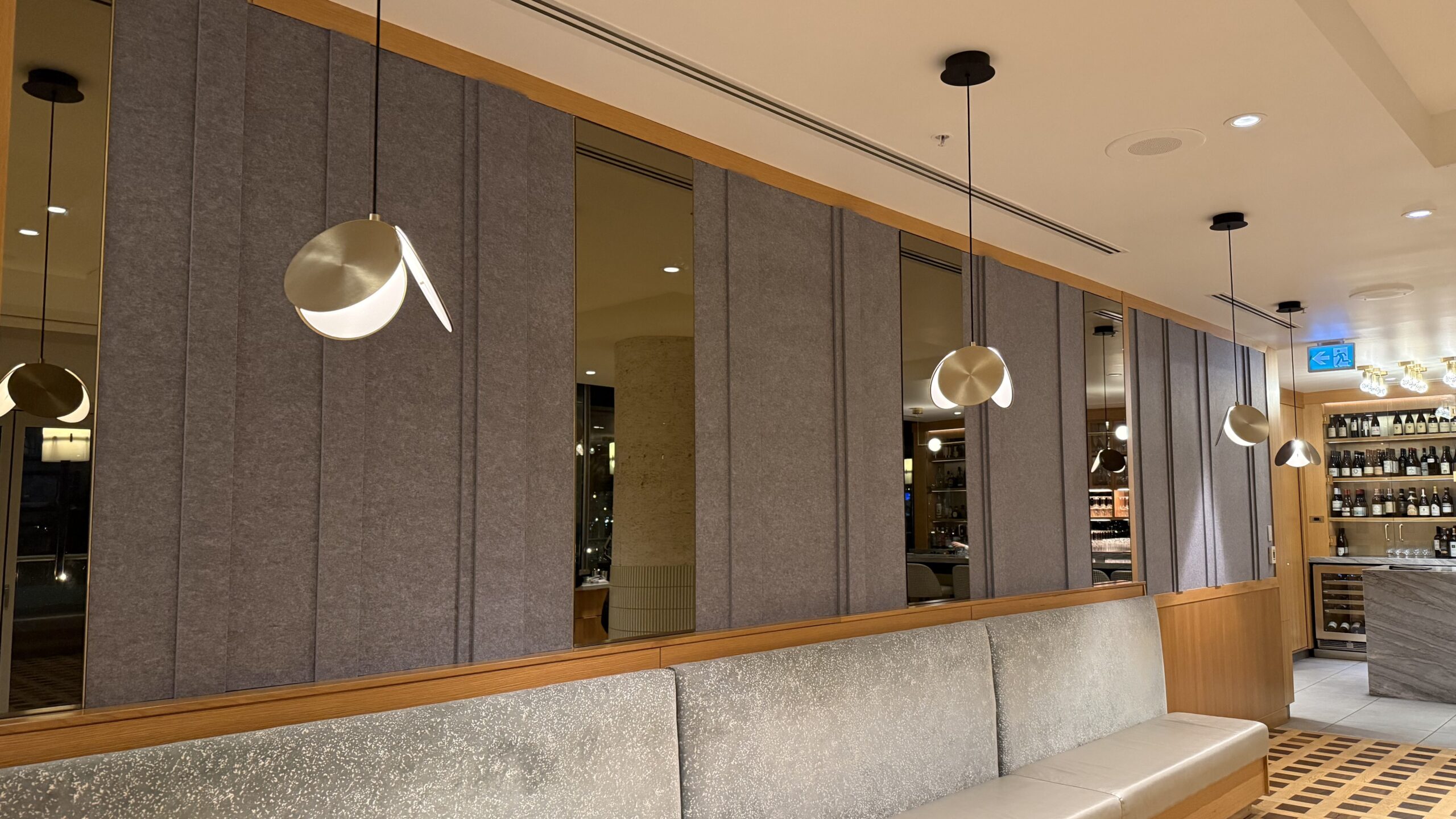
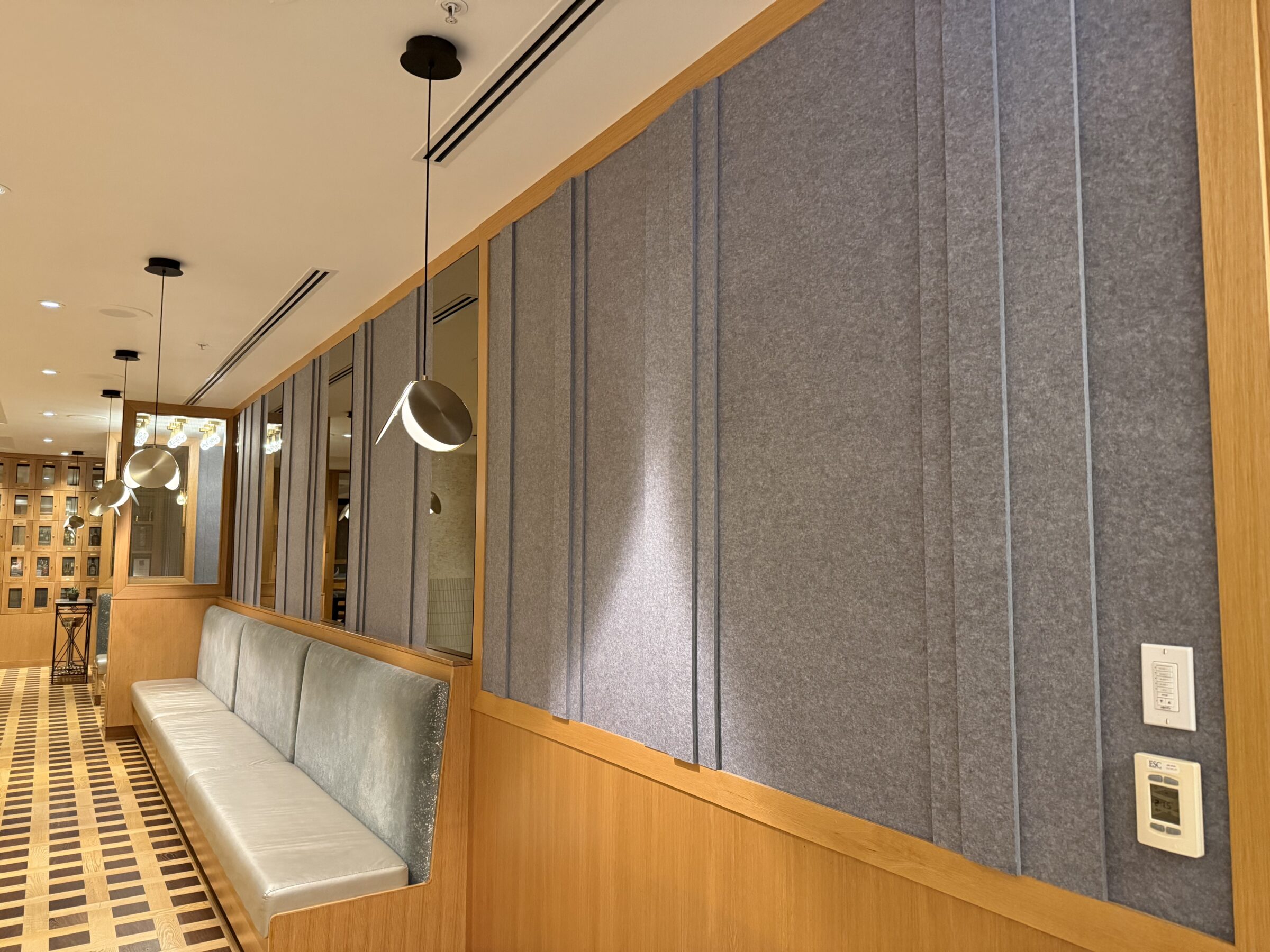
The dining room posed the most significant difficulty: the need to replicate existing grey felt wall features that were positioned at eye level. Any misstep in installation would be glaringly obvious. To address this, the team removed the old, ineffective material and installed an initial layer of PET panels as a foundational acoustic substrate. On top of this, strips of PET were meticulously cut and layered, creating a seamless, sculpted finish that appeared as if it were part of the original architectural plan.
Addressing the Ceiling and "Coffered" Look
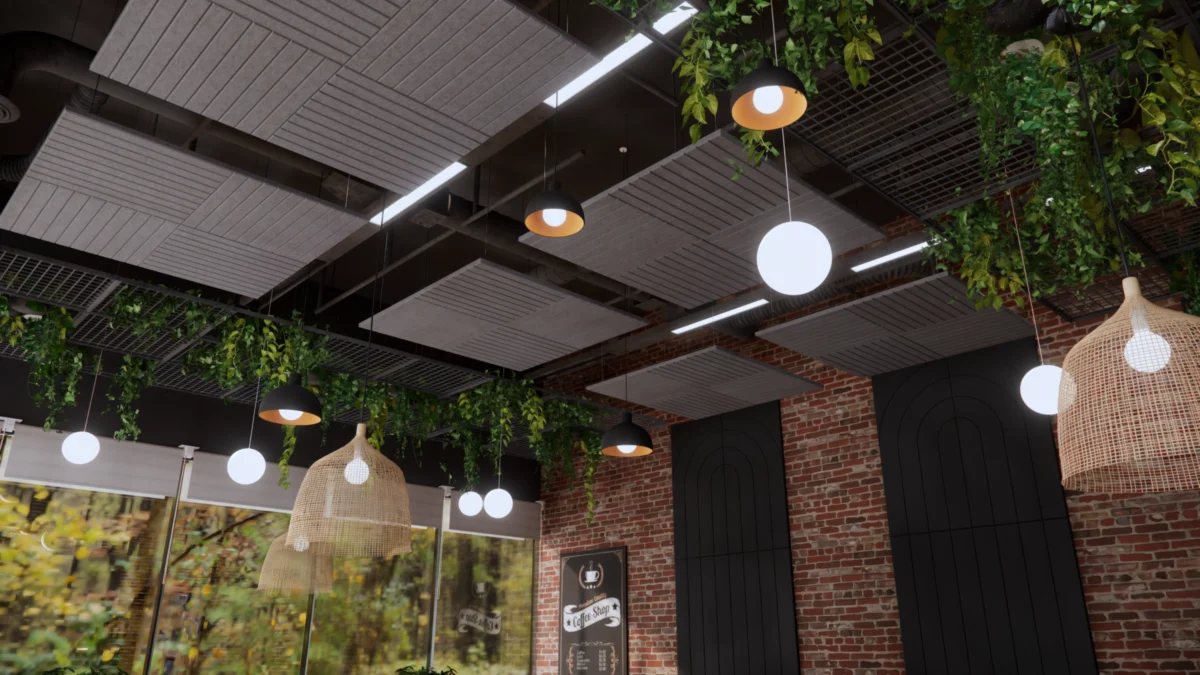
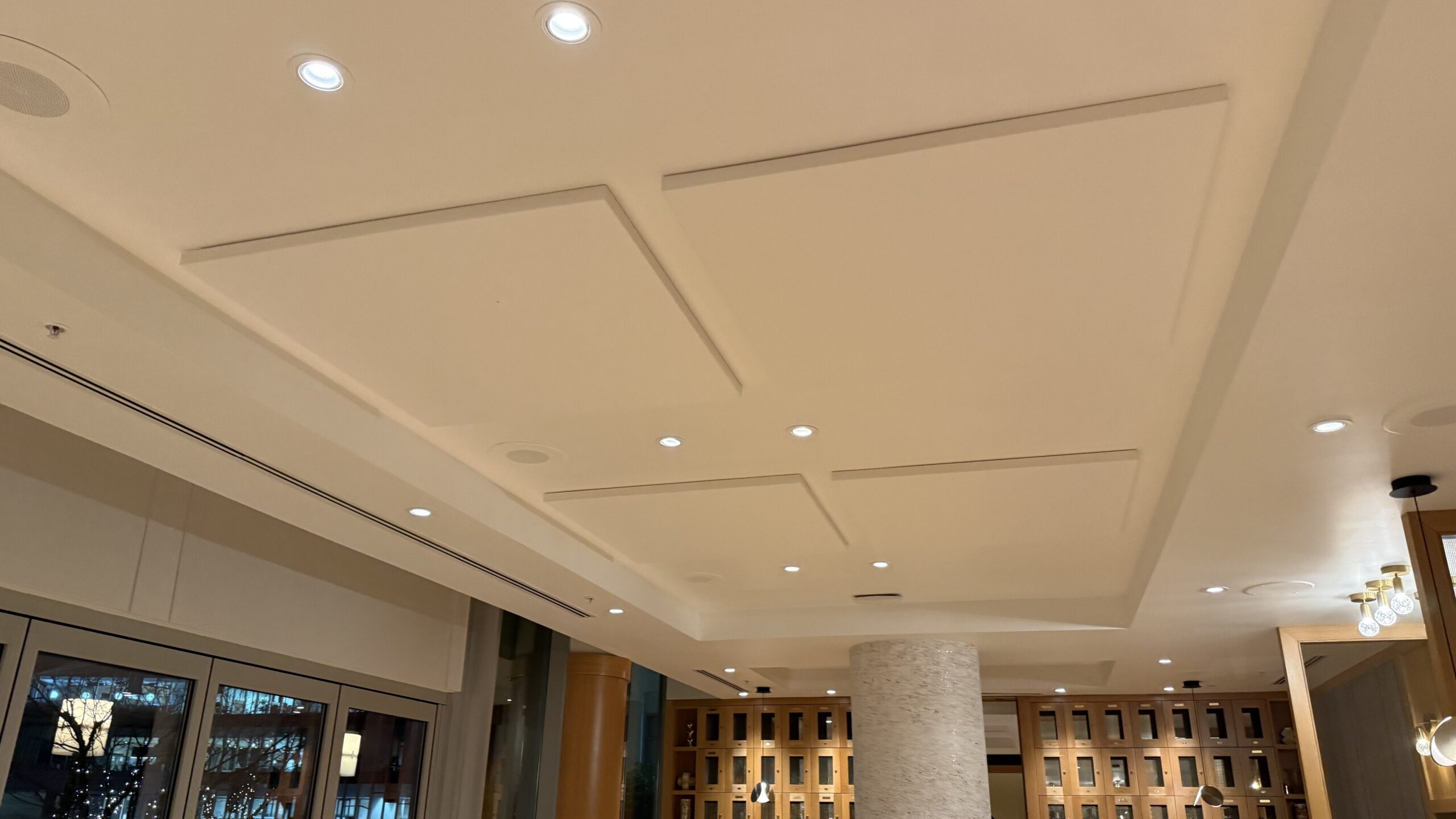
In both the dining area and the private lounge, the team dealt with limited "real estate" for treatment. The dining area ceiling received flush-mounted Broadway "Arctic White" panels, which effectively neutralized floor-to-ceiling reflections while blending into the existing color palette.
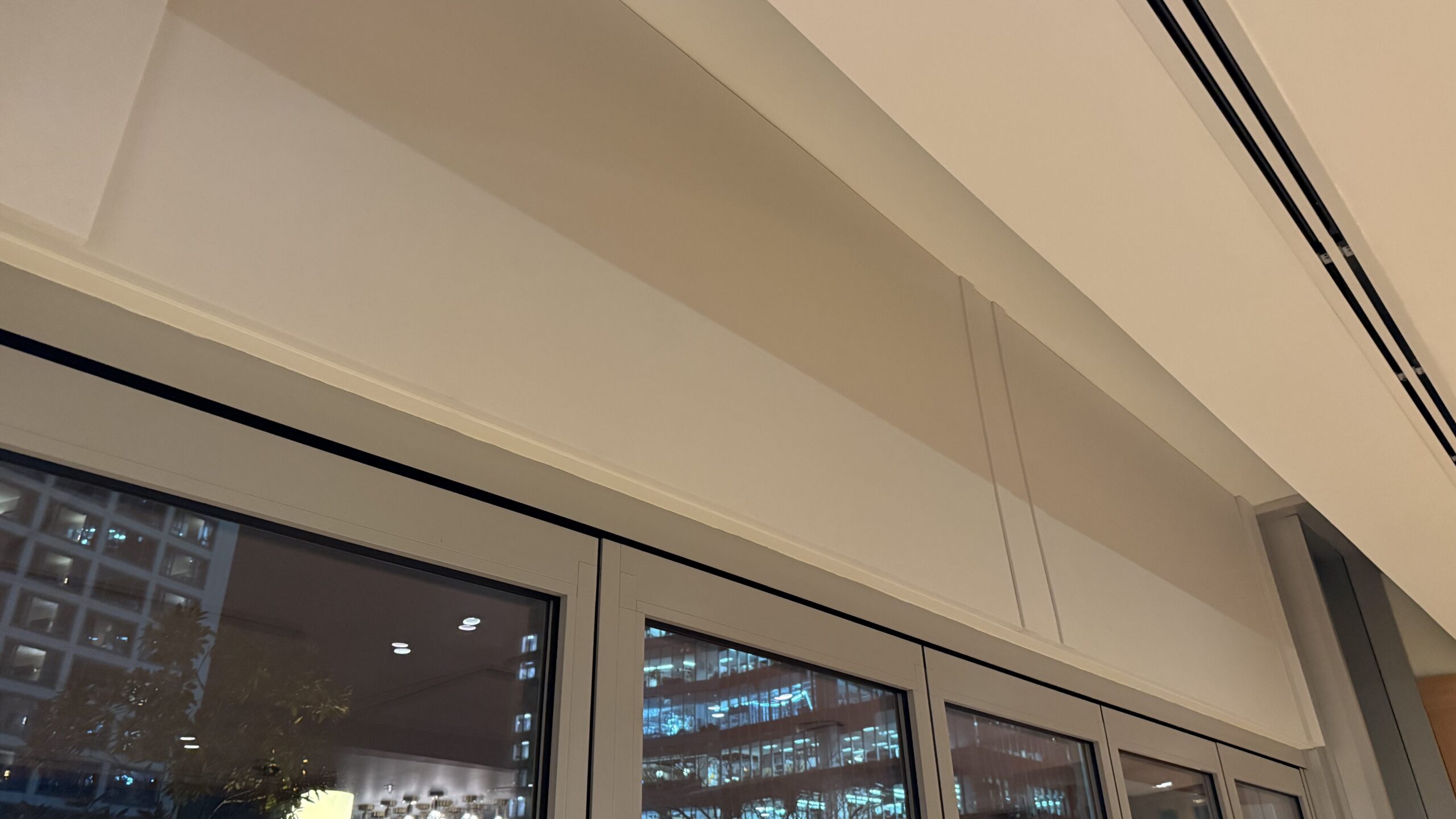
In the private lounge, the presence of glass doors, decorative laminate, and a large television left almost no wall space available. The team again turned to the "base-and-strip" method, using Glacier White EcoScapes panels to build up a base layer, followed by custom-cut strips that mimicked a sophisticated, recessed "coffered" ceiling design. By the time the installation was complete, the acoustic treatment was effectively hidden in plain sight.
Official Perspectives: The Philosophy of "Challenge, Not Problem"
The success of the TCC project is widely attributed to the long-standing, symbiotic relationship between the installer and the manufacturer. For Paramount Automation, a firm known for tackling high-complexity projects, the collaboration with Primacoustic is built on a shared ethos of precision.
"At Paramount Automation, we’re outside-the-box thinkers," says Marty Nightingale. "It’s a perfect fit, because with both Paramount and Primacoustic, it’s like, ‘this is a challenge, not a problem—let’s figure it out.’"
Drew Campbell, founder and owner of Paramount Automation, echoes this sentiment, emphasizing the iterative nature of their partnership. "We work well together because we’re like-minded, because we complement each other. Primacoustic is always open to feedback," he notes, suggesting that this culture of continuous improvement is what allows them to push the boundaries of what is possible in commercial interior sound design.
Implications for the Future of Commercial Design
The transformation at the Terminal City Club serves as a benchmark for commercial facility managers. It proves that sound management is not a luxury or a secondary consideration, but a core component of the user experience.
Quantitative and Qualitative Results
The impact was immediate. According to Fletcher, the "unbearable echo" that once plagued the dining room was effectively neutralized. The space now benefits from what he describes as a "soft murmur of voices," a classic hallmark of a well-damped environment.
Crucially, the installation has had a tangible impact on the business:
- Speech Intelligibility: Members can now conduct sensitive business meetings without the need to raise their voices.
- Ambiance Control: Fletcher has been able to increase the music volume to enhance the club’s welcoming atmosphere, something that was previously impossible due to the risk of creating a "wall of sound."
- Aesthetic Integrity: The fact that members have asked where the panels are—despite them being clearly visible to the trained eye—serves as the ultimate testament to the project’s design success.
"I have had people ask what we did and where the panels are," Fletcher reports. "So they’ve noticed a difference in sound, but haven’t seen a difference in the room’s character."
Conclusion: A New Standard for Private Clubs
The Terminal City Club project reinforces the reality that in the modern era of hospitality, silence—or rather, the control of sound—is the ultimate luxury. By integrating advanced acoustic technology with a deep respect for historical and contemporary design, Primacoustic and Paramount Automation have provided a template for others to follow.
As the industry continues to evolve, the expectation for high-quality, quiet, and comfortable spaces will only increase. Whether through the use of PET sound control systems or specialized glass wool treatments, the message is clear: when acoustics are handled with the same level of care as interior architecture, the result is a space that sounds as good as it looks.
For facility managers, architects, and business owners looking to elevate their environment, the collaboration at the Terminal City Club demonstrates that sound control is no longer an obstacle to design, but a gateway to a better, more functional, and more profitable space. Visit Primacoustic.com to explore current product lines and book a professional consultation.