The podcasting landscape is currently undergoing its most significant transformation since the medium’s inception. As Apple Podcasts doubles down on visual integration and cross-platform consistency, content creators and listeners alike are finding themselves in a new era of "enhanced" audio. This shift, evidenced by Apple’s latest interface updates, represents a broader industry trend toward multimedia storytelling, where the boundary between video and audio becomes increasingly porous.
Main Facts: The New Visual Frontier
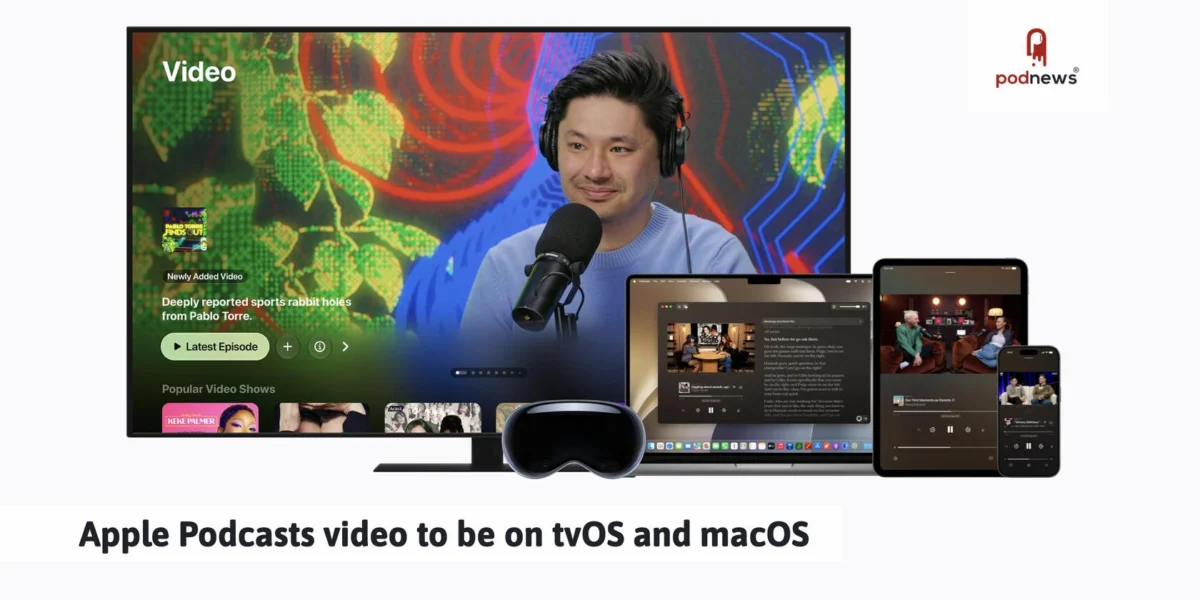
Apple has recently signaled a major shift in how its flagship platform, Apple Podcasts, handles content delivery. The company is actively promoting video across its various digital surfaces, suggesting that for Apple, the future of the medium is not purely acoustic.
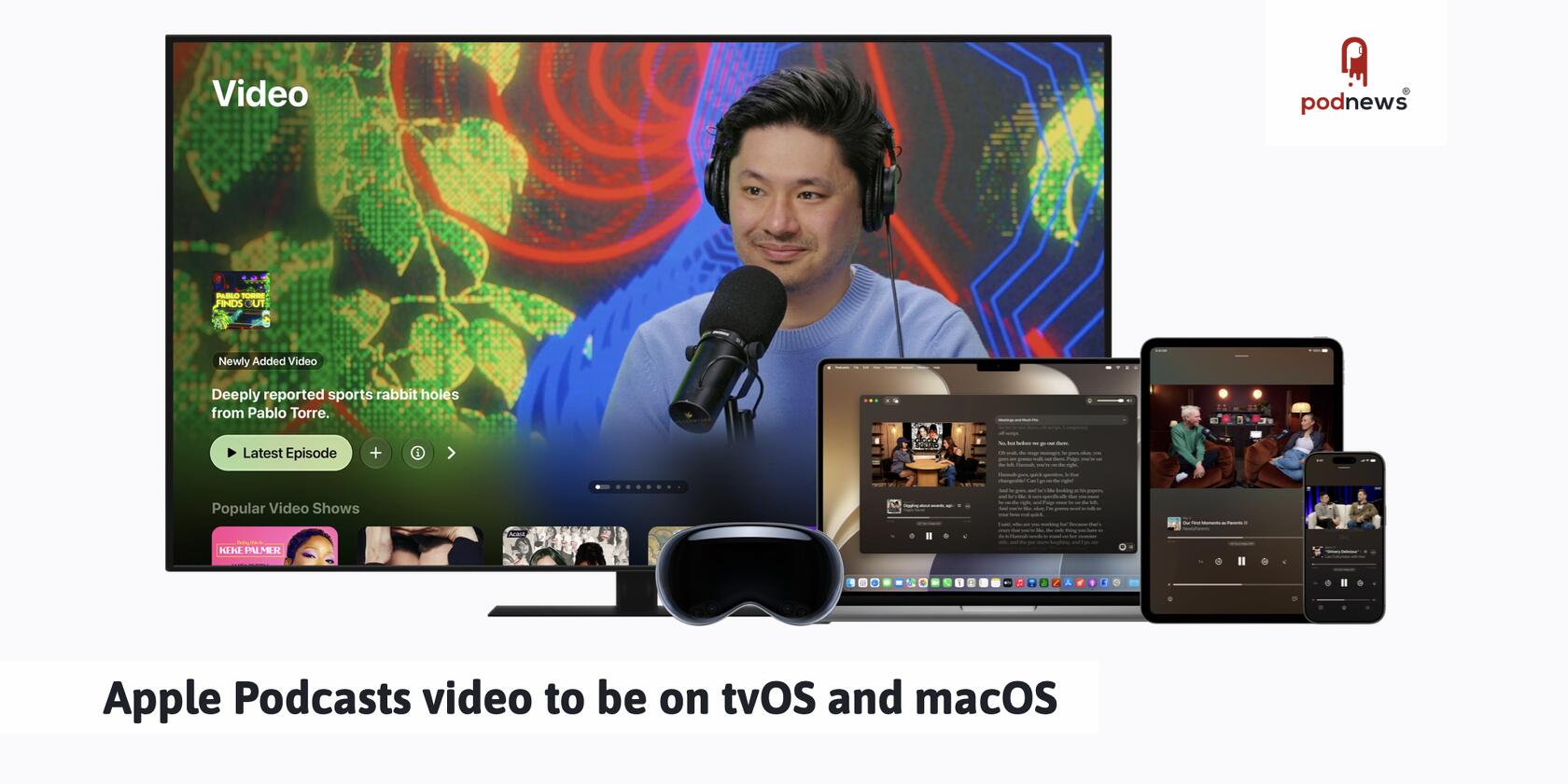
This move is not merely aesthetic; it is a strategic maneuver to retain audience attention in an increasingly fragmented digital media environment. By enabling video across surfaces, Apple is essentially challenging the "audio-first" philosophy that has defined podcasting for two decades. The update aims to make the consumption of podcast content more intuitive, allowing users to transition seamlessly from listening to watching without leaving the ecosystem. This development positions Apple to better compete with platforms like YouTube, which has rapidly become a primary destination for podcast discovery and consumption.
Chronology of Industry Shifts
To understand why Apple’s recent pivot is so critical, one must look at the timeline of the industry’s growth:

- The Early Years (2004–2010): Podcasting was defined by RSS feeds, MP3 downloads, and a "niche" audience. Discovery was manual, and video was largely nonexistent.
- The "Serial" Boom (2014–2016): The medium moved into the mainstream. Discovery algorithms became a focus for platforms, but the experience remained strictly audio-centric.
- The Spotify Incursion (2019–2021): Spotify’s aggressive acquisition strategy, including the purchase of Gimlet Media and Anchor, turned podcasts into a competitive commodity. Spotify began pushing video podcasts as a key differentiator.
- The Multimedia Pivot (2022–Present): With YouTube launching a dedicated podcasting hub and Apple integrating video across its OS, the "podcasting" definition has officially expanded. Today, the platform experience is defined by the integration of video, live-streamed components, and rich metadata.
Supporting Data: What the Charts Reveal
The current state of the industry is best reflected in the shifting demographics and rankings of top-tier shows. Data from the United States and Ireland reveals a fascinating interplay between established giants and high-growth newcomers.
Current Market Leaders
In the United States, established powerhouses remain dominant. The Daily continues to hold the #1 spot on Apple Podcasts, proving that high-quality, investigative journalism remains the bedrock of listener retention. Simultaneously, The Joe Rogan Experience continues to command the top spot on Spotify. This dichotomy highlights a critical industry trend: listeners often flock to Apple for curated, journalistic content, while Spotify retains a stronghold on personality-driven, long-form conversational content, often bolstered by their early adoption of video.

Emerging Trends in Discovery
Newer entrants, such as The Sustainability Options Podcast (which recently debuted as the #1 Non-Profit podcast in Ireland), demonstrate that there is still significant room for growth in specialized, mission-driven content. Similarly, Battle Of The Atom: An X-Men Podcast saw the largest gains in the Visual Arts category in Ireland, proving that hyper-niche fandoms are driving discovery in ways that broader, general-interest shows struggle to match.
Official Responses and Strategic Perspectives
Industry analysts view these changes with a mixture of excitement and caution. The "video-fication" of podcasts poses a significant technical challenge for independent creators.

"The cost of production for a video-ready podcast is exponentially higher than that of an audio-only show," notes one industry consultant. "Creators now have to worry about studio lighting, camera angles, and video editing, not just audio fidelity. While Apple’s support for video is a boon for audience engagement, it raises the barrier to entry for the average hobbyist."
Apple’s official stance, however, emphasizes the user experience. By streamlining the way video is presented across its hardware—from iPhones to Macs—Apple argues it is simply providing the best possible home for creators who want to tell stories in the most immersive way possible. For Apple, the podcast is no longer a file; it is an experience that should adapt to the screen the user happens to be holding.

Implications for the Future of Podcasting
The Technical Divide
The shift toward video will likely exacerbate the gap between well-funded production houses and independent creators. As high-quality video becomes the industry standard, podcasts that fail to offer a visual component may find themselves at a disadvantage in discovery algorithms, which are increasingly prioritizing rich, multimedia-enhanced entries.
The Role of Niche Content
Despite the push for big-budget, video-heavy productions, there remains a resilient market for audio-only storytelling. Shows like Not a Climate Scientist, which recently featured a deep dive into the intersection of ebola and climate change, demonstrate that audiences are still hungry for complex, long-form discussions that don’t necessarily require a visual aid. The key for future growth lies in the ability to balance the "spectacle" of video with the "intimacy" of audio.

The "Discoverability" Crisis
Discovery remains the industry’s "white whale." While charts show us what is popular, they do little to help listeners find the "hidden gems." The inclusion of video snippets, trailer previews, and better metadata tagging—as seen in the latest updates from platforms—is a necessary step toward helping users find content that matches their specific interests.
Conclusion: The Road Ahead
As we look toward 2026, the podcasting industry is clearly moving toward a "platform-agnostic" future where the distinction between a podcast, a YouTube series, and a radio broadcast will vanish entirely. For the creator, the challenge is clear: adapt to the multimedia landscape or risk obscurity. For the listener, the outlook is overwhelmingly positive, with more high-quality, interactive, and visually engaging content arriving at their fingertips than ever before.

The industry is no longer just about "podcasts." It is about the democratization of high-end, multi-format media, and we are only just beginning to see the impact of this transition on how we learn, how we entertain ourselves, and how we interact with the world around us. Whether through the lens of a documentary-style show like Travel Tales by AFAR or the specialized historical exploration of An American Game, the medium is proving that it is not just surviving—it is evolving into the dominant narrative format of the digital age.