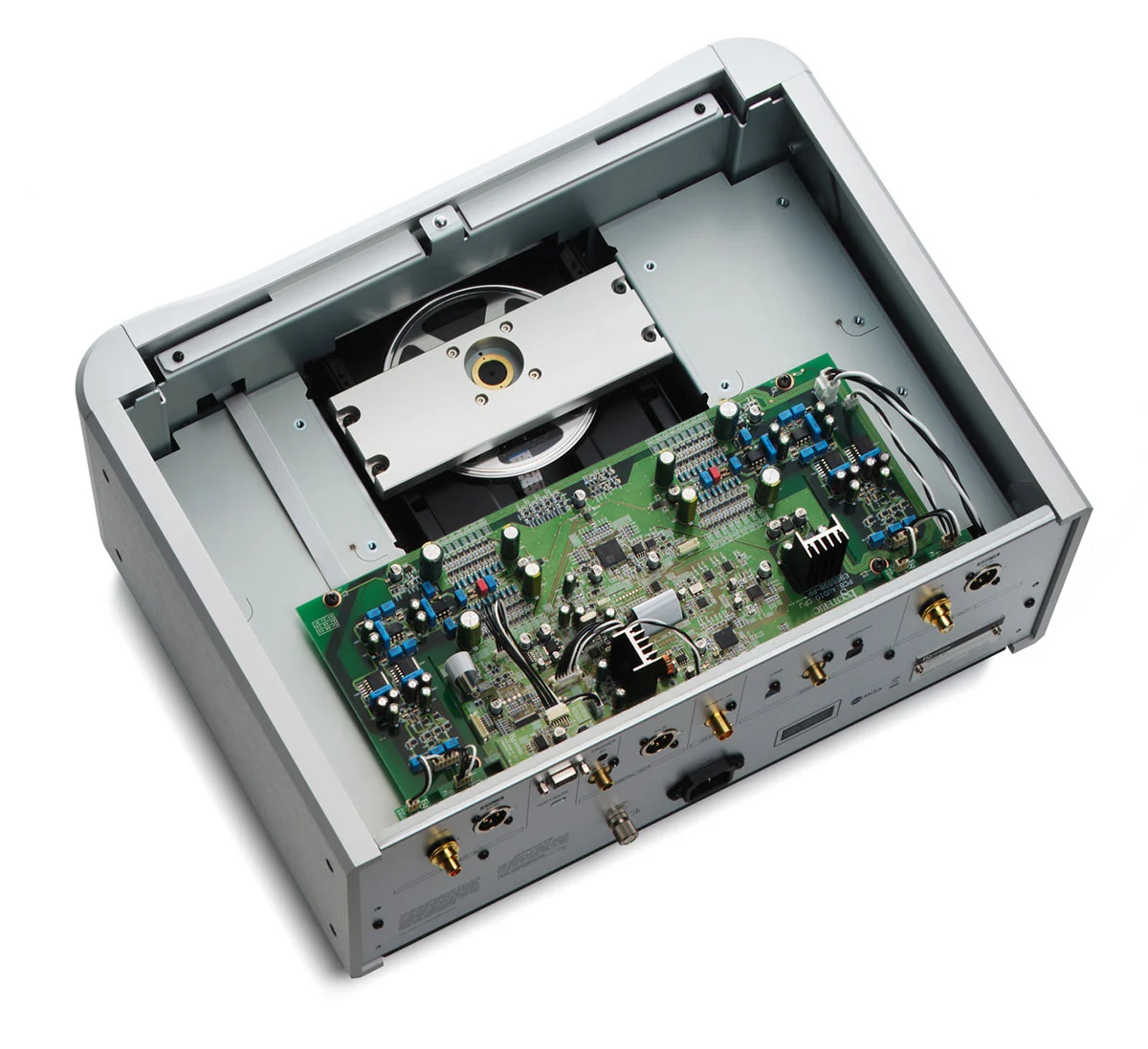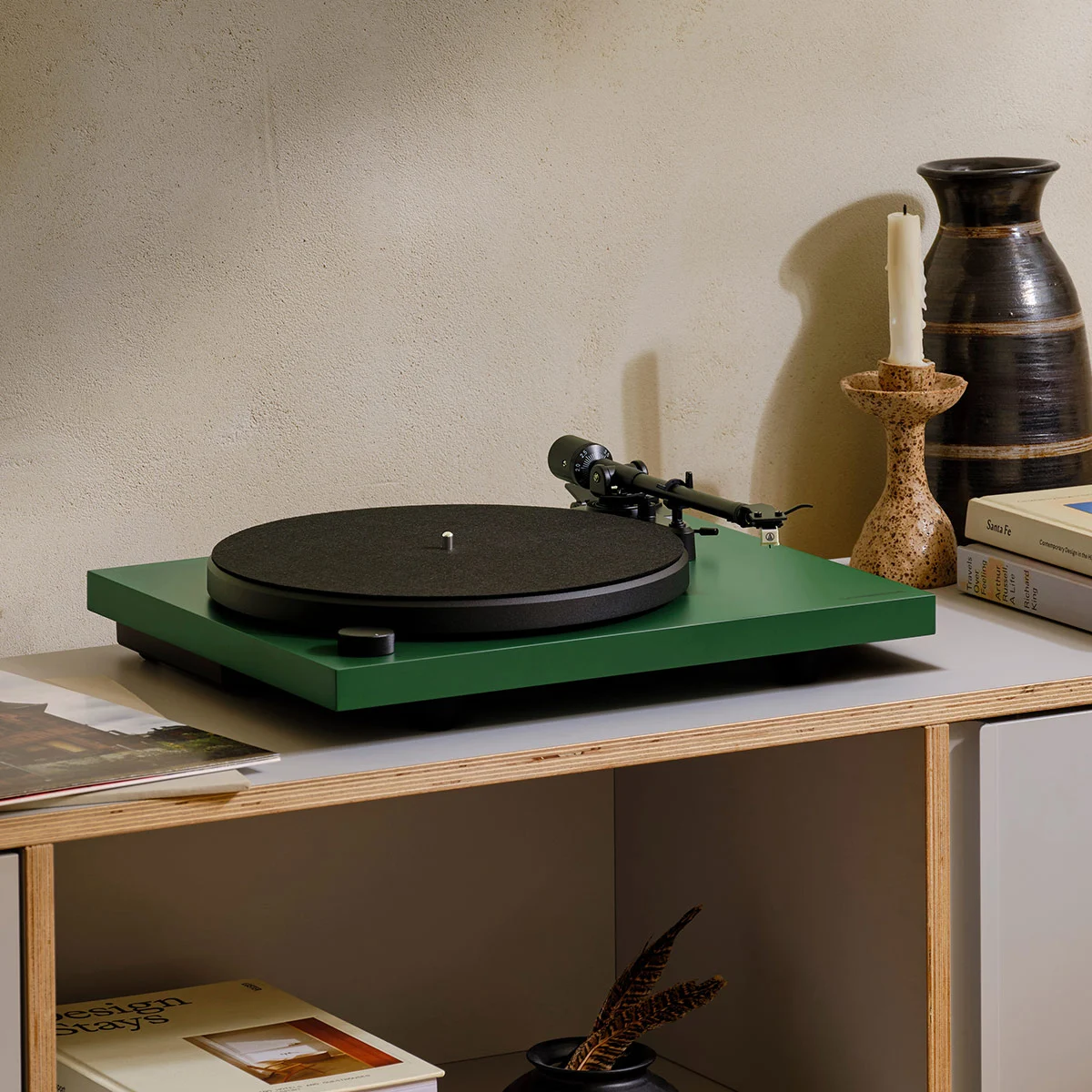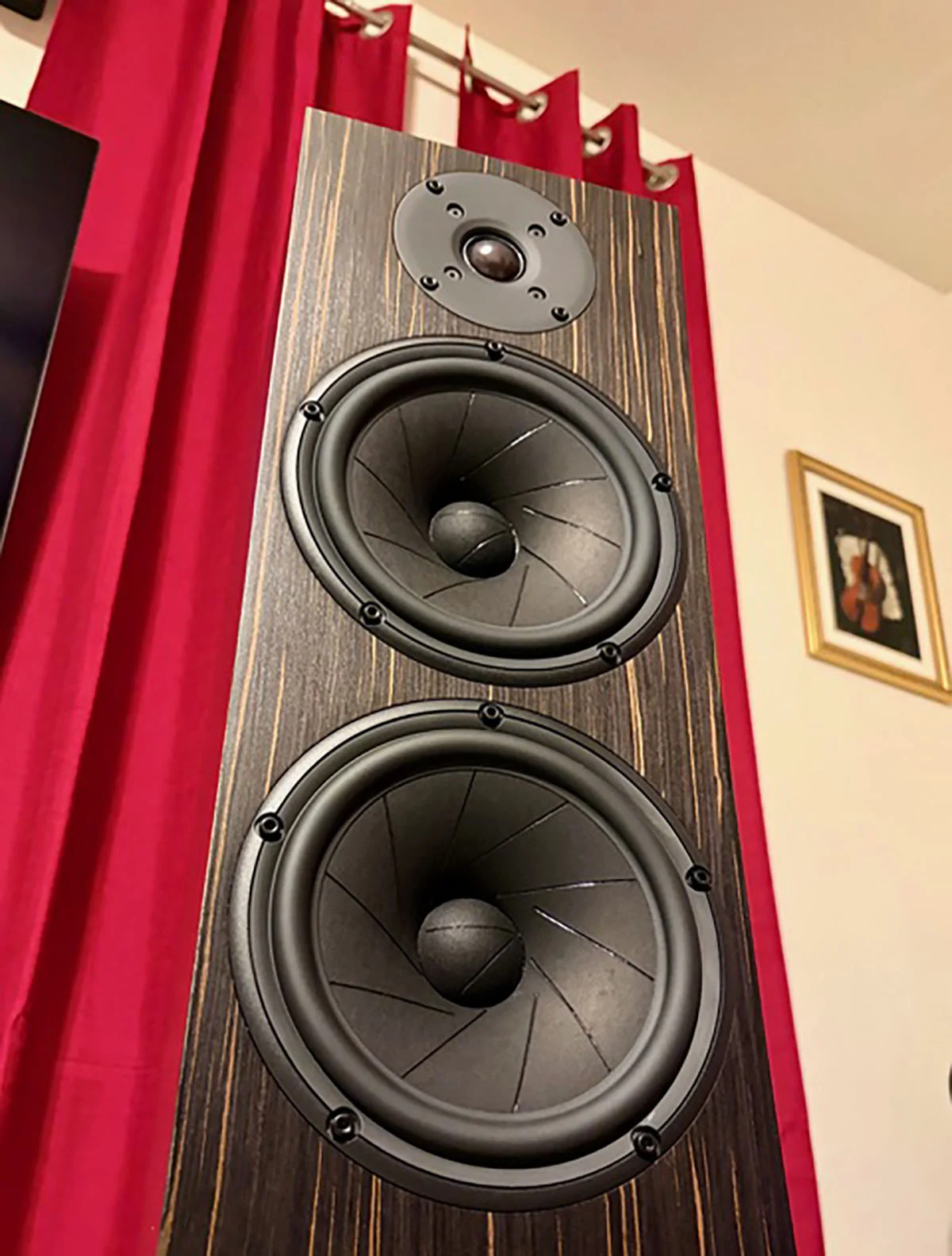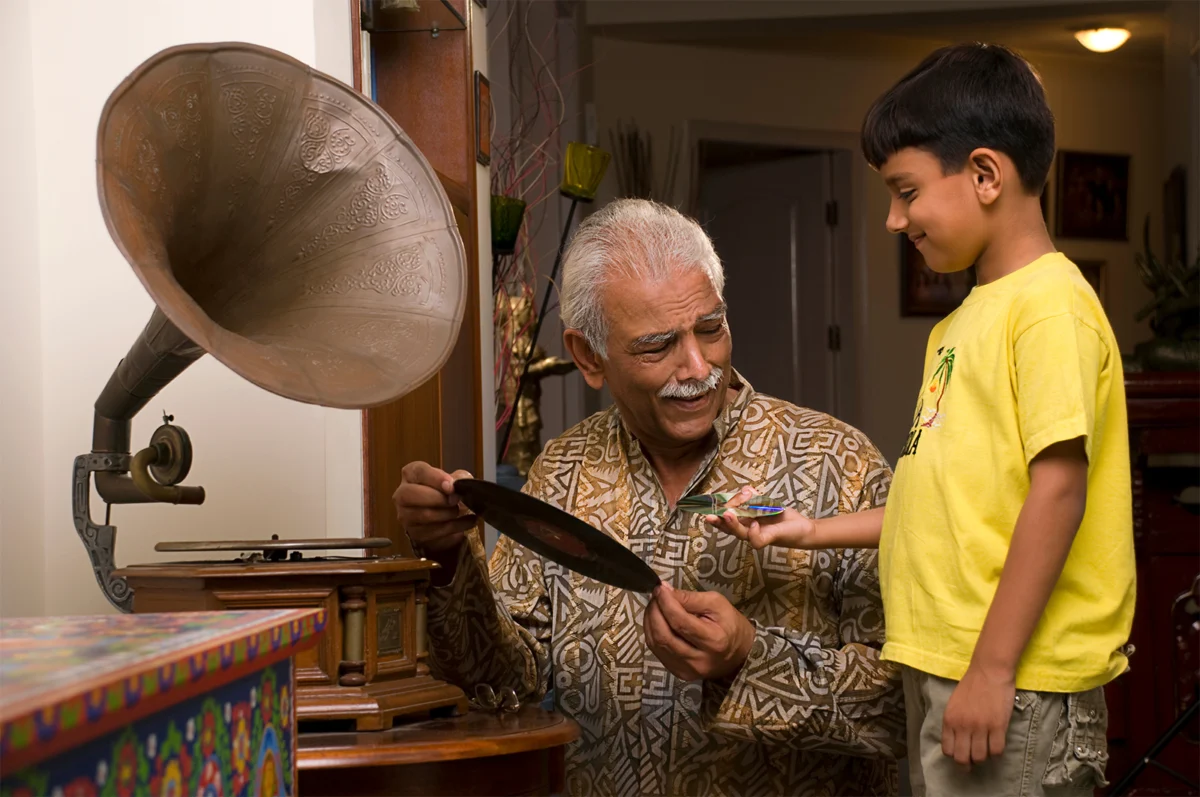
For over a decade, the editorial chair of a major audio-visual review publication has served as a unique vantage point. It is a position that demands not just a keen ear, but an analytical mind capable of parsing the shifting tides of consumer behavior, economic pressure, and technological disruption. While often urged to pen grand editorials, I have historically demurred, preferring the role of the perpetual student over the self-appointed expert. However, the current landscape of High-Fidelity (HiFi) and home theater is shifting with such velocity that silence is no longer an option. From the "death of the hobby" narrative to the radical evolution of luxury speaker design, the industry is in a state of profound transformation.
The "Dying Hobby" Myth vs. Economic Reality
For as long as I have been reviewing audio equipment, the industry has been haunted by a singular, persistent refrain: Audiophilia is dying. The narrative is well-trodden—the core demographic is aging, and the younger generation is allegedly devoid of the passion required to invest in traditional, multi-component home audio systems.

However, the reality is far more nuanced. If the hobby were truly on its deathbed, we would not see a saturated market of loudspeaker manufacturers. In fact, an industry colleague once remarked that if the number of speaker brands were cut in half, the market would still be over-served. The issue is not a lack of interest; it is a fundamental shift in the economics of space and discretionary income.
The Spatial and Financial Squeeze
Modern HiFi systems require one non-negotiable luxury: space. In an era where urban real estate prices have skyrocketed and the cost of living—from transportation to sustenance—has surged, the "average" consumer is being pushed out of the traditional audiophile demographic. When a young professional can barely afford a studio apartment, dedicating a room to a dedicated listening setup becomes a logistical impossibility.

This creates a "hollowed-out" middle market. Mid-fi manufacturers, feeling the squeeze, are increasingly abandoning the entry-to-mid-level enthusiast in favor of moving upmarket, chasing the clientele whose wealth remains insulated from broader economic fluctuations. Conversely, the "best bang-for-the-buck" segment is thriving, as engineering advancements have made it easier than ever to produce high-performing, affordable gear. But the middle—the traditional bridge to high-end audio—is fading.
The Rise of Personal Audio and Convergence
If traditional HiFi is struggling to find a home, Personal Audio is thriving. A quick visit to any CanJam event reveals a starkly different reality: a younger, ethnically diverse crowd with eclectic musical tastes. Headphones and portable DACs have effectively "supplanted" traditional HiFi for many, offering superior performance with a minimal physical footprint.

To bridge this gap, manufacturers are pivoting toward "All-in-One" (AIO) convergence products. Devices like the Focal Mu-So Hekla, the Primare Allt-i-Ett, and the DALI Vega are not merely lifestyle products; they are sophisticated, single-box solutions that integrate streaming, amplification, and room-correction technology. By packaging high-fidelity sound into a manageable form factor for $3,500 to $4,500, companies are attempting to meet the modern consumer where they live—quite literally.
The Battle of the Big Boys: Innovation vs. Aesthetics
At the absolute zenith of the market, the definition of "luxury" is being redefined. The recent launch of the JL Audio Primacy loudspeaker line serves as a fascinating case study in technological ambition. Developed over a decade, the Primacy utilizes active, ground-up speaker design paired with a sophisticated, proprietary room-correction system capable of adjusting crossover points on a driver-by-driver basis.

Performance vs. Cachet
The Primacy represents a technological tour de force, yet it faces a unique challenge: visual identity. While the speakers are sonically peerless by all accounts, they lack the immediate, opulent "statement" aesthetic typically expected at a $100,000 price point. Compare this to the Wilson Audio Autobiography—a $788,000-per-pair masterpiece of industrial art. While the Primacy may compete with the Autobiography on a technical level, the latter commands a level of status and visual prestige that defines the "Luxury Audio" category.
This begs the question: Does the high-end consumer value the "hidden" innovation of a system like the Primacy, or the "conspicuous" luxury of a traditional high-end cabinet? JL Audio’s partnership with parent company Garmin—a giant in nautical and aviation tech—suggests a pivot toward a more pragmatic, performance-first luxury buyer. However, for many, the price of entry at this level requires an aesthetic promise that matches the sonic one.

The Changing Map: From Munich to Vienna
The industry’s pulse is best felt at its trade shows, and the international circuit is undergoing a seismic shift. The relocation of the venerable High End Munich show to Vienna, Austria, marks the end of an era. Munich was the undisputed epicenter of the audio world, a venue that dictated market trends and fostered global business.
The move to Vienna has been met with a mixture of excitement and trepidation. While Vienna’s deep musical heritage—home to Beethoven, Mozart, and Brahms—provides an atmospheric upgrade, the logistical challenges remain. Manufacturers are taking a "wait-and-see" approach, wary of increased costs and the potential for a diminished international turnout compared to the well-oiled machine that was Munich.

Future Trade Show Implications
This transition raises questions about the future of other regional shows. The Warsaw show, for instance, has grown significantly, attracting a diverse and enthusiastic consumer base. If it were to adopt a dedicated business-and-media day, it could theoretically challenge the prestige of the major Western European events. Furthermore, the rising influence of shows in Shanghai and Hong Kong highlights the growing importance of the Asian market in the global HiFi hierarchy. As the traditional "CES presence" for high-end audio continues to wither, these specialized international events become the only remaining hearths for the industry to congregate.
Implications for the Future
The HiFi industry is currently caught in a "strange change," to borrow a phrase from David Bowie. The "death" of the hobby is a myth, but the nature of the hobby is undergoing a radical metamorphosis. We are seeing a bifurcation of the market: a thriving, tech-heavy luxury segment and a compact, high-performance personal audio/AIO segment.

The middle ground remains the most vulnerable. For the industry to survive and flourish, manufacturers must stop viewing their customers through the lens of 1990s demographics. They must embrace the reality that space is a premium, that convenience is no longer a dirty word, and that the "gatekeepers" of the hobby—the influencers and the YouTube pontificators—are merely symptoms of a larger, more decentralized consumer landscape.
As I prepare to head to Vienna, shoulder injury notwithstanding, my curiosity remains undimmed. Whether the new venue will capture the magic of the old, or whether the industry will successfully trickle down its high-end innovations into products that the average music lover can actually house and afford, remains to be seen. But one thing is certain: the audio world is not ending—it is simply evolving into something, perhaps, more complex and more interesting than ever before.