In the high-stakes world of corporate events, the role of the Audio Technician (A1) is often portrayed as a seamless exercise in technical precision. However, behind the polished presentations and pristine soundscapes lies a reality defined by ambiguity, last-minute pivots, and an infrastructure that is frequently as unpredictable as the clients themselves. For the professional corporate A1, success is rarely about following a perfect plan; it is about mastering the art of the "blind" setup and troubleshooting systemic failures in real-time.
The Reality of the "Blind" Gig
For the modern corporate AV specialist, information is the most precious—and rarest—commodity. A typical assignment often begins with a notification of a shift in plans rather than a briefing on technical requirements. On January 28, as a seasoned technician was wrapping up a previous engagement, a last-minute text message arrived: a scheduled event for the 29th had been pushed to the 30th.
Despite the reschedule, the crucial details remained elusive. There was no I/O list, no clarity on room capacity, no insight into the client’s identity, and, most tellingly, no confirmation of the hardware suite. This "going in blind" phenomenon is not an anomaly; it is an industry standard. In-house AV departments often operate on a "shelf-pull" basis, where equipment selection is determined by what is currently available in the warehouse rather than what is optimal for the room’s acoustics or the client’s needs. This volatility necessitates that technicians carry extensive, heavy personal kits, as the ability to adapt to unknown variables is the only defense against potential failure.
Chronology of an Unpredictable Workflow
The events of January 30 and February 1 provide a case study in the logistical friction that plagues the industry.
The January 30th Executive Board Meeting
The technician arrived at the hotel office at 6:00 AM on the 30th, only to find that the internal staff was as uncertain as the freelancer. With no room assignment provided, the tech and the Manager on Duty (MOD) had to consult a physical job board to identify the location.
Upon entering the room, they discovered a setup for a small executive board meeting: ten push-to-talk (PTT) microphones and a Soundcraft SI Expression digital mixer. The signal chain was rudimentary, utilizing a single XLR feed to overhead ceiling speakers. While the technician utilized the extra time to record the event—a standard "fail-safe" procedure for corporate audio—the morning was defined by extreme inefficiency. Despite an early 6:30 AM call, the actual meeting did not commence until 1:00 PM.
The day’s chaos peaked at 11:30 AM during a cafeteria lunch, when a sudden directive mandated a full room reset. The capacity was doubled from 10 to 20 attendees, requiring the physical opening of an airwall and a complete repositioning of equipment. This frantic, last-minute scramble underscored a lack of communication that could have been entirely mitigated by professional, accurate planning.
The February 1st General Session
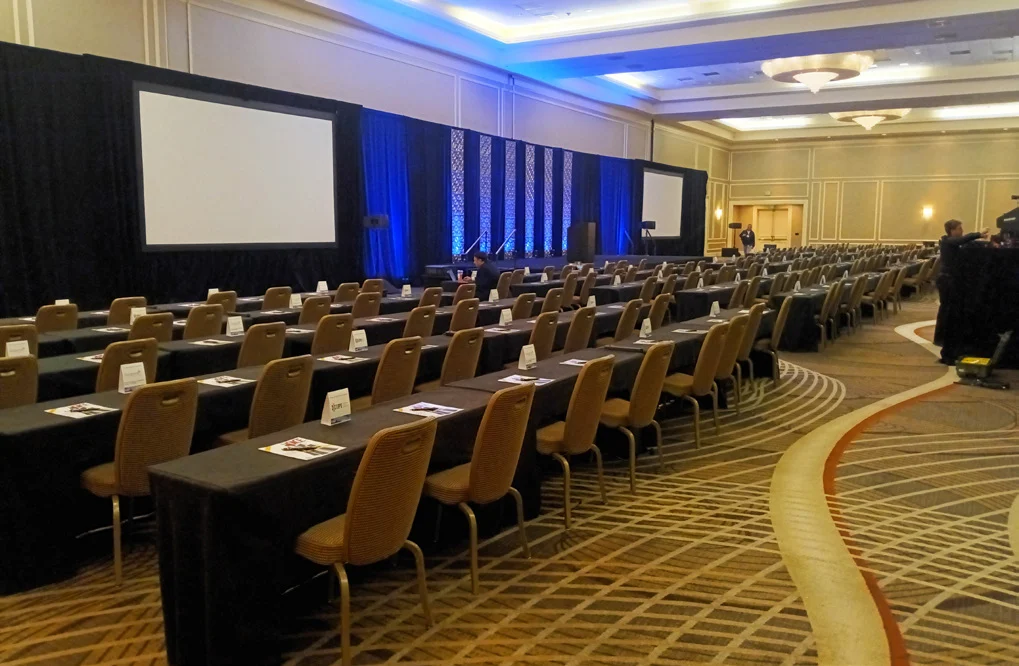
Two days later, the technical hurdles shifted from logistical to mechanical. The assignment involved a 200-person general session requiring a more complex infrastructure, including Allen & Heath Qu-24 consoles, digital stage boxes, and eight channels of wireless microphones.

The setup was plagued by aging hardware. The console, a weathered Soundcraft SI Expression, was missing fader knobs and, more critically, suffered from a non-functional internal pink noise generator. This failure triggered a systematic troubleshooting process. The technician, with over 30 years of experience, performed a textbook diagnostic: routing checks, power verification, and stagebox swaps. It was only when an external audio source (a mobile phone) was connected that the system confirmed it was operational, proving the console’s built-in oscillator was the culprit.
Supporting Data and Technical Challenges
The challenges faced by technicians in these environments are compounded by physical and budgetary constraints:
- Cable Management: In the February 1st setup, a 300-foot Cat-5 cable was pushed to its absolute limit to connect the stage box. The absence of a dedicated on-site "road case" for common cabling forced the technician to make repeated trips to a remote storage area, wasting valuable hours.
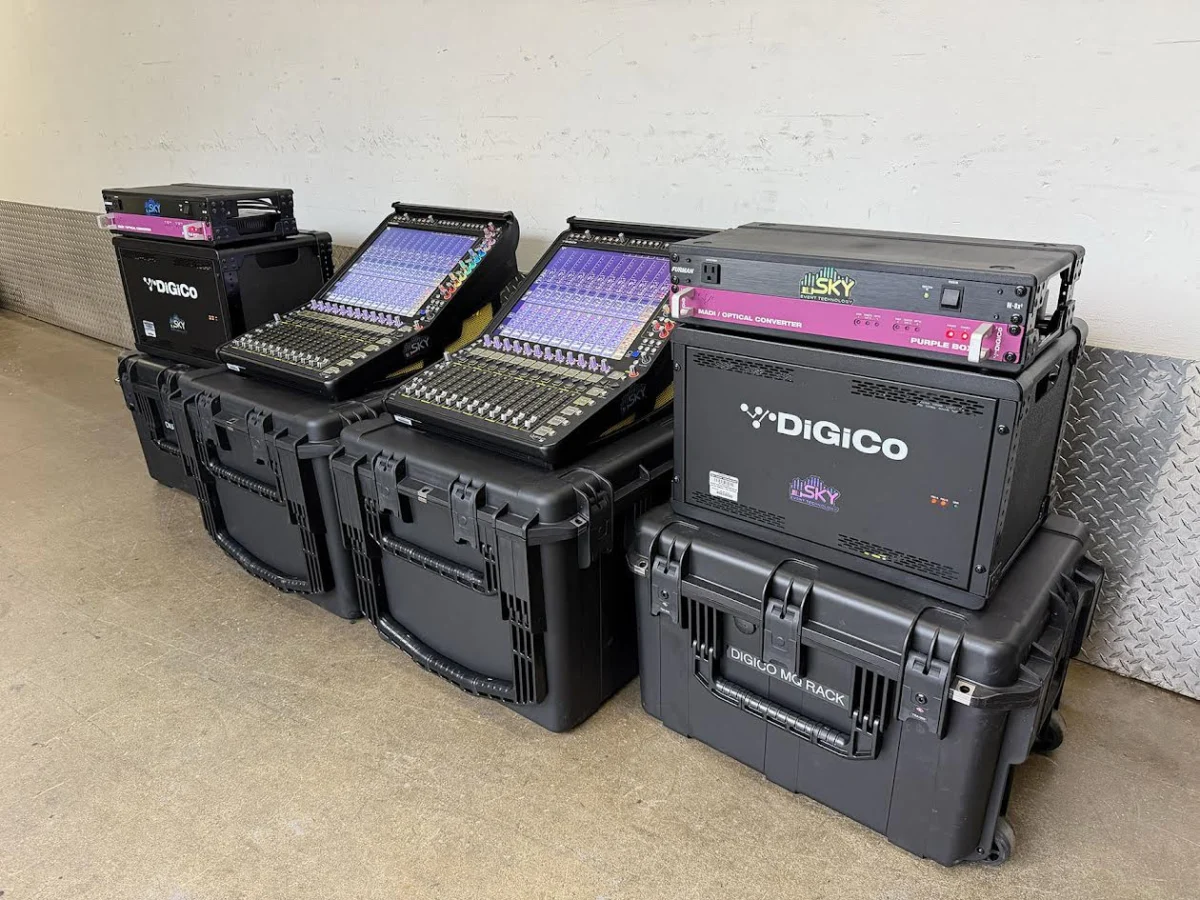
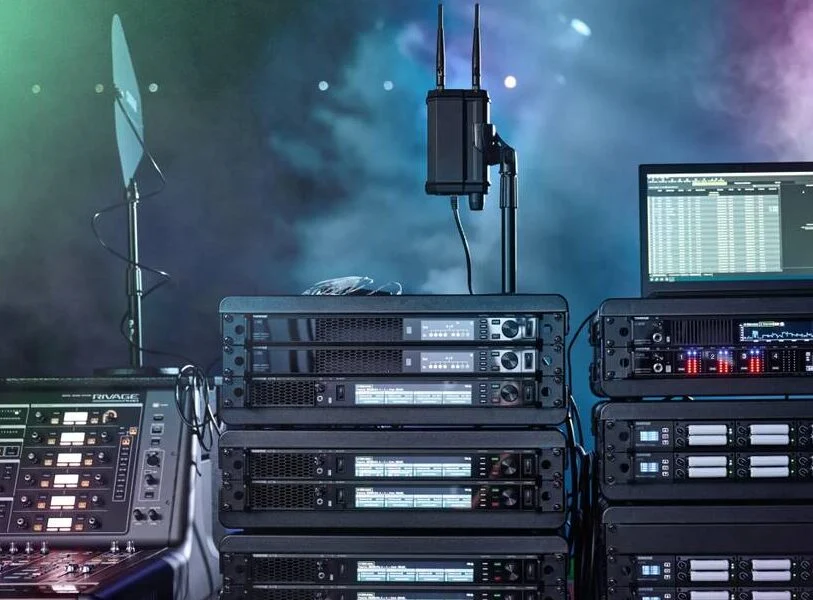
- Space Limitations: With eight channels of wireless audio, the lack of surface area on the tech table forced an improvised, unstable stacking of receivers on top of the console’s road case.
- The "Budgetary Ceiling": Client budgets often dictate strict time limits, even when the scope of work is expanding. In this case, the 1:00 PM cutoff time forced the technician to rely on the MOD to finish the remaining tasks—including antenna distribution, front-fill placement, and system ringing—to ensure the show was ready for the 1:00 PM start.
Official Responses and Industry Standards
While the individual technician bears the brunt of these issues, the industry at large faces a systemic problem regarding the flow of information. The MODs and on-site liaisons, while often technically proficient themselves, are frequently at the mercy of client-side changes and internal miscommunications.
When asked about the lack of advance information, the industry standard response often defaults to the unpredictability of the "corporate client." However, professionals in the field argue that this is a cultural issue. The reliance on "fixing it on the fly" is an expensive, inefficient, and stressful approach that prioritizes immediate, low-cost operations over long-term reliability and high-quality production standards.
Implications for the Future of Corporate AV
The implications of these workflows are significant for both the technician and the client.
- Technician Burnout: The reliance on "hurry-up-and-wait" schedules, combined with the stress of troubleshooting malfunctioning, aging gear, leads to rapid burnout among top-tier audio professionals.
- Increased Risk of Failure: When a technician is forced to "chase gremlins" in the final hour before a meeting, the risk of a high-profile failure increases. Relying on an experienced MOD to finish the work is a contingency, not a business model.
- Client Value: Clients are paying for professional expertise, yet they are often receiving a sub-optimal experience because their own lack of preparation forces technicians to spend their time moving tables rather than tuning the audio environment.
As the industry evolves, there is a clear mandate for improved project management. The "corporate A1" role is currently functioning as both a highly skilled audio engineer and a frantic logistical coordinator. Moving forward, the industry must decide if it wants to continue valuing the "emergency heroics" of its technicians or if it will pivot toward the standard of excellence that requires better planning, functional hardware, and respect for the time of the professionals behind the scenes.
Ultimately, the success of these events relies on the resilience of the individual, but the industry’s long-term health depends on fixing the broken processes that make such resilience necessary in the first place.