For over five decades, the live sound industry has been defined by a select few companies that transformed the way the world experiences music. Among these titans, Showco stands as a colossus—a firm whose innovation, technical prowess, and "backstage culture" set the gold standard for global touring. Now, a dedicated effort is underway to ensure the legacy of this influential organization is not lost to time.
In the latest episode of the Signal To Noise podcast, hosts Andy Leviss and Sean Walker dive deep into the Showco Archive Project. Joined by project founder Indigo Kretzschmar-May and legendary sound engineer Mike "Dr. Funk" Ponczek, the discussion explores the ongoing mission to curate, catalog, and preserve the artifacts and untold stories of an era that built the foundation of modern concert production.
The Legacy of Showco: A Brief Chronology
To understand the weight of the Showco Archive Project, one must first appreciate the scope of Showco’s influence. Founded in Dallas, Texas, in the late 1960s, Showco evolved from a regional sound provider into a global powerhouse.

- Late 1960s – 1970s: The "Wild West" of touring. Showco pioneered the development of high-output, reliable concert sound systems. During this era, they became the go-to provider for artists who were defining the rock and roll aesthetic.
- The 1974 Milestone: The industry remembers the 1970s for Showco’s engineering breakthroughs, which allowed stadium-sized tours—previously thought impossible to mix—to sound clear, powerful, and immersive.
- Professionalization of Touring: Showco was instrumental in the "roadie" culture. They weren’t just providing gear; they were developing a workforce of highly skilled technicians who created the protocols still used by touring professionals today.
- The Transition: Throughout the 80s and 90s, Showco remained at the forefront of technological advancement, working with acts like The Who, Eric Clapton, and Paul McCartney, before eventually being integrated into larger corporate entities.
The Archive Project serves as the bridge between this storied past and the digital future, ensuring that the blueprints, photos, anecdotes, and hardware of this era remain accessible to future generations of audio engineers.
The Visionaries: Indigo Kretzschmar-May and "Dr. Funk"
The project is spearheaded by Indigo Kretzschmar-May, whose personal connection to the company runs deep. As the daughter of Donnie "DK" Kretzschmar—a revered Showco sound engineer and a survivor of the tragic 1977 Lynyrd Skynyrd plane crash—Indigo grew up in the shadow of the touring industry. Her childhood was defined by the stories of those who built the "Showco family."
"The goal is to honor the human element," Kretzschmar-May notes. "It’s not just about the speakers or the consoles; it’s about the people who spent months on the road, the culture of the backstage, and the ingenuity required to make things work when there was no manual to follow."
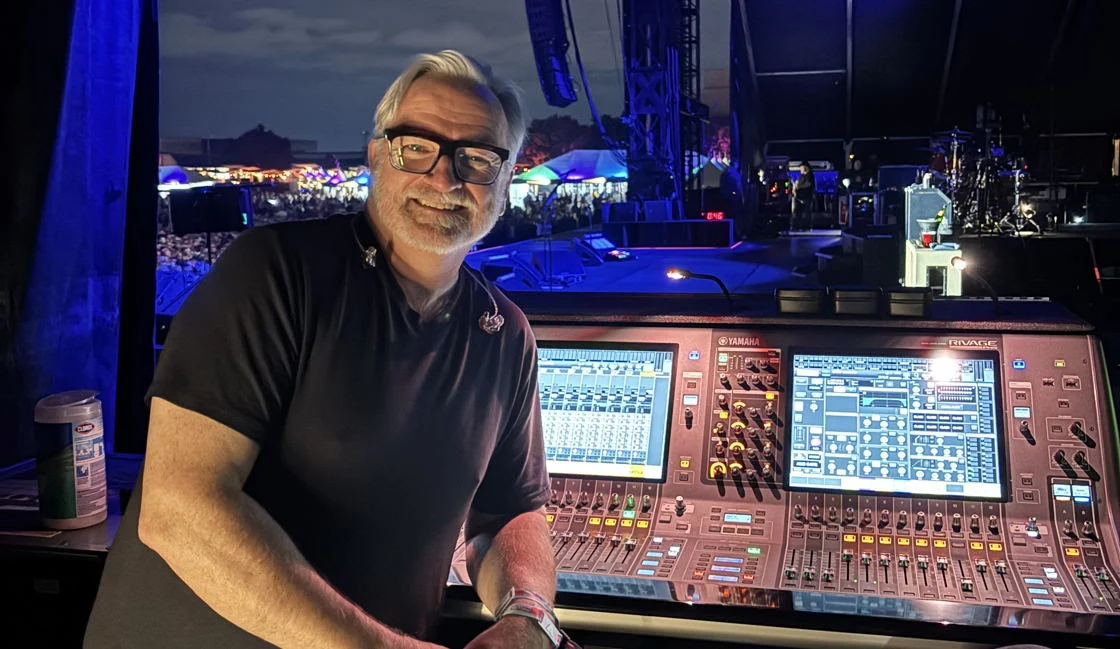
Joining her in this preservation effort is Mike "Dr. Funk" Ponczek, a veteran of the industry whose resume reads like a history of modern music. With nearly 50 years of experience, Ponczek has stood at the mixing desks for some of the biggest names in history. His involvement in the Archive Project provides a technical and anecdotal layer that is invaluable. His insights into the nuances of mixing for legends like The Kinks and the sheer logistical mastery of 1970s stadium tours provide a firsthand look at the "Dr. Funk" era of live audio.
Supporting Data: Why Preservation Matters
The live sound industry is notoriously ephemeral. Equipment is retired, venues are demolished, and the pioneers of the field are aging. The Showco Archive Project acts as a digital repository against this attrition.
Key Elements of the Collection:
- Technical Documentation: Rare schematics of early Showco custom-built gear.
- Cultural Artifacts: Photographs, laminates, and memorabilia from the "golden age" of touring.
- Oral Histories: Recorded interviews with engineers, techs, and road crew members who were in the trenches during the 70s and 80s.
- The Swag Shop: A unique initiative to fund the project through historically accurate merchandise, allowing fans and pros to support the preservation efforts while owning a piece of history.
By digitizing these materials, the project ensures that students of audio engineering and historians alike can study the evolution of sound reinforcement. It is a masterclass in how an industry shifted from "cobbling it together" to the highly engineered, sophisticated systems we see today.

Official Responses and Industry Support
The initiative has received widespread acclaim from the pro-audio community, underscored by the support of industry leaders such as Allen & Heath and RCF. These sponsorships are not merely financial; they represent a shared commitment to the history of the craft.
As Sean Walker and Andy Leviss point out on Signal To Noise, the response from the community has been overwhelming. The Showco Facebook groups and Discord channels have become hubs for former roadies to reconnect, share photos, and fill in the gaps of the archive. This collaborative approach turns the project into a "living history," where the community itself acts as a source of information.
Implications for the Future of Live Sound
The work being done by the Showco Archive Project has implications that extend far beyond nostalgia.
- Educational Value: Young engineers often view modern digital consoles as "black boxes." By understanding the modular, hand-built, and often dangerous nature of early sound rigs, they develop a deeper appreciation for signal flow and troubleshooting.
- Professional Identity: The project validates the "roadie" as a professional. It highlights the technical expertise and grit required to support a world-class tour, elevating the profession in the public eye.
- Cultural Heritage: Music is the soundtrack of history, but the technology that delivers it is often invisible. This project pulls the curtain back, ensuring that the "sound of the 70s" is recognized as a technical achievement as much as a musical one.
How to Get Involved
The Showco Archive Project continues to grow, and they are actively seeking contributions. Whether it is an old photograph tucked away in an attic, a diary from a tour, or simply a story that needs to be recorded, every piece of data helps build the complete picture.
- Visit the Website: The Showco Archives portal is the primary hub for the collection.
- Follow on Socials: Their Instagram is a fantastic way to see daily doses of history.
- Engage with the Community: Join the Signal To Noise Discord or Facebook group to participate in the ongoing conversation.
A Final Word on the Road
As Mike "Dr. Funk" Ponczek continues his work at the Kessler Theater in Dallas, he remains a testament to the longevity and passion of the Showco spirit. The archives are not just a static record; they are a tribute to a lifetime of dedication.
For those interested in the technical minutiae, the Signal To Noise podcast has also made the transcript for Episode 328 available, providing a deep-dive resource for those who want to study the discussion in detail. As we look toward the future of live sound, it is clear that we can only move forward effectively if we understand the foundation built by those who came before us.

The Showco Archive Project is more than a catalog; it is a promise that the stories, the sweat, and the sound of the world’s most iconic tours will never be silenced.
For more information on the Signal To Noise podcast or to contribute your own tips and questions, visit the ProSoundWeb portal or contact the hosts directly. Support for this ongoing series is made possible by the generosity of listeners and industry partners like Allen & Heath and RCF.