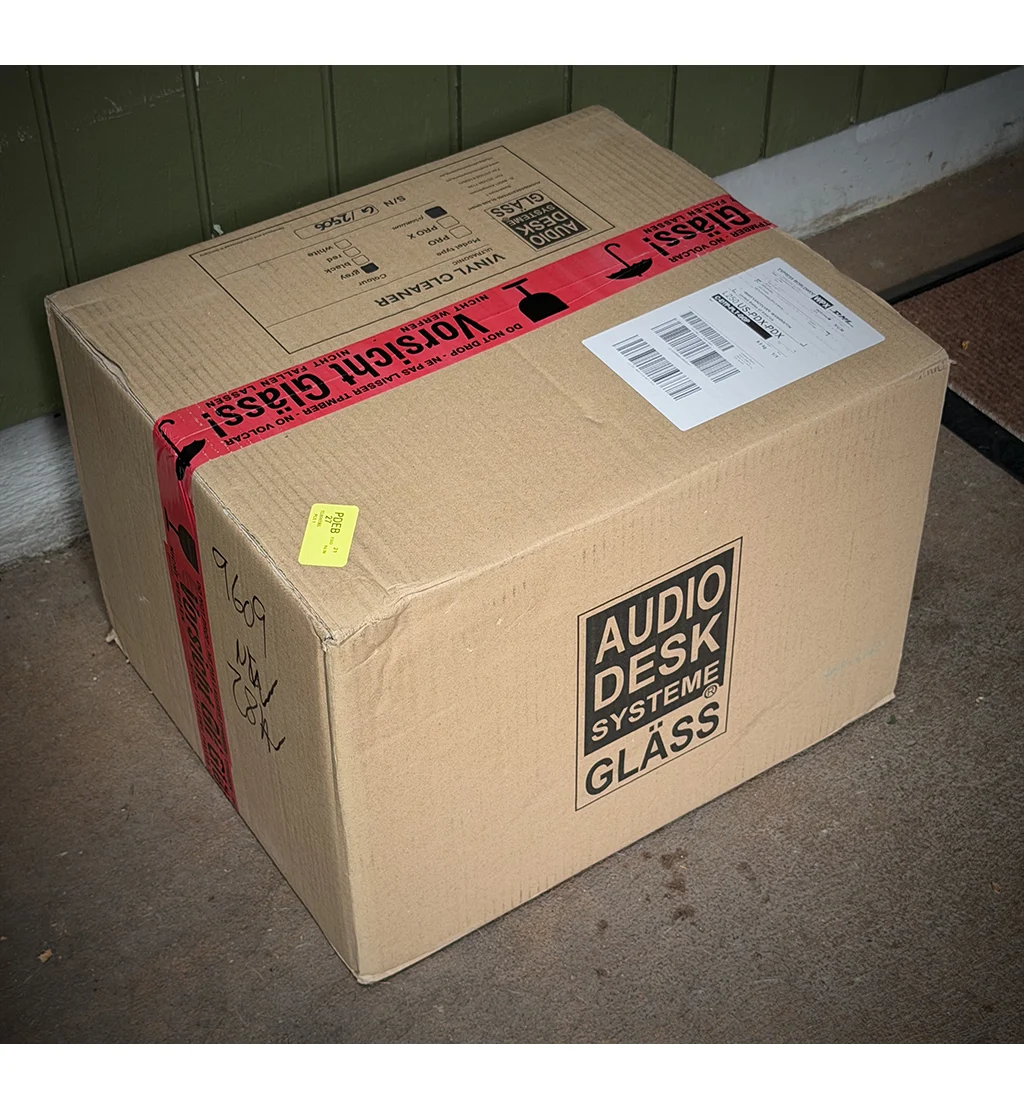
May 12, 2026 – Over four decades since its initial release, Van Halen’s 1982 album, "Diver Down," continues to spark discussion and debate among music aficionados. Often characterized as the band’s most eclectic and perhaps most polarizing effort, "Diver Down" predominantly featured cover songs, a departure from their earlier, self-penned rock anthems. While the album’s unconventional tracklist initially divided fans, time has proven its resilience, revealing it as a fascinating, albeit quirky, chapter in the iconic band’s storied career. This re-examination delves into the album’s enduring appeal, its sonic evolution through various pressings, and its unique place in the Van Halen discography, particularly through the lens of recent high-fidelity reissues.
The Curious Case of "Diver Down": A Departure from the Norm
Released on April 14, 1982, "Diver Down" arrived at a pivotal moment for Van Halen. Following the massive success of "Fair Warning," the band found themselves navigating the pressures of superstardom and creative exploration. Unlike their previous albums, which were lauded for their original songwriting prowess and Eddie Van Halen’s groundbreaking guitar work, "Diver Down" leaned heavily on interpretations of existing material. While the band had already demonstrated their knack for reimagining songs with their electrifying cover of The Kinks’ "You Really Got Me" on their debut, "Diver Down" took this approach to a new level.
The album’s tracklist read like a sonic mixtape, featuring covers ranging from Martha and the Vandellas’ "Dancing in the Street" and the Kinks’ "Where Have All the Good Times Gone?" to Roy Orbison’s "Pretty Woman." These choices, alongside original compositions like "Cathedral" and "Intruder," painted a picture of a band experimenting with different sounds and styles. This departure from their established formula was met with mixed reactions. Long-time fans, accustomed to the raw energy and original riffs that defined Van Halen, questioned the album’s direction. The inclusion of "Pretty Woman," in particular, was seen by some as a move too far into pop territory, alienating the core rock audience.
However, for those who embraced the band’s adventurous spirit, "Diver Down" offered a unique glimpse into their musical influences and their ability to inject their signature sound into a diverse range of genres. The album’s audaciousness, its willingness to eschew convention, has, in retrospect, contributed to its cult status. It stands as an intriguing artistic statement, showcasing a band unafraid to take risks, even if those risks led them down less-traveled paths.
A Sonic Journey: From Original Pressing to Audiophile Nirvana
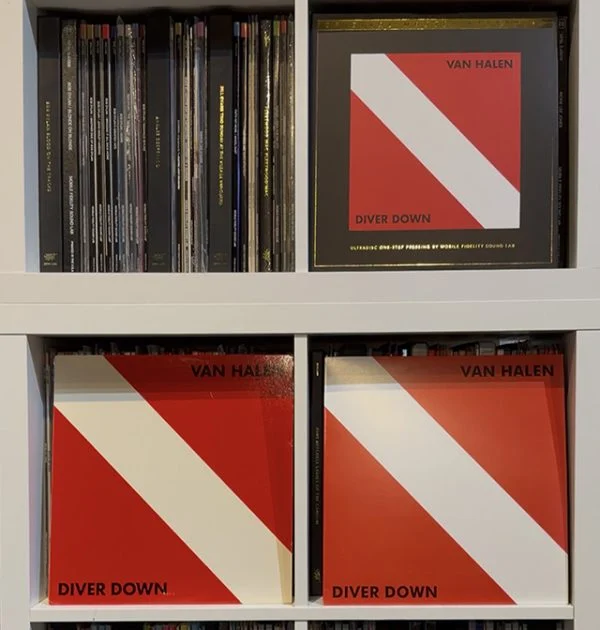
The sonic fidelity of "Diver Down" has been a subject of considerable discussion among audiophiles, particularly when comparing different pressings. The author’s personal experience, comparing an original pressing purchased on release day with a later Chris Bellman reissue and the current Mobile Fidelity Sound Lab (MoFi) ONE-Step edition, highlights significant sonic evolution.
The Original Pressing: A Product of its Time
The original vinyl pressing of "Diver Down," like many records from that era, exhibits characteristics that reflect the recording and mastering technologies of the early 1980s. The author notes that it is "compressed, with a truncated bottom end." This compression, a common practice to achieve a louder and more impactful sound for radio play and perceived loudness on various playback systems, can lead to a loss of dynamic range. The "truncated bottom end" suggests a reduction in the deep bass frequencies, which can make the overall sound feel less full and impactful.
The question of why this sonic characteristic was present is open to speculation. The author playfully ponders if it was a "passive aggressiveness towards the affable Michael Anthony," referring to the bassist’s often overlooked but crucial role in the band’s sound, or simply "oversight for better radio play." While conspiracy theories about inter-band dynamics are often entertaining, the latter explanation – prioritizing radio-friendliness – is a more pragmatic consideration for music released in the commercial landscape of the early 1980s. The desire for tracks to translate effectively across a wide range of playback systems, from car stereos to home hi-fi setups, often led to sonic compromises in the mastering process.
The Chris Bellman Reissue: A Step Towards Restoration
The Chris Bellman reissue represents a significant improvement over the original pressing. Bellman, a highly respected mastering engineer known for his work on numerous classic rock reissues, is credited with "bringing back a lot of what’s been lost." This suggests that his mastering approach focused on restoring the dynamic range and clarity that may have been sacrificed in the original mastering. The "major step in the right direction" indicates a noticeable enhancement in the album’s sonic presentation, likely with a fuller bottom end and a more open, detailed midrange and treble.
Bellman’s work often involves meticulous attention to the original master tapes, aiming to recreate the sound as intended by the band and their original engineers, while also taking advantage of advancements in mastering technology to present it in the best possible light for modern playback. This reissue likely offered a more balanced and engaging listening experience, allowing listeners to appreciate the nuances of the performances that might have been obscured in the original.
The MoFi ONE-Step: Unveiling Hidden Depths
The Mobile Fidelity Sound Lab (MoFi) ONE-Step pressing is presented as the pinnacle of this sonic evolution, revealing "more lurking in that master." MoFi’s ONE-Step process is renowned for its meticulous approach to vinyl production, involving a unique direct-to-metal mastering technique that eliminates several steps in the traditional vinyl manufacturing process. This reduction in intermediate steps aims to preserve the utmost fidelity from the master tape to the final pressing.
The author highlights the MoFi version’s superiority through the specific example of the track "Big Bad Bill (Is Sweet William)." This track, featuring Eddie Van Halen’s solo clarinet performance, becomes a showcase for the MoFi mastering. The assertion that it "rocks harder in every way" suggests a significant increase in impact and energy. Crucially, the "lost bottom end is restored to perfection," indicating a deep, resonant bass response that was absent in previous versions.
However, the most striking observation is the "smoothness of the tone in Van Halen senior’s clarinet is incredible." This refers to Eddie’s father, Jan Van Halen, who played the clarinet on the track. The MoFi pressing, by capturing the subtle textures and nuances of the instrument, elevates this often-overlooked performance. It allows the listener to appreciate the richness and warmth of the clarinet, a testament to the mastering engineer’s skill and the quality of the ONE-Step process.
The statement, "And good as the MoFi SACD is, this is one of those instances where the magic of vinyl rules the day," is a powerful endorsement of the analog format. While MoFi also releases Super Audio CDs (SACDs), the author finds that for "Diver Down," the vinyl presentation offers a superior listening experience. This often comes down to subjective preferences, but for many audiophiles, vinyl possesses a certain warmth, depth, and presence that digital formats can sometimes struggle to fully replicate. The "magic of vinyl" in this context likely refers to a perceived organic quality and immersive soundstage that the MoFi vinyl pressing delivers.
The "Good Times Gone" Conundrum: A Legacy of Cover Songs
The recurring theme of cover songs on "Diver Down" inevitably leads to discussions about the band’s creative direction. The album’s opener, "Where Have All the Good Times Gone?," a Kinks original, serves as a poignant and perhaps even meta commentary on the band’s own journey. The author aptly uses the song’s title to pose a rhetorical question about the album’s reception and its place in the Van Halen narrative.
While "Diver Down" may not be as universally celebrated as albums like "Van Halen," "Van Halen II," or "1984," its enduring appeal lies in its individuality. It represents a band at a crossroads, exploring their musical identity beyond the confines of their established sound. The success of their earlier covers, particularly "You Really Got Me," likely emboldened them to further experiment with the format.
The album’s status as an "oddball VH record" is precisely what makes it compelling. It stands apart, offering a different flavor of Van Halen. The performances are undoubtedly energetic and infused with the band’s characteristic flair. Eddie Van Halen’s guitar solos, though perhaps less prominent in the mix on some tracks due to the cover-heavy nature, are still present and showcase his unique virtuosity. David Lee Roth’s flamboyant vocal delivery remains a central element, adding his inimitable swagger to each song.
The Enduring Impact and Future Considerations
The re-examination of "Diver Down" through the lens of superior audio reissues underscores a broader trend in the music industry: the renewed appreciation for classic albums and the desire to experience them with the highest possible fidelity. For fans who may have dismissed "Diver Down" upon its initial release, these reissues offer a compelling reason to revisit it. The MoFi ONE-Step, in particular, promises to reveal layers of sonic detail and performance nuances that may have been previously unheard, transforming the listening experience.
The success of these audiophile reissues also highlights the commercial viability of revisiting catalog titles. As the music industry continues to evolve, the demand for high-quality physical media, particularly vinyl, remains robust. Labels and artists are increasingly investing in meticulous remastering and pressing processes to cater to this discerning audience.
In conclusion, "Diver Down" may have been a departure from the expected, a collection of covers that surprised and sometimes perplexed audiences. Yet, over four decades later, it continues to resonate. Its status as a "wackiest album" has evolved into an appreciation for its daring and its unique place in the Van Halen saga. Through the advancements in audio technology and the dedication of audiophile labels like MoFi, this oddball record is finally receiving the sonic treatment it deserves, allowing a new generation of listeners, and long-time fans alike, to fully appreciate the enduring, if unconventional, brilliance of "Diver Down." The question of "where have all the good times gone?" is perhaps best answered by the very existence of these exceptional reissues, which ensure that the good times, and the great music, are here to stay.