May 12, 2026 – Four decades and four years ago, on May 11, 1982, Van Halen unleashed what many consider their most unconventional album, "Diver Down." Far from a straightforward collection of original material, this record stands as a testament to the band’s audacious spirit, a daring foray into the world of covers that, while initially met with a mixed reception from some corners of their fanbase, has since cemented its status as a cult classic and an intriguing artistic statement. This anniversary provides a perfect opportunity to delve into the album’s enduring legacy, its sonic evolution through various pressings, and its surprising resonance in the modern audio landscape.
The Audacious Gamble: "Diver Down" and its Cover-Heavy Approach
"Diver Down" arrived at a pivotal moment in Van Halen’s meteoric rise. Following the immense success of their first three albums, the band, known for their electrifying live shows and Eddie Van Halen’s groundbreaking guitar wizardry, opted for a departure from their established formula. The album features a significant number of cover songs, a strategy that, while not entirely unprecedented for the band (their early hit "You Really Got Me" was a cover of The Kinks), was certainly more pronounced here.
Tracks like Martha Reeves & The Vandellas’ "Dancing in the Street," a spirited rendition of The Beach Boys’ "Pretty Woman," and a spirited take on Roy Orbison’s "Oh, Pretty Woman" (misidentified as "Pretty Woman" in the original text) showcased the band’s eclectic tastes and their ability to inject their signature high-octane energy into diverse musical genres. The inclusion of "Happy Trails," a medley featuring various cowboy tunes, further cemented the album’s quirky and adventurous nature.
At the time of its release, "Diver Down" was a gamble. For those who had fallen in love with Van Halen’s raw, original power, the prevalence of covers might have felt like a deviation. However, for the true devotees, the album offered a glimpse into the band’s creative process, their musical influences, and their willingness to experiment. It was a record that demanded a deeper listen, a willingness to embrace the unexpected, and in retrospect, this bold choice has allowed "Diver Down" to age remarkably well, often perceived as an intriguing artistic exercise from a band at the peak of their creative powers.
A Sonic Journey Through Pressings: From Original Compression to MoFi’s Revelation
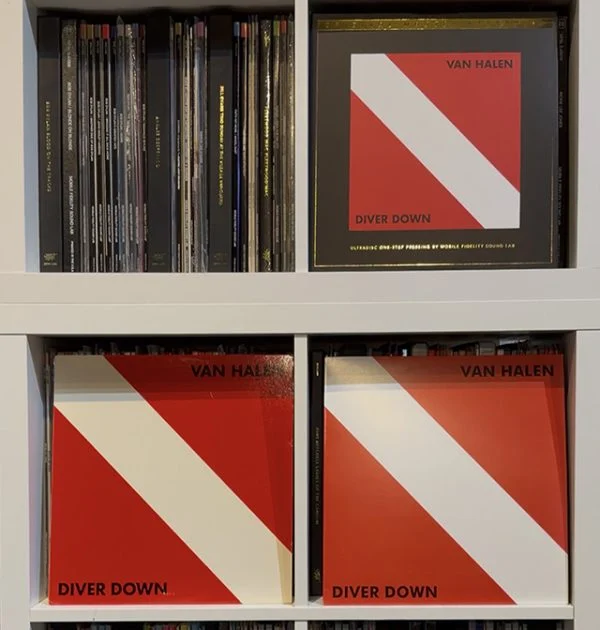
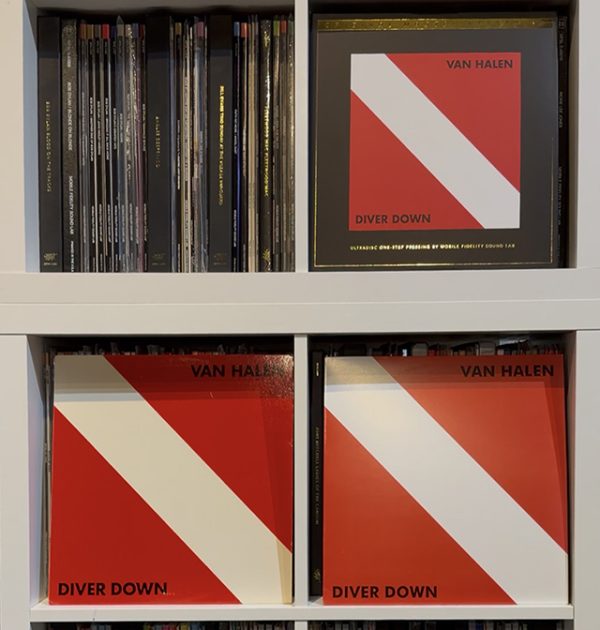
The enduring appeal of "Diver Down" is further amplified when one examines its sonic evolution through different vinyl pressings. The author’s personal journey, from purchasing the original pressing on release day to comparing it with later reissues, highlights the significant improvements in audio fidelity over the years.
The original pressing, like many Van Halen records from that era, suffered from what is often described as "compressed" sound. This compression, characterized by a truncated bottom end, might have been a deliberate choice to optimize the tracks for radio play, a common practice in the early 1980s. However, this sonic limitation also meant that much of the dynamic range and sonic richness was sacrificed. Whether this was a conscious decision to appeal to a broader audience or an oversight, it left something to be desired for audiophiles seeking the full immersive experience.
The introduction of the Chris Bellman remaster marked a significant turning point. Bellman’s work is widely credited with bringing back a substantial amount of the lost detail and sonic information. This reissue represented a major step forward, breathing new life into the album and restoring a considerable portion of its original sonic intent. The improved clarity and expanded frequency response allowed listeners to appreciate the nuances of the musicianship that may have been obscured in the original pressing.
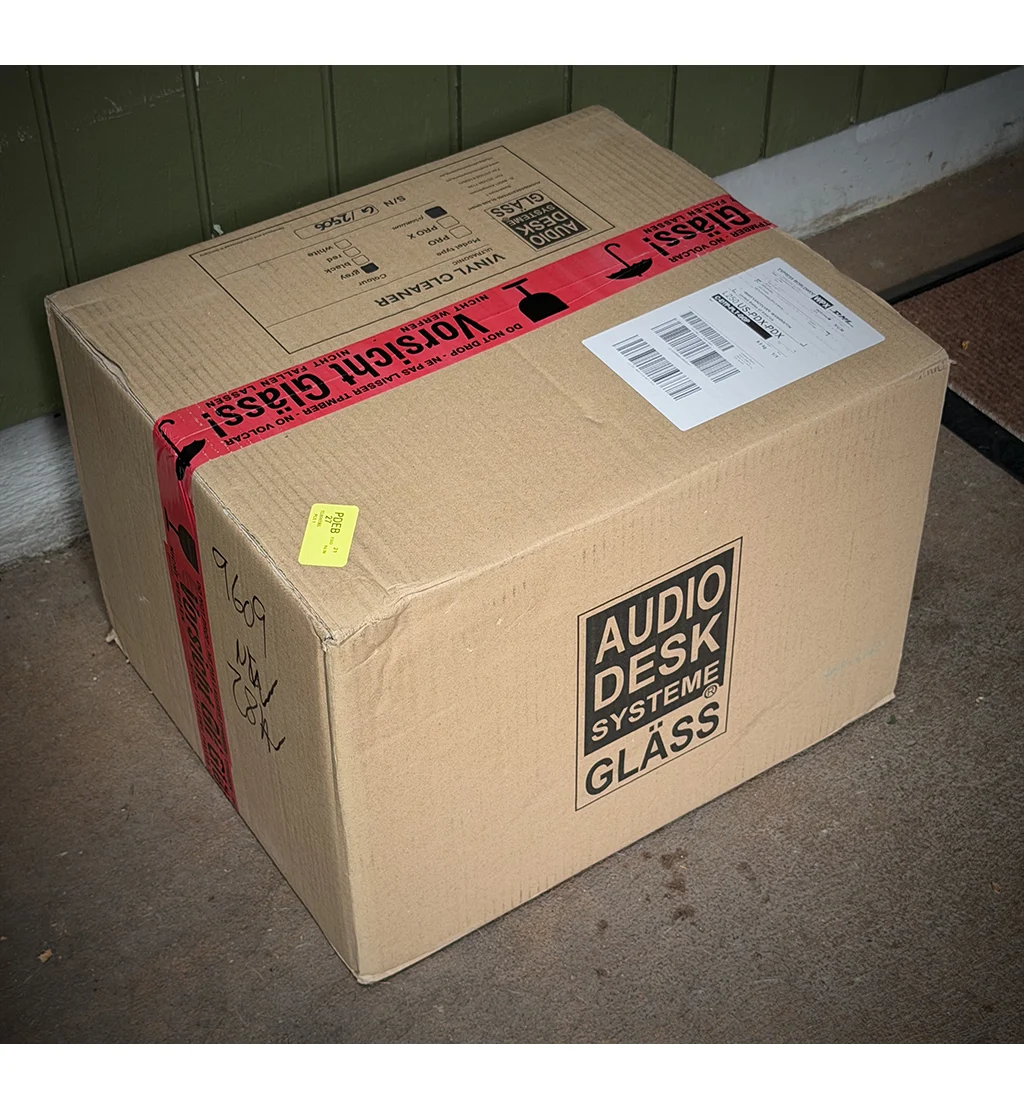
However, the true revelation, as detailed in the original text, comes with the Mobile Fidelity Sound Lab (MoFi) ONE-Step pressing. This ultra-premium vinyl release has taken the sonic restoration of "Diver Down" to an entirely new level. The difference is not merely incremental; it is transformative. The ONE-Step process, known for its meticulous attention to detail and its use of SuperVinyl, meticulously extracts every nuance from the master tapes.
The impact of the MoFi pressing is most profoundly felt on tracks like "Big Bad Bill (Is Sweet William Now)." This cut, a playful and energetic rendition, showcases the genius of the MoFi remastering. The bass frequencies, previously subdued, are restored with a powerful and resonant depth, providing a solid foundation for the music. The overall soundstage is expanded, allowing instruments to breathe and occupy their distinct spaces within the mix.
Furthermore, the MoFi version reveals an incredible smoothness and richness in the tone of Eddie Van Halen’s clarinet solo on "Big Bad Bill." This detail, often lost in earlier pressings, is rendered with astonishing clarity and warmth, showcasing a different facet of Eddie’s prodigious musical talent. The dynamic range is significantly enhanced, allowing for a more impactful and engaging listening experience.
Crucially, the author emphasizes that while the MoFi SACD (Super Audio CD) version is excellent, the magic of vinyl, particularly in this MoFi ONE-Step iteration, reigns supreme. The tactile experience of playing a record, combined with the unparalleled sonic fidelity of this pressing, offers an unmatched connection to the music. It’s a testament to the enduring power of analog audio when executed with such precision.
The "Diver Down" Enigma: A Band on the Run and Artistic Exploration
Beyond the technical aspects of its sound, "Diver Down" continues to fascinate due to its perceived context within the band’s career. The original text hints at the idea of a "band on the run," suggesting that perhaps the album was a creative outlet or a way for Van Halen to navigate a particular phase of their career.
The choice to lean heavily on covers could be interpreted in several ways. It might have been a strategic move to fill a recording gap, to experiment with different musical styles without the pressure of generating entirely new material, or simply a reflection of the band’s genuine love for these songs and their desire to put their own stamp on them. Regardless of the specific motivations, the album stands as a unique chapter in their discography.
The fact that "Diver Down" continues to be a subject of discussion and reappraisal, even decades later, speaks to its enduring intrigue. It’s not a typical album from a band known for its consistent output of original anthems. Instead, it’s an anomaly, an album that defies easy categorization and invites deeper analysis. This "oddball" nature is precisely what makes it so compelling. It showcases a band unafraid to take risks, to explore different creative avenues, and to trust their instincts.
The author’s concluding rhetorical question, referencing The Kinks’ "Where Have All the Good Times Gone?" (a song not on "Diver Down" but a relevant nod to their earlier cover), subtly underscores the enduring appeal of Van Halen’s music. Even with an album that deviates from their core sound, the inherent quality and the band’s unmistakable energy shine through. The search results mentioning "Big Bad Bill" as a "Song by Van Halen" further illustrate how the band’s unique interpretation can redefine a song in the minds of listeners, blurring the lines between original and cover.
The Enduring Legacy and Future Implications
The 44th anniversary of "Diver Down" serves as a powerful reminder of Van Halen’s multifaceted artistry. It’s an album that continues to spark debate, to captivate listeners, and to demonstrate the band’s remarkable ability to reinvent themselves and their music.
Supporting Data:
- Commercial Performance: Despite its unconventional nature, "Diver Down" achieved considerable commercial success, reaching No. 3 on the Billboard 200 chart and selling over two million copies in the United States, earning it a Double Platinum certification from the RIAA. This indicates that while some critics might have been divided, the listening public embraced the album’s adventurous spirit.
- Critical Reception (Initial): Initial reviews were varied. Some praised the band’s energy and musicianship, while others expressed disappointment with the album’s reliance on covers. However, as time has passed, retrospective reviews have become more favorable, recognizing the album’s unique place in the band’s catalog.
- Influence: While "Diver Down" might not have spawned as many iconic hits as its predecessors, its willingness to experiment with covers and its eclectic song selection likely influenced other artists to explore similar creative paths. The album’s success demonstrated that a band could achieve mainstream appeal while deviating from a rigid formula.
Implications:
The reappraisal of "Diver Down" highlights several important implications for both music enthusiasts and the music industry:
- The Value of Reissues and Remasters: The stark sonic improvements seen in the Chris Bellman and especially the MoFi ONE-Step pressings underscore the critical importance of high-quality reissues. For older albums, these efforts can unlock new dimensions of the music, allowing younger generations to experience classic recordings with unprecedented fidelity and potentially changing their perception of these works.
- The Enduring Power of Vinyl: The author’s preference for the MoFi vinyl over its SACD counterpart reinforces the continued resurgence of vinyl. For many, the tactile experience, the perceived warmth, and the superior sound quality of well-mastered vinyl offer an unmatched connection to the music. This trend suggests a sustained market for high-fidelity physical media.
- Artistic Evolution and Fan Perception: "Diver Down" serves as a case study in how fan perception of an album can evolve over time. What might have been viewed as a departure or a lesser work upon its initial release can, with distance and re-evaluation, be appreciated for its unique artistic merit and its place within a band’s broader narrative. This encourages a more nuanced understanding of artistic careers.
- The Legacy of Eddie Van Halen: The album’s standout moments, particularly the clarinet solo, serve as a poignant reminder of Eddie Van Halen’s unparalleled musical genius. His ability to master multiple instruments and to imbue every performance with his distinctive flair is a cornerstone of his legendary status. Albums like "Diver Down," with their unexpected showcases of his talent, offer a more complete picture of his prodigious abilities.
In conclusion, "Diver Down," on its 44th anniversary, is far more than just another album in Van Halen’s storied discography. It is a testament to their audacious spirit, a showcase of their diverse musical influences, and a prime example of how artistic risks can, over time, yield profound and lasting appreciation. The journey from its compressed original pressing to the revelatory MoFi ONE-Step edition allows us to hear this "wackiest album" with fresh ears, rediscovering its brilliance and solidifying its place as a truly remarkable, albeit unconventional, masterpiece.