The 2026 Formula 1 World Championship has delivered its most astonishing twist yet. Following the sudden cancellation of both the Bahrain and Saudi Arabian Grands Prix due to escalating military campaigns by the United States and Israel across the Middle East, Formula 1 governance has engineered a remarkable late-calendar replacement.
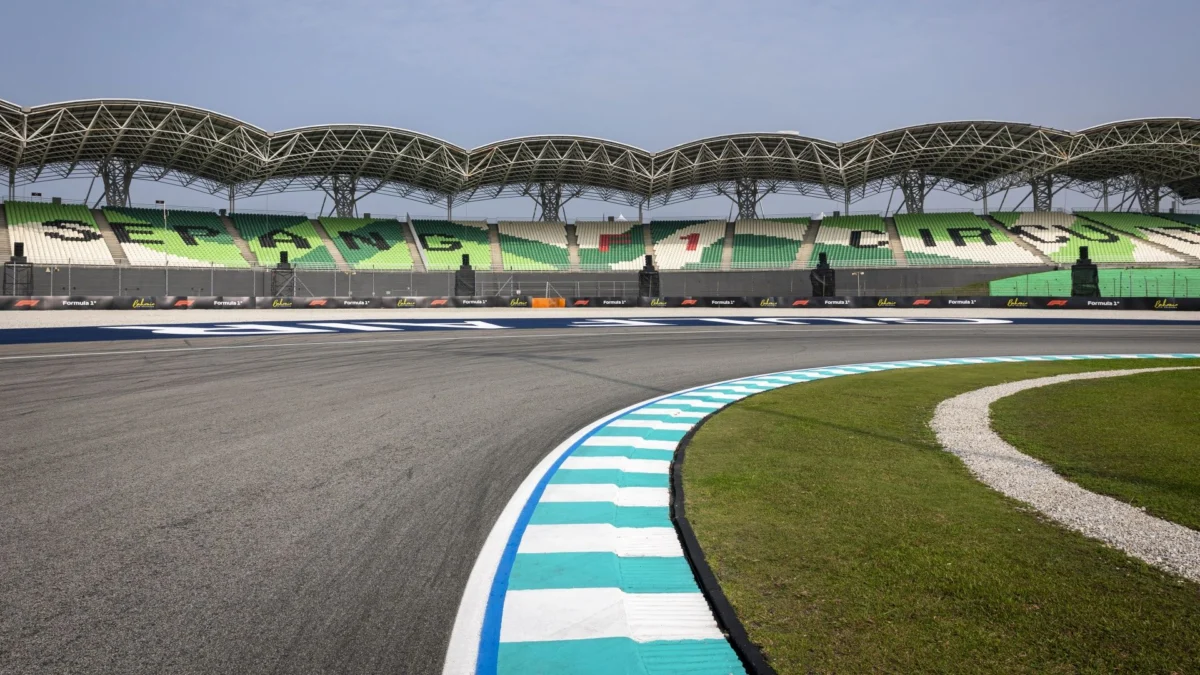
This weekend, the paddock arrives not in Sakhir, but more than 6,000 kilometers away at the iconic Sepang International Circuit in Kuala Lumpur, Malaysia. Yet, in a bureaucratic and financial quirk that highlights the complex realities of modern motorsport economics, the event retains its official the Bahrain Grand Prix.
For fans across the globe looking to tune into this surreal motorsport crossover event, understanding the broadcast logistics, regional schedules, and the impact of geo-blocking tools has never been more critical.
Main Facts: A Grand Prix in Exile
The logistics behind the emergency relocation to Sepang read like a geopolitical thriller. When regional instability forced the cancellation of the opening Middle Eastern leg of the 2026 season, Formula Management faced a massive scheduling void.
The solution came from an unlikely synergy: the Bahraini government, which heavily funds its home Grand Prix, opted to underwrite a substitute event rather than forfeit the race entirely. Malaysia’s Sepang International Circuit—which hosted the Malaysian Grand Prix from 1999 to 2017 before financial pressures saw it drop off the calendar—was deemed the readiest Grade 1 facility capable of stepping in on short notice.
Despite the Malaysian backdrop, the official branding, sponsor structures, and financial backing remain tethered to the Kingdom of Bahrain. The result is a bizarre psychological landscape for the paddock: teams operating in the tropical heat and humidity of Kuala Lumpur while racing under a Bahraini banner.
Adding to the competitive intrigue, Sepang presents completely uncharted territory for nearly half the grid. Twelve of the twenty current Formula 1 drivers have never raced competitively at the Malaysian circuit, setting the stage for a steep learning curve during Friday’s practice sessions.
Chronology of the Race Weekend
For fans following the action live across different time zones, meticulous planning is required. Because the race is being hosted in Malaysia (Malaysia Time – MYT), European and American audiences must adjust their viewing habits to unusual overnight or early-morning slots.
Below is the complete schedule across major time zones, including British Summer Time (BST), Eastern Time (ET), Pacific Time (PT), and Australian Eastern Standard/Daylight Time (AEST/AEDT):
| Session | Local (MYT) | ET | PT | BST | AEST/AEDT |
|---|---|---|---|---|---|
| Practice 1 | Thu: 12:30 PM | Fri: 12:30 AM | Thu: 9:30 PM | Fri: 5:30 AM | Fri: 2:30 PM |
| Practice 2 | Thu: 4:00 PM | Fri: 4:00 AM | Fri: 1:00 AM | Fri: 9:00 AM | Fri: 6:00 PM |
| Practice 3 | Fri: 12:30 PM | Sat: 12:30 AM | Fri: 9:30 PM | Sat: 5:30 AM | Sat: 2:30 PM |
| Qualifying | Fri: 4:00 PM | Sat: 4:00 AM | Sat: 1:00 AM | Sat: 9:00 PM | Sat: 6:00 PM |
| Grand Prix | Sat: 3:00 PM | Sun: 3:00 AM | Sun: 12:00 AM | Sun: 8:00 AM | Sun: 6:00 PM |
Supporting Data: The Championship Battle Enters Uncharted Waters
The 2026 season has already proven unpredictable, and the championship standings heading into Malaysia reflect a sport in transition.
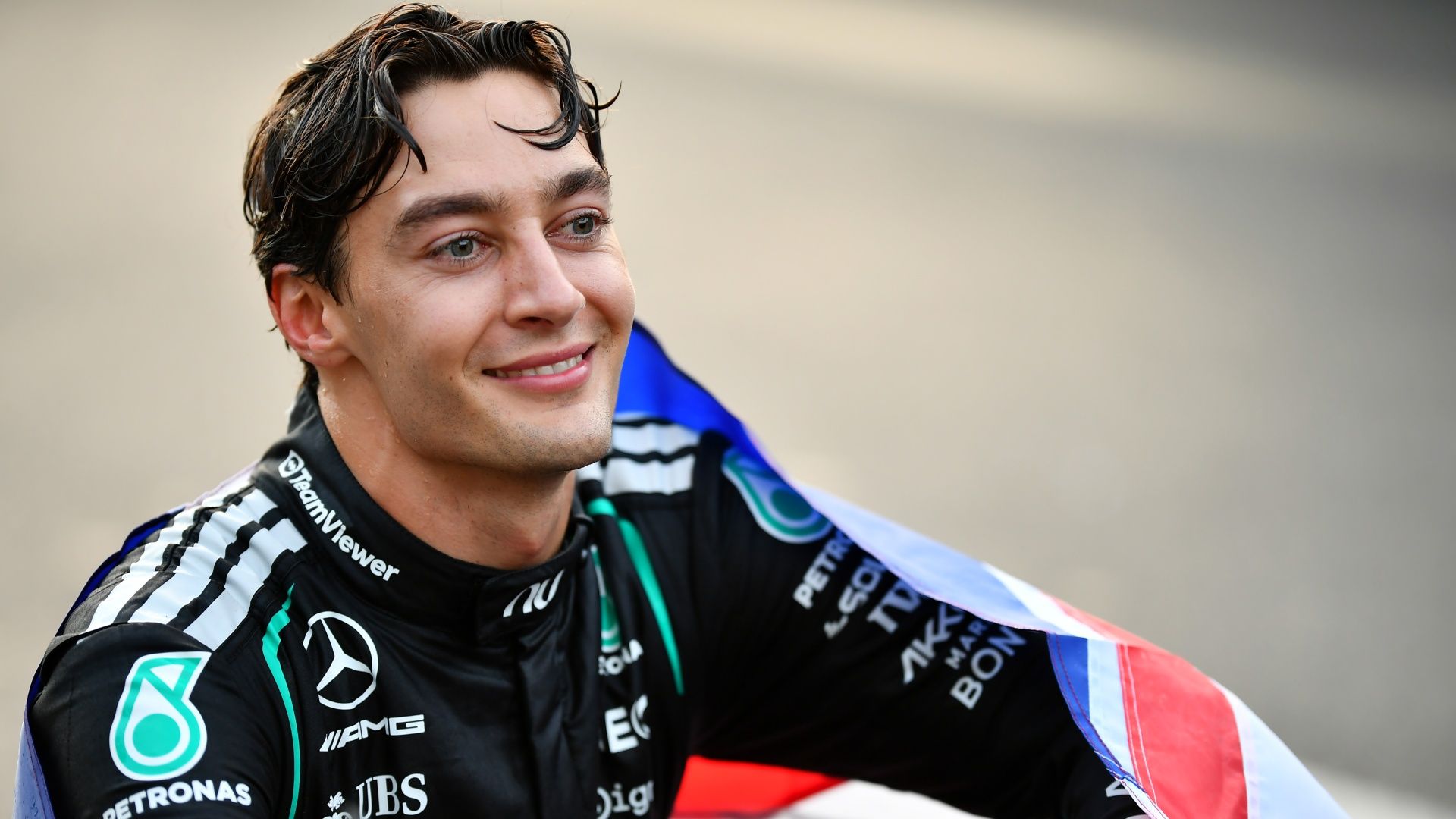
Mercedes driver George Russell arrives in scintillating form. Last weekend in Baku, Russell delivered a masterclass, securing pole position and leading every single lap to take a dominant victory. That performance dramatically slashed his deficit to championship leader Kimi Antonelli from 81 points down to 66. Conversely, Antonelli endured a nightmare weekend in Azerbaijan, crashing out of qualifying and staging a recovery drive from 16th to 5th place.
Meanwhile, attention naturally turns toward Red Bull’s Max Verstappen. The last time Formula 1 raced at Sepang in 2017, a fresh-faced Verstappen secured just the second victory of his fledgling career at age 20. Now, nine years later, the Dutchman returns as a four-time world champion with 71 Grand Prix victories to his name. Yet, remarkably, Verstappen has yet to secure a victory in the 2026 season. Could Sepang serve as the historic hunting ground where his season finally sparks into life?
The circuit itself guarantees technical chaos. Sepang’s layout features grueling high-speed straights, aggressive heavy-braking zones, and sweeping technical corners. Combined with Malaysia’s notoriously volatile tropical weather—where torrential downpours can transform a bone-dry track into a swamp in mere minutes—engineers face an immense setup dilemma.
Official Responses and Global Broadcast Access
Naturally, the sudden shift in venue has thrown global broadcasting rights into a temporary spin, though primary regional rights holders have adapted quickly. Fans wishing to watch the action live have several pathways depending on their geographic location.
Free-to-Air and Streaming Options in Europe
Certain European nations continue to offer free-to-air broadcasts of Formula 1 events:
- Austria: Servus TV provides completely free live coverage.
- Luxembourg: RTL Play offers free streams of the weekend’s events.
- Belgium: RTBF Auvio carries free live coverage for local residents.
Utilizing a VPN for International Viewers
Because official streams are geographically restricted, fans traveling abroad or living outside these specific broadcast zones often utilize Virtual Private Networks (VPNs) to access their home coverage. Services like NordVPN allow users to securely alter their virtual location, unblocking free streams in Austria, Luxembourg, or Belgium while safeguarding personal data on public networks.
Steps to watch via VPN:
- Sign up for a reliable, high-speed VPN provider like NordVPN.
- Open the application and select a server location matching your desired broadcast (e.g., Austria for Servus TV).
- Navigate to the streaming platform’s website or app and enjoy uninterrupted live coverage.
Regional Broadcasters Around the World
- United Kingdom: Sky Sports F1 provides comprehensive coverage in 4K Ultra HD and HDR via Sky Q, Sky Glass, and Sky Stream packages.
- United States: Apple TV holds broad streaming rights for the 2026 season, broadcasting the Bahrain Grand Prix with free-to-air practice sessions. Subscriptions start at $14.99/month following a 7-day free trial, with promotional bundles available for eligible Apple hardware buyers.
- Australia: Fox Sports and Kayo Sports hold the live broadcast rights. Kayo offers new subscribers a 7-day free trial, with standard plans starting at AU$29.99/month and 4K-capable Premium tiers at AU$45.99/month. Meanwhile, free highlights can be caught via 10Play.
- Global F1 TV Pro: Available in over 188 countries (though excluded in the UK), F1 TV Pro offers ad-free HD coverage of every practice, qualifying session, and race across iOS, Android, Roku, Apple TV, and Google TV devices.
Implications: What Sepang’s Return Means for the Future of F1
While the circumstances forcing this race onto the calendar are deeply serious, the return of Sepang has sparked intense nostalgia and tactical debate within the motorsport community.
For years, critics of modern F1 lamented the loss of classic, punishing circuits in favor of modern, sterile street tracks. Sepang, designed by Hermann Tilke, was long praised by drivers for its width, overtaking opportunities, and physical demands driven by punishing cockpit temperatures.
If this emergency weekend proves to be a massive commercial and logistical success, it may spark conversations about a potential permanent return for the Malaysian Grand Prix in future seasons. For now, however, the paddock’s focus remains squarely on survival—managing tire degradation in the Malaysian humidity, mastering an unfamiliar circuit layout on zero notice, and navigating a championship race that has literally traveled halfway across the world.