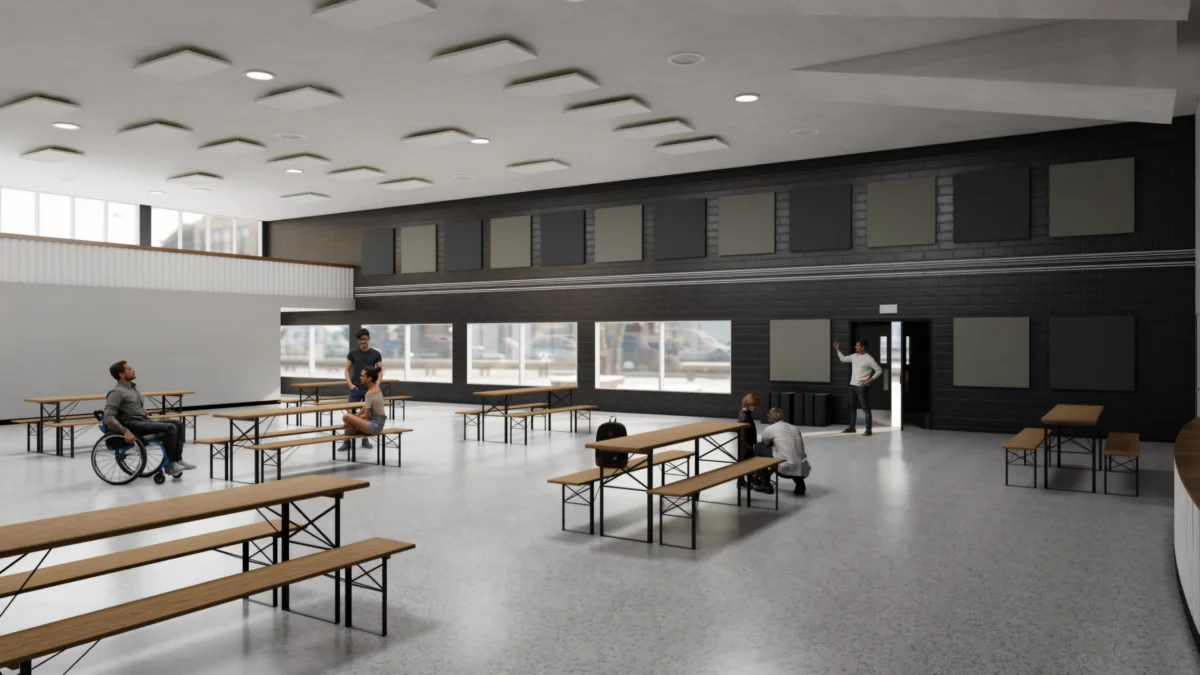
In the contemporary built environment, architects and interior designers face a dual mandate: crafting spaces that soothe the human psyche through visual minimalism while combating the invisible, fatiguing chaos of modern acoustics. For decades, these two goals have frequently stood at odds. The sleek expanses of glass, exposed concrete, and smooth drywall that define modern architecture—designed to offer a tranquil mental escape from fast-paced workflows—act as acoustic mirrors, bouncing sound waves relentlessly to create echo chambers that drain focus and elevate stress.
However, a quiet revolution in material science and manufacturing is transforming how we look at—and listen to—our interiors. By treating walls and ceilings not as passive boundaries, but as active surfaces, modern design is proving that acoustic management and high-end aesthetics do not need to compromise. At the heart of this evolution is texture, a foundational design element that dictates not only the visual rhythm of a room, but its sonic soul.
Main Facts: The Convergence of Acoustics and Design
At its core, the modern challenge of interior architecture lies in bridging the gap between how a room looks and how it sounds. Hard, flat surfaces reflect sound energy, resulting in prolonged reverberation times, decreased speech intelligibility, and high mental fatigue for occupants. Conversely, textured surfaces diffuse sound waves, scattering them in multiple directions to break up echoes.
Enter recycled polyethylene terephthalate (PET)—a sustainable material harvested from post-consumer plastic bottles. PET has emerged as a powerhouse in architectural acoustics. Highly absorbent, versatile, and structurally adaptable, PET panels can be precision-cut, dyed in wide palettes, and custom-carved.

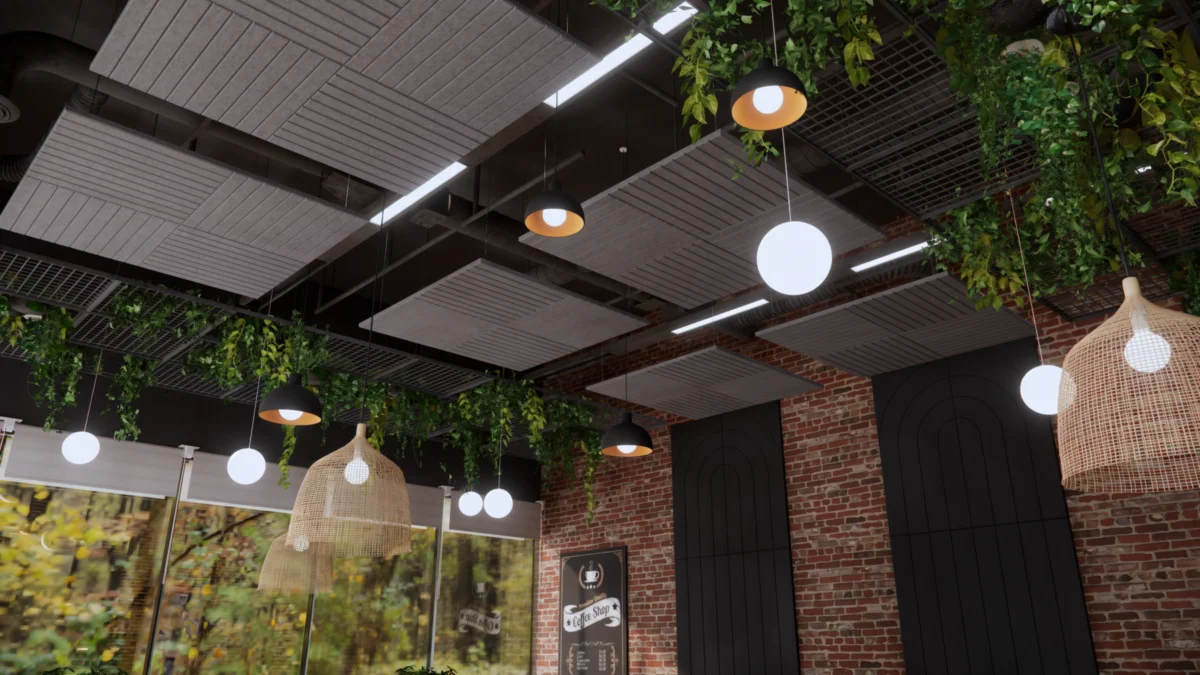
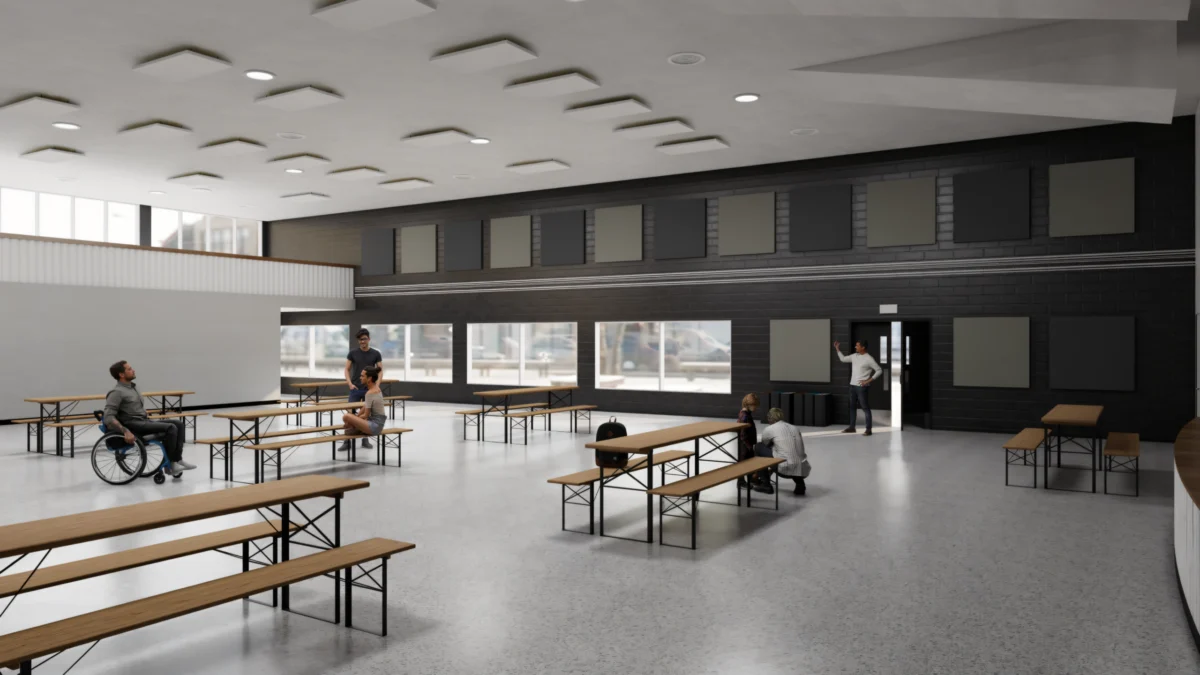
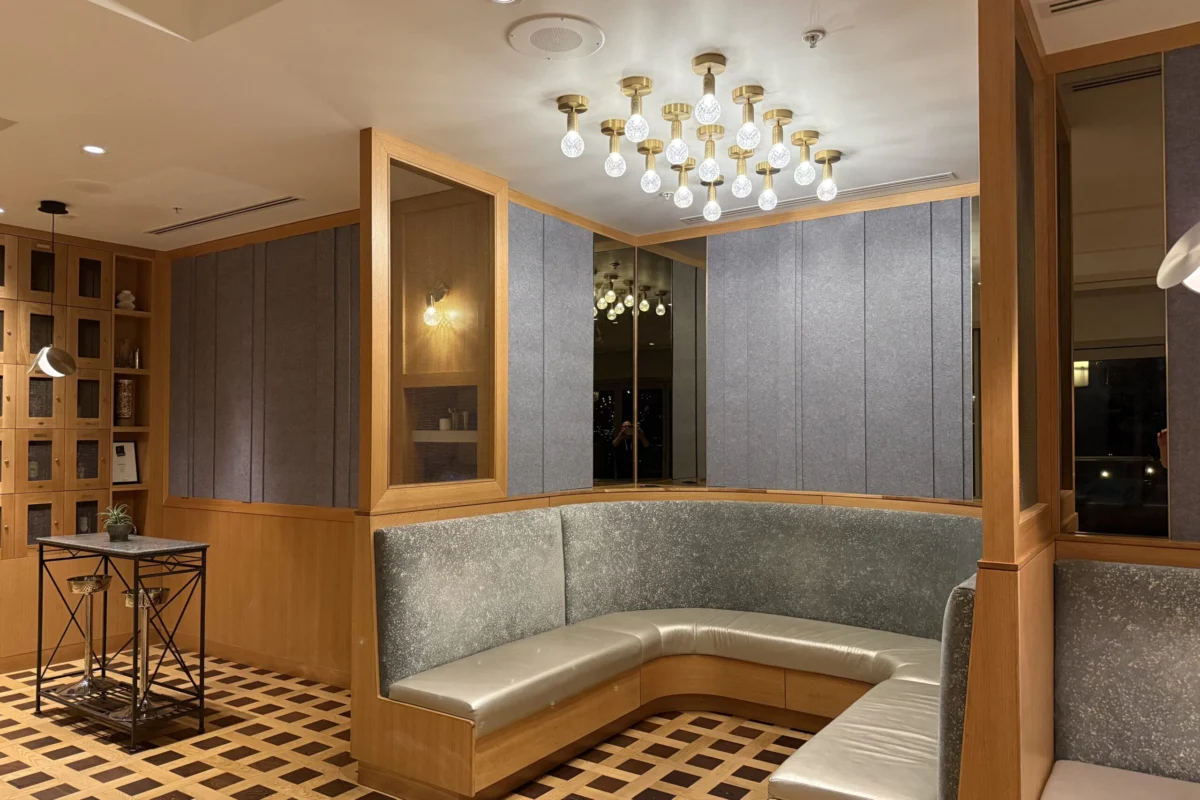
Products such as Primacoustic’s EcoScapes Contour Panels leverage this material to turn functional acoustic barriers into sophisticated, three-dimensional feature walls and ceiling clouds. Instead of functioning as intrusive, utilitarian afterthoughts slapped onto a finished room, these carved surfaces integrate seamlessly into the architectural intent from the earliest schematic phases.
Chronology: From Remediation to Proactive Integration
To understand where modern acoustic design stands today, it is helpful to look at the timeline of how sound and space have interacted over the decades:
- The Era of Reactive Remediation (Late 20th Century): Historically, acoustics was treated as an afterthought. Buildings were constructed using hard materials for structural and aesthetic reasons. Once occupants moved in and complained about excessive noise, echo, or poor speech clarity, facility managers would scramble to fix the problem reactively—hanging heavy curtains, gluing unsightly foam squares to walls, or installing utilitarian drop-ceilings that frequently ruined the interior designer’s original vision.
- The Rise of Minimalist Modernism (Early 2000s): The architectural zeitgeist shifted heavily toward clean lines, open-concept floor plans, and industrial aesthetics featuring polished concrete, expansive glass, and minimalist drywall. While visually stunning, these spaces exacerbated acoustic challenges, proving that visual simplicity often resulted in sonic complexity.
- The Sustainable Material Boom (2010s): The architectural industry began prioritizing sustainability, leading to the adoption of recycled polymers and eco-friendly textiles. PET felt panels entered the market, initially valued primarily for their green credentials and basic sound absorption capabilities, though often restricted to simple, flat-panel wall applications.
- The Proactive Era of Integrated Texture (Present Day): Today, advancements in precision CNC routing, custom carving software, and multi-axis cutting technologies have unlocked the full design potential of PET. Acoustics and aesthetics are no longer sequential steps; they are conceptualized simultaneously at the drawing board. Materials like Contour panels allow designers to weave complex visual rhythms, shadows, and brand identities directly into the sound-absorbing fabric of the building from day one.
Supporting Data and Material Science: The Physics of Texture
The relationship between surface texture and acoustic comfort is rooted in the fundamental physics of wave mechanics. When a sound wave encounters a flat, impenetrable surface, it reflects cleanly—much like a beam of light hitting a mirror. This creates standing waves, flutter echoes, and a high noise-criteria rating that forces occupants to speak louder just to be heard (known as the Lombard effect).
Textured surfaces disrupt this cycle. By introducing variable depths, angles, and carved contours, sound waves hitting the wall are diffused. High-frequency sounds are trapped and converted into minute amounts of heat energy within the porous matrix of the PET fibers, while mid-to-low frequencies are scattered, smoothing out the room’s impulse response.
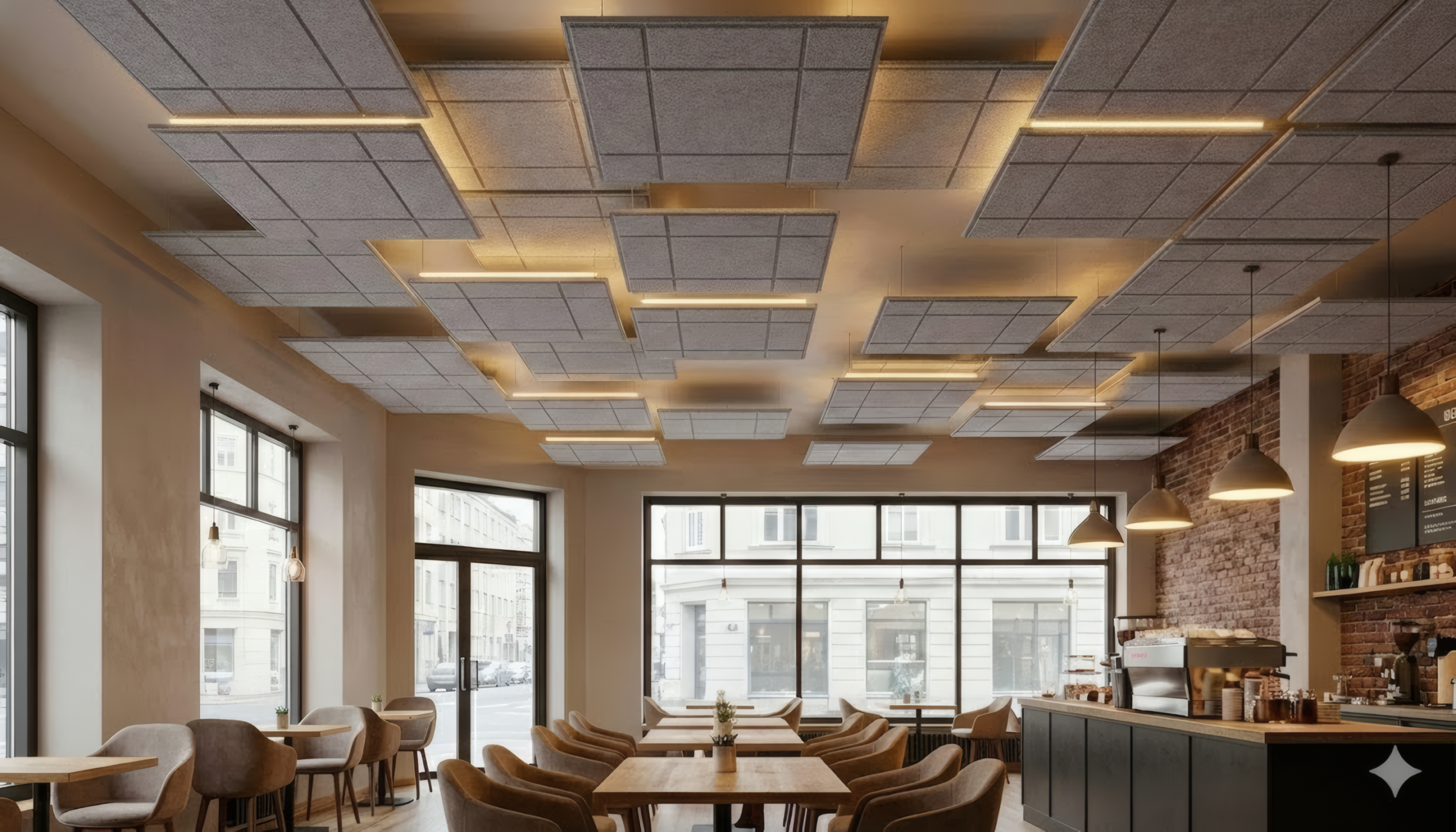
Performance Metrics of PET Acoustic Solutions:
- NRC Ratings: High-density PET acoustic panels typically achieve Noise Reduction Coefficients (NRC) ranging from 0.75 to 0.95, meaning they absorb up to 95% of the sound energy that strikes them, depending on thickness and mounting depth.
- Sustainability Footprint: Modern architectural PET panels are frequently manufactured from up to 60% to 100% post-consumer recycled content (primarily single-use plastic water bottles), diverting massive volumes of waste from landfills.
- Design Flexibility: Unlike traditional fiberglass insulation or foam panels that require fabric wrapping and fragile edges, rigid PET can be routed, beveled, and carved down to millimeter precision without losing its structural integrity or shedding fibers.
Official Perspectives: The Mindset of Intentional Composition
Leading voices in architectural acoustics and interior design are increasingly advocating for a holistic approach, comparing the design of a room to the orchestration of a musical piece.
"How we perceive a space often depends on the depth of its design," notes architectural design literature from acoustic innovators. "Like a piece of music, the design of a space can be said to be an intentional composition, with a beat, a tempo, and harmonious elements that work together to evoke an emotional response to those who experience it. In design, the textures used are similar to the instruments chosen for a piece of music, and are critical to achieving the desired result."
Design experts emphasize that treating walls as active design canvases eliminates the friction between engineering requirements and artistic vision. Instead of relying on clutter—such as decorative wall hangings, framed posters, or supplemental acoustic baffles added haphazardly after construction—carved surface treatments allow the room’s structural boundaries to express personality, brand identity, and spatial rhythm natively.
"Contour panels are a multi-purpose solution for addressing acoustic and design issues," industry specialists explain. They enable designers to "add depth, manipulate light and shadow to establish a specific beat or visual rhythm, and transform standard two-dimensional surfaces into three-dimensional features that invite comment and interaction."

Implications: The Future of Human-Centric Spaces
The shift toward early-stage, texture-driven acoustic design carries profound implications for the future of commercial, educational, and corporate real estate.
1. Enhanced Cognitive Well-Being and Productivity
In open-plan offices, boardrooms, educational facilities, and healthcare environments, excessive noise is more than an annoyance—it is a physiological stressor. Chronic exposure to high reverberation times raises cortisol levels, impairs memory retention, and reduces productivity. By integrating high-performance diffusing and absorbing textures early in the design cycle, architects can engineer environments that foster deep focus, calm communication, and reduced mental fatigue.
2. Streamlined Construction and Cost Efficiency
Retrofitting a completed building for sound control is notoriously expensive and disruptive. It often requires tearing down drywall, installing secondary partition systems, or commissioning custom fabric panels. By planning for carved acoustic panels during the initial architectural layout, project teams save considerable time and capital, avoiding the need for remedial fixes that compromise the original design intent.
3. The Marriage of Sustainability and Luxury
As corporate ESG (Environmental, Social, and Governance) targets tighten, clients demand building materials that are environmentally responsible without sacrificing luxury. High-end carved PET panels prove that recycled waste can be elevated into bespoke, architectural art pieces. Whether shaping corporate boardrooms with subtle, brand-specific topographic wall carvings or designing vibrant, tactile learning environments for children, the medium proves that sustainability can be exquisitely refined.
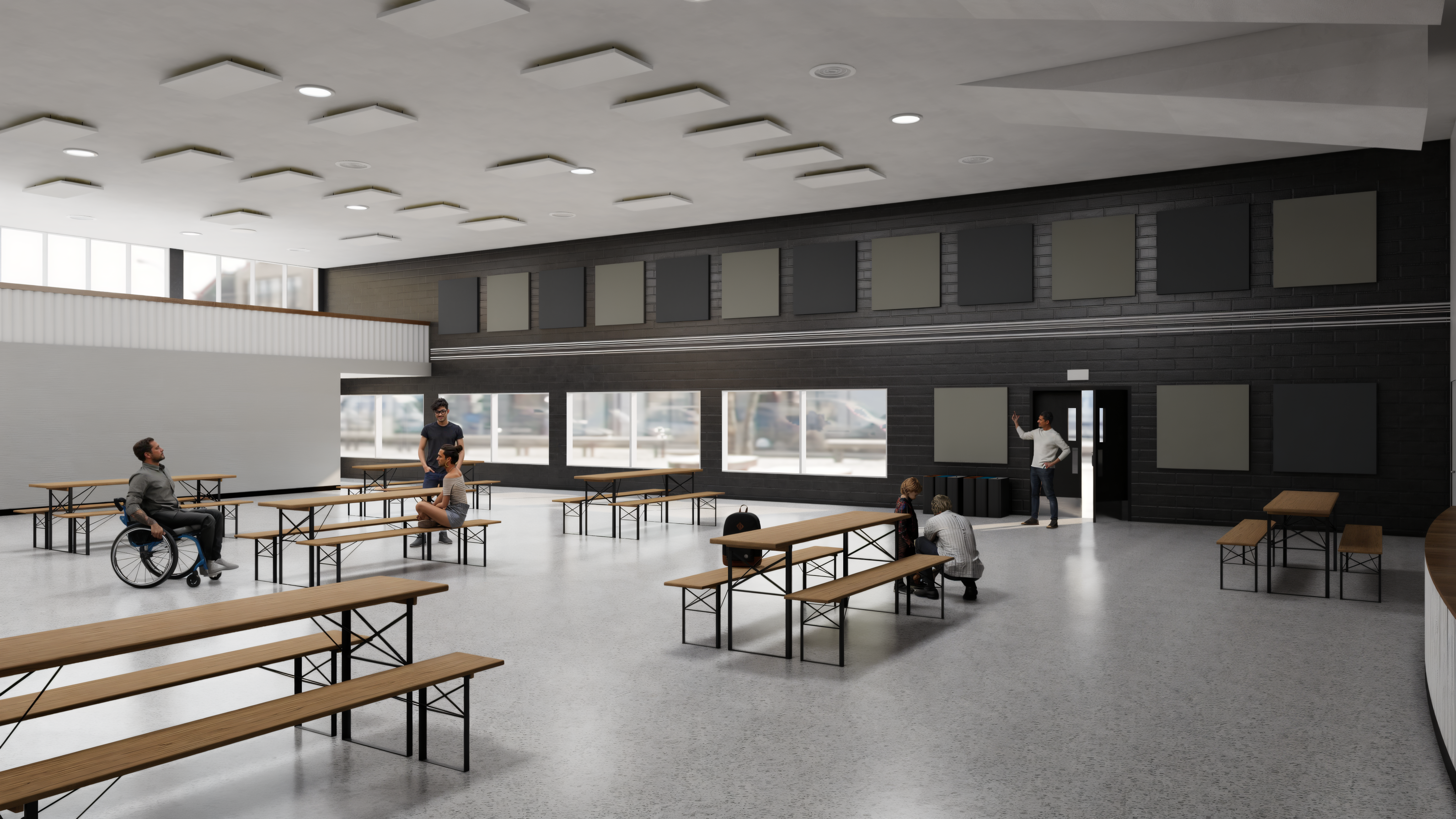
Conclusion: Spaces That Look Good and Feel Right
Ultimately, the resurgence of texture in architectural design is a reminder that human beings are sensory creatures. We do not just look at spaces with our eyes; we experience them with our entire bodies—our ears catching the bounce of a voice, our minds registering the visual harmony of light and shadow, and our tactile senses craving depth over flat monotony.
By recognizing that acoustic comfort is just as critical to human experience as visual aesthetics, modern design is entering a more mature, integrated phase. Just as a musical masterpiece requires careful consideration of every instrument, tempo, and harmony from the very first movement, the spaces we inhabit every day demand a composition where sound and surface sing in perfect unison.