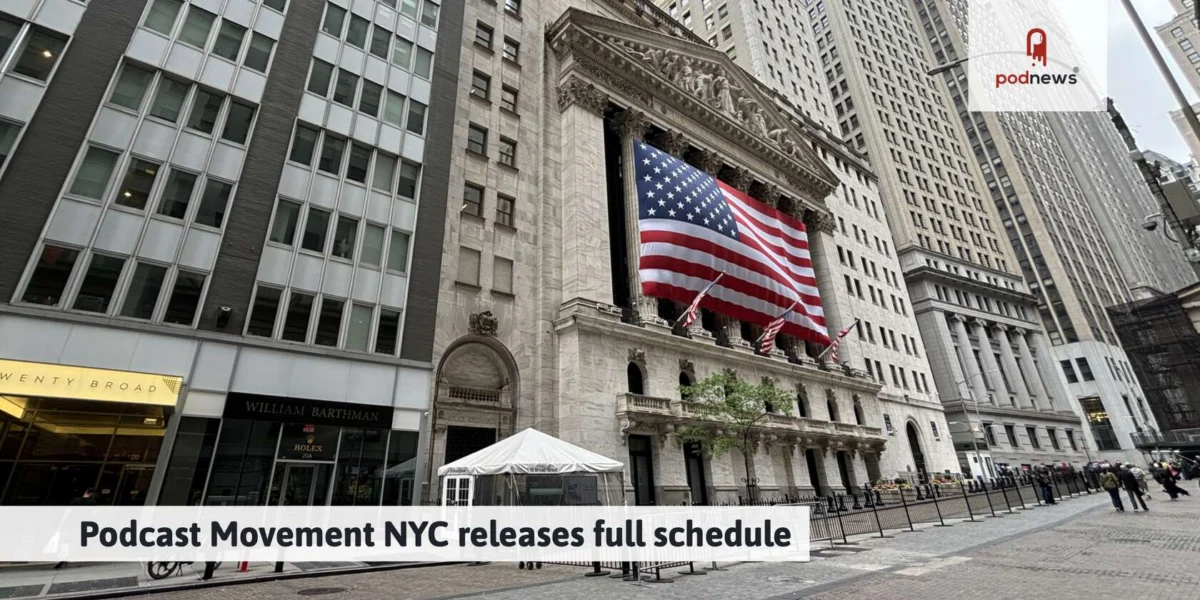
The podcasting landscape continues to undergo a period of rapid professionalization and diversification. As industry leaders congregate for major summits—most notably the upcoming Podcast Movement in New York City—the medium is proving its resilience not just as an entertainment vehicle, but as a critical platform for investigative journalism, educational discourse, and real-time cultural analysis. From the high-stakes world of investigative true crime to the tech-focused musings of startup founders, the industry is currently defined by a push toward deeper narrative quality and data-driven engagement.
Main Facts: A Diverse Content Landscape
This week, the audio ecosystem has seen a flurry of activity, ranging from major network releases to community-driven projects. The common thread among these releases is the commitment to high-production value and the exploration of complex subject matter.

Investigative Journalism: Fault Line: Haditha
Perhaps the most significant release this week is iHeartPodcasts’ Fault Line: Haditha. Directed by Academy Award-nominated filmmaker Michael Epstein, this investigative series reopens the dark chapter of the 2005 Haditha massacre in Iraq, where 24 civilians were killed by U.S. Marines. For two decades, the incident has been shrouded in ambiguity and allegations of a government cover-up. The podcast promises to dismantle these layers, offering a definitive account that challenges the narrative established in the mid-2000s.
Cultural and Historical Commentary
The medium is also serving as a bridge to cultural history. Call ‘Em Like Museum, hosted by Eric Johnson, makes its debut with a focus on the role of museums in modern society. By interrogating the evolution of public perception regarding institutions like the Smithsonian—and exploring the strange history of the Mona Lisa—the show positions itself as a scholarly yet accessible entry into the world of cultural preservation.

Niche Narratives and Community Building
Content creators are increasingly leaning into specific niches. Toy Heart, hosted by CBC’s Tom Power, has garnered attention for its deep dive into bluegrass music. A recent episode featuring Billy Strings—recorded live at the IBMA World of Bluegrass—offers a raw look at the intersection of poverty, addiction, and musical survival. Similarly, Code Story has returned for its 13th season, addressing the "AI token winter" with insights from tech leaders like Dave Garcia, underscoring that podcasts have become the primary lecture hall for the modern tech workforce.
Chronology: The Evolution of Recent Releases
The timeline of this week’s audio landscape reflects a concerted effort by networks and independent creators to capture listener attention through diverse formats:

- Early Week (Launch Phase): The release of Fault Line: Haditha and Call ‘Em Like Museum set a serious tone for the week, prioritizing long-form investigative and historical content.
- Mid-Week (Engagement Phase): The release of the Toy Heart episode with Billy Strings demonstrated the power of "live-to-tape" event podcasting, drawing in listeners interested in the personal stories behind musical legends.
- Late Week (Future Planning): The focus shifted toward upcoming projects, most notably the crowdfunding campaign for Season 2 of I Need A Miracle. Writers Ella Watts and Naomi Clarke, along with a team of experimental storytellers, have set an October 1st deadline to secure production funding, highlighting the ongoing reliance on direct listener support for high-concept audio fiction.
Supporting Data: Global Listening Trends
Data remains the lifeblood of the podcasting industry. While content is king, discovery remains the primary challenge. Current metrics from Apple Podcasts and Spotify reveal a clear picture of what is dominating the global charts:
The Dominance of Daily News
The Daily continues to maintain its stronghold as the #1 podcast on Apple Podcasts in the United States, proving that daily news briefings remain the anchor of the podcasting habit for millions of listeners.

Spotify’s Genre Leadership
On the Spotify platform, The Rest Is Science has secured the #1 position in the Science category in the United Kingdom. This aligns with a broader trend of "smart audio"—programs that focus on intellectual enrichment and evidence-based analysis—gaining significant market share.
Regional Disruptions
The Irish market has shown interesting volatility this week. Riffology: Iconic Rock Albums has recorded the "Biggest Gain" in the Music History category, while the non-profit podcast Skattaspjallið has debuted as the "Highest New Entry." These shifts suggest that regional markets are increasingly sensitive to high-quality, localized, or niche-specific content, even in smaller geographic territories.

Official Responses and Industry Perspectives
The upcoming Podcast Movement in New York City is being framed as the definitive "town square" for the industry. As the sector matures, the conversation has moved away from simple growth metrics and toward the "Tips and Tricks" of long-term sustainability.
Industry analysts point out that the "AI token winter" mentioned by guests on Code Story acts as a metaphor for the broader tech-adjacent audio space: the era of "easy growth" has ended, and the era of "value-based retention" has begun. For creators like Ella Watts, the strategy is clear: bypass the traditional gatekeepers by leveraging community crowdfunding. This shift toward direct-to-consumer financial models (as seen with I Need A Miracle) is becoming the standard response to the volatility of ad-supported revenue models.

Furthermore, the investigative rigor displayed in Fault Line: Haditha signals a move back toward "prestige audio." Networks are investing heavily in documentary-style series, recognizing that while daily talk shows provide the baseline traffic, it is the deeply reported, multi-episode narratives that build brand loyalty and win critical acclaim.
Implications: Where the Industry Goes from Here
The implications of this week’s news are threefold:

1. The Professionalization of Investigative Podcasting
With major filmmakers like Michael Epstein entering the space, the production standards for investigative podcasts are reaching parity with premium streaming television. This creates a higher barrier to entry but ensures that the medium remains a serious contender for cultural influence.
2. The Resilience of Community-Backed Fiction
The reliance on crowdfunding for scripted audio—as seen in the I Need A Miracle production—indicates that while the "podcast bubble" has burst in terms of venture capital, the "creator economy" remains robust. Audiences are proving willing to pay for content they find essential or deeply engaging, provided the creators are transparent about their goals.

3. The "Museumification" of Cultural Content
The success of shows like Call ‘Em Like Museum and Toy Heart suggests that listeners are increasingly using podcasts to "curate" their own educations. Rather than passively consuming news, listeners are actively seeking out niche expertise on topics ranging from history to musicology. This creates a fertile ground for creators who can position themselves as authorities in specific, non-mainstream domains.
4. Data-Driven Strategy
The dominance of The Daily and The Rest Is Science serves as a reminder to the industry that consistency and high-quality utility are the two most reliable ways to stay at the top of the charts. As we move into the final quarter of the year, the industry will likely see a further consolidation of listeners around "trusted" brands that provide daily value or high-effort investigative journalism.

Conclusion
The state of podcasting in late 2025 is defined by a return to substance. As the industry gathers in New York for Podcast Movement, the message is clear: the experimental phase of the medium is over. We have entered a stage of maturity where investigative depth, community-funded narratives, and data-backed content strategies are no longer optional—they are the requirements for success.
As listeners continue to refine their habits, opting for programs that either save their sanity (like Family Road Trip Trivia) or expand their intellectual horizons (like The Rest Is Science), the producers who can successfully navigate this balance between entertainment and information will lead the next generation of audio. The industry is no longer just "podcasting"—it is the new frontier of global storytelling.