In the ever-evolving landscape of high-fidelity personal audio, Softears has cultivated a reputation for pushing the boundaries of what single dynamic driver (DD) configurations can achieve. With their latest offering, the Softears EDGE, the company pivots toward a design philosophy that marries industrial aesthetics with sophisticated fluid dynamics. Priced at $499.00, the EDGE is not merely an earphone; it is a statement piece, blending the tactile charm of classic photography gear with an 11mm “labyrinth-structured” driver designed to redefine bass response in the audiophile segment.
Main Facts: The Anatomy of the EDGE
The Softears EDGE is a universal in-ear monitor (IEM) defined by its unique approach to resonance control. At its heart lies a custom-tuned 11mm dynamic driver—a size choice that offers a notable surface area advantage over the industry-standard 10mm drivers found in many competing models.
Technical Specifications
- Driver Configuration: 11mm single dynamic driver.
- Impedance: 16Ω.
- Sensitivity: 128 dB/Vrms (~113 dB/mW @ 32Ω).
- Shell Material: CNC-machined titanium alloy.
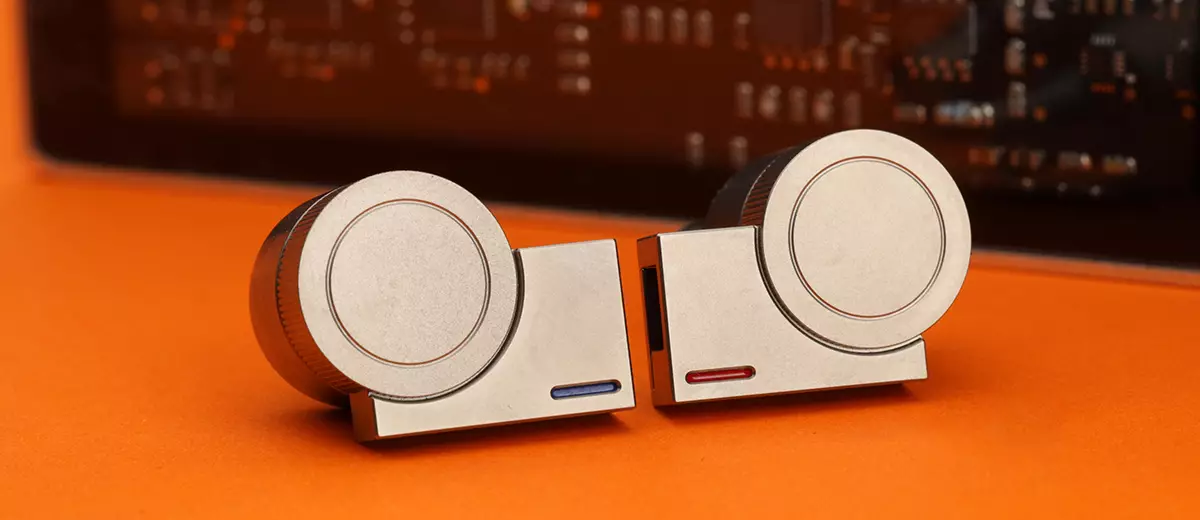
- Design Inspiration: Sigma BF camera.
The standout feature is the internal "labyrinth" acoustic structure. Much like the iconic bass-loading tubes found in high-end Bowers & Wilkins Nautilus speakers, this system allows the back wave of the driver to spiral outward, effectively absorbing unwanted low-to-mid frequency reflections. This results in a cleaner, more controlled output that prevents the typical muddiness often associated with high-bass IEMs.
Chronology of Development and Design
The development of the EDGE follows a lineage of Softears’ experimentation with form and function. While the company previously garnered acclaim for the unusual shell geometry of the Twilight and the hybrid versatility of the Volume S, the EDGE represents a shift toward a more industrial, intentional aesthetic.

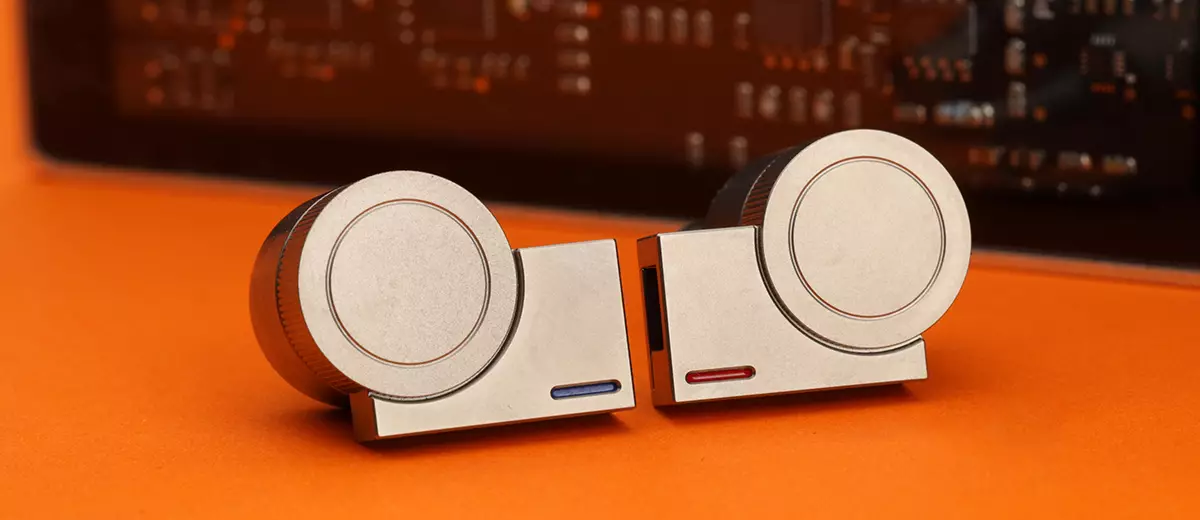
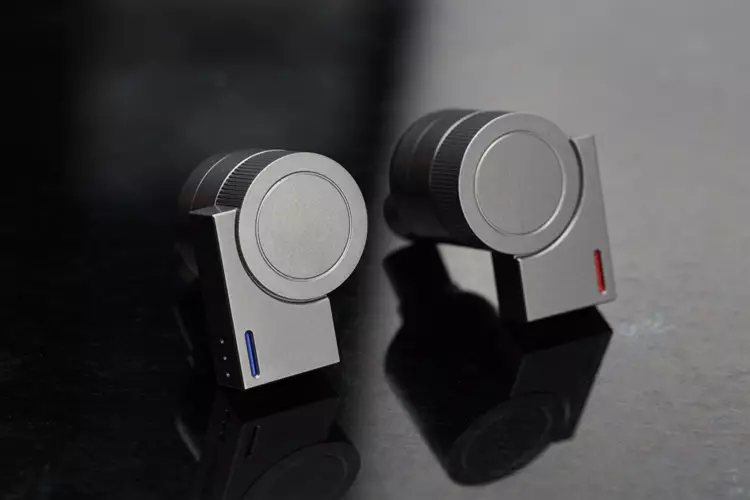
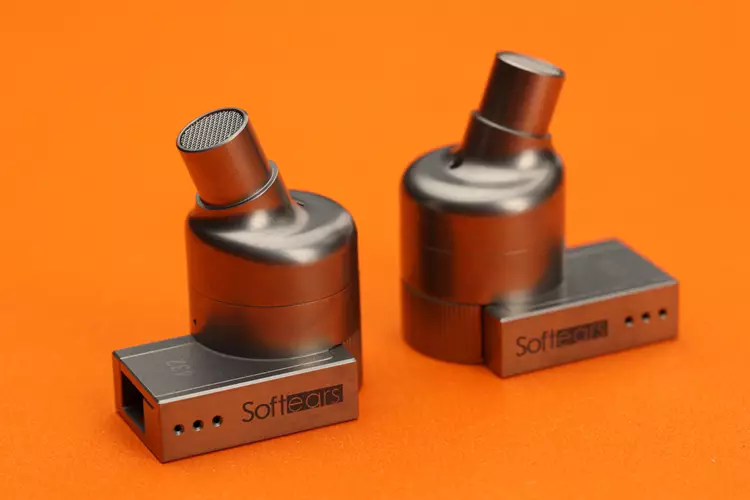
The design team drew direct inspiration from the Sigma BF camera. For enthusiasts of photography, the resemblance is immediately apparent: the EDGE features a rectangular chassis with a circular "lens mount" that houses the driver assembly. The shell is constructed from three distinct, glued CNC-machined titanium parts, showcasing a level of build quality that justifies its premium price point. The inclusion of an advanced pressure-relief system further demonstrates an iterative design process aimed at eliminating the fatigue-inducing air pressure buildup common in sealed IEMs.
Supporting Data: Acoustic Performance and Measurements
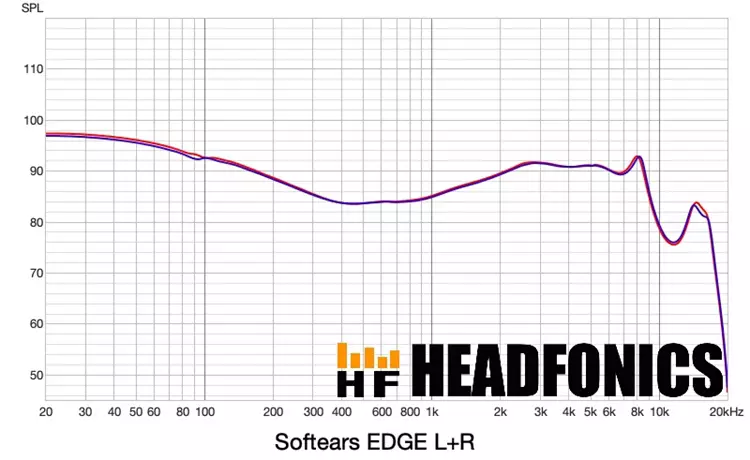
During extensive testing, the EDGE demonstrated a level of channel matching that is exemplary for this price bracket, with near-perfect symmetry across the frequency spectrum.

The Sound Signature
Contrary to initial expectations—often derived from marketing materials that emphasize "bassy" output—the EDGE does not suffer from bloat. Instead, it presents a masterfully executed V-shaped signature.
- Sub-bass: The labyrinth structure allows for a profound, subwoofer-like depth that remains isolated from the lower midrange.
- Midrange: A deliberate, moderate dip in the lower mids ensures that vocals remain clear and free of "bleed," while the upper midrange maintains enough forward presence to keep the sound engaging.
- Treble: The treble is exceptionally airy and smooth, avoiding the harshness that often plagues V-shaped tunings.
When analyzed, the "8 kHz peak" noted in some measurements appears to be an artifact of the insertion depth rather than a driver characteristic, confirming that the listener experiences a natural, fatigue-free high-frequency extension.
Comfort and Practicality
The ergonomic design, despite its angular appearance, feels surprisingly lightweight at 7.6 grams. The 5.6mm nozzle diameter, paired with a selection of high-quality ear tips, allows for long-term comfort. The isolation is intentionally tuned to be "average," allowing the user to maintain environmental awareness during commutes or outdoor walks—a practical touch for a daily-driver piece of equipment.
Official Stance and Market Positioning
Softears has positioned the EDGE as an audiophile-grade tool for those who crave the visceral impact of deep bass without sacrificing the transparency of a high-end monitor. By utilizing a single dynamic driver, the company has managed to bypass the phase-coherence issues that can occasionally afflict hybrid setups (those mixing BA, EST, and DD drivers).
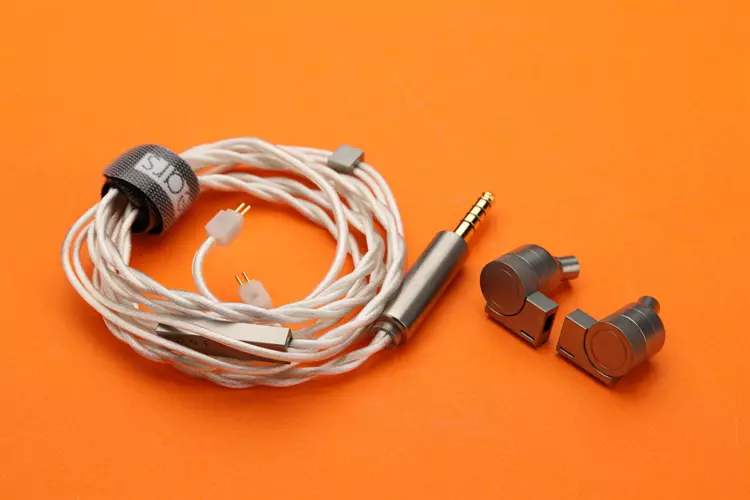
The stock cable, a 7N high-purity rotary-forged OCC core with silver plating, reflects the company’s commitment to high-quality signal transmission. While the use of plastic 2-pin connectors is a minor deviation from the otherwise all-metal build, the inclusion of a 4.4mm balanced termination signals that this product is intended for use with modern, high-power sources like the iBasso DC-Elite or the FiiO M15S.
Implications: The Future of Single-Driver IEMs
The EDGE effectively challenges the notion that complex, multi-driver arrays are the only path to high-fidelity sound. By focusing on the physics of sound reflection and shell resonance, Softears has created a product that feels less like a gadget and more like a precision instrument.
The Trade-offs
It is important to note where the EDGE sits in the broader market. While its soundstage is expansive—largely due to the recessed midrange—the imaging is slightly more diffuse than one might find in an ultra-analytical, multi-driver monitor. For the listener who values "immediacy" and pinpoint accuracy above all else, the EDGE’s laid-back, holographic presentation may take some adjustment. However, for the listener who values immersion and "musical engagement," the trade-off is more than worthwhile.
Final Assessment
The Softears EDGE stands as a testament to the fact that with enough engineering ingenuity, a single dynamic driver can be tuned to satisfy even the most discerning ears. It avoids the common pitfalls of "bass-heavy" marketing by ensuring that the bass is not just loud, but fast, clean, and textured.
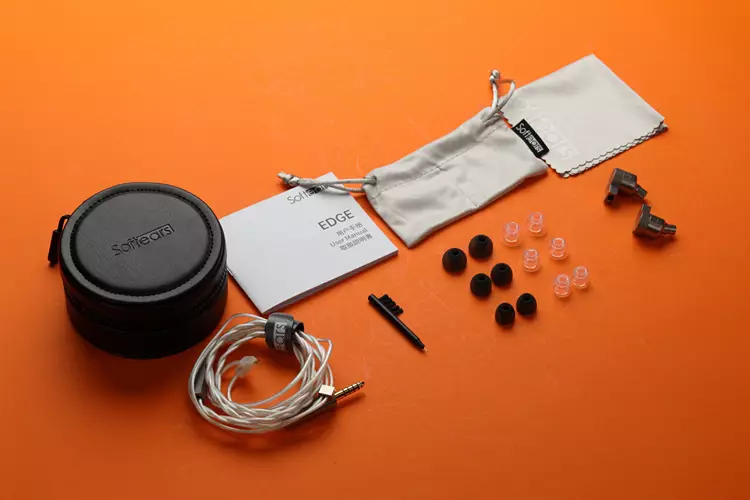
For audiophiles considering their next investment, the EDGE offers a unique combination of:
- Industrial Aesthetic: A rare, camera-inspired design that stands out in a sea of generic resin shells.
- Engineering Integrity: The labyrinth acoustic structure is a genuine innovation that delivers tangible sonic benefits.
- Versatility: With its comfortable fit and engaging, V-shaped signature, it is a versatile performer capable of handling everything from bass-heavy electronic tracks to delicate vocal-led acoustics.
As the market continues to flood with hybrid IEMs, the Softears EDGE acts as a refreshing reminder of the purity and potential of the single dynamic driver. It is, quite simply, one of the most coherent and enjoyable listening experiences currently available at the $500 price point.
Disclaimer: This sample was provided to Headfonics for an honest review. Headfonics operates as an independent publication with no affiliate links or service agreements. The opinions expressed herein are those of the reviewer.