"We wouldn’t teach reading in a classroom without lights. Why then do we teach in acoustical darkness?"
— John Erdreich, PhD
In the modern educational landscape, we invest heavily in digital whiteboards, high-speed internet, and ergonomic furniture. Yet, we frequently overlook the most fundamental element of the learning process: the ability to hear. We operate under the assumption that once a classroom door closes, the outside world fades away, leaving a sanctuary for focused instruction. For millions of students and educators, however, that sanctuary is a myth. They are working within an "acoustical darkness" that silently sabotages academic achievement, increases teacher burnout, and complicates the lives of those with learning disabilities.
The Invisible Architecture: Defining the Problem
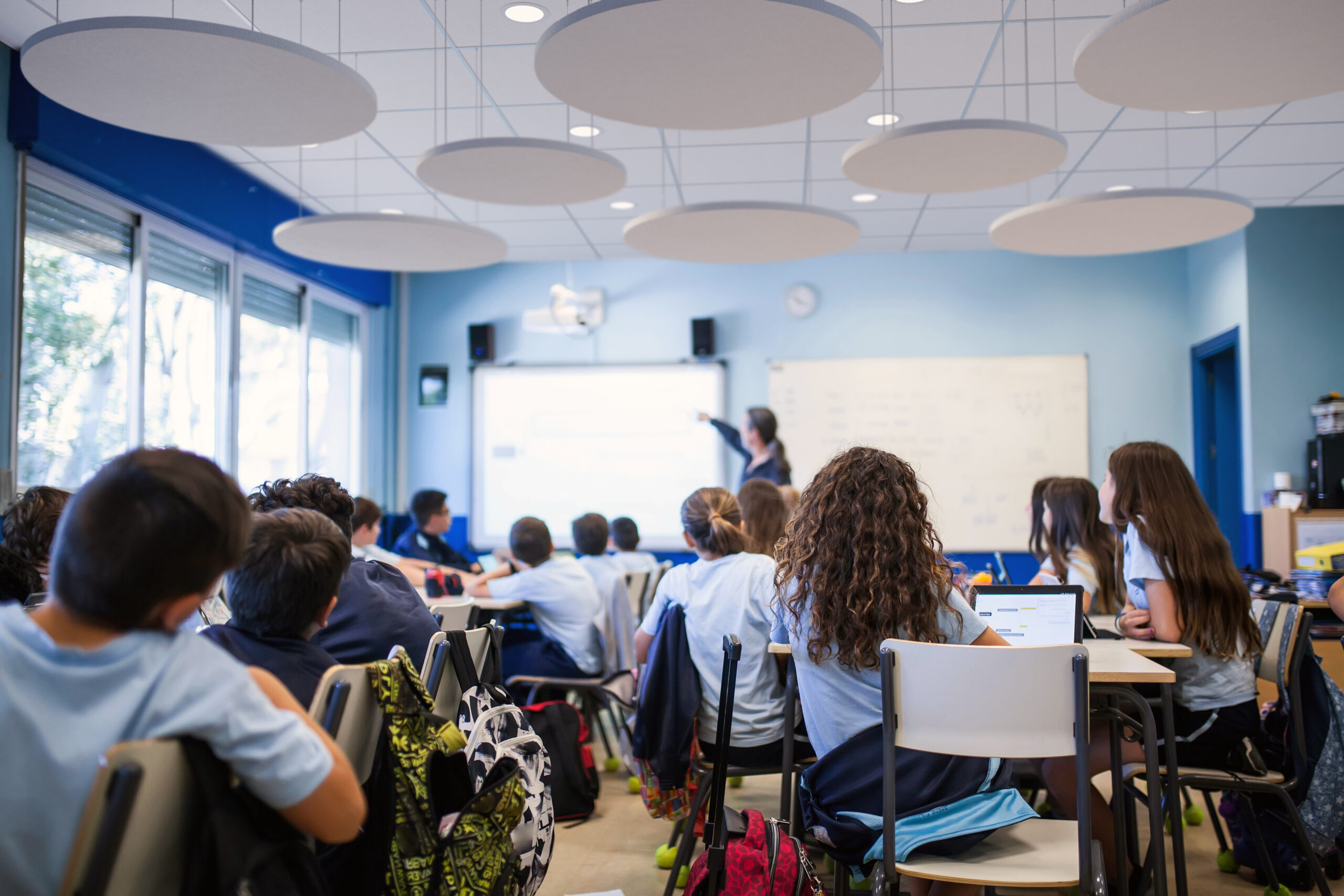
To understand the crisis in our schools, one must first recognize that sound is an architectural element. It behaves like light, reflecting off hard surfaces—windows, linoleum floors, concrete walls, and chalkboards—until it becomes a chaotic jumble of echoes. This phenomenon, known as reverberation, turns a teacher’s clear instruction into a muddy, indistinct roar.
The statistics are sobering. In a typical, untreated classroom, students can miss up to 25% of the words spoken by their teacher. When a student has to expend cognitive energy simply deciphering the sounds of a sentence, their capacity for deep learning, memory retention, and critical thinking is severely diminished. This is not merely a "noisy school" issue; it is a fundamental flaw in the design of our learning environments.
A Century of Neglect: A Chronology of Acoustic Awareness
The struggle to prioritize sound in education is not new. Researchers have been documenting the deleterious effects of noise on children for over 100 years.
- Early 20th Century: Initial studies began to emerge highlighting the correlation between quiet environments and better focus, yet these findings were largely ignored in favor of cost-cutting construction materials.
- 1990s – 2000s: The Acoustical Society of America (ASA) and the American National Standards Institute (ANSI) began formalizing guidelines, specifically targeting a reverberation time of 0.7 seconds as the gold standard for classroom intelligibility.
- 2012: The conversation gained global momentum when Julian Treasure delivered his seminal TED Talk, coining the term "the invisible architecture." He highlighted that while we design for visual aesthetics, we neglect the auditory health of our institutions.
- Present Day: Despite decades of evidence, a vast majority of schools remain "unfit for purpose." The modern trend toward open-concept learning spaces has actually exacerbated the problem, creating expansive, high-ceilinged areas where noise travels unchecked.
Supporting Data: The High Cost of Reverberation
The scientific consensus is undeniable. According to research conducted by the Acoustical Society of America, the average untreated classroom possesses a reverberation time of roughly 1.9 seconds—nearly triple the recommended standard.
The implications for student performance are profound. High reverberation levels are directly linked to:
- Lower Standardized Test Scores: When intelligibility drops, comprehension follows suit.
- Increased Stress Levels: Constant exposure to high ambient noise levels raises cortisol levels in both students and teachers, leading to heightened anxiety.
- Reduced Attention Spans: The brain, when forced to "fill in the blanks" of garbled speech, fatigues rapidly.
- Inequity in Learning: Students with Auditory Processing Disorder (APD), those who speak English as a second language, or those using hearing aids face an uphill battle. In a noisy room, these students are effectively excluded from the lesson.
The toll on teachers is equally heavy. Educators are often forced to project their voices over the ambient din of HVAC systems, external traffic, and the natural reverberation of the room. Studies suggest that teachers are 32 times more likely to suffer from vocal cord damage and chronic voice disorders than the general population. It is a professional hazard that leads to early retirement and long-term health complications.
The Myth of Electronic Amplification
Many school districts have attempted to address these issues by installing microphone and loudspeaker systems. While this allows a teacher to speak at a lower volume, it fundamentally fails to address the underlying acoustic problem.
As noted by industry experts and reinforced by ANSI guidelines, amplification in an untreated room is often counterproductive. By pumping more sound into a space filled with hard, reflective surfaces, the system increases the overall noise floor. The microphones pick up not only the teacher’s voice but also the hum of the air conditioner, the rustling of papers, and the chatter of students. The result is often a louder, more distorted environment that does little to improve speech intelligibility.

True improvement requires an architectural intervention: the management of energy, not the escalation of volume.
The Solution: Acoustic Treatment as a Pedagogical Tool
The most effective remedy is the strategic installation of acoustic panels. Unlike electronics, which require electricity and maintenance, high-quality acoustic treatment works passively, 24/7, to absorb sound waves rather than reflecting them back into the room.
By covering as little as 17% to 25% of a room’s surface area, schools can bring their reverberation times down to the recommended 0.7 seconds. This transformation is not just about quiet; it is about clarity. When the room is "tuned," the teacher’s natural voice can travel to the back of the class without effort, and students can distinguish consonants and vowels with ease.
Teachers who have worked in treated environments report a distinct shift in classroom culture: better behavior, lower stress, and a measurable increase in student participation.
Flexibility and Aesthetics: The Primacoustic Approach
At Primacoustic, we reject the notion that acoustic treatment must be a sterile, industrial-looking upgrade. We believe that educational spaces should be as inspiring as the curriculum taught within them.

Our approach is centered on "turnkey" flexibility. Recognizing that no two classrooms are identical, we offer a range of solutions that include:
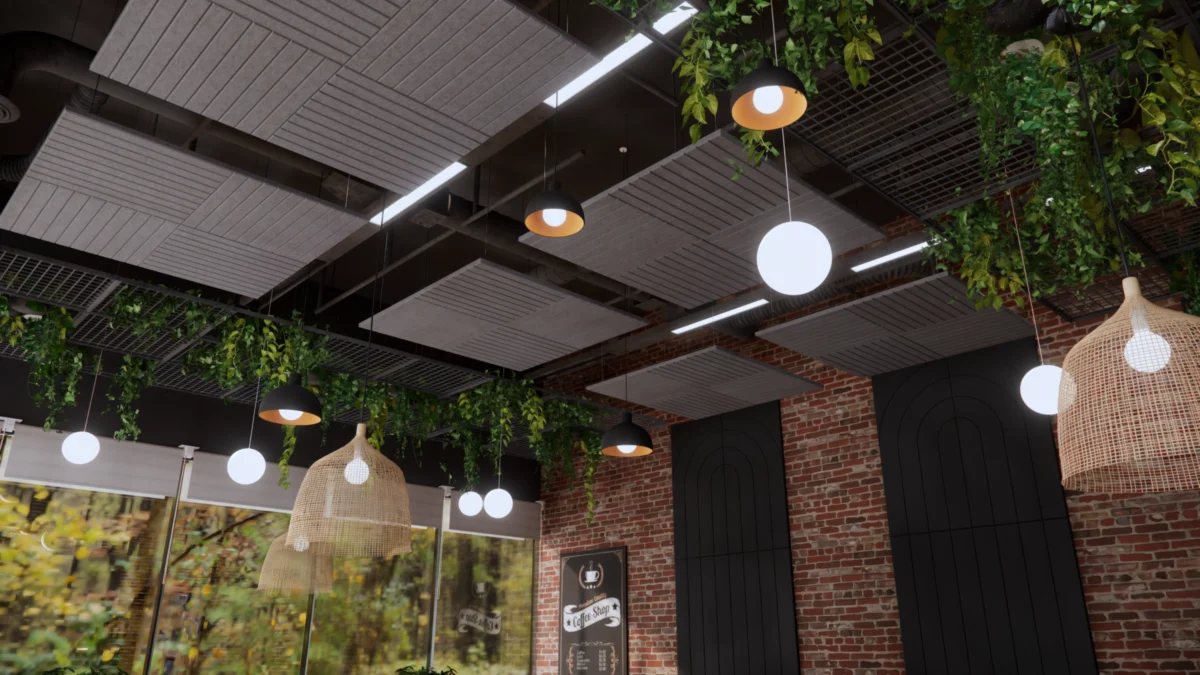
- Customization: Panels can be printed with high-resolution educational graphics, school branding, or inspiring artwork, turning functional wall treatments into visual assets.
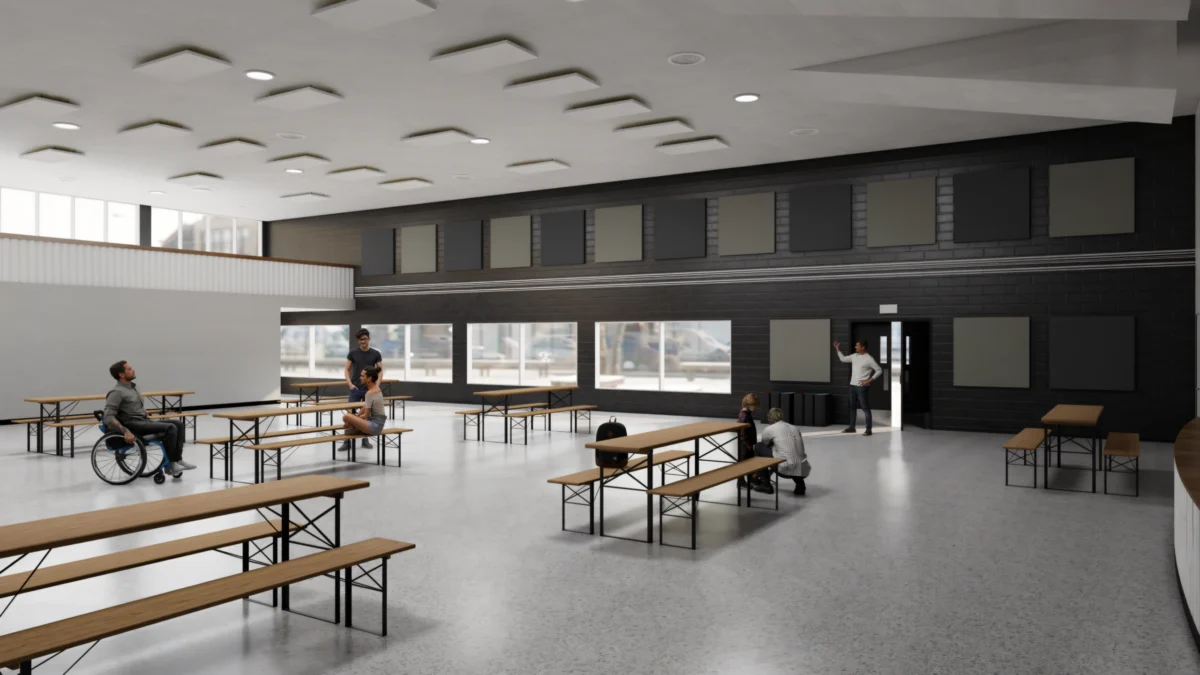
- Versatility: For rooms with limited wall space, ceiling-mounted panels or T-bar acoustic tiles can achieve the same results without sacrificing precious instruction space.
- Sustainability: We prioritize eco-friendly, durable materials that are built to last for years, ensuring that the initial investment remains effective long after installation.
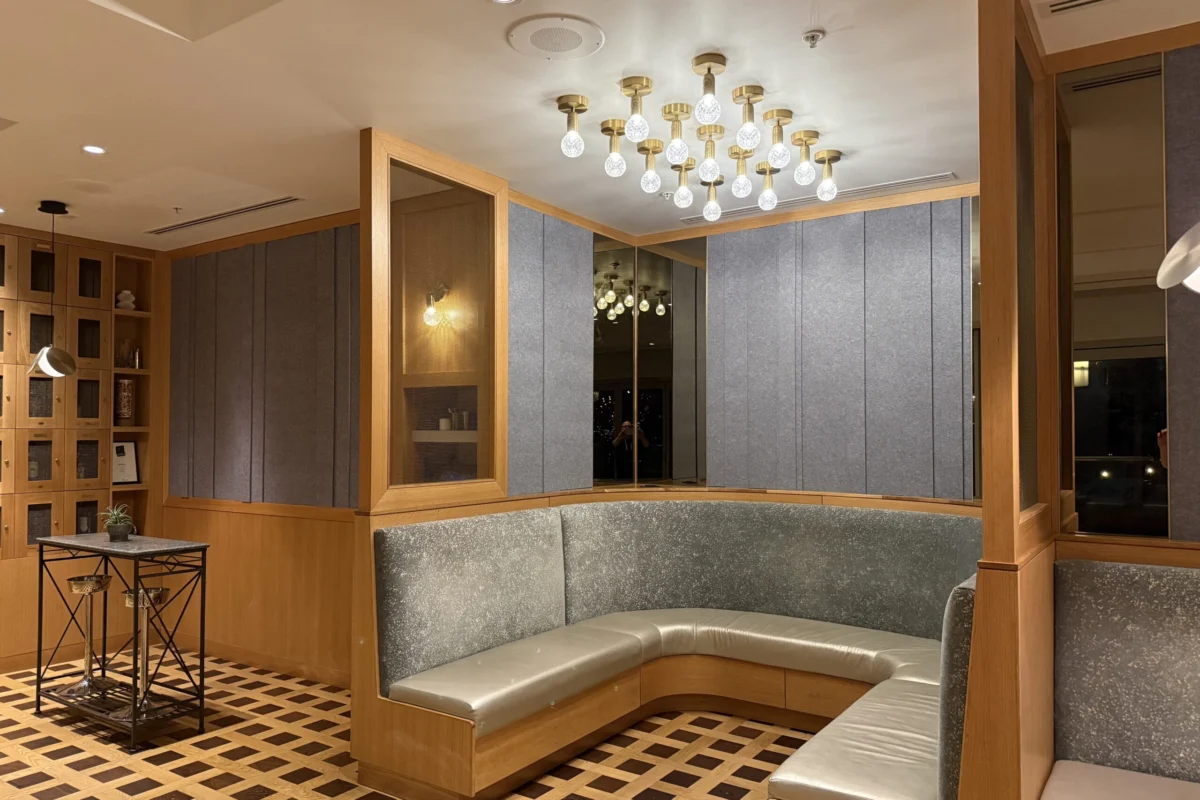
- Aesthetic Integration: With options ranging from wood-grain textures to custom fabric colors, our panels blend seamlessly into existing architectural designs, effectively "hiding" the science of sound behind a professional, modern facade.
Implications for the Future of Education
As we look toward the future of school infrastructure, the focus must shift from surface-level aesthetics to the core sensory experience of the student. The cost of inaction is high: we are losing valuable hours of instructional time, burning out our most dedicated teachers, and leaving vulnerable students behind.
By viewing acoustic treatment as a necessity rather than a luxury, school administrators can create environments that support the cognitive development of every child. It is a proactive investment in the success of the classroom.
Take the Next Step
If your school or institution is struggling with the "invisible" barrier of poor acoustics, you are not alone, and the solution is well within reach. The path to a better learning environment starts with an assessment of how your current spaces function.
At Primacoustic, our technical support teams specialize in helping educators identify the acoustic weak points in their buildings and finding cost-effective, durable, and aesthetically pleasing solutions. We are here to guide you through the process, from the initial consultation to the final installation.

It is time to clear the air—and the sound—in our classrooms.
To learn more about how you can transform your school into a space where students thrive and teachers are heard, visit Primacoustic.com. Let’s work together to ensure that every student has the clear, calm environment they need to reach their full potential.
References for Further Study: