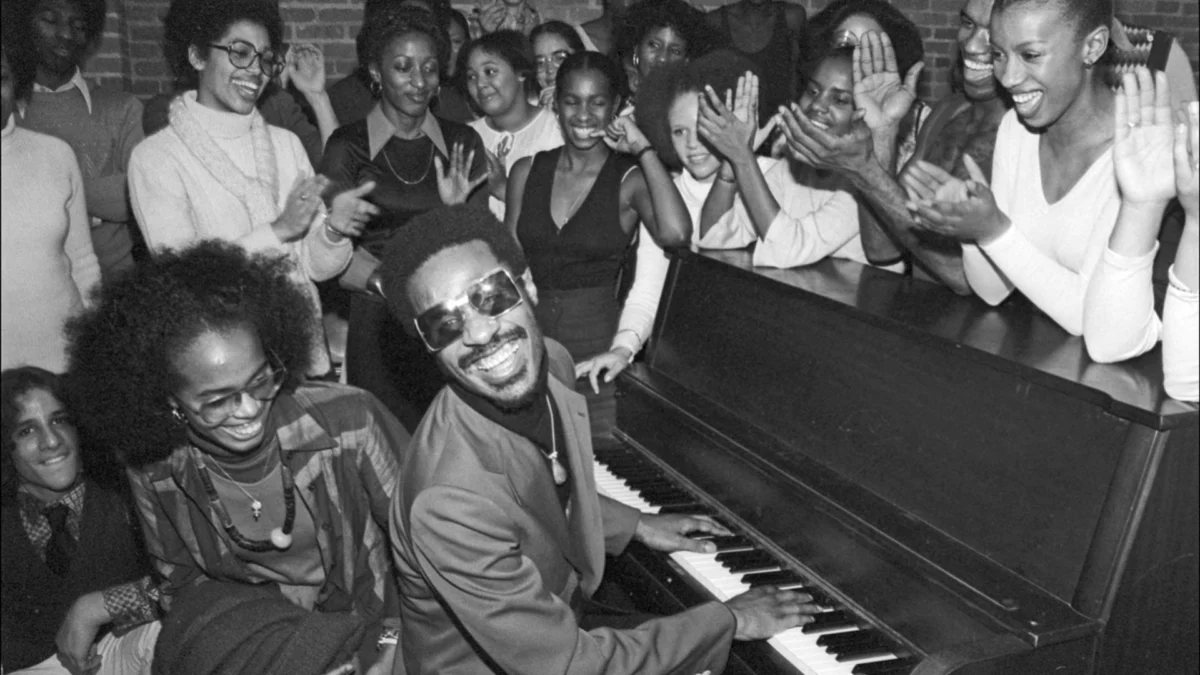
It is one of the most astonishing alternate timelines in popular music history: in the mid-1970s, a 26-year-old Stevie Wonder seriously considered walking away from the industry that had crowned him a prodigy. Having already delivered an unprecedented streak of critically acclaimed masterpieces—including Music of My Mind, Talking Book, Innervisions, and Fulfillingness’ First Finale—the artist felt burnt out by the relentless machinery of the American music business and disillusioned with societal conditions in the United States.
Discontented with what more he could accomplish within the confines of a 12-inch vinyl record, Wonder contemplated permanently emigrating to Ghana to dedicate his time and energy to working with children with disabilities. Plans for a high-profile farewell concert were already quietly moving forward when a profound shift in perspective intervened. Rather than packing his bags for West Africa, Wonder renegotiated his creative future, signing what was, at the time, the largest and most lucrative recording contract in music history with Motown.
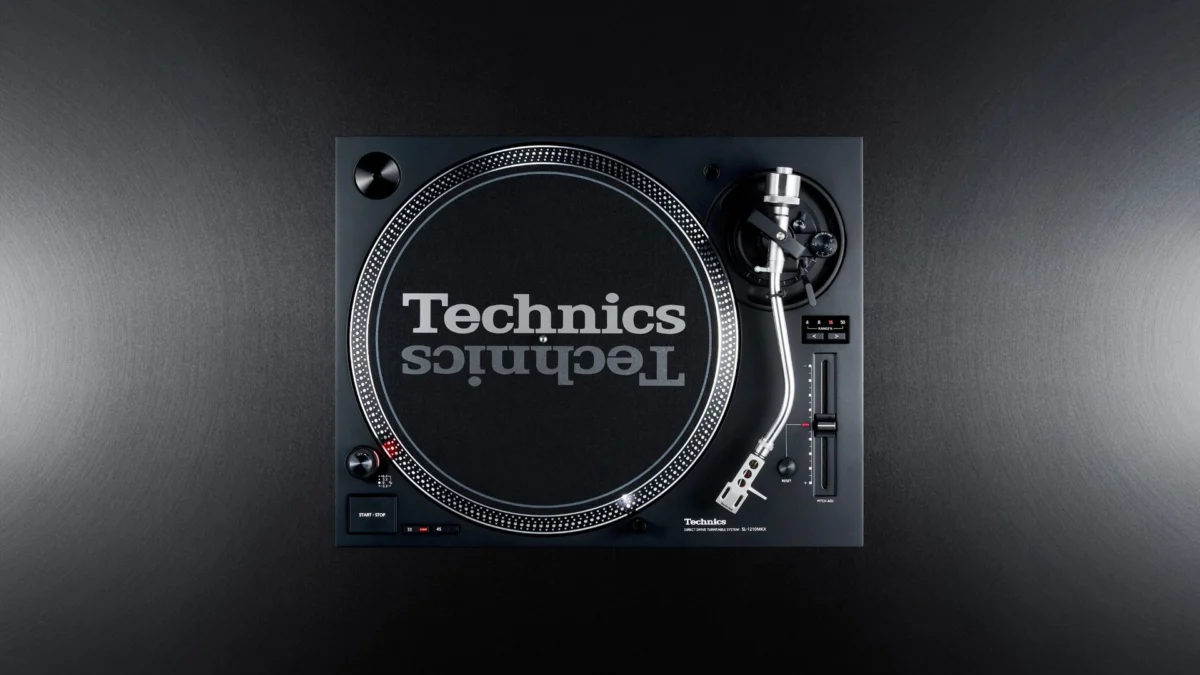
The first fruit of that historic multi-year, multi-album deal was Songs in the Key of Life. Released in September 1976, this landmark double-LP (accompanied by an exclusive four-track bonus EP, A Something’s Extra) turned half a century old, cementing its legacy not only as a cultural touchstone but as one of the ultimate sonic torture tests for high-fidelity audio equipment.
The Chronology of a Masterpiece: From Crisis to Cultural Monument
To understand the immensity of Songs in the Key of Life, one must examine the intense personal and creative crucible from which it emerged. By 1975, Stevie Wonder was operating at a level of artistic autonomy virtually unheard of for a major-label artist of that era.
1. The Disillusionment (1975)
Having gained complete creative control over his output upon turning 21 in 1971, Wonder had spent the first half of the decade pushing the boundaries of soul, funk, and electronic instrumentation (championing the pioneering use of the T.O.N.O.L.0. synthesizer and Moog systems). However, the pressure of maintaining this blistering pace—compounded by a near-fatal car crash in South Carolina in 1973 that left him in a four-day coma—left him questioning his long-term trajectory. His growing desire for humanitarian work abroad nearly robbed the world of his defining artistic statement.
2. The Historic Motown Deal and Extended Sessions (1975–1976)
Re-committed to his art following the aborted retirement plans, Wonder secured a staggering $13 million, seven-album contract with Motown—a record-shattering figure at the time that guaranteed him complete artistic freedom and an unprecedented royalty rate. Recording sessions stretched across more than two years, taking place across multiple world-class studios, including Crystal Sound in Hollywood, Record Plant in Los Angeles, and the Record Plant in New York.
3. The Release and Critical Reception (September 1976)
When Songs in the Key of Life finally hit shelves, it arrived as a massive double album complete with a heavily detailed, lyric-filled cardboard sleeve and booklet. It immediately dominated the global consciousness. It debuted at number one on the Billboard 200—becoming only the third album in history to achieve the feat—and stayed atop the charts for 14 consecutive weeks. It swept the Grammy Awards, taking home Album of the Year in 1977.
Supporting Data and Production Anatomy
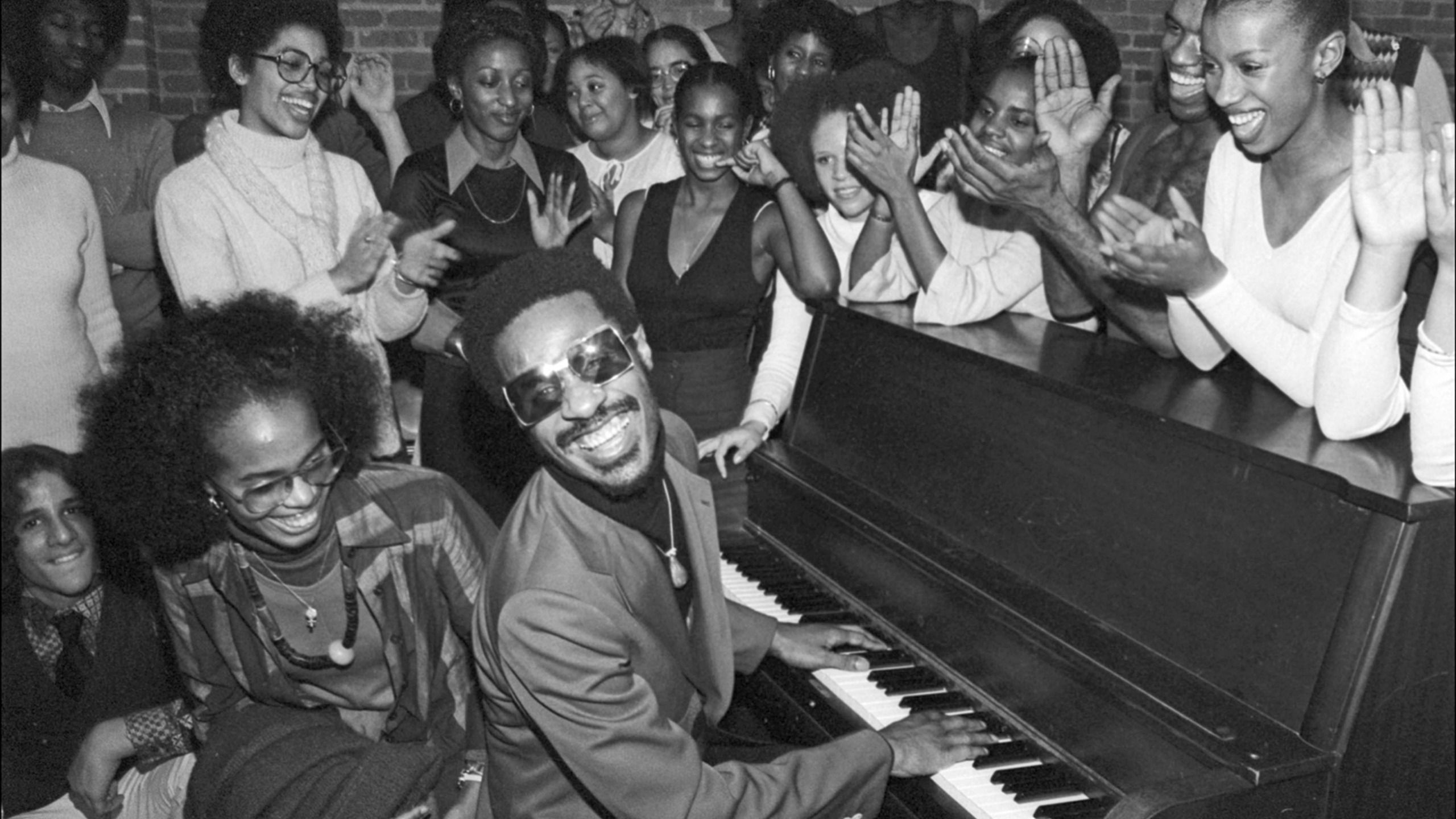
Clocking in at over 85 minutes, Songs in the Key of Life is an encyclopedic exploration of American music. It acts as a masterclass in composition, seamlessly bridging classical music arrangements, pop sensibilities, traditional ballads, blistering jazz-funk, and socially conscious R&B.
- Instrumental Virtuosity: Wonder played a staggering majority of the instruments across the double LP himself, handling keyboards, synthesizers, harmonicas, drums, and percussion, while collaborating with an elite roster of guest musicians, including jazz guitarist George Benson, Herbie Hancock, and a young a cappella group called Thedspians (which featured a future superstar named Deniece Williams).
- Commercial Longevity: The record spawned timeless, genre-defining hits. "Sir Duke" peaked at number one on both the Billboard Hot 100 and R&B singles charts, while "I Wish" mirrored that massive commercial success.
- Enduring Cultural Footprint: The album’s profound impact extends far beyond its initial chart run. Tracks like "Pastime Paradise" formed the structural and lyrical DNA for major 1990s hip-hop milestones, such as Coolio’s global smash "Gangsta’s Paradise." Meanwhile, standards like "Isn’t She Lovely"—written to celebrate the birth of his daughter, Aisha—remain ubiquitous pop culture touchstones.
Official Perspectives and Critical Reflection
Reflecting on the monumental scope of the record, music historians and audiophiles alike continue to marvel at how Wonder managed to balance blistering social commentary with unbridled joy.
In retrospective reviews, critics have frequently pointed out the album’s audacious structural choices. The record opens not with a concise, radio-friendly three-minute pop ditty, but with "Love’s In Need Of Love Today"—a lush, harmonically complex, deeply spiritual plea that stretches out across more than seven minutes.
Industry veterans and modern hi-fi enthusiasts frequently cite the transition from the bleak, dystopian portrait of urban decay in "Village Ghetto Land" to the explosive, high-octane jazz-funk fusion of "Contusion" as a masterclass in dynamic range and tonal contrast. It is precisely these sudden shifts in mood, texture, and volume that make the record an essential diagnostic tool for testing the limits of modern audio systems.
Implications for Modern Audiophiles and the Hi-Fi Community
Half a century after its creation, Songs in the Key of Life remains a vital component of any serious music lover’s library. Whether experienced on vintage analog vinyl through a warm tube amplifier or streamed via lossless high-resolution audio formats through a modern DAC and bookshelf speaker setup, the album continues to reveal micro-details that challenge playback equipment.
- Testing Musicality and Timing: Tracks like "I Wish" demand that a playback system possess exceptional rhythm, pace, and timing (PRaT) to fully capture the kinetic bounce of Wonder’s clavinet and the driving force of the rhythm section.
- Low-Frequency Control: The rolling, subterranean basslines underpinning "Pastime Paradise" require a system with robust low-frequency extension and tight control to prevent muddiness, ensuring the intricate vocal arrangements remain front and center.
- Spatial Imaging: The sprawling, multi-layered vocal harmonies found throughout the record test a system’s soundstage, separating complex backing vocals with pinpoint instrument and vocal placement.
Ultimately, the enduring legacy of Songs in the Key of Life is a testament to the resilience of its creator. Music lovers the world over can rest easy knowing that the young Stevie Wonder chose to stay in the studio rather than walk away. In doing so, he left behind an immortal blueprint of human emotion, technical brilliance, and sonic perfection that will continue to challenge and delight sound systems for generations to come.