In the hyper-competitive arena of premium home robotics, iRobot has long been the gold standard for navigation and obstacle avoidance. With the release of the Roomba Combo 10 Max + AutoWash Dock, the company is attempting to bridge the gap between its legendary smart-mapping capabilities and the "set it and forget it" convenience offered by its primary competitors. However, as the latest testing reveals, the path to the perfect 2-in-1 robot vacuum is fraught with trade-offs.
Main Facts: The Evolution of the Roomba
The Roomba Combo 10 Max+ is iRobot’s latest flagship, representing a significant shift in the company’s product philosophy. For years, iRobot intentionally avoided self-cleaning mop pads—the industry-standard feature where the dock washes the robot’s mop with fresh water and dries it—fearing that the moisture would lead to "ick" factors like odors, bacterial growth, and excessive maintenance.
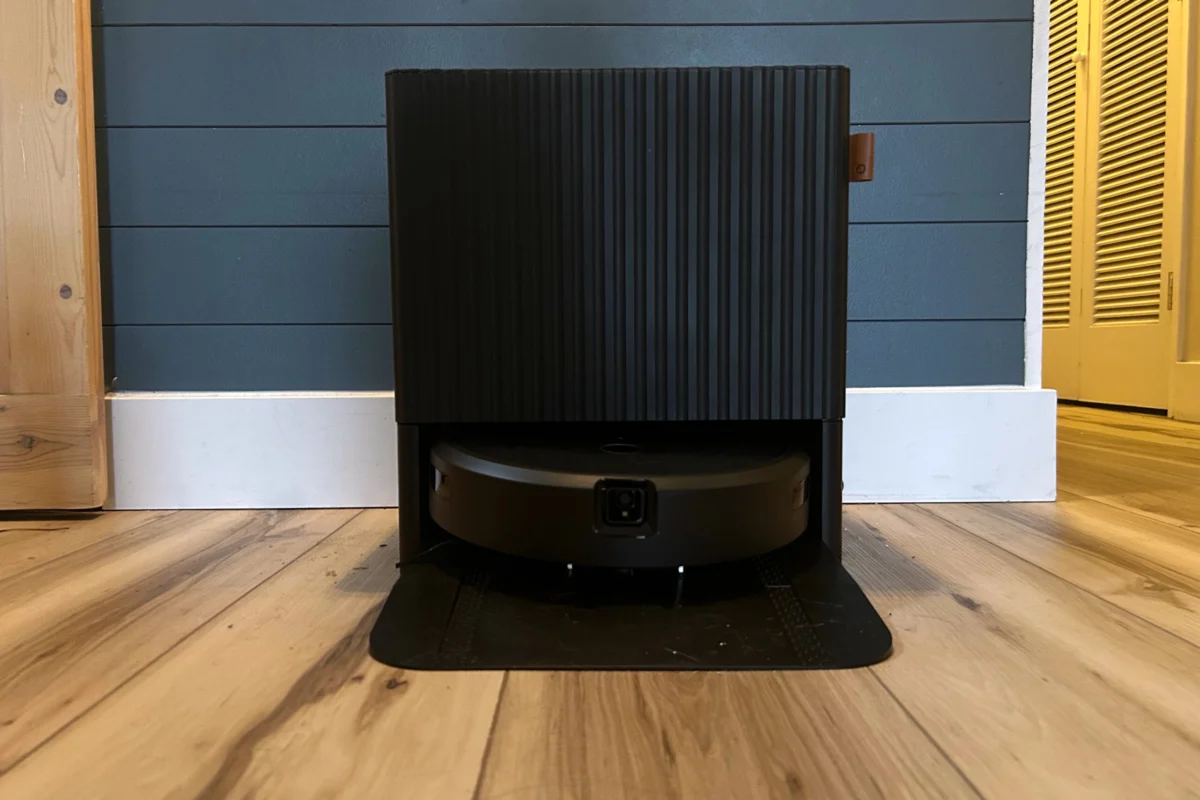
The Combo 10 Max+ finally breaks that trend. It introduces the AutoWash dock, a station that handles not only debris emptying but also the automatic washing and drying of the mop pad. Despite this, the core vacuuming and mopping performance have left critics and users questioning whether the $1,399.99 price tag is justified, especially when compared to the cleaning efficacy of earlier, more affordable models in the same lineup.

Chronology: From the J7+ to the 10 Max+
To understand the significance of the 10 Max+, one must look back at the trajectory of the iRobot "Combo" series:
- The Roomba Combo J7+ Era: This model debuted the industry-changing retractable mopping arm. By physically lifting the mop onto the top of the robot when carpet was detected, iRobot effectively solved the issue of cross-contamination between hard floors and rugs. It set a high bar for mechanical ingenuity.
- The Mid-Life Gap: Following the J7+, iRobot released the J9+ series. While it improved suction and navigation, it remained a "manual" experience for the mop; users still had to toss the dirty mop pad into the laundry after each cleaning cycle.
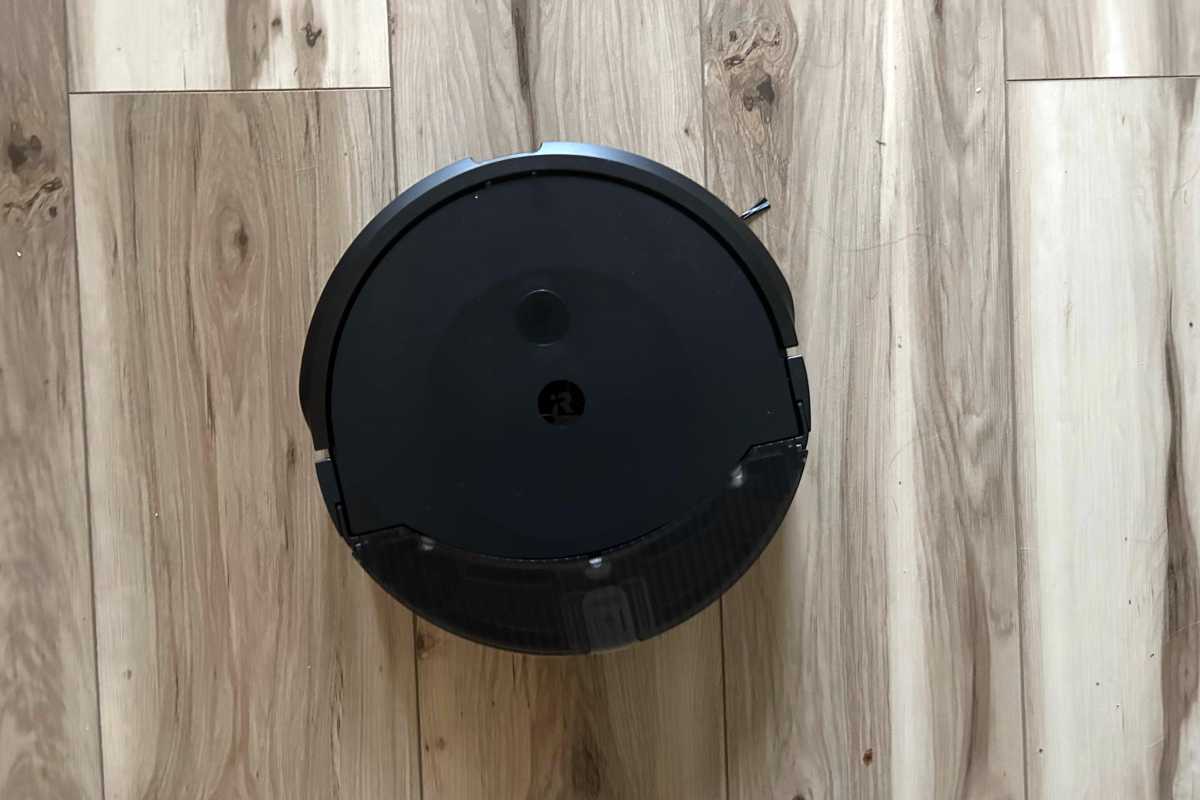
- The Present Day: The release of the Combo 10 Max+ marks the first time iRobot has fully embraced the "all-in-one" maintenance station. The transition from a sleek, bronze-accented aesthetic to a monolithic, all-black design signifies a shift toward a more modern, integrated home appliance look.
Supporting Data and Performance Metrics
The performance of the Combo 10 Max+ is a tale of two worlds: exceptional software intelligence met with mediocre physical execution.
Navigation and Software
The robot’s navigation remains its strongest asset. It maps homes up to seven times faster than its predecessors, and its integration with the iRobot Home app is as robust as ever. The "Dirt Detective" system—which prioritizes rooms based on cleaning history—is a standout feature that ensures high-traffic areas get the attention they need. Additionally, the camera-based obstacle avoidance remains best-in-class, successfully navigating around pet dishes, cables, and even tricky, low-profile items.

Cleaning Efficacy
In controlled laboratory and residential tests, the results were mixed:
- Carpet Cleaning: The robot performed admirably, picking up approximately 95% of test debris (such as rice).
- Hardwood Performance: On solid surfaces, however, the vacuum struggled, capturing only about 75% of debris and frequently scattering particles outside its intake zone.
- Mopping Tests: The most glaring weakness appeared in the "jelly test." While the robot successfully removed the bulk of the substance, it failed to neutralize the residue, leaving behind a noticeably sticky floor. This suggests that the mop-washing mechanism, while convenient, does not necessarily correlate to a superior scrub.
Hardware Specifications
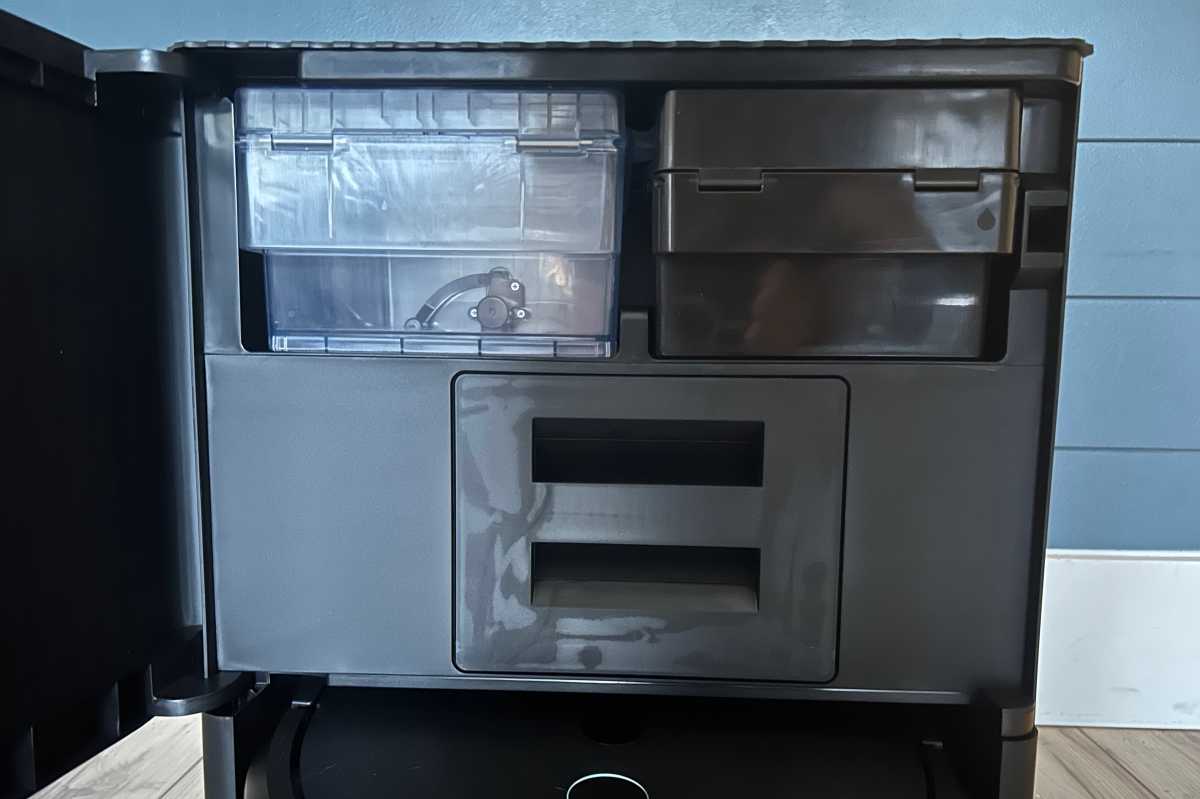
The AutoWash Dock is a significant piece of hardware, measuring 17.6 x 20.1 x 15.8 inches. While it offers a 3-liter clean-water tank and a 2.5-liter dirty-water bin, these capacities are notably smaller than those found in competitors like the Ecovacs Deebot X2 Omni, which provides 4 liters and 3.5 liters, respectively.
Official Responses and Strategic Pivot
iRobot has maintained a consistent narrative regarding its product development. When questioned about the lack of self-washing features in earlier models, representatives cited a commitment to hygienic design, prioritizing the avoidance of stagnant water odors over the sheer convenience of automated washing.

The introduction of the 10 Max+ signals an official surrender to market demand. Consumers have made it clear that they prefer the minor, routine maintenance of a self-cleaning dock over the manual labor of cleaning a mop pad by hand. By "rethinking" their position, iRobot is attempting to reclaim market share from competitors who have long offered this feature. However, the company has doubled down on its "Pet Owners Official Promise," which guarantees a replacement robot if the device encounters and spreads pet waste, signaling that they still view reliability and "peace of mind" as their primary competitive advantage.
Implications for the Consumer
What does this mean for the average buyer?
The Cost-to-Performance Dilemma
The $1,399.99 MSRP positions this device in the ultra-premium category. However, the performance lag in vacuuming and mopping means that the "bang for your buck" is significantly lower than previous iterations. If you already own a J9+ or even a well-maintained J7+, the upgrade to the 10 Max+ offers very little in the way of actual cleanliness gains.
Market Positioning
The robotic vacuum market is currently split into two camps: the "Software First" group (led by iRobot) and the "Hardware First" group (led by brands like Roborock and Ecovacs). With the 10 Max+, iRobot is trying to have it both ways. They are providing the high-end hardware the market demands while maintaining the superior, user-friendly software that has kept them in the lead for years.
Future Outlook
The release of this model suggests that iRobot is in a transitional phase. They are no longer the lone innovator in the space but a participant in a mature market where hardware parity is the baseline. Future iterations will likely need to focus on improving the scrubbing mechanism—perhaps through higher-pressure downward force or better-engineered mop materials—to match the physical cleaning performance of the competition.
Final Verdict: Is it worth the investment?
The Roomba Combo 10 Max + AutoWash is an impressive, albeit flawed, machine. It is the most "complete" experience iRobot has ever offered in terms of automation. You will spend less time interacting with the mop and the dustbin, which, for many busy households, is the primary goal.
However, if your priority is the absolute highest level of cleanliness for your hardwood floors or if you are sensitive to the price-to-performance ratio, you may find the 10 Max+ lacking. For many users, the Roomba Combo J9+ remains the smarter purchase. It offers a more reliable cleaning performance, a more proven track record, and a lower price point, leaving the extra $600+ in your pocket.
The 10 Max+ is a bold step into the "all-in-one" future, but for iRobot, the journey toward perfection in the hybrid category is still ongoing. Whether the brand can marry its superior navigation software with truly top-tier mopping hardware will determine its standing in the next generation of smart home cleaning.