In a dramatic assertion of corporate control, Automattic CEO Matt Mullenweg has finalized a total restructuring of the company’s board of directors. This move comes mere weeks after a short-lived but intense attempt by the previous board to oust him, a power struggle that briefly placed the parent company of WordPress.com, Tumblr, and WooCommerce at the center of a Silicon Valley governance firestorm.
The new board is characterized by a distinct departure from traditional corporate oversight, favoring an eclectic mix of tech-industry operators and creative figures. Mullenweg, who retains 84% of the voting power at the company, has effectively utilized his majority stake to bypass internal resistance, replacing departing directors with figures who align with his vision for the company’s future.
The Chronology of the 33-Hour Coup
The internal conflict reached a fever pitch earlier this month when the previous board, acting in what Mullenweg later described as a "coup attempt," voted to place the CEO on an involuntary leave of absence. The maneuver was intended to strip Mullenweg of his operational authority and potentially pave the way for his permanent removal.
However, the board’s efforts were short-lived. Leveraging his overwhelming majority voting control, Mullenweg neutralized the threat in just 33 hours and 20 minutes. Upon his immediate return, he moved swiftly to dismantle the apparatus that had challenged him. The aftermath saw the removal of key executives, including CFO Mark Davies—who had been earmarked to take the helm as interim CEO—and Chief Legal Officer Andy Missan.
Prominent board members also saw their tenures come to an abrupt end. Toni Schneider, a founding CEO of Automattic and current CEO of Bluesky, resigned his position. General Ann Dunwoody, the first woman to achieve the rank of four-star general in the U.S. Army, was removed by Mullenweg, and board member Sue Decker resigned shortly thereafter.
An Eclectic New Board: A Shift in Governance
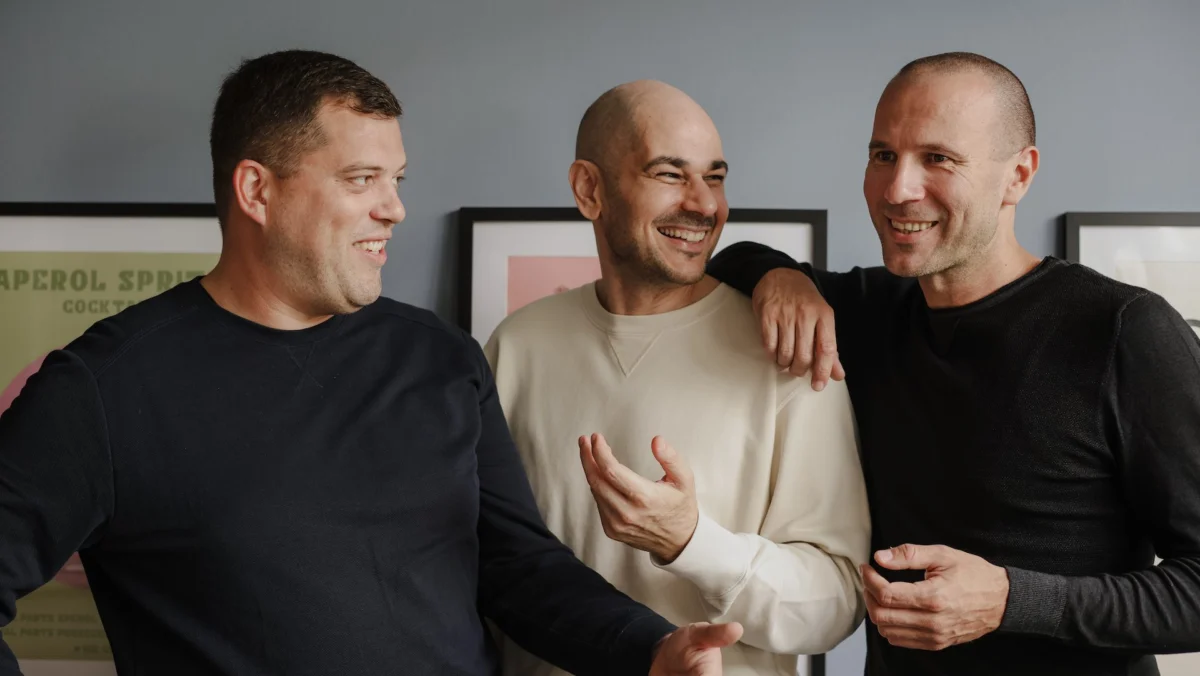
Mullenweg has signaled a new era for Automattic’s oversight by populating the board with a diverse, non-traditional group of individuals. While specific identities of the new board members are currently being integrated into the company’s corporate filings, sources close to the situation confirm the inclusion of a best-selling science-fiction author and two co-founders of the now-defunct social application, IRL.
The inclusion of the IRL co-founders has drawn immediate scrutiny from market observers. IRL, once a high-flying startup, collapsed in 2023 following investigations that revealed a significant portion of its user base consisted of bots. The fallout from that collapse resulted in a securities fraud lawsuit filed by SoftBank, which had been a major investor. The co-founders subsequently initiated their own litigation against the venture capital firm.
Beyond the formal board, Mullenweg has reinforced his inner circle with a suite of high-profile advisers. These include Jaime Waydo, the former CTO of Whoop; Matt Van Horn, co-founder of June; and Hiten Shah, co-founder of KISSmetrics. This group represents a tactical pivot toward "operator-led" advisory, moving away from the more institutional, legacy-style oversight that previously governed the company.
The Legal and Strategic Backdrop
The upheaval at the board level is occurring against the backdrop of a high-stakes legal battle with hosting provider WP Engine. The dispute, which centers on trademark usage and claims regarding the lack of contribution to the WordPress open-source project, has arguably been the primary catalyst for internal friction.
Legal documents recently filed in the ongoing litigation have seen WP Engine’s legal team accuse Mullenweg of destroying evidence—an allegation that carries significant weight in corporate law. Following his return to power, Mullenweg took the proactive step of replacing Automattic’s legal counsel, retaining the powerhouse firm Susman Godfrey LLP. The retention of one of the nation’s top trial firms suggests that Mullenweg is preparing for a protracted and aggressive defense of his company’s interests.

Mullenweg’s internal communications to staff have been pointed, framing the turmoil as a necessary evolution. In an announcement to the company’s Slack channels, he noted: "For purposes of Delaware law, I am the CEO, President, Treasurer, and Secretary." He further remarked that the failed ouster had served to identify "many amazing supporters" within the organization.
Official Statements and Vision
When questioned about the radical changes, Mullenweg provided a statement that emphasizes the gravity of the current moment. "We are living through times of unprecedented change, possibly a singularity," he wrote. "The next six months will determine the next 20 years of Automattic."
Mullenweg has consistently portrayed the attempt to remove him as a failure of the board to understand the company’s unique mission. In a post on X (formerly Twitter) shortly after the event, he famously quipped, "Founder advice: If you don’t have a coup attempt every few years, you’re not hiring strong enough leaders."
While the previous board members have maintained silence regarding their specific grievances and their rationale for attempting to remove the founder, the structural changes suggest a fundamental disagreement regarding the company’s trajectory—perhaps specifically concerning how the company handles its intellectual property and its relationship with the broader WordPress ecosystem.
Implications for Automattic and the Open Web
The consolidation of power by Mullenweg has profound implications for both Automattic and the WordPress community. By purging the board and installing allies, Mullenweg has essentially transformed Automattic into a vehicle that reflects his personal governance style with few, if any, checks on his authority.
1. The Risk of Centralization
For a company that stewards the world’s most popular open-source content management system, the concentration of power in a single individual is a source of concern for some stakeholders. Critics argue that a lack of independent oversight could lead to impulsive strategic shifts, particularly in the ongoing war with WP Engine.
2. Operational Agility
Conversely, supporters of the move argue that in an era of rapid technological change—particularly the "singularity" mentioned by Mullenweg—the company requires the ability to move with speed. By removing institutional friction, Mullenweg has ensured that Automattic can pivot its resources toward AI-driven development and platform security without the need for lengthy board deliberations.
3. The Litigation Burden
The outcome of the WP Engine case will be the true test of the new board’s effectiveness. If the new legal team and advisory board successfully navigate the trademark and evidence-destruction claims, Mullenweg’s strategy of "clearing the deck" will be viewed as a masterclass in corporate survival. If the legal situation deteriorates, however, the lack of a traditional, experienced board may leave the company vulnerable to further crises.
Conclusion
The "33 hours" of uncertainty in September have effectively transformed Automattic from a company with traditional, multi-layered oversight into one that operates with the singular, focused intensity of its founder. Whether this transition will lead to the company’s long-term success or serve as a cautionary tale of extreme founder control remains to be seen.
As Mullenweg looks toward the next two decades, his focus is clear: he is betting on his own vision, his own team, and his own ability to navigate the legal and technological storms currently buffeting the tech industry. For the employees at Automattic, the message is one of stability—the storm has passed, the leadership is solidified, and the focus has returned to the mission. However, for the outside world, the real drama of Automattic’s future is only just beginning.