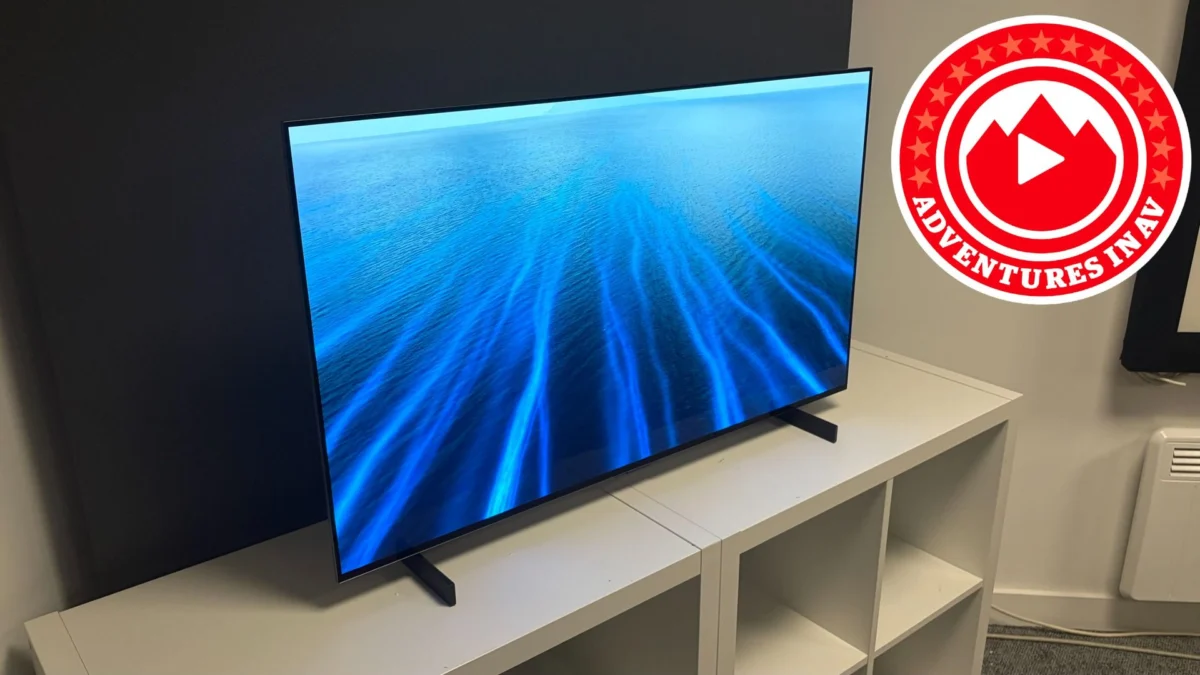
As the audiovisual industry plunges headfirst into the rigorous judging process for the highly anticipated What Hi-Fi? Awards 2026, the editorial team’s focus has naturally shifted toward evaluating the year’s defining display technologies. While massive, cinematic 65-inch and 83-inch panels often dominate showroom floors and home theater fantasies, a quieter, more pragmatic revolution has been taking place in the testing rooms.
Compact OLED TVs—specifically the 42-inch and 48-inch form factors pioneered and refined by industry giants like LG, Samsung, and Panasonic—have reached a critical technical tipping point. For years, AV enthusiasts and hardcore gamers have eyed these smaller footprints as the ultimate bridge between high-end home cinema and desktop utility. Yet, compromises in peak brightness, pricing hurdles, and generational stagnation often left buyers hesitant.
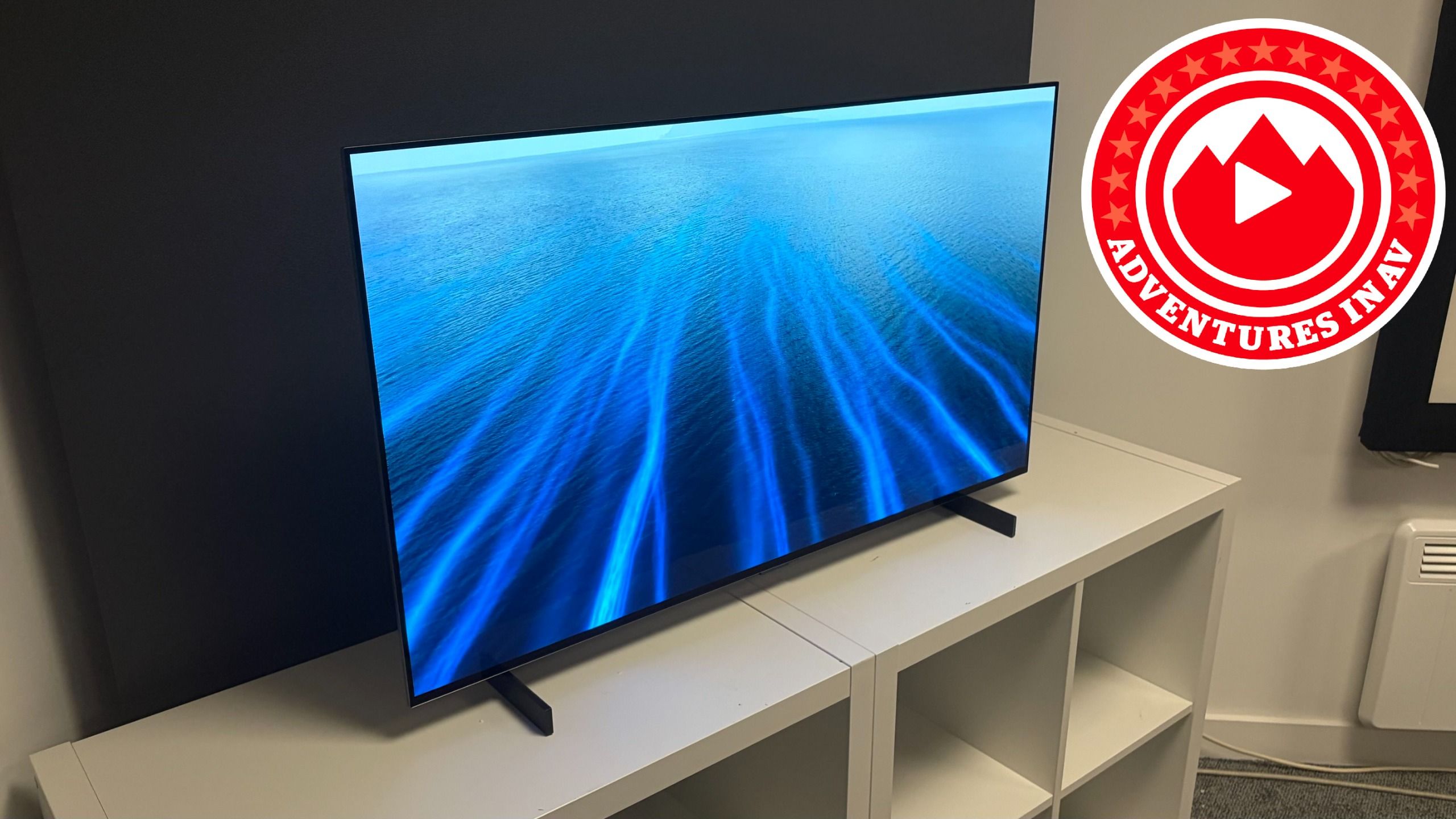
Following extensive bench testing of the latest crop of compact panels—including the 42-inch and 48-inch iterations of the LG C6 and Samsung S90H—industry experts argue that the years of waiting have finally paid off. These downscaled screens are no longer mere "junior" variants of their larger siblings; they have evolved into formidable, uncompromised alternatives that punch well above their weight class.
Main Facts: The Evolution of Compact OLEDs
The debate surrounding sub-55-inch OLED televisions has fundamentally shifted in 2026. Historically, manufacturers treated 42-inch and 48-inch panels as secondary entries in their broader television lineups, frequently cascading older panel technology or constrained processing power down to smaller footprints.
Today, however, the playing field has leveled:
- The Pixel Density Advantage: Because compact OLEDs pack millions of self-emissive pixels into a tighter physical space (42 or 48 inches), they inherently benefit from higher pixel density. This translates to exceptional image sharpness, pristine text clarity when used as PC monitors, and remarkably fine detail retrieval.
- Feature Parity: Modern compact displays no longer strip away high-end features. They inherit the robust gaming suites, advanced processor chips, multiple HDMI 2.1 ports, variable refresh rate (VRR) support, and high frame rate (HFR) capabilities found on flagship 65-inch models.
- The Performance Leap: Testing on the new LG C6 and Samsung S90H series demonstrates a substantial generational leap in peak brightness, color volume, and motion handling compared to previous iterations like the LG C4, C5, or Samsung S90F lines.
Chronology: A Four-Year Journey to Perfection
To understand why the current generation of compact OLEDs is generating such excitement, it is worth tracking their evolution over the past half-decade.
2022–2023: The Spark of Inspiration
The modern obsession with compact OLEDs largely took root with the arrival of the LG C2 series. Reviewers and consumers alike recognized the profound potential of a sub-55-inch OLED display. For competitive gamers who sit close to their screens and multimedia enthusiasts constrained by tight urban living spaces, the C2 offered a tantalizing glimpse of the future. However, early adoption was met with friction: prices remained stubbornly high even during major retail events like Black Friday, and peak brightness limitations meant they struggled in brightly lit environments.
2024–2025: Incremental Refinement
Generations subsequent to the C2—such as the C4 and C5 lines from LG and parallel offerings from Samsung and Panasonic—introduced steady improvements. Panel efficiency increased, and anti-reflective coatings grew more sophisticated. Despite these gains, many reviewers noted that the 48-inch variants often felt like afterthoughts compared to the flagship 55-inch and 65-inch flagships that captured the industry’s highest accolades. They were undeniably good, but they rarely forced a double-take during standard benchmark testing.
2026: The Breakthrough Year
Entering the 2026 testing cycle, the narrative has flipped entirely. Evaluators handling the LG C6 and Samsung S90H families noted an immediate, striking visual impact. Unlike their predecessors, the 42-inch and 48-inch versions of these models deliver the same aggressive brightness, deep black depths, and refined processing algorithms that define their larger counterparts. Patience among reluctant buyers has finally been rewarded with hardware that demands zero compromises.
Supporting Data & Technical Analysis
While full, formal reviews and award winners remain under embargo ahead of the official What Hi-Fi? Awards announcements, early performance metrics highlight why these screens are turning heads.
Brightness and Color Volume
Historically, smaller OLED pixels struggled to achieve the luminance levels of larger panels due to aperture ratio constraints and thermal limitations. The 2026 crop defies this trend. The LG C6 introduces a significantly brighter, richer, and more refined picture profile than the outgoing C5 series. Side-by-side comparisons reveal that the 48-inch C6 maintains specular highlights—such as direct sunlight reflections, explosions, and neon cityscapes—with a vigor previously restricted to much larger screens.
Motion Handling and Sharpness
Motion processing on OLEDs has always been exceptionally fast, but smaller screens accentuate this benefit. Due to the rapid response times inherent to self-emissive organic pixels, smearing is virtually nonexistent. When combined with the superior pixel density of a 42-inch frame, fast-paced sequences in action movies or high-speed competitive shooters remain razor-sharp, eliminating the motion blur frequently encountered on larger, lower-density displays viewed from close proximity.
Gaming Integration
For the modern hybrid user—someone who splits time between cinematic movie-watching and high-performance gaming—sub-55-inch OLEDs serve as the ultimate dual-purpose hub. Supporting full 4K resolution at 120Hz (and beyond), ultra-low input lag, and comprehensive HDR format support, these displays function seamlessly as high-end desktop monitors by day and immersive home theater screens by night.
Official Industry Responses and Expert Insights
Industry insiders and veteran tech journalists have been vocal about the changing perception of compact screens. Lewis Empson, Senior Staff Writer for What Hi-Fi?, highlights the shift in testing dynamics:
"While I love OLED TVs of all shapes and sizes, I’ve had my eye on a sub-55-inch OLED ever since I first laid eyes upon the LG C2… Four years on, however, I still haven’t bitten the bullet… However, after testing the 42-inch and 48-inch Samsung S90H and LG C6, I now have a rather smug sense of self-satisfaction, as my patience has paid off."
Empson further emphasizes that these panels are no longer scaled-down compromises:
"They don’t feel like compromised versions of larger TVs, but actually great alternatives in their own right. Simply put, I could happily sit and watch a movie on these TVs, despite being used to having an expansive 65-inch at home."
Manufacturers have similarly recognized that the modern consumer demographic is evolving. With remote work remaining prevalent, urban apartments shrinking in average square footage, and gaming setups requiring centralized, high-performance visual displays, the market demand for premium small-format televisions has outpaced initial corporate projections.
Implications: What This Means for Consumers and the Market
The maturation of the compact OLED market carries far-reaching implications for both buyers and the broader consumer electronics landscape.
1. The Death of the "Compromise" Narrative
For years, buyers seeking top-tier picture quality were forced to accept large screen sizes, often clashing with interior design constraints or spatial limitations. The success of the LG C6 and Samsung S90H proves that pristine contrast, infinite blacks, and cinematic color reproduction can be housed within a compact chassis without sacrificing fidelity.
2. The PC Monitor vs. TV Convergence
Traditional computer monitors have long lagged behind televisions in HDR performance, local dimming precision, and cinematic image processing. As 42-inch OLEDs achieve price-to-performance equilibrium, more PC gamers and creative professionals are bypassing traditional desktop monitors entirely, opting instead for professional-grade OLED TVs that double as expansive work and play stations.
3. Timing the Purchase: A Catalyst on the Horizon
For hesitant consumers who spent years keeping browser tabs open on online checkout screens, the justification for a purchase has never been stronger. Furthermore, with monumental gaming releases on the horizon—such as Call of Duty: Modern Warfare 4 and Grand Theft Auto VI—enthusiasts finally have the ultimate catalyst to upgrade their hardware setups.
As the What Hi-Fi? Awards draw closer, all eyes will remain on how these compact contenders perform against traditional giants. One thing, however, is already certain: the era of the diminutive, underpowered small-screen TV is officially over, replaced by a golden age of uncompromised, compact cinematic excellence.